Silver Price per Ounce Today: Live Rates & Historical Trends
Current silver spot price: approximately $77–$78 per troy ounce. Silver recently pulled back from its all-time nominal high of $121.67, set on January 29, 2026 — a milestone driven by record industrial demand, a sixth consecutive annual supply deficit, and surging investor appetite.
This guide covers everything you need to understand the silver price per ounce: what drives it, how it has moved historically, what silver bars and coins cost today, and how to buy silver safely.
1. Silver Price per Ounce Right Now
Today, the silver spot price is approximately $77–$78 per troy ounce, down sharply from the January 2026 all-time high of $121.67. The pullback follows stronger-than-expected U.S. inflation data that has pushed back Federal Reserve rate-cut expectations, lifting the dollar and pressuring commodity prices across the board.
Despite this correction, silver remains dramatically higher than it was 12 months ago. The silver price per ounce has more than doubled since 2024, fuelled by relentless industrial demand from solar panel manufacturers, electric vehicle producers, and semiconductor fabricators, combined with a supply deficit the Silver Institute now estimates at 46.3 million ounces for 2026.
| Metric | Value |
|---|---|
| Silver Spot Price (per troy oz) | ~$77.50 |
| Silver Price (per gram) | ~$2.49 |
| Silver Price (per kilogram) | ~$2,491 |
| All-Time High | $121.67 (January 29, 2026) |
| 2026 YTD Change | +~15% |
| Gold/Silver Ratio | ~58.9:1 |
Silver Bar Prices Today
Physical silver bars carry a premium above spot price to cover refining, fabrication, dealer margins, and shipping. The table below reflects typical retail prices, based on a spot price of approximately $77.50 per ounce.
| Silver Bar Size | Approximate Price (USD) | Notes |
|---|---|---|
| 1 oz | $84 – $90 | Highest premium per ounce; most liquid |
| 5 oz | $400 – $425 | Popular mid-size bar |
| 10 oz | $790 – $840 | Widely traded, excellent liquidity |
| 50 oz | $3,900 – $4,100 | Lower premium per ounce |
| 100 oz | $7,750 – $8,100 | Preferred by serious investors |
| 1,000 oz | $77,500 – $81,000 | Large institutional bars; requires secure storage |
Premiums vary by dealer, payment method, and order size. Buying larger bars reduces the cost per ounce. Always confirm live pricing directly with your dealer before purchasing, as silver prices can shift significantly within a single trading session.

Silver Price per Ounce vs per Gram
Silver is quoted globally in troy ounces — the standard unit for precious metals. One troy ounce equals 31.1035 grams. To convert:
- Price per gram = spot price ÷ 31.1035
- Price per ounce = price per gram × 31.1035
Example at $77.50/oz: $77.50 ÷ 31.1035 = $2.49 per gram
Troy ounces dominate commodity exchanges, bullion dealers, and investment markets. Grams are more common in jewelry retail, where small quantities are sold by weight. Knowing how to convert between the two protects you from paying more than fair value — especially when comparing quotes from jewelers versus bullion dealers.
What Factors Drive the Silver Price per Ounce? {#factors}
The silver price per ounce is determined by a complex interaction of industrial, financial, and macroeconomic forces. Understanding these drivers is essential for anyone buying, selling, or investing in silver.
Industrial Demand
Silver has the highest electrical and thermal conductivity of any metal, making it irreplaceable in electronics, photovoltaic solar cells, electric vehicles, 5G infrastructure, and medical devices. In 2026, this industrial pull represents the largest component of total silver demand and is the primary reason the market is running a structural supply deficit.
Investment Demand
Silver is a store of value and an inflation hedge. When economic uncertainty rises or real interest rates fall, investors shift into precious metals, pushing silver prices higher. The sharp rally through late 2025 and into early 2026 was partly driven by retail investors — particularly in China — accumulating silver coins and bars in large quantities.
U.S. Dollar Strength
Silver is priced globally in U.S. dollars. When the dollar strengthens, silver becomes more expensive for international buyers, which tends to suppress demand and lower the price. The May 2026 pullback in silver is directly linked to a stronger dollar following hawkish U.S. inflation data.
Supply Constraints
Global silver mine production has struggled to keep pace with demand. The Silver Institute estimates a sixth consecutive annual supply deficit in 2026. Limited new mine development and declining ore grades at existing operations have constrained supply, providing long-term price support.
Inflation and Interest Rates
Higher inflation typically boosts silver’s appeal as a real asset. However, if inflation data triggers central bank rate hikes, the resulting rise in real yields can temporarily weigh on silver prices. This dynamic explains much of silver’s volatility in 2026.
Gold Price Correlation
Silver and gold prices are closely correlated. The gold/silver ratio — currently around 58.9:1 — tracks how many ounces of silver it takes to buy one ounce of gold. A rising ratio suggests silver is undervalued relative to gold; a falling ratio suggests the opposite. Investors use this ratio to rotate between the two metals.
Historical Silver Price Trends
Understanding the historical silver price per ounce puts today’s market in context and helps investors recognize where we are in the cycle.
| Period | Key Price Level | Primary Driver |
|---|---|---|
| 1971 | ~$1.50/oz | Pre-liberalization baseline |
| 1980 | $49.45/oz (then-record) | Hunt Brothers corner attempt; inflation |
| 2008 | $8–$9/oz (crisis low) | Global financial crisis selloff |
| 2011 | $48.70/oz | Post-GFC safe-haven demand; QE |
| 2020 | $12/oz (pandemic low) | Demand collapse; market panic |
| 2020–2021 | $29/oz | Reddit-driven retail surge |
| 2025 | Rapid acceleration | Solar/EV demand; supply deficits; retail buying |
| January 29, 2026 | $121.67/oz (all-time high) | Supply deficit + industrial demand + investor flows |
| May 2026 | ~$77–$78/oz | Inflation data; dollar strength; pullback |
Silver’s history is defined by long periods of relative stability punctuated by explosive rallies and sharp corrections. The 2025–2026 bull run is historically significant: silver broke above the four-decade-old $49 ceiling for the first time ever and reached a new all-time nominal high.
Whether this represents a new paradigm driven by the green energy transition or a temporarily overheated market remains the key debate among analysts.
How Often Does the Silver Price Change?
The silver price per ounce updates continuously during market hours, which span nearly 24 hours on weekdays across global exchanges — primarily COMEX in New York and the London Bullion Market (LBMA).
- COMEX (New York): The world’s most liquid silver futures exchange. Sets the benchmark price for North American markets.
- LBMA (London): Publishes the twice-daily silver price “fix” used as the official benchmark for many physical contracts worldwide.
- Shanghai Futures Exchange: Increasingly important as Chinese industrial demand grows.
The spot price reflects the cost of silver for immediate delivery. Intraday swings of 2–5% are common; during high-volatility sessions (as seen in May 2026, when silver dropped over 10% in a single day), moves can be significantly larger.
Prices are frozen over weekends, though futures platforms may display indicative prices. For serious buyers and investors, monitoring prices during London and New York trading hours — when volume and liquidity are highest — is most relevant.
Silver Price Forecast: What Experts Predict in 2026
Silver’s trajectory from 2026 onward depends on several key variables:
Bullish case: A structural supply deficit that has now persisted for six consecutive years, combined with accelerating demand from solar energy, electric vehicles, and AI-related electronics, provides a strong fundamental case for higher silver prices.
If the Federal Reserve eventually pivots to rate cuts — or if geopolitical uncertainty escalates — investment demand could return forcefully. Some analysts had projected $100–$150/oz as near-term targets before the May 2026 pullback.
Bearish case: Sustained high interest rates increase the opportunity cost of holding non-yielding assets like silver. A strong U.S. dollar dampens international demand. Any slowdown in Chinese industrial activity would reduce a key source of physical demand.
Consensus view: Most precious metals analysts expect silver to remain significantly elevated relative to its pre-2025 range. The structural supply-demand imbalance is real and well-documented. However, silver’s notoriously high volatility means price swings of 20–30% in either direction can occur within weeks.
All forecasts are estimates, not guarantees. Silver is a volatile asset. Consult a qualified financial adviser before making investment decisions.
How to Buy Silver: Coins vs Bars
Silver Coins
Silver coins combine intrinsic metal value with collectibility. Well-known investment-grade coins include the American Silver Eagle, Canadian Silver Maple Leaf, and South African Silver Krugerrand — all struck in .999 fine silver at one troy ounce. Coins command higher premiums than bars due to minting costs and collector demand, but they offer excellent liquidity and are easy to resell globally. For new investors, coins are an accessible entry point.
Silver Bars
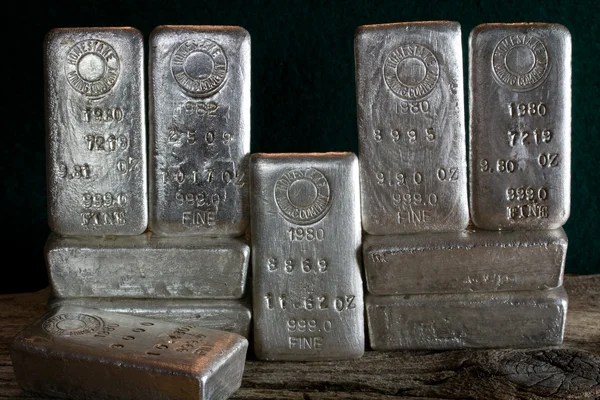
Silver bars offer the most cost-efficient way to hold physical silver, especially in larger sizes. Investment-grade bars are .999 fine silver and are produced by accredited refiners including PAMP Suisse, Valcambi, and the Perth Mint. Premiums decrease significantly as bar size increases — a 100 oz bar carries a much lower premium per ounce than a 1 oz coin. Bars are ideal for investors focused purely on metal value rather than collectible appeal.
Key checklist for buying either:
- Verify purity (.999 fine silver for investment grade)
- Buy from accredited, licensed dealers only
- Request assay documentation or certification
- Compare total cost: spot price + premium + shipping + any taxes
- Arrange secure, insured storage before purchasing
Tips for Buying Silver Online Safely
Buying silver online is convenient but requires caution. Follow these principles to protect yourself:
Use only accredited dealers. Reputable platforms include APMEX, JM Bullion, SD Bullion, and Kitco. Check for Better Business Bureau accreditation, verifiable physical addresses, and years of operation.
Understand the full cost. The silver price per ounce you pay includes: spot price + dealer premium + payment processing fees (credit cards often add 3–4%) + shipping + insurance. Compare total delivered cost, not just the headline price.
Use secure payment methods. Bank wire transfers typically offer the lowest total cost. Avoid untrackable payment methods. Never send payment to an anonymous party.
Confirm shipping and insurance. All silver shipments should be fully insured and tracked. Confirm handling times and delivery guarantees before committing.
Verify before you pay. Confirm the dealer’s license, reviews, and return policy. Legitimate dealers clearly display their refund and return procedures.
Avoid deals that seem too good. Silver selling significantly below spot price is a near-certain scam. Market premiums exist for real reasons. If the price is implausible, walk away.
FAQs – silver price per ounce
What is the silver price per ounce today? Today, the silver spot price is approximately $77–$78 per troy ounce, down from the all-time high of $121.67 set in January 2026. Always check a live source before transacting, as prices change continuously during market hours.
Why is silver so much higher than it was a few years ago? A combination of structural supply deficits (six consecutive years), accelerating industrial demand from solar panels, electric vehicles, and semiconductors, and strong investment demand drove silver to unprecedented levels. The price more than doubled between 2024 and early 2026.
What is the silver price per gram right now? At approximately $77.50/oz, the silver price per gram is around $2.49. Divide any spot price by 31.1035 to get the per-gram equivalent.
Why is silver cheaper than gold? Silver is far more abundant in the Earth’s crust, less costly to mine, and produces much larger annual supply volumes than gold. The current gold/silver ratio of approximately 58:1 means it takes about 58 ounces of silver to buy one ounce of gold.
Is now a good time to buy silver? The silver price has pulled back significantly from its January 2026 all-time high. Whether this represents a buying opportunity depends on your investment horizon, risk tolerance, and portfolio composition. This article does not constitute financial advice — consult a qualified adviser.
Why does the silver price change so much? Silver is a relatively small market compared to gold or major equities. Large investor flows, industrial demand shifts, currency moves, and macroeconomic data releases can all cause rapid, significant price moves. This volatility is a feature — and a risk — of silver as an asset.
How do I know I’m paying a fair price for silver? Check the live spot price on Kitco, JM Bullion, or APMEX immediately before purchasing. Add the dealer’s stated premium to calculate your expected total cost, then compare across at least two or three reputable dealers. Legitimate premiums above spot price are normal and unavoidable; implausibly low prices signal fraud.
What purity should investment silver be? Investment-grade silver coins and bars are .999 fine silver (99.9% pure). Some premium products are .9999 (four nines). Always confirm purity before purchasing.
Where can I track the live silver price per ounce? Reliable real-time silver price trackers include Kitco.com, APMEX.com, JMBullion.com, Bullion.com, and SDBullion.com. All provide live spot price charts, historical data, and price alerts.