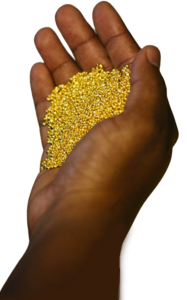
Uganda Gold Discovery in Northern Region worth $ 12 trillion
Discover Uganda gold discovery in Northern Region, including exploration areas, potential gold deposits, mining opportunities, and its impact on the economy.
The world of gold investment changed the moment geological surveys confirmed what many had long suspected: Uganda is sitting on one of the largest untapped gold reserves on the planet.
The Uganda gold discovery in the Northern Region — spanning the districts of Moyo, Adjumani, Moroto, and the wider Karamoja belt — is not just a national milestone.
It is a global mining event that is reshaping how investors, governments, and the broader gold industry think about Africa’s mineral future.
The Northern Uganda gold discovery 2025 represents the culmination of years of aerial surveys, soil sampling, deep drilling, and geological mapping.
What those surveys revealed was staggering: an estimated 31 million tonnes of gold ore in Uganda, with approximately 320,000 tonnes of refined gold recoverable — a deposit valued at around $12 trillion.
To put that figure in context, Uganda’s entire GDP is currently under $50 billion. This discovery is not just large. It is generational.
Where Was the Gold Found? The Karamoja Region Takes Centre Stage
The question on every investor’s lips — where exactly was this gold found in Uganda? — has a clear answer: the Karamoja region of northeastern Uganda is the epicentre of the country’s gold wealth.
Districts including Moroto, Nakapiripirit, Amudat, Kaabong, and Napak sit above geological formations that have proved extraordinarily rich in both alluvial gold and hard-rock lode gold deposits.
The Karamoja gold discovery news sent shockwaves through the African mining community precisely because this region had previously been associated more with pastoralism and conflict than with industrial mineral wealth.
The rich gold in Karamoja Uganda was hiding in plain sight — locked in quartz veins, greenstone belts, and riverbeds that stretch across the vast Moroto District and beyond.
Beyond Karamoja, the northern Uganda gold find 2025 also encompasses discoveries near Uganda’s border with South Sudan, particularly in Kitgum and Lamwo, where gold is found in alluvial deposits along riverbanks and in hard-rock quartz formations.
The gold deposits in Moroto District Northern Uganda, the emerging hotspots in Kitgum, and the artisanal activity around Gulu collectively make northern Uganda one of the most promising unexplored gold frontiers on the African continent.
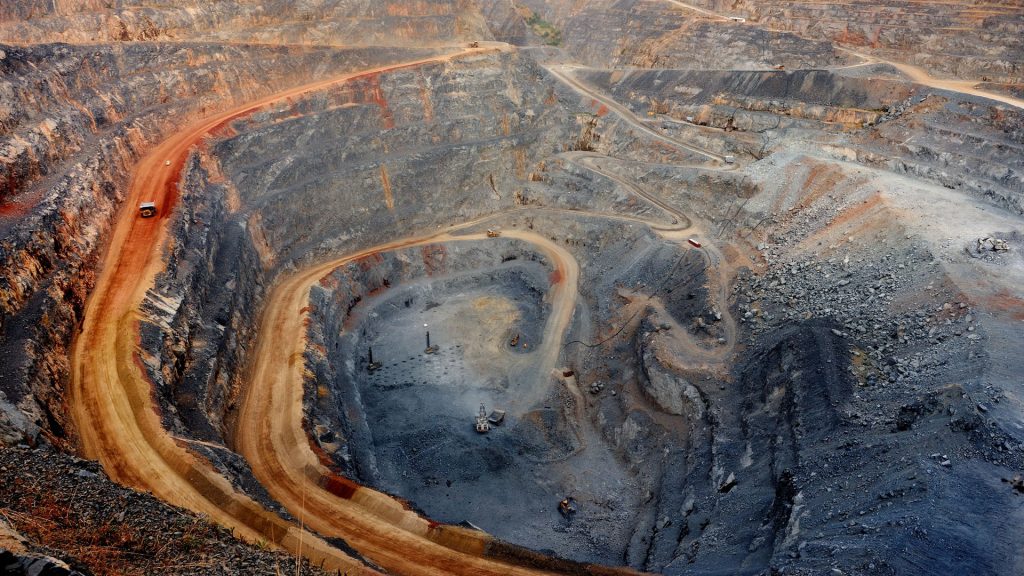
How Was the $12 Trillion Gold Discovery in Uganda Made?
The $12 trillion gold discovery Uganda did not happen overnight. It was the product of systematic, government-led geological exploration backed by private sector investment.
The Ugandan Ministry of Energy and Mineral Development commissioned advanced geophysical surveys — including airborne magnetic mapping, ground-penetrating radar, and systematic core drilling — to build an accurate picture of the country’s sub-surface mineral wealth.
Private mining companies with exploration licenses in the Karamoja area contributed their own technical data, accelerating the timeline of discovery. Soil geochemistry sampling across vast areas of northern Uganda confirmed anomalies consistent with large-scale gold mineralisation.
When drilling results confirmed the ore grades and tonnages suggested by surface surveys, the scale of Uganda’s gold find became undeniable.
The result: Uganda uncovered 31 million tonnes of gold ore and 320,000 tonnes of refined gold recoverable — making this one of the largest gold discoveries in Africa, ranking alongside historical deposits in South Africa’s Witwatersrand Basin, Ghana’s Ashanti Belt, and Mali’s Sadiola mine system.
Major Gold Mining Areas in Northern Uganda
1. Karamoja — Uganda’s Gold-Rich Frontier and Global Mining Hotspot
Karamoja is not just the largest gold-producing region in northern Uganda — it is the heartbeat of the entire Uganda gold sector 2025. The vast gold reserves of the Karamoja region are found in two primary forms: alluvial gold deposited in riverbeds and stream sediments by centuries of natural erosion, and lode gold embedded in quartz veins within hard-rock formations.
The districts of Moroto, Nakapiripirit, Amudat, and Kaabong each host significant mineralisation. Gold deposits in Moroto District are particularly notable, with confirmed reserves that have attracted both Chinese and Canadian mining companies seeking long-term extraction rights.
The gold found in Karamoja is often associated with other valuable minerals, including copper, adding further economic value to the region’s geological endowment.
Mining activity in Karamoja today is primarily artisanal and small-scale, but that is changing fast. As licensed large-scale operators move in with modern equipment, the region is transitioning toward industrial extraction — a shift that carries enormous economic potential alongside important responsibilities around environmental management and community benefit-sharing.
2. Kitgum and Lamwo — Emerging Gold Investment Hotspots Near South Sudan
The districts of Kitgum and Lamwo, situated near Uganda’s border with South Sudan, represent some of the most promising emerging gold investment areas in East Africa.
Geological surveys of the Kitgum-Lamwo belt have confirmed gold mineralisation in alluvial deposits along major river systems and in hard-rock quartz veins.
While large-scale exploration in Kitgum remains in earlier stages than Karamoja, recent survey data indicates high mineral potential that is attracting growing interest from international exploration firms.
For investors tracking Uganda gold sector 2025 opportunities, Kitgum and Lamwo offer early-mover positioning in what could become the next major gold production district in northern Uganda.
3. Gulu — Small-Scale Gold Mining and Expanding Exploration Activity
Gulu, as the commercial hub of northern Uganda, serves as a logistics and services gateway for the wider northern Uganda gold mining industry. Gold deposits in the Gulu area are found in river sediments and scattered hard-rock formations, with most current activity carried out by artisanal miners.
Licensed exploration companies are increasingly active in the broader Acholi sub-region, of which Gulu is the centre, conducting surveys that may yet reveal additional gold resources beneath the region’s ancient geology.
How Much Gold Has Uganda Discovered? Breaking Down the Numbers
The numbers behind the Uganda gold discovery are extraordinary by any global standard. Geological assessments estimate:
31 million tonnes of gold ore contained within identified deposit zones across the northern Uganda gold fields, primarily in the Karamoja region and adjacent districts.
320,000 tonnes of refined gold recoverable from that ore — a figure that positions Uganda alongside historically significant producers when measured in total recoverable metal.
$12 trillion estimated value at prevailing gold prices — a figure that, even if partially realised over decades of production, would represent a complete transformation of Uganda’s economic trajectory.
These figures come from detailed geological surveys and exploratory drilling conducted by both government agencies under the Ministry of Energy and Mineral Development and private mining firms holding exploration licences in the affected areas. While further verification drilling will refine these estimates, the broad scale of Uganda’s gold wealth is no longer in doubt.
Companies Licensed to Mine Gold in Uganda — Who Is Extracting the Wealth?
Wagagai Mining Uganda — The Busia Refinery Transforming Uganda Into a Refining Hub
Wagagai Mining (U) Limited represents the most advanced large-scale gold operation currently active in Uganda. Operating a state-of-the-art mining and refining facility in Alupe, Busia District — in eastern Uganda — Wagagai is a joint venture between Ugandan interests and China’s Liaoning Hongda Group, with a total investment of approximately $200 million.
The Wagagai facility is designed to process up to 5,000 tonnes of gold ore per day, producing between 1 and 1.5 tonnes of refined gold annually at a purity of 99.99% — the highest international standard for investment-grade gold.
Ore is sourced from a greenstone belt in Busia covering 9.13 square kilometres, with proven reserves of 15 million tonnes expected to extend beyond 30 million tonnes over a mine life of 30 years.
Wagagai’s integrated operations cover the full mining value chain — from exploration and extraction through beneficiation, smelting, refining, logistics, and international gold trade sales.
The completion of the beneficiation plant in November 2024 was a landmark moment, enabling Uganda to extract gold from rock ore at industrial scale and establishing the country as a regional refining hub.
The project is expected to create over 3,000 jobs, generate approximately $100 million in annual foreign exchange earnings, and contribute $10 million in taxes to the Ugandan government annually.
African Gold Refinery (AGR) — Uganda’s Established Gold Processing Giant
The African Gold Refinery(AGR) is one of the most prominent companies involved in gold mining and refining operations across Uganda, including activities in northern regions.
AGR has played a significant role in formalising Uganda’s gold trade and creating value-added export products that command premium prices in international markets, particularly in the UAE and Europe.
AUC Mining — Exploring the Northern Uganda Gold Frontier
AUC Mining has been active in exploring and developing gold resources in northern districts including Adjumani and Moyo — two of the areas at the heart of the most recent Uganda gold discovery announcements.
AUC’s exploration work in these districts is contributing to the growing body of geological knowledge about northern Uganda’s gold resource base.
Mining Methods and Sustainability Plans for Uganda’s Gold Sector
Uganda’s approach to extracting its newly confirmed gold wealth blends modern industrial techniques with a genuine commitment to environmental stewardship and community development.
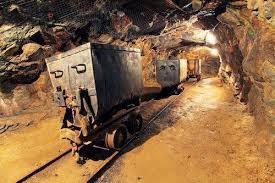
The government has mandated that all licensed mining operations use methods appropriate to the depth and distribution of gold deposits — open-pit mining for shallower, high-volume ore bodies, and underground extraction for deeper high-grade veins.
Every company holding a mining lease in Uganda is required to submit a comprehensive Environmental and Social Impact Assessment (ESIA) before commencing operations.
These assessments address water management, waste disposal, land rehabilitation after mining, dust and air quality, and the socioeconomic impacts on nearby communities.
Uganda’s mining regulations explicitly prohibit the use of mercury in gold processing wherever alternatives exist, reflecting growing international standards for responsible and ethical gold production.
Sustainability plans under the Uganda Mining Act 2022 include mandatory land rehabilitation programmes, water source protection zones around sensitive river systems, and community development funds funded by a proportion of mining revenues.
The goal is to ensure that Uganda’s gold discovery in the Northern Region delivers lasting prosperity — not just extraction profits — for the communities living above these remarkable geological formations.
Uganda Mining Act 2022 — The Legal Framework for Gold Investment
Investors considering the Uganda gold sector 2025 need to understand the regulatory environment that governs all gold mining and trading activity.
The Uganda Mining Act 2022 comprehensively modernises the country’s mining framework, replacing older legislation and establishing clear, transparent procedures for licensing, environmental compliance, and revenue sharing.
Under the Mining Act 2022, the following licence categories govern gold mining activity in Uganda:
Exploration Licence — allows investors to survey and assess gold deposits before committing to full-scale mining operations. Essential for companies assessing new gold targets in northern Uganda.
Location Licence — granted for small-scale gold mining operations, including formalised artisanal mining under regulated conditions.
Mining Lease — issued for large-scale mining projects with proven reserves and demonstrated technical and financial capacity to extract responsibly.
Gold Export Licence — required for any company exporting refined or unrefined gold from Uganda, ensuring traceability and regulatory compliance in the international gold trade.
The Act also mandates that the Ugandan government acquires a 15% free carried interest in all mining projects — a provision designed to ensure that Ugandan citizens share meaningfully in the value created by their country’s mineral wealth.
Tax incentives on mining equipment, streamlined licence processing through the Ministry of Energy and Mineral Development, and Uganda Investment Authority support for foreign investors make Uganda one of the most investor-friendly gold mining jurisdictions in East Africa.
The Economic Impact of Uganda’s Gold Discovery — Jobs, GDP, and National Transformation
Job Creation Across Uganda’s Gold Mining Value Chain
The economic multiplier effect of Uganda’s gold discovery extends far beyond the mining pit itself. Direct employment in extraction, processing, refining, and logistics is expected to create tens of thousands of jobs across northern Uganda and beyond.
Wagagai Mining alone projects over 3,000 direct jobs at its Busia facility. Across the northern Uganda gold fields in Karamoja, Kitgum, Lamwo, and Gulu, artisanal miners are being brought into formal employment structures that offer better wages, safety standards, and skills development.
Indirect employment across transport, construction, hospitality, food supply, equipment maintenance, and professional services amplifies this impact further.
Uganda’s gold discovery in the Northern Region is already catalysing road improvements and power infrastructure in historically underserved districts — economic multipliers that benefit communities whether or not they are directly employed in mining.
Uganda’s GDP and the $12 Trillion Gold Prize
Gold is already one of Uganda’s top export commodities, but the scale of the Northern Uganda gold find 2025 has the potential to fundamentally transform the country’s economic structure.
If even a fraction of the estimated 320,000 tonnes of refined gold is extracted and exported over the coming decades, gold revenues could dwarf Uganda’s current agricultural export earnings and become the dominant driver of foreign exchange income.
Increased mining revenues provide the government with the fiscal headroom to invest aggressively in infrastructure, healthcare, education, and the diversification of Uganda’s economy.
The global impact of Uganda’s gold discovery is already visible in the rising interest from international mining companies, sovereign wealth funds, and gold refiners seeking long-term supply relationships with Ugandan producers.
Uganda on the Global Gold Map — Joining Africa’s Elite Producers
The $12 trillion gold discovery in Uganda’s Northern Region elevates the country into the conversation alongside South Africa, Ghana, Mali, and Tanzania as Africa’s most significant gold-producing nations.
While South Africa’s Witwatersrand Basin produced over 40% of the world’s historical gold supply — though its output is now declining — Uganda’s reserves represent fresh geological wealth waiting to be systematically developed.
Uganda’s estimated 320,000 tonnes of recoverable refined gold surpasses many historically celebrated discoveries in sheer potential value.
Globally, this find is comparable in scale to the Grasberg mine in Indonesia and the Muruntau mine in Uzbekistan — two of the largest gold operations in the world.
How Uganda’s Gold Discovery Affects Global Gold Markets and Prices
Will the Northern Uganda gold find immediately move global gold prices? The honest answer is: not dramatically in the short term. Gold prices respond primarily to central bank policy, investor sentiment, geopolitical risk, and the US dollar — forces far larger than any single new supply source.
Since extracting, refining, and bringing Uganda’s gold to global markets will take years of sustained investment and development, the supply-side impact will be gradual.
Over the longer term, however, if Uganda ramps up gold exports to the volumes its reserves could support, it will become a meaningful contributor to global gold supply — one that international refiners, central banks, and gold dealers will increasingly factor into their procurement strategies.
Uganda’s growing refining capacity, anchored by facilities like Wagagai Mining’s Busia refinery and the African Gold Refinery, means the country is positioning itself to export finished, investment-grade gold — not just raw ore — thereby capturing more value in the supply chain.
Challenges Facing Gold Mining in Northern Uganda — What Investors Need to Know
No honest assessment of Uganda’s gold opportunity can ignore the challenges that must be navigated alongside the extraordinary potential.
Environmental impact is the most pressing concern. Artisanal and small-scale gold mining in regions like Karamoja and Mubende has historically involved deforestation, mercury contamination of water sources, soil erosion, and biodiversity loss.
Uganda’s regulatory framework under the Mining Act 2022 and mandatory ESIAs are designed to raise standards across the sector, but enforcement in remote northern districts remains a work in progress.
Land rights conflicts between artisanal miners, licensed companies, and local communities represent a persistent source of tension in Uganda’s gold regions.
Displacement of communities, unclear land ownership under customary tenure systems, and competition between small-scale operators and corporate miners require careful management by both government and companies seeking social licence to operate.
Illegal mining and gold smuggling remain significant challenges. Much of Uganda’s artisanal gold production has historically leaked out of the formal economy through smuggling routes to Kenya, the UAE, and the DRC. The government’s drive to formalise the sector — through licensing, traceability systems, and export controls — is making progress, but investors should factor regulatory risk and the costs of compliance into their planning.
Investing in Uganda’s Gold Sector 2025 — Opportunities for Local and Foreign Investors
For investors who can see past the headlines and understand the fundamentals, the Uganda gold sector 2025 presents one of the most compelling emerging-market mineral investment opportunities available anywhere in the world.
The combination of confirmed large-scale gold reserves, a modernised legal and regulatory framework, strong government commitment to value-addition and responsible mining, and growing international demand for ethically sourced African gold creates a genuinely differentiated investment proposition.
Foreign direct investment from China, the UAE, Canada, and South Africa is already flowing into Uganda’s gold sector. Local Ugandan investors are increasingly active in gold exploration, processing, and export businesses.
Uganda’s gold is in high and growing demand in international markets — particularly among refiners in the UAE and Europe seeking diversified, traceable supply chains away from more geopolitically sensitive producing regions.
Investors can access Uganda’s gold sector through direct equity participation in licensed mining companies, joint ventures with established operators, provision of equipment and services to the mining industry, or — most directly — through purchasing physical gold bars produced by Uganda’s licensed refineries.
Buy Physical Gold Bars from Uganda with Buy Gold Bars Africa Ltd
If Uganda’s extraordinary $12 trillion gold story has convinced you that now is the time to own physical gold from Africa’s newest and most exciting gold-producing nation, Buy Gold Bars Africa Ltd is your trusted Africa gold exporter for making that happen.
At Buy Gold Bars Africa Ltd, we specialise in connecting investors across Africa and around the world with certified, investment-grade gold bars sourced from legitimate, licensed Ugandan producers and other LBMA-recognised refineries across the continent.
We are not a middleman adding layers of cost. We are a direct, authorised channel bringing Africa’s gold wealth to investors who understand its value.
Here is why serious gold investors choose Buy Gold Bars Africa Ltd, a certified Africa gold exporter:
We offer certified, assay-guaranteed gold bars — every bar we sell carries full documentation of its weight, fineness, and refinery of origin.
Whether you are buying 1 oz gold bars, 1 kg gold bars, or larger institutional quantities, you receive transparent proof of exactly what you own.
Our pricing is live-spot-price-linked and fully transparent — no hidden premiums, no unexplained markups. You see the gold spot price, you see our premium, and you see your total cost. That is the standard every investor deserves.
We offer secure, insured storage and delivery across Africa — from Kampala to Nairobi, Lagos to Johannesburg, Accra to Dar es Salaam. Your gold is protected from the moment of purchase through every stage of custody.
We are regulatory-compliant in every jurisdiction we operate — licensed, documented, and operating within Uganda’s Mining Act 2022 framework and applicable regulations across our African markets. When you buy gold with Buy Gold Bars Africa Ltd, you buy with the confidence that every step of the transaction is legal, traceable, and fully accountable.
Our team brings deep expertise in African gold markets — we know the Karamoja gold fields, the Busia refineries, the Ghanaian Ashanti Belt, and the South African bullion markets. That knowledge translates directly into better pricing, better product selection, and better outcomes for our clients.
Uganda is sitting on $12 trillion worth of gold. The world’s most sophisticated investors are already positioning themselves to benefit from Africa’s gold century.
The question is not whether Uganda’s gold will transform the global market — it is whether you will be on the right side of that transformation when it does.
Do not wait for the headlines to catch up with the opportunity. Buy gold bars from Uganda and across Africa today, through Buy Gold Bars Africa Ltd — most trusted Africa gold exporter.
Contact us now to request a live price quote, discuss your investment goals, or arrange a consultation with one of our gold specialists. The gold is in the ground. The refineries are running. The opportunity is open. Your move.