18K Gold: Guide to Purity, Price, Colors, Uses & Value 2026
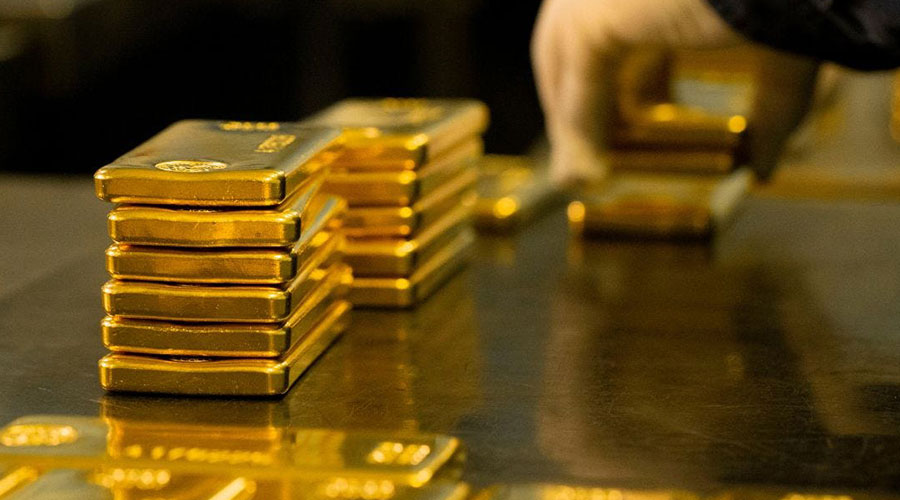
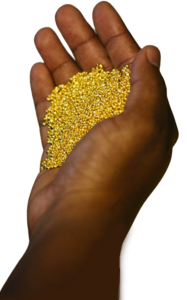
18K gold is 75% pure gold — 18 parts gold out of 24 — alloyed with 25% other metals such as copper, silver, or palladium. It is the global standard for fine jewelry and luxury watches, striking the ideal balance between the richness of pure gold and the durability needed for everyday wearToday, the 18K gold price is $109.49 per gram and $3,407.68 per troy ounce.
If you are buying an engagement ring, a luxury watch, fine jewelry, or an 18K gold bar — or comparing 18K gold against 24K, 22K, and 14K — this complete guide covers everything you need to know.
What Is 18K Gold? — Purity Explained
18K gold means 18 out of 24 parts are pure gold, giving it a gold purity of 75.0%. The remaining 25% is made up of alloy metals — most commonly copper, silver, zinc, palladium, or nickel — added to increase hardness, adjust color, and make the metal more practical for jewelry production.
The hallmark stamp you will find on genuine 18K gold is 750, 18K, or 18KT — indicating 750 parts per 1,000 are pure gold. This is the internationally recognized marking used by jewelers, hallmarking authorities, and customs agencies worldwide.
18K gold contains 75% pure gold (18 parts out of 24), with the remaining 25% composed of alloy metals like silver, copper, and zinc. This composition strikes an ideal balance between the luxurious appearance of pure gold and the practical durability needed for everyday wear.
18K Gold Price Today — Live Rates (May 18, 2026)
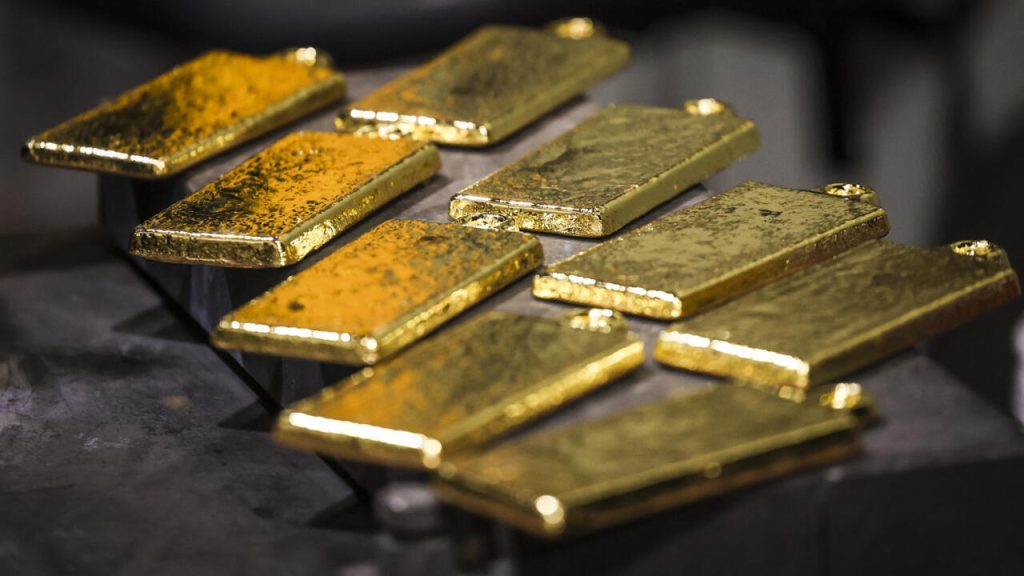
The price of 18K gold today is $109.49 per gram. All prices below are based on the current global gold spot price of $4,523.57 per troy ounce.
| Weight | 18K Gold Price (USD) |
|---|---|
| 1 Gram | $109.49 |
| 5 Grams | $547.45 |
| 10 Grams | $1,094.90 |
| 1 Troy Ounce (31.1g) | $3,405.14 |
| 50 Grams | $5,474.50 |
| 100 Grams | $10,949.00 |
| 1 Kilogram (1,000g) | $109,490.00 |
Note: These are spot-based reference prices. When buying 18K gold jewelry or bars from a dealer, additional premiums apply — typically 5–15% for investment bars, and higher markups for designer jewelry to cover craftsmanship, brand, and retail costs. Always confirm live rates before purchasing.
18K Gold Price vs. 24K and 22K Gold — Side by Side
| Karat | Purity | Price per Gram (USD) | Price per Kg (USD) |
|---|---|---|---|
| 24K (pure gold) | 99.99% | $145.45 | $145,450 |
| 22K | 91.6% | $133.33 | $133,330 |
| 18K | 75.0% | $109.49 | $109,490 |
| 14K | 58.3% | $85.09 | $85,090 |
| 10K | 41.7% | $60.65 | $60,650 |
The 18K price is always exactly 75% of the 24K spot price, because 18K gold contains 75% pure gold. The math is straightforward: if 24K gold is $145.45/gram, then 18K gold = $145.45 × 0.75 = $109.09/gram at spot, plus dealer premium.
18K Gold Hallmarks — How to Identify It
Knowing how to read an 18K gold hallmark protects you from overpaying for lower-purity gold or being sold counterfeits.
| Hallmark | Meaning |
|---|---|
| 750 | 18K gold — 75.0% pure gold (most common international stamp) |
| 18K or 18KT | 18 karat gold — used primarily in the US market |
| 18ct or 18C | 18 carat gold — used in the UK, Australia, and most Commonwealth countries |
| Au750 | Gold (Au) at 750 fineness — used in European and Swiss luxury markets |
| P750 or 750P | Plumb gold — confirms exactly 18K with no rounding up |
The 750 stamp is the most reliable marker of genuine 18K gold in international trade. Swiss luxury watch brands — including Rolex, Patek Philippe, and Cartier — use the 750 hallmark on their gold cases and bracelets.
What Is 18K Gold Made Of? — Alloy Composition
The 25% alloy content in 18K gold is not fixed. Different jewelers and manufacturers use different metal combinations to achieve specific properties — most importantly, color. The alloy chosen changes both the appearance and the physical characteristics of the finished piece.
18K Yellow Gold — The classic. Typically alloyed with silver and copper in roughly equal proportions. The result is a warm, rich yellow that closely resembles pure 24K gold in appearance. Yellow gold is the traditional choice for engagement rings, chains, and fine jewelry.
18K White Gold — Made by alloying pure gold with white metals — primarily palladium, silver, or nickel — to produce a silvery-white appearance. White 18K gold may contain nickel or other alloying metals, which those with specific metal sensitivities should be aware of. White gold jewelry is typically finished with a rhodium plating that gives it a bright, mirror-like shine. Over time, the rhodium layer can wear off and the piece will need replating.
18K Rose Gold — Produced by increasing the copper content of the alloy (typically 20–25% copper, with 5% silver). The copper gives it its characteristic warm pink-to-red hue. Rose gold has surged in popularity over the past decade for engagement rings and watches. It is the most durable of the 18K alloys because copper is a hard metal.
18K Green Gold — A rare variant created by alloying gold with silver and sometimes cadmium, producing a greenish tint. Used primarily in specialist art jewelry and rarely seen in mainstream retail.
Physical Properties of 18K Gold
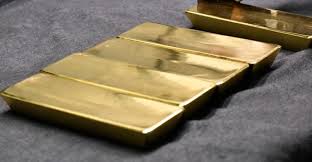
Color — 18K yellow gold has a deep, warm yellow color very close to pure gold, noticeably richer than 14K or 10K. The exact shade depends on the alloy composition. White and rose gold variants are produced by adjusting the alloy metals.
Hardness — 18K gold rates approximately 2.75 on the Mohs hardness scale, slightly harder than 24K gold (2.5) but softer than 14K gold (3–4). Because 18K gold is 75% pure gold mixed with 25% other metals like copper and silver, those alloys give it impressive strength, making it perfectly suitable for daily use.
Tarnish resistance — 18K gold is highly resistant to tarnishing due to its high gold content (75%). However, the 25% alloy metals can occasionally react with chemicals, perspiration, or environmental factors. With regular cleaning it will maintain its luster for generations.
Hypoallergenic properties — Skin irritation from jewelry is often caused by the nickel and other metals used in lower-karat gold alloys. Because 18K gold has a high amount of pure gold, it is much less likely to cause skin irritation, making it a great hypoallergenic choice. The exception is 18K white gold that contains nickel — allergy-sensitive buyers should request nickel-free 18K white gold alloyed with palladium instead.
Malleability — 18K gold is malleable enough for intricate jewelry craftsmanship — stone settings, filigree work, engraving — while being durable enough to hold its shape under normal wear.
Density — The density of 18K gold varies slightly by alloy composition, typically ranging from 15.5 to 17.0 g/cm³, compared to 19.3 g/cm³ for pure 24K gold. This is one way experts can distinguish 18K from 24K gold physically.
18K Gold vs. 24K, 22K, and 14K — Which Should You Choose?
This is the most common question buyers face. The right answer depends entirely on what you need the gold for.
18K Gold vs. 24K Gold
24K gold is 99.99% pure and is the investment standard — ideal for gold bars, bullion, and wealth preservation. It is too soft for jewelry worn daily. 18K gold contains 25% alloy metals, making it significantly more durable and far better suited to rings, bracelets, and necklaces that will be worn and handled.
24K gold is 100% pure gold, making it very soft and unsuitable for jewelry that will be worn regularly. 18K gold contains 75% pure gold mixed with 25% other metals, creating a durable alloy perfect for fine jewelry while maintaining significant gold content and value.
Price difference: 18K gold costs approximately 25% less per gram than 24K gold, directly proportional to the lower gold content.
18K Gold vs. 22K Gold
22K gold (91.6% pure) is predominantly used for bullion coins (such as the South African Krugerrand) and is popular in South Asian and Middle Eastern jewelry markets.
It is softer than 18K gold but higher in gold content. For Western fine jewelry — particularly pieces with gemstone settings that require precise metalwork — 18K is the professional standard because it holds prongs and settings more securely.
18K Gold vs. 14K Gold
14K gold (58.3% pure) is harder, more scratch-resistant, and cheaper per gram than 18K. 18K gold contains 75% pure gold, which means it is more valuable and less likely to fade or tarnish.
It is also highly hypoallergenic and an overall good investment as a luxury item. 14K gold is the standard for everyday jewelry in the US market; 18K is the standard for luxury, fine, and high-end jewelry globally.
The rule of thumb: If durability and budget are the priority, choose 14K. If gold richness, prestige, hypoallergenic properties, and long-term value retention matter more, choose 18K. For pure investment and maximum gold value per dollar, choose 24K.
Common Uses of 18K Gold
Fine Jewelry
18K gold is the material of choice for the world’s leading luxury jewelry houses — including Cartier, Tiffany & Co., Bulgari, Van Cleef & Arpels, and Harry Winston. Their rings, necklaces, bracelets, and earrings are almost universally crafted in 18K yellow, white, or rose gold because it offers the best combination of gold richness, workability, and longevity for high-value pieces.
Engagement rings — 18K gold is one of the most popular choices for engagement ring settings, particularly in white gold. For buyers seeking fine jewelry that combines lasting value with everyday wearability, 18K gold offers distinct advantages.
Wedding bands — Widely used for both yellow and white gold wedding bands, offering a premium look and feel that holds up to daily wear.
Chains and necklaces — 18K gold chains have a heavier, more substantial feel than 14K equivalents and a richer color, making them popular in both everyday wear and investment-grade jewelry.
Earrings and pendants — For pieces that sit close to the skin, 18K gold’s hypoallergenic properties make it particularly well-suited, especially for ear piercings.
Luxury Watches
The vast majority of luxury gold watches in the world use 18K gold. Rolex’s Everose gold (a proprietary 18K rose gold alloy), Patek Philippe’s cases and bracelets, and the cases of Audemars Piguet’s Royal Oak Offshore — all are 18K. The 750 hallmark is stamped on the caseback of every genuine 18K gold luxury watch.
Gemstone Settings
18K gold is the preferred metal for precious gemstone settings — diamonds, rubies, sapphires, and emeralds — because it is hard enough to hold prongs securely without the risk of them bending and releasing the stone, while still being workable enough for the complex setting techniques high-end jewelry requires.
Investment Bars and Coins
While 24K gold bars are the investment standard, 18K gold bars are available and used by certain investors and jewelry manufacturers who need a pre-alloyed gold input.
Some investors in markets where 18K is the dominant jewelry standard also buy and resell 18K gold by weight as a form of wealth storage. Buy Gold Bars Africa Limited supplies 18K gold bars for buyers in Africa and internationally, with full assay certification.
Is 18K Gold a Good Investment?
18K gold occupies a different investment category from 24K gold. Here is an honest assessment:
Value retention — Because 18K gold is 75% pure gold, its intrinsic value tracks the gold spot price at 75 cents per dollar of 24K gold. A piece of 18K gold jewelry bought at close to spot value will retain and gain value as gold prices rise.
The premium problem — Most 18K gold jewelry is sold with significant craftsmanship, brand, and retail markups — sometimes 200–400% above the metal’s intrinsic value. This markup does not recover at resale. When you sell a piece of 18K jewelry to a gold buyer or scrap dealer, you will typically receive 70–80% of the metal’s spot value, not what you originally paid.
Best investment approach for 18K gold — If investing, buy 18K gold bars or certified 18K gold pieces priced close to metal weight (as is common in Asian and Middle Eastern gold markets). Avoid paying large brand premiums if your primary goal is wealth preservation. For pure investment, 24K gold bars offer better value per dollar.
Heirloom and luxury value — 18K gold jewelry from prestigious makers holds its value better than generic pieces because of collectability, brand recognition, and craftsmanship. A vintage Cartier 18K gold piece, for example, may command a premium above spot value at resale.
Due to its higher gold content, 18K gold retains value better over time than lower karat options.
How to Verify 18K Gold Authenticity
Check the hallmark — Look for the 750 stamp (or 18K / 18ct) inside rings, on clasps of necklaces, or on the caseback of watches. This is the first and most important check.
XRF testing — An X-ray fluorescence (XRF) machine provides an instant, non-destructive purity reading. Any reputable gold dealer, including Buy Gold Bars Africa Limited, can perform on-the-spot XRF testing.
Acid test — Nitric acid will react with the alloy metals in 18K gold but not dissolve it, producing a faint reaction. A piece that dissolves entirely is likely not gold at all. This test requires skill to interpret correctly.
Density test — 18K yellow gold has a density of approximately 15.5–16.0 g/cm³. A significantly lower density indicates the piece may be gold-plated or counterfeit.
Magnet test — Gold is not magnetic. If a piece is strongly attracted to a magnet, it is not genuine gold. Note: this test only rules out obviously fake pieces — some base metals used in counterfeits are also non-magnetic.
Professional assay — For high-value purchases, request a third-party assay certificate confirming the karat purity, weight, and composition of the piece. Always insist on assay documentation when buying 18K gold bars.
18K Gold Care and Maintenance
18K gold is durable but benefits from basic care to maintain its appearance over decades of wear.
Cleaning — Soak in warm water with a few drops of mild dish soap for 10–15 minutes, then gently brush with a soft toothbrush, rinse, and dry with a lint-free cloth. Avoid ultrasonic cleaners for pieces set with delicate gemstones.
Storage — Store separately from other jewelry to prevent scratching. Use soft pouches or individual compartments in a jewelry box. The alloy metals in 18K gold can scratch softer stones and other metals if stored together.
Avoid chemicals — Remove 18K gold jewelry before swimming in chlorinated pools, applying perfume or hairspray, or using cleaning products. Chlorine can weaken and discolor gold alloys over time.
White gold replating — 18K white gold is typically rhodium-plated to enhance its brightness. The rhodium layer wears off over time (usually 1–3 years with regular wear) and the piece will need replating by a jeweler to restore its white finish.
Professional cleaning — Have fine 18K pieces professionally cleaned and inspected by a jeweler once a year to check for loose settings, worn prongs, and surface damage.
18K Gold Around the World — Regional Preferences
Gold purity preferences vary significantly by region, and understanding this matters if you are buying gold internationally or for export.
Europe and the Americas — 18K gold dominates the fine jewelry market. The luxury brands of France, Italy, Switzerland, and the US all work primarily in 18K.
Middle East — The Gulf markets (UAE, Saudi Arabia, Kuwait) trade extensively in 21K and 22K gold, though 18K is widely available in international jewelry stores.
South Asia (India, Pakistan, Bangladesh) — 22K gold is the traditional standard for bridal jewelry. 18K is used for modern, international-style fine jewelry.
East Asia (China, Vietnam, Thailand) — 24K gold is the cultural preference, particularly for investment jewelry. 18K is used for international-style luxury pieces and watches.
Africa — Both 18K and 22K gold are common in local jewelry markets. For investment-grade gold bars traded by dealers like Buy Gold Bars Africa Limited, 24K is the standard, with 18K available for jewelry manufacturers and regional buyers.
Buying 18K Gold — What to Know Before You Purchase
From a jeweler — Always check the 750 hallmark and request a certificate of authenticity for significant purchases. Compare the price to the current 18K spot price per gram to understand how much you are paying for craftsmanship versus gold content.
18K gold bars from a dealer — When buying 18K gold bars for investment purposes, insist on a third-party assay certificate, a visible 750 hallmark, and a clear link between the asking price and the current spot price. Buy Gold Bars Africa Limited supplies certified 18K gold bars from South Africa and Uganda with full documentation and export support for international buyers.
Online purchases — Only buy from dealers with verifiable physical addresses, government registration, and transparent return and authentication policies. Request XRF test results or assay certificates before paying for significant quantities.
Scrap gold — If buying 18K scrap gold (broken jewelry, off-cuts), always test purity independently before agreeing on a price. Scrap dealers will pay 70–80% of the spot metal value at most.
FAQs About 18K Gold
What does 18K gold mean? 18K gold means the metal is 75% pure gold — 18 parts out of 24 are gold, with 6 parts being alloy metals. It is stamped with the hallmark 750, 18K, or 18ct.
Is 18K gold real gold? Yes. 18K gold is absolutely real gold. It contains 75% pure gold by weight. The remaining 25% is other metals added to increase durability and modify color. It is a genuine, valuable precious metal.
Is 18K gold better than 14K gold? For luxury value, gold richness, and hypoallergenic properties — yes. 18K gold has higher gold content (75% vs 58.3%), a deeper color, is less likely to cause skin reactions, and retains more intrinsic value. 14K gold is harder and more scratch-resistant, making it more suitable for active lifestyles.
Does 18K gold tarnish? 18K gold is highly resistant to tarnishing due to its 75% gold content. It will not rust or corrode, but the 25% alloy metals can occasionally discolor if exposed to harsh chemicals, chlorine, or heavy perspiration over time. Regular cleaning prevents this.
Can I wear 18K gold every day? Yes. 18K gold is suitable for everyday wear, offering a good balance between durability and luxury. While not as hard as 14K gold, it is still resilient enough for daily use with proper care.
What is the price of 18K gold per gram today? As of May 18, 2026, the 18K gold price is approximately $109.49 per gram. Prices update daily based on the global gold spot price.
How can I tell if something is 18K gold? Look for the 750, 18K, or 18ct stamp on the piece. For certainty, use XRF testing or request an assay certificate. The acid test and density test can also be used as quick verification methods.
Where can I buy certified 18K gold bars in Africa? Buy Gold Bars Africa Limited supplies certified 18K gold bars from South Africa and Uganda, with assay certificates and international shipping. Contact them at buygoldbarsafrica.com.
What is the difference between 18K and 750 gold? They are exactly the same thing. 750 is the fineness marking (750 parts per 1,000 are pure gold), and 18K is the karat marking (18 parts out of 24 are pure gold). Both indicate 75% gold purity