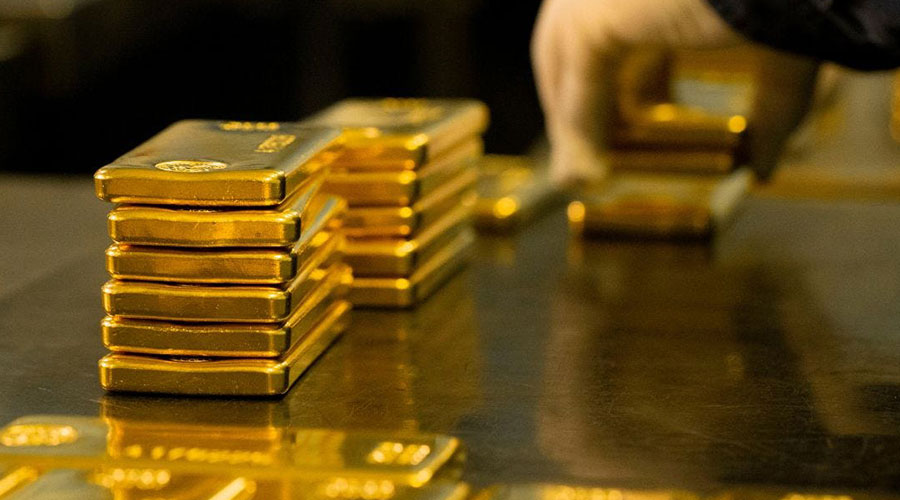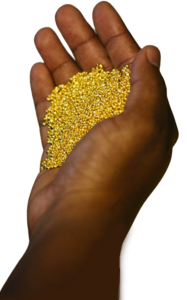
Cheapest Gold Bullion: Best Place to Buy Gold Bars & Bullion
The cheapest places to buy gold bars in the world are Uganda, Hong Kong, Dubai (UAE), and Singapore — countries where low or zero import duties, proximity to mining sources, and competitive dealer networks push gold bullion prices significantly below what buyers pay in the USA, UK, or Europe.
investors buying directly from African source countries like Uganda, Ghana, or the DRC, prices can sit as low as 1–3% above the global spot price — compared to premiums of 5–10% or more at Western dealers and retail banks.
This guide covers every major market where gold bullion is cheapest, why African gold offers unmatched value for bulk investors, how to buy safely online, and what mistakes to avoid when searching for the lowest gold bar prices worldwide.
Why Gold Prices Vary So Much Between Countries
Before comparing the cheapest countries to buy gold bullion, it helps to understand why the same troy ounce of gold costs dramatically different amounts depending on where you buy it.
The international gold spot price — set by the London Bullion Market Association (LBMA) and traded 24 hours a day — is the global baseline. Every dealer in every country starts from that number.
What varies is everything added on top: import duties, VAT and sales tax, dealer premiums and markups, currency conversion costs, storage and insurance in transit, and branding premiums charged by well-known mints and refineries.
In countries with no import duty on gold, no VAT on investment gold, and direct access to mine supply, those additional costs are minimal. In countries where gold must be imported, taxed, rebranded, and distributed through multiple intermediaries before reaching a retail buyer, the premium over spot can reach 10–15%. That difference, compounded across a 10 kg purchase, represents tens of thousands of dollars — which is why serious investors pay close attention to where they source their gold bullion.
The Cheapest Countries to Buy Gold Bars in the World
Uganda — Cheapest Raw Gold and Gold Nuggets in Africa
Uganda is consistently one of the cheapest places in the world to buy raw gold, gold nuggets, and unrefined gold bars. The reason is structural: Uganda sits at the intersection of three of Africa’s most productive informal gold supply chains — its own domestic production, imports from the Democratic Republic of Congo, and supply flows from South Sudan.
As of 2022, Uganda announced over 31 million additional tonnes of confirmed gold reserves, cementing its position as one of East Africa’s most significant gold sources. However, the country’s real price advantage comes not just from domestic production but from its role as a regional gold trading hub.
Because infrastructure in neighbouring DRC and South Sudan is underdeveloped, miners in those countries often transport their gold overland to Kampala — Uganda’s capital — where established dealer networks and physical markets provide a reliable buyer base.
Artisanal and small-scale miners across Uganda also sell directly to local dealers at prices that reflect the mine-gate cost rather than the retail market premium. For international buyers who can access Kampala’s gold market through a licensed exporter, the effective purchase price for 22K–24K gold nuggets and bars can sit 10–20% below equivalent products sold in Dubai, Singapore, or London.
The key caveat: Uganda’s gold market requires working with a licensed, regulated exporter. Unverified sellers and informal transactions carry significant fraud risk, and all gold exports require proper documentation under Uganda’s Mining Act.
Hong Kong — Cheapest Gold Bars in Asia
Hong Kong is the cheapest place to buy gold bars in Asia and one of the lowest-cost gold markets globally for retail and institutional investors. The city imposes zero import duty on gold and no VAT or GST on gold bullion purchases, creating a genuinely tax-free gold buying environment that Singapore comes close to matching but rarely beats on dealer competition.
Hong Kong’s gold market is deep and liquid. The Chinese Gold and Silver Exchange Society — one of the oldest gold exchanges in the world — operates alongside major banks like Hang Seng, which offers a range of gold bullion bar options directly to retail customers at competitive premiums.
The density of competing dealers, jewellers, and bank gold programmes in Hong Kong keeps dealer margins thin and prices sharp.
For investors based in East or Southeast Asia, Hong Kong represents the most accessible and competitively priced physical gold market outside of mainland China. Premiums over spot for LBMA-standard gold bars typically run 1–3%, comparable to buying directly from large European refineries but without the VAT burden.
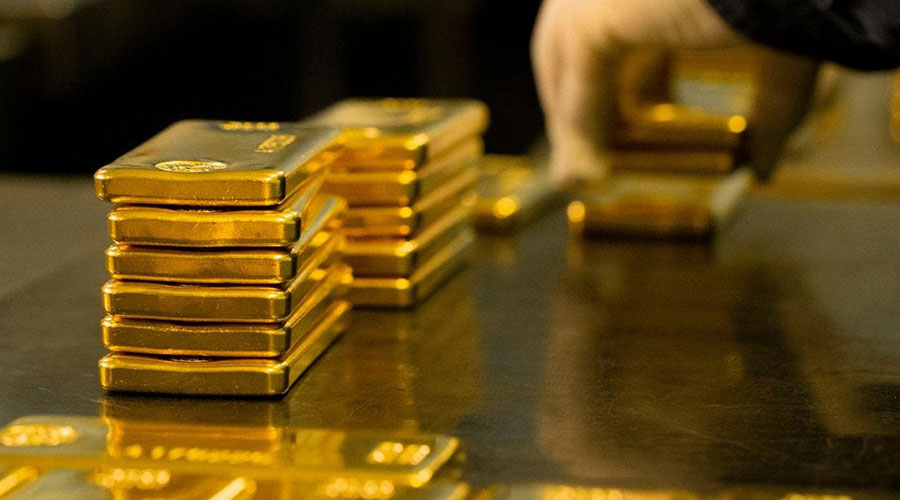
Dubai, UAE — Tax-Free Gold and the World’s Most Competitive Bullion Market
Dubai is arguably the world’s most famous gold trading destination, and for good reason: the UAE imposes no income tax, no capital gains tax on gold, and offers extremely competitive dealer premiums in both the Dubai Gold Souk and the DMCC (Dubai Multi Commodities Centre) free zone ecosystem.
Gold bars in Dubai are priced daily by the Dubai Gold and Jewellery Group, with rates displayed publicly across the Gold Souk. Premiums over the international spot price for investment-grade gold bars (1 oz, 100g, 1 kg) typically range from 4–6% at retail level — higher than buying direct from African source countries, but significantly cheaper than comparable products in the USA or Europe.
Dubai is also the world’s largest re-export hub for African gold. A significant portion of gold mined in Uganda, DRC, Ghana, and Sudan passes through UAE refineries before reaching global markets — which is why investors who want to buy already-refined, LBMA-certified gold bars at competitive prices consistently look to Dubai as their first option outside of direct African sourcing.
Singapore — Zero GST on Investment Gold
Singapore eliminated GST (Goods and Services Tax) on investment-grade gold in 2012, making it the most tax-efficient gold buying environment in Southeast Asia.
The Monetary Authority of Singapore (MAS) classifies gold bars of 99.5% purity and above as exempt from GST, meaning buyers pay no consumption tax on standard bullion purchases.
Singapore’s gold dealers — including BullionStar, The Singapore Mint, and major international banks — operate in a highly competitive, regulated environment.
For investors in the Asia-Pacific region who want LBMA-certified gold bars with reliable delivery infrastructure and strong legal protections, Singapore offers gold bullion prices that are consistently among the lowest in the developed world.
India — Large Market, Higher Consumer Prices
India is the world’s second-largest consumer of gold by volume, but it is not one of the cheapest places to buy gold bars for investment. India levies a 10% import duty on gold plus a 3% GST, which pushes retail gold prices significantly above international spot.
Despite this, India’s sheer market size and cultural appetite for gold mean prices are transparent and liquid — buyers simply pay more per gram than they would in Hong Kong or Dubai.
United States — Accessible but Premium-Heavy
The USA offers a wide range of gold bullion products through dealers like APMEX, JM Bullion, and the US Mint, as well as bank custodial services and ETF-linked accounts.
However, buying physical gold bars in the USA carries premiums of 5–8% over spot for standard products, plus state sales tax in some jurisdictions.
For Americans buying gold purely for investment value rather than convenience, sourcing from tax-free jurisdictions like Hong Kong or Dubai — or directly from African exporters — delivers meaningfully lower landed costs.
United Kingdom — The Royal Mint and VAT-Exempt Bullion
The UK exempts investment gold from VAT under legislation inherited from EU directives, making physical gold bar purchases VAT-free for UK investors.
The Royal Mint is the primary institutional source for gold bullion bars in the UK, offering products ranging from 1g to 400 oz. Dealer premiums for Royal Mint gold typically run 4–7% over spot, reflecting the mint’s brand premium and domestic distribution costs.
Germany and Europe — VAT Applies to Some Products
Germany and much of continental Europe applies VAT exemptions to investment gold bars (99.5%+ purity) and investment gold coins (post-1800, 99% purity). However, gold jewellery and non-investment gold products attract VAT at the standard local rate, which ranges from 19% in Germany to 25% in Scandinavia. For European investors buying standard bullion bars, VAT is not an issue — but the dealer network is thinner than in Dubai or Hong Kong, and premiums reflect that reduced competition.
African Gold vs. Dubai, USA, and Europe: Price Comparison
For investors who want to understand exactly how much cheaper African gold is compared to other major markets, here is a clear premium-over-spot comparison for investment-grade gold bullion:
| Source Market | Typical Premium Over LBMA Spot | Notes |
|---|---|---|
| Direct from African miners (Uganda, DRC, Ghana) | 1–3% | Raw/unrefined; requires export processing |
| Hong Kong dealer | 1–3% | Refined bars, zero import duty |
| Singapore dealer | 2–4% | LBMA bars, zero GST |
| Dubai Gold Souk | 4–6% | LBMA bars, tax-free environment |
| USA online dealers | 5–8% | Plus state sales tax in some states |
| UK (Royal Mint) | 4–7% | VAT-exempt on investment gold |
| Germany / Europe | 5–10% | VAT-exempt on bars; higher dealer margins |
| India | 12–15% | 10% import duty + 3% GST |
The price advantage of sourcing gold directly from Africa is most pronounced for buyers who purchase in bulk (10 kg+) and can manage the export documentation and logistics process — or work with a licensed exporter who handles it on their behalf.
Why African Gold Bullion Is Genuinely Cheaper
The lower cost of African gold is not a marketing claim — it is a function of supply chain economics that any serious gold investor should understand:
Proximity to mine supply eliminates distribution layers. In Western markets, gold passes through a miner, a primary refinery, a secondary distributor, a national wholesaler, and a retail dealer before reaching a buyer. Each step adds cost. Buying through a licensed African exporter collapses that chain to two steps: miner to exporter, exporter to buyer.
Lower labour and operational costs reduce production expenses. Artisanal and small-scale mining in Uganda, DRC, and Ghana operates at labour costs a fraction of those in Australia, Canada, or South Africa’s large industrial mines. That cost advantage is partially passed through in the mine-gate price.
No brand premium. Gold bars from the Perth Mint, Royal Mint, or PAMP Suisse carry a brand premium of 2–5% over generic bullion of identical purity. African raw gold carries no brand premium — buyers pay for the metal, not the marketing.
No retail overhead. African licensed exporters operate without the retail showrooms, insurance vaults, and marketing budgets of Western bullion dealers. Their operating costs are lower, and their margins reflect that.
Understanding Gold Purity When Buying Bullion
Whether you are buying in Kampala, Hong Kong, or online, understanding gold purity standards protects you from paying investment-grade prices for lower-grade product.
24K gold (99.9%+ purity) is the global standard for investment gold bars, gold ETFs, and central bank reserves. This is the purity level required for LBMA Good Delivery certification — the benchmark for institutional gold trading.
22K gold (91.6% purity) is widely used in jewellery manufacturing across India, the Middle East, and East Africa. Natural gold nuggets from Uganda and the DRC often test at 22K–24K depending on the region and deposit type. For buyers sourcing raw gold for refining, 22K is entirely acceptable — the refining process brings it to 24K.
18K gold (75% purity) is primarily a jewellery standard and is not suitable for investment bullion purchases.
When buying gold bullion anywhere in the world, always request an assay certificate from an internationally accredited laboratory confirming the purity, weight, and declared value of your purchase. In African source countries, CEEC (DRC) or Uganda Minerals and Mining (Uganda) certifications serve this function for export-compliant gold.
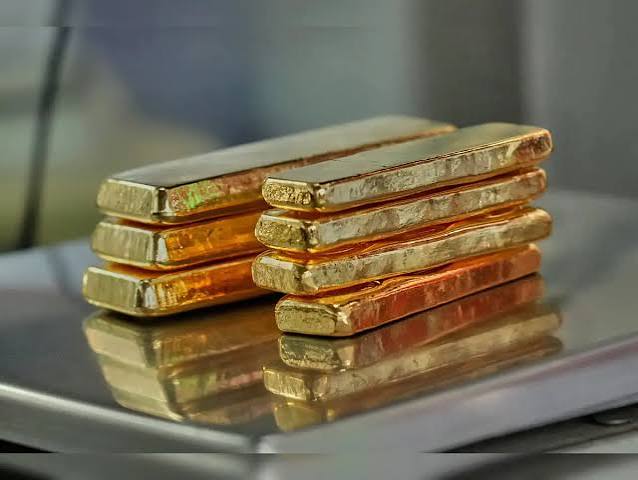
How to Safely Buy Gold Bullion Online from Africa
Buying gold online from Africa is safe when done correctly. The process followed by reputable licensed exporters like Buy Gold Bars Africa Ltd works as follows:
Step 1 — Request a Quotation: Contact the exporter with your required quantity, purity (22K or 24K), and destination country. A legitimate exporter provides a written quotation tied to the current LBMA spot price — never a fixed price disconnected from the live market.
Step 2 — Verify Licences and Certifications: Request the exporter’s mining authority export licence, proof of CEEC or equivalent certification, and company registration documents. Cross-check licence numbers with the issuing government authority.
Step 3 — Sign a Sales and Purchase Agreement (SPA): All legitimate gold transactions are governed by a signed SPA covering quantity, purity, price, payment terms, delivery timeline, and dispute resolution. Never proceed without a signed agreement.
Step 4 — Independent Assay and Inspection: Before final payment, arrange for third-party XRF or fire assay testing — either at the exporter’s location or at an independent laboratory in Uganda, Kenya, Dubai, or your home country.
Step 5 — Secure Payment: Use bank wire transfer (SWIFT), letter of credit (LC), or licensed escrow service. Never pay through untraceable channels (cryptocurrency, informal transfers, or cash to unknown third parties).
Step 6 — Insured Shipment: Confirm that your consignment is shipped via an insured, specialist armoured logistics provider (Brinks, G4S, or Trans Guard) with full tracking and customs documentation.
Top Mistakes to Avoid When Buying Cheap Gold Bullion
The search for the cheapest gold bars in the world attracts a disproportionate number of scams. Here are the mistakes that cost investors money — sometimes everything:
Buying from unverified sellers: Any seller who cannot produce a valid export licence, assay certificate, and company registration document is operating outside legal channels. Walk away.
Paying in full before inspection: Legitimate exporters facilitate independent testing before the buyer commits full payment. Anyone demanding 100% upfront payment before inspection is a fraud risk.
Ignoring the documentation: Export permits, certificates of origin, and assay reports are not paperwork formalities — they are your legal protection against seizure, fraud, and customs violations at the destination.
Choosing price over verification: The cheapest quoted price in the market is often bait for a scam. The correct approach is to verify the supplier first, then negotiate the price — not to chase the lowest number and hope for the best.
Skipping legal advice on import regulations: Importing gold bars into your country may require import licences, customs declarations, and tax filings. Failure to comply can result in seizure of your gold at customs. Always check your destination country’s import requirements before purchasing.
How to Compare Gold Bar Prices Across Different Countries
For investors actively comparing gold prices between countries, here is a practical framework:
Start with the LBMA spot price as your baseline — this is updated every trading day and is the reference point every legitimate dealer uses.
Calculate the total landed cost, not just the quoted per-gram price. Add the dealer’s premium over spot, import duty at your destination, VAT (if applicable), shipping and insurance, and any currency conversion costs if buying in a foreign currency.
Compare on a per-gram or per-troy-ounce basis after all costs are included. A gold bar quoted at 2% over spot in Hong Kong may be cheaper total than one quoted at 1% over spot in Uganda once you factor in additional shipping costs to your specific destination.
Account for purity differences. A 22K African gold nugget at $80/gram is not directly comparable to a 24K refined bar at $105/gram. Adjust for purity to compare like-for-like metal content.
Verify delivery timeline and logistics. A competitive price that requires 30 days delivery and carries seizure risk at customs is less valuable than a slightly higher price with reliable 10-day delivery and full documentation.
Best Gold Bar Sizes for Value: What Investors Should Buy
Not all gold bar sizes offer the same value per gram. Understanding how bar size affects your effective purchase price helps you maximise return, wherever you buy:
1 kg gold bars offer the best balance of value and liquidity for most serious investors. Premiums over spot for 1 kg bars are typically 1–3% — lower than smaller sizes because production and handling costs are spread over more metal. 1 kg bars are also the standard unit for international trade between exporters, refineries, and institutional buyers.
100g gold bars are a practical entry point for investors who want investment-grade bullion without committing to a 1 kg purchase. Premiums run slightly higher (2–4%) but remain reasonable, and 100g bars are more liquid in most retail markets than kilo bars.
1 oz gold bars and coins carry the highest premiums (4–8%) because of their relatively high production cost per gram. They are, however, the most universally liquid gold product globally — a 1 oz Krugerrand or American Gold Eagle can be sold in almost any country with minimal friction.
10 kg and above (bulk purchases) — available through licensed African exporters and DMCC-accredited Dubai dealers — attract the lowest premiums and are the domain of institutional buyers, refineries, and high-net-worth investors who prioritise cost efficiency over liquidity.
FAQs: Cheapest Place to Buy Gold Bars
Where is the absolute cheapest place to buy gold bars in the world?
For refined, investment-grade gold bars, Hong Kong and Singapore consistently offer the lowest prices among established markets — typically 1–3% over spot with zero import duty. For raw gold and gold nuggets sourced directly from mines, Uganda and the DRC offer the lowest effective prices, sometimes at or below 2% over spot for bulk buyers working directly with licensed exporters.
Why is gold cheaper in Uganda than in Dubai or London?
Uganda’s price advantage comes from direct access to mine-gate supply from domestic production plus informal imports from DRC and South Sudan, lower dealer operating costs, and the absence of the branding and distribution premiums added by Western refinery supply chains.
Is it safe to buy gold bullion from Africa online?
Yes, with the right due diligence. Work only with exporters who provide a valid government-issued export licence, CEEC or equivalent assay certification, a signed Sales and Purchase Agreement, and independent testing before final payment. Avoid any seller who cannot produce all four.
What is the cheapest gold bar size to buy?
By value per gram, larger bars (1 kg and above) carry the lowest premiums over spot price. For most private investors, 100g or 1 kg bars represent the best combination of low premium and practical liquidity.
Do I pay tax on gold bars bought in Dubai?
No. The UAE does not levy VAT on investment gold purchases, and there is no capital gains tax on gold in Dubai. Import duties also do not apply to gold traded within DMCC free zones.
Can I import gold bars bought in Africa into the USA, UK, or EU?
Yes, but you must comply with your destination country’s import regulations. This typically means declaring the gold to customs, paying applicable import duties (the USA and EU both have specific gold import rules), and providing documentation including a certificate of origin and assay report. Always check current import regulations with a customs broker before purchasing.
What documents do I need to buy gold bars from another country?
You will need identity verification (passport), proof of funds for large transactions, a signed Sales and Purchase Agreement, assay and purity certificate, certificate of origin, and the exporter’s valid export licence. Your destination country may additionally require an import licence and customs declaration form.
How do I avoid gold scams when looking for the cheapest gold price?
Only buy from exporters with verifiable government-issued licences. Insist on independent assay testing before full payment. Use a letter of credit or licensed escrow for payment — never informal wire transfers to personal accounts. If a price seems too far below market to be credible, it is almost certainly a scam.
The cheapest place to buy gold bars ultimately depends on what you are buying, how much you are buying, and where you need it delivered. For refined, branded bullion bars with immediate liquidity, Hong Kong and Singapore lead on price. For raw gold and gold nuggets sourced direct from mine supply at the lowest possible cost per gram, Uganda and the Democratic Republic of Congo — accessed through a licensed, verified exporter — offer margins unavailable anywhere else in the world.
Contact Buy Gold Bars Africa Ltd today for a real-time quotation on investment-grade African gold bullion, delivered securely to your destination with full export documentation and independent assay certification.