Buying Gold from the DRC Locals: Complete 2026 Guide 

Safe Step-by-Step Process | Legal Requirements | Current Gold Prices in Congo  

Buying Gold from the DRC Locals: Learn how to buy gold from local sellers in the Democratic Republic of Congo (DRC), including sourcing methods, pricing, due diligence, legal requirements, and best practices for secure gold transactions.

Quick Answer: Is It Safe to Buy Gold from DRC Locals in 2026?

Yes — buying gold from DRC locals is legal, safe, and profitable when you follow these five rules:

✅  1. Verify the seller holds a valid Ministry of Mines trading or mining licence

✅  2. Confirm gold purity with an assay certificate from an accredited DRC government lab

✅  3. Sign a notarised Sales & Purchase Agreement (SPA) before any money changes hands

✅  4. Pay via bank transfer or licensed escrow — never in cash for amounts above $5,000

✅  5. Obtain all export documentation: Ministry of Mines permit, customs declaration, ICGLR conflict-free cert, tax receipts

Current DRC gold price (June 2026): $128–$130 per gram ($128,000–$130,000/kg for 24K bars) — one of the most competitive prices in Africa, approximately $5,000–$7,000/kg below the London LBMA spot price.

Why Buying Gold from the DRC Locals Is a Smart Investment Move

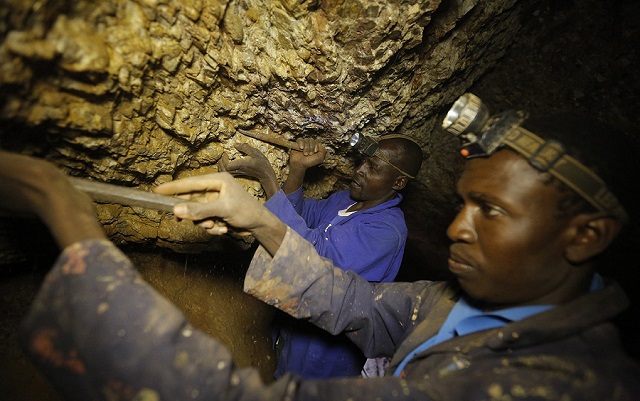
The Democratic Republic of Congo is one of the most significant gold-producing countries in Africa, with its eastern provinces — North Kivu, South Kivu, Ituri, and Maniema — sitting atop some of the world’s richest artisanal gold belts.

For serious investors, refineries, and commodity traders who want to buy gold bars directly from Congo at prices meaningfully below the international spot price, sourcing gold directly from DRC local miners and licensed Congolese gold dealers offers a genuine competitive advantage over buying through intermediaries in Dubai, London, or Singapore.

In June 2026, with gold prices at historically elevated levels above $4,200 per troy ounce globally, the spread between the DRC local gold price and the LBMA benchmark represents one of the most attractive entry points in the physical gold market.

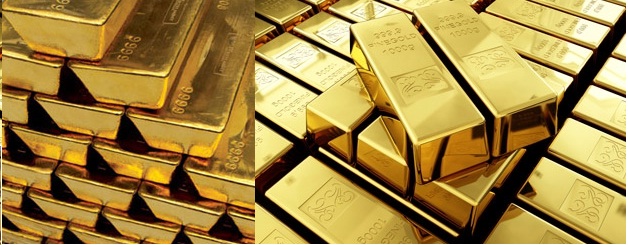
Certified 24K gold bars from eastern Congo trade at approximately $128,000–$130,000 per kilogram — as much as $7,000 below the London spot reference — primarily because buyers access the metal closer to the point of production, cutting out multiple layers of intermediary margin.

This guide covers everything an international buyer needs to know about buying gold from the DRC locals safely and legally: the five-step process, the complete documentation checklist, updated June 2026 prices compared to competing African markets, the best mining regions to source from, the legal and ethical framework, and a full FAQ addressing the most common questions buyers ask.

Importantly, every step is achievable — hundreds of legitimate international gold transactions from Congo are completed every week. The key is knowing exactly how to do it correctly.

Buying Gold from the DRC Locals

5 Steps to Safely Buy Gold from DRC Locals — The Complete Process

Whether you are purchasing a single 1 kg gold bar from a Goma miner or negotiating a monthly supply contract for bulk artisanal gold from South Kivu, the following five steps are non-negotiable for a safe, legal, and dispute-free transaction.

  Step 1    Verify the Miner or Seller’s Legitimacy

This is the single most important step in the entire process and the one that eliminates the vast majority of fraud risk. Before discussing price, weight, or logistics, ask the seller for their Ministry of Mines mining or trading licence and their SAEMAPE registration number. Both are verifiable on official DRC government databases.

If a seller cannot produce a valid licence number within 24 hours of being asked, they are either unlicensed or running a scam — walk away immediately. For high-value transactions, visit the mine or the bonded warehouse in person, or appoint a trusted in-country representative to do so.

Verify that the seller is a genuine primary producer or licensed cooperative member, not a middleman who has purchased gold from a third party without documentation. Working with licensed, recognised gold miners in the DRC is the foundation of legal and ethical gold sourcing from Congo.

 Step 2    Confirm Gold Purity and Authenticity with Certified Assay

Never pay for gold you have not independently verified. Request an assay certificate from an accredited DRC government laboratory — the Centre d’Expertise, d’Évaluation et de Certification (CEEC) is the primary authority — or from an internationally recognised third-party assayer such as SGS, Bureau Veritas, or Alex Stewart.

A legitimate licensed gold seller in Congo will always cooperate with independent assay; a fraudulent one will resist or delay. For 1 kg gold bar purchases from DRC locals, the assay certificate should specify the karat (purity level), exact weight in grams, and the assay date.

Confirm that the purity matches the quoted price — genuine artisanal gold from eastern Congo typically assays at 22K to 24K (91.7%–99.9% pure).

Any discrepancy between the seller’s purity claim and the laboratory result gives you clear legal grounds to renegotiate or withdraw from the transaction.

 Step 3    Draft and Sign a Clear Sales & Purchase Agreement (SPA)

A well-drafted Sales and Purchase Agreement for DRC gold is your legal protection for the entire transaction. The SPA must clearly specify: the exact weight of gold being purchased, the verified purity level, the agreed price in USD (or EUR/GBP), payment terms and milestones, delivery method and timeline, insurance responsibilities, and dispute resolution procedures — ideally under ICC arbitration rules for international transactions. Sign the SPA in the presence of a lawyer or notary.

In Goma and Bukavu, there are established notarial offices familiar with precious metals contracts. For international buyers who cannot travel to the DRC, the SPA can be executed remotely with notarised digital signatures under DRC commercial law. Do not proceed past this step without a fully executed, legally binding agreement — this document is your primary recourse if any dispute arises during the Congo gold purchase process.

  Step 4    Use Secure, Traceable Payment Methods

Cash transactions for gold purchases in the DRC are both legally restricted above certain thresholds and an open invitation to fraud. For any gold purchase above $5,000 from a Congo local seller, use one of the following secure methods: a licensed escrow service (recommended for first-time transactions with a new counterparty), a bank-to-bank wire transfer against a confirmed SWIFT receipt, or a confirmed Letter of Credit (LC) from your bank in favour of the seller’s registered business account.

Structure your payment in milestones aligned with transaction events: a deposit of 10–20% after the assay is confirmed and the SPA signed; the balance upon completion of export documentation and issuance of the airway bill. This milestone payment structure keeps the seller accountable throughout the DRC gold buying process and protects your capital if complications arise.

  Step 5    Secure All Legal Export Documentation

Exporting physical gold from the Democratic Republic of Congo without the correct documentation package will result in confiscation at the border — regardless of how clean the underlying transaction is. The seller is responsible for obtaining most of the documents listed below, but you as the buyer should verify that every item is in place before the gold moves.

A licensed, experienced DRC gold exporter will prepare the complete documentation pack within 48–72 hours of tax payment. If your seller cannot produce all required documents, hire a licensed clearing and forwarding agent registered with the DRC’s Direction Générale des Douanes et Accises (DGDA) to handle the paperwork on your behalf. The cost of professional export compliance is minimal compared to the risk of losing a gold shipment to customs confiscation.

Complete Documentation Required to Buy and Export Gold from Congo

The table below lists every document required for a complete, legally compliant gold export transaction from the DRC. Missing even one of these can cause your shipment to be detained at customs, confiscated, or flagged as a conflict-mineral violation by your destination country.

DocumentIssued ByPurpose
Mining / Trading LicenceMinistry of Mines (DRC)Confirms seller is legally authorised
Sales & Purchase Agreement (SPA)Buyer + Seller (notarised)Legal record of transaction terms
Assay CertificateAccredited government labVerifies gold purity and weight
Export PermitMinistry of Mines (DRC)Authorises cross-border shipment
Customs Declaration (Fiche d’exportation)DRC Customs (DGDA)Required for border clearance
Tax & Royalty Payment ReceiptsDRC GovernmentProof of 3.5–5% royalty + 1% SAEMAPE fee
ICGLR / Conflict-Free CertificateICGLR Regional SecretariatConflict-mineral compliance for EU/USA markets
Insurance CertificateInsurer / Logistics providerCovers gold during international transit
Central Bank (BCC) AuthorisationBanque Centrale du CongoRequired for international payment transactions


Important: All export taxes — typically 3.5–5% royalty plus 1% SAEMAPE fee on the gold’s declared value — must be paid directly to the DRC government, and official receipts must be obtained before the export permit is issued. Never pay taxes through the seller informally.

local price of gold in Congo

DRC Gold Price Compared to Other African Markets — June 2026

One of the most compelling arguments for buying gold directly from Congo locals is the pricing advantage over other markets.

The table below compares current gold prices across major African sourcing markets and the international LBMA benchmark, based on a spot price of $4,203 per troy ounce ($135.14 per gram) as of June 12, 2026. DRC dealer prices reflect typical mine-gate and bonded-warehouse pricing in Goma and Bukavu.


MarketPrice per gram (USD)Price per kg (USD)Key Notes
DRC (Goma/Bukavu)$128 – $130$128,000 – $130,000Mine-direct; lowest premiums in Africa
Uganda (Kampala)$130 – $133$130,000 – $133,000Slightly higher; better road logistics
Ghana (Accra)$131 – $134$131,000 – $134,000High demand; strong regulatory framework
Tanzania (Dar es Salaam)$130 – $132$130,000 – $132,000East Africa hub; LBMA-compliant output
Dubai (UAE)$133 – $136$133,000 – $136,000Includes re-export premiums and VAT
London (LBMA Spot)$135.14$135,138International benchmark (24K, June 2026)

Key insight: Buying certified 24K gold bars directly from licensed DRC local dealers in Goma or Bukavu saves buyers approximately $5,000–$7,000 per kilogram compared to purchasing the equivalent in Dubai — a significant advantage for anyone sourcing more than 10 kg per transaction.

Best Regions and Cities in Congo to Source Gold from Local Miners

Not all gold-producing regions of the DRC are equally accessible or equally safe for international buyers. The following areas are the most established sources of high-quality artisanal and small-scale gold in eastern Congo and the locations where the largest concentrations of licensed miners and cooperative operators are found.

Goma and North Kivu Province — The Primary Export Hub

Goma, the capital of North Kivu Province, is the primary gateway for international gold buyers visiting eastern Congo. The city hosts a large concentration of licensed gold trading companies, government assay offices, and SAEMAPE regional offices.

Bonded gold warehouses in Goma allow buyers to inspect, assay, and hold gold securely before payment is completed. The most active mining areas feeding Goma include Walikale, Lubero, and Beni — all producing high-purity 22K to 24K artisanal gold from primary hard rock and alluvial deposits.

Bukavu and South Kivu Province — Premium Nugget Country

Bukavu, the capital of South Kivu Province, is the second major hub for buying raw gold in eastern Congo. The surrounding mining areas — Mwenga, Shabunda, Kamituga, and Fizi — are particularly known for premium-quality natural gold nuggets from South Kivu that attract specialist jewellers and collectors alongside bulk buyers.

Bukavu hosts an established community of licensed gold cooperatives and has active CEEC and SAEMAPE offices for assay and traceability documentation.

Bunia and Ituri Province — Home of Africa’s Largest Gold Mine

Ituri Province in northeastern Congo hosts the Kibali Gold Mine — Africa’s largest single gold producing operation — alongside extensive artisanal alluvial deposits.

While much of Kibali’s output is sold through formal industrial channels, Bunia-based licensed dealers offer access to artisanal Ituri gold at highly competitive mine-gate prices. Buyers who travel to Bunia should work exclusively with operators holding valid SAEMAPE traceability certificates, as Ituri’s mining history includes periods of conflict-mineral risk.

Kamituga, Shabunda, and Maniema Province — High-Purity Deep Deposits

Maniema Province — particularly the Kamituga and Shabunda areas — is home to some of the highest-grade artisanal gold deposits in the entire DRC. Gold from these areas frequently assays at 95–99% purity without industrial refining, making it particularly attractive for buyers seeking high-purity raw Congo gold for smelting or direct investment.

Access is more logistically challenging than North or South Kivu, but licensed operators in Bukavu routinely source and consolidate Maniema gold for international buyers.

Legal and Ethical Framework for Buying Gold from the DRC

DRC Mining Law and Buyer Obligations

Under the DRC Mining Code (Loi n° 007/2002 and its 2018 amendments), buying or exporting gold from the Congo without holding the appropriate licence — or without purchasing from a licensed operator — is a criminal offence subject to fines, confiscation, and imprisonment.

For international buyers, this means that due diligence on your DRC gold seller’s licences is not optional; it is a legal requirement that protects you from criminal liability in both the DRC and your home jurisdiction.

The DRC government, through SAEMAPE and the Ministry of Mines, maintains a registry of licensed artisanal mining zones, cooperatives, and trading companies.

Any serious Congo gold buyer should request the seller’s SAEMAPE registration number and verify it directly with the agency before proceeding.

Conflict Minerals Compliance — OECD, Dodd-Frank, and EU Regulations

The most complex legal dimension of buying gold from DRC locals is conflict-mineral compliance. Eastern Congo has historically been a source of conflict gold — precious metals whose proceeds fund armed groups and contribute to civilian violence. International regulations require buyers to ensure their Congo-sourced gold does not fall into this category:

  • OECD Due Diligence Guidance for Responsible Supply Chains: The global standard for responsible mineral sourcing from conflict-affected areas. All serious buyers of DRC goldshould follow the OECD’s five-step due diligence framework.
  • US Dodd-Frank Act (Section 1502): Requires US-listed companies to disclose the use of conflict minerals from DRC and adjoining countries in their products. Buyers supplying US manufacturers must ensure their Congo gold is conflict-free certified.
  • EU Conflict Minerals Regulation (2021): European importers of gold (and other tin, tantalum, and tungsten) from conflict-affected areas must comply with supply chain due diligence obligations and declare compliance to EU member state authorities.
  • ICGLR Regional Certification Mechanism: The International Conference on the Great Lakes Region certification scheme provides region-specific conflict-free certification for gold from DRC, Rwanda, Burundi, Uganda, and Tanzania. ICGLR certificates are the most widely recognised compliance document for buyers importing artisanal Congo goldinto European and Asian markets.

Working with a licensed dealer such as Gold Bar Suppliers Ltd in Goma or Bukavu — which maintains ICGLR certification for its supply chain — eliminates your conflict-mineral compliance burden entirely, as the dealer’s documentation stack covers all OECD, Dodd-Frank, and EU requirements.

Risks and Scams When Buying Gold from DRC Locals — How to Protect Yourself

The DRC gold buying scam landscape is unfortunately active, and fraudsters specifically target first-time international buyers unfamiliar with how legitimate Congo gold transactions work. Understanding the most common fraud patterns is your best protection against losing money.

Common Gold Scams in Congo — Red Flags

  • Impossibly low prices: If a seller offers you gold in Congo at $30,000–$70,000 per kilogramin a market where the real price is $128,000–$130,000, you are not being offered real gold. Scammers use extreme underpricing to attract victims and either disappear with a deposit or substitute fake material at delivery. Real DRC gold prices are tightly correlated with the international spot price minus a modest dealer discount.
  • Advance fee demands: The most widespread fraud pattern involves a seller requesting large upfront payments for “taxes”, “export fees”, or “government clearance” before the gold has been assayed or even physically verified. Legitimate DRC gold transactions never require buyers to pay government fees directly to the seller. All taxes are paid to the DRC government through official channels with receipts issued.
  • No physical office or verifiable licence: Every legitimate licensed gold dealer in Goma or Bukavuhas a verifiable physical address, a registered company number, and a SAEMAPE licence number that can be confirmed with the relevant authority. Sellers who communicate only via WhatsApp or Telegram, refuse to provide a physical office address, or cannot produce a licence number within 24 hours are almost certainly fraudulent.
  • Sample switching: A sophisticated fraud involves presenting high-purity gold during the assay stage and then substituting adulterated or low-grade material during the packaging and shipping stage. Prevention: insist on witnessing the packaging and sealing of your gold personally or through a representative, and verify the serial numbers of sealed bars at the destination against those recorded in your assay certificate.
  • Social media-only operators: A significant proportion of Congo gold fraud originates from fake sellers advertising on Facebook, Instagram, Telegram, and WhatsApp groups using photos of real gold and fake licence documents. Always demand an in-person meeting (or a verified video tour of a bonded warehouse with a government assayer present) before any money is transferred.

Safe rule: If you have not physically verified the gold (in person or through a trusted representative), obtained an independent assay certificate, and executed a notarised SPA — do not transfer any money. Legitimate sellers of DRC gold will always accommodate proper due diligence.

Advantages of Buying Gold Directly from DRC Local Miners

Despite the risks outlined above, the advantages of buying gold directly from local miners in the DRC are substantial for buyers who do their due diligence correctly. Here is why sophisticated investors and international refineries continue to source physical gold from Congo year after year:

  • Lowest premiums in Africa: Buying mine-direct gold from DRC artisanal minerseliminates multiple layers of intermediary margin. At $128,000–$130,000 per kilogram in June 2026, eastern Congo gold offers one of the most competitive purchase prices for certified 24K gold anywhere on earth.
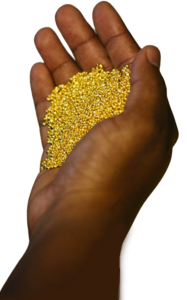
  • Exceptional natural purity: The artisanal goldfields of North Kivu, South Kivu, and Ituriproduce gold at natural purities of 22K to 24.6K through simple gravity separation — without industrial refining. Many lots assay above 96% purity straight from the mine, reducing refining costs for destination-country processors.
  • Large available volumes: The DRC’s artisanal sector produces an estimated 15–25 tonnes of gold per month in eastern Congo alone. Buyers seeking large-volume gold supply contracts from Africawill find DRC-based licensed cooperatives and dealers capable of sustaining monthly deliveries of 100–5,000 kg to verified buyers.
  • Direct economic impact: Purchasing through a licensed, ICGLR-certified cooperative directly supports the livelihoods of artisanal miners and their families, contributes royalty revenue to the DRC government, and helps formalise the sector — reducing the space available for conflict-mineral operators.
  • Multiple export routes and logistics options: Gold sourced in Goma can route through Kigali (Rwanda) to Dubai. Bukavu gold routes through Bujumbura (Burundi) to Dar es Salaam or directly to Dubai. These redundant export corridors, served by Brinks, Malca-Amit, and commercial cargo carriers, provide buyers with reliable, insured delivery options regardless of regional logistics disruptions.

How We Help You Buy Gold from DRC Locals Safely and Legally

Navigating the DRC gold market without local expertise, established relationships with licensed miners, and in-depth knowledge of Congolese mining law is genuinely difficult — particularly for first-time international buyers. Our role is to make the entire process straightforward, legally compliant, and financially transparent from first contact to final delivery.

We work directly with over 40 ICGLR-certified mining cooperatives across North Kivu, South Kivu, and Ituri Province, giving us consistent access to large volumes of verified, high-purity artisanal gold at competitive mine-gate prices. Every purchase through our platform includes:

  • Full seller vetting: We verify every miner and cooperative we work with against DRC Ministry of Mines and SAEMAPE records before they enter our supply chain. You never interact with an unlicensed or unverified counterparty.
  • In-house assay capability: Our bonded warehouses in Goma and Bukavu are equipped with government-certified XRF assay technology, allowing us to verify purity and weight on-site before any transaction is confirmed.
  • Complete documentation preparation: We prepare and obtain all export documents — Ministry of Mines export permit, SAEMAPE traceability certificate, ICGLR conflict-free certificate, customs declaration, tax receipts, and insurance — within 48–72 hours of export tax payment.
  • Secure payment management: We support escrow, bank wire transfer, and Letter of Credit payment structures. Our finance team guides you through the right payment mechanism for your transaction size and counterparty relationship.
  • Insured international shipping: We arrange insured delivery via Brinks, Malca-Amit, or commercial cargo to your vault or refinery in Dubai, London, Singapore, Istanbul, or New York, with full GPS tracking and recipient identity verification.

With our support, buying gold from DRC locals safely becomes a structured, predictable process rather than a navigation exercise through an unfamiliar regulatory environment. Contact our team today for current stock availability, pricing, and a personalised quote for your next Congo gold purchase.

FAQs Questions About Buying Gold in the DRC

Q: Is it legal to buy gold from DRC locals in 2026?

Yes, it is completely legal to buy gold from local miners and dealers in the Democratic Republic of Congo, provided both the buyer and seller comply with DRC mining law. The seller must hold a valid Ministry of Mines mining or trading licence and SAEMAPE registration. The buyer must ensure all export documentation is in place and all applicable taxes and royalties are paid through official government channels. Hundreds of legitimate international gold purchases from Congo are completed legally every week.

Q: What is the current price of gold per kilogram in the DRC?

As of June 2026, the price of 1 kg of 24K gold from DRC local miners in Goma and Bukavu is approximately $128,000–$130,000 per kilogram. This is based on a global spot price of $4,203.28 per troy ounce (June 12, 2026) minus a typical dealer discount of $5,000–$7,000/kg for mine-direct sourcing. Prices for 22K gold run approximately $117,000–$119,000/kg, and gold nuggets at 96–98% purity typically price at $124,000–$127,000/kg. All prices fluctuate daily with the international spot.

Q: What is the typical purity of gold from DRC local miners?

Eastern Congo artisanal gold typically assays at 22K to 24K (91.7%–99.9% pure), with many deposits in North Kivu, South Kivu, and Ituri producing natural gold at 95–99% purity through simple gravity separation without industrial processing. This is one of the highest natural gold purity profiles of any artisanal mining region in the world. Always verify purity with an independent assay certificate before completing payment.

Q: How do I verify that DRC gold is conflict-free?

Ask your seller to provide an ICGLR Regional Certification Mechanism (RCM) certificate, which is the standard conflict-free compliance document for gold from eastern Congo and the Great Lakes Region. ICGLR-certified supply chains are audited against OECD Due Diligence Guidance standards. For buyers supplying US manufacturers, ensure the gold meets Dodd-Frank Section 1502 conflict-free criteria. European buyers must comply with the EU Conflict Minerals Regulation. Licensed exporters like Gold Bar Suppliers Ltd maintain full ICGLR certification for their supply chains.

Q: Can foreigners buy and export gold from the Congo?

Yes, foreigners can legally buy and export gold from the DRC. There is no nationality restriction on purchasing gold, provided the transaction complies with DRC mining law, all applicable export taxes and royalties are paid, and the full documentation package is obtained. The export process typically takes 7–21 days from first contact to cargo departure when working with an experienced, licensed Congo gold exporter.

Q: What taxes do I pay when buying gold from the DRC?

Gold export taxes in the DRC include a mining royalty of 3.5–5% of the gold’s declared value plus a 1% SAEMAPE administrative fee. There may also be additional customs and administrative charges depending on the export route and gold form. These taxes are paid directly to the DRC government through official channels, and buyers should always receive official government receipts. Total tax burden is typically 4.5–6% of transaction value — modest relative to many other African gold-exporting countries.

Q: What are the safest cities to buy gold in Congo?

Goma (North Kivu) and Bukavu (South Kivu) are the safest and most commercially developed cities for international buyers seeking to purchase gold from DRC local miners. Both cities have established communities of licensed gold dealers, government assay offices, SAEMAPE regional branches, and bonded warehouses. Bunia (Ituri Province) is a third option for buyers specifically seeking mine-gate access to Kibali-region alluvial gold. Kinshasa offers access to the country’s refining and financial infrastructure for buyers who prefer the capital’s business environment.

Q: How long does the DRC gold export process take?

From initial contact to cargo departure, the Congo gold export process typically takes 7 to 21 days when working with an experienced, licensed exporter. The primary time variables are: completion of seller due diligence and SPA execution (1–3 days), independent assay and verification (1–3 days), export tax payment and documentation preparation (2–5 days), and logistics arrangements (1–5 days). First-time buyers should allow at least 14 days to be comfortable.

Q: How is gold from the DRC transported internationally?

Licensed, insured precious metals logistics providers are the only appropriate carriers for international gold shipments from the DRC. The leading options are Brinks, Malca-Amit, and G4S Secure Solutions, all of which operate established routes from Goma and Kinshasa to Dubai, London, Antwerp, Istanbul, and Singapore. Commercial cargo airlines — including Ethiopian Airlines, Kenya Airways, and RwandAir — also carry insured precious metals shipments from Kigali (Rwanda) as the primary eastbound hub for Goma gold export. Every shipment must be fully insured at declared value.

Q: How do I avoid gold scams when buying from DRC locals?

The most effective protections against Congo gold fraud are: (1) never pay upfront fees before gold is physically verified; (2) demand the seller’s SAEMAPE licence number and verify it directly with the agency; (3) use a licensed third-party assayer — SGS, Bureau Veritas, or Alex Stewart — for independent purity verification; (4) execute a notarised SPA before any payment; (5) pay via bank transfer or licensed escrow only; and (6) work with a dealer who has a documented track record of 100+ verified international deliveries. If any of these conditions cannot be met, do not proceed.

Safe Ways to Invest in Raw Gold

Start Your DRC Gold Purchase Today — Safe, Legal, and Fully Documented

The opportunity to buy certified, conflict-free gold from DRC local miners at prices meaningfully below the international spot is real, legal, and accessible — but only when you work with partners who know the market, hold the right licences, and have the experience to manage every step of the process correctly.

Our team has done exactly that for over a decade, serving international buyers from the UAE, Europe, India, China, and North America with verified, high-purity gold bars and gold nuggets from eastern Congo.

Whether you want to purchase a single 1 kg 24K gold bar from a Goma dealer, negotiate a monthly supply contract for artisanal gold from South Kivu, or establish a long-term relationship with an ICGLR-certified mining cooperative in Ituri, we can structure the right transaction for your needs, budget, and compliance requirements.

Every purchase comes with a complete export documentation package, government-certified assay, conflict-free certification, and insured delivery to your vault or refinery worldwide.

Contact us today for current DRC gold prices, stock availability, and a personalised transaction proposal. We respond to all verified buyer enquiries within 24 hours.

  Buy Gold from DRC Locals — Safely and Legally  

  Certified 24K & 22K Gold Bars | Conflict-Free | ICGLR Certified | Insured Worldwide Delivery  

  WhatsApp: +243 974 810 500   |   info@buygoldbarsafrica.com   |   buygoldbarsafrica.com