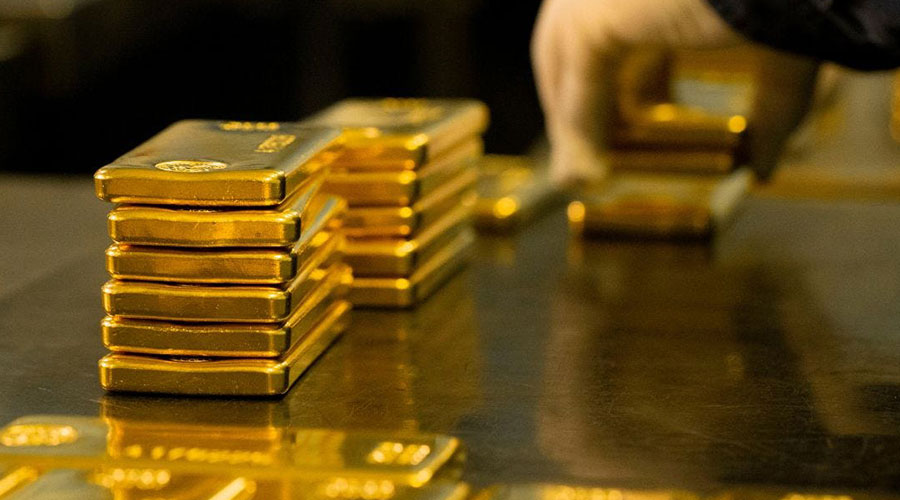
What Is the LBMA? Key Functions & Gold Standards Explained
What Is the LBMA: The London Bullion Market Association (LBMA) is the international trade body for the wholesale gold and silver market, based in London. It doesn’t mint or mine gold itself — instead, it sets the global purity and production standards refiners must meet (the Good Delivery List), publishes the twice-daily benchmark price the whole market prices against (the LBMA Gold Price), and requires accredited refiners to prove their gold is ethically sourced.
A gold bar stamped by an LBMA-accredited refiner is trusted and tradable almost anywhere in the world without further testing.
If you’ve ever seen a gold dealer describe their pricing as “close to LBMA spot,” or noticed a bar stamped with a refiner’s name you don’t recognize, you’ve already run into the LBMA without necessarily knowing what it does. This guide breaks down its key functions and why its accreditation matters directly to anyone buying gold internationally.
What Is the LBMA?
The London Bullion Market Association is the international trade association for the wholesale over-the-counter precious metals market centered in London — historically the world’s most important hub for gold and silver trading.
Founded in 1987, the LBMA isn’t a government regulator in the statutory sense. It’s a self-regulatory body representing bullion banks, refiners, miners, and other market participants, working closely with institutions like the Bank of England to keep the global bullion market functioning with genuine consistency and trust.
Despite not being a formal regulator, its influence is enormous: its standards are referenced in national tax law across multiple countries, its price benchmark settles contracts worth billions of dollars daily, and its accreditation list determines which refiners’ gold bars are accepted without question in markets around the world.
Key Functions of the LBMA
The LBMA’s role breaks down into four core functions, each solving a different problem for the global gold market:
1. Setting the Good Delivery Standard
The LBMA defines the exact physical specification a gold bar must meet to be considered genuine, tradable “Good Delivery” bullion — nominal weight of 400 troy ounces (an accepted range of 350–430 troy ounces), a minimum fineness of 995.0 parts per thousand, and precise requirements for dimensions, surface finish, and stamped markings (refiner’s mark, serial number, year of production, assayed fineness).
This single specification is what allows a bar produced in one country to be accepted without dispute anywhere else in the world.
2. Maintaining the Good Delivery List
The LBMA curates and audits the Good Delivery List — a register of refiners and assayers worldwide accredited to produce bars meeting the Good Delivery standard. Accreditation isn’t one-time: refiners are periodically re-audited on production quality, financial solvency, and sourcing compliance, and can be added to — or in rare cases suspended from — the list.
A bar stamped by a currently accredited refiner can be traded, stored, and resold globally without requiring further assay, since the stamp itself is accepted as sufficient proof of purity and weight.
3. Publishing the LBMA Gold Price
Twice each London business day, the LBMA Gold Price is set through an independent electronic auction, producing the benchmark figure referenced by virtually every gold price you’ll ever see quoted — from mining company revenue reports to jewelry pricing to the “spot price” dealers use to calculate their premiums.
When a dealer describes their gold as priced “1–3% above LBMA spot,” this is the exact figure they mean: a globally recognized, auditable benchmark rather than a number the dealer sets internally.
4. Enforcing Responsible Sourcing
Through its Responsible Sourcing Programme, the LBMA requires every accredited refiner to demonstrate compliance with international due diligence standards — specifically the OECD Due Diligence Guidance for conflict-affected and high-risk areas.
Refiners on the Good Delivery List must show their supply chains are free from links to conflict financing, serious human rights abuses, or money laundering, verified through independent, ongoing audits rather than a one-time sign-off.
For gold sourced from parts of Africa specifically, this programme is a critical part of what separates legitimately sourced bullion from gold moving through informal or high-risk channels.
Why LBMA Accreditation Matters When You’re Buying Gold
For an individual or institutional buyer, LBMA accreditation solves several problems at once:
- Purity confirmation without requiring your own independent testing.
- Global resale liquidity — Good Delivery bars are recognized and accepted by dealers worldwide.
- Tax treatment, in some jurisdictions — Switzerland, for instance, requires gold bars to bear the stamp of an LBMA Good Delivery List refiner to qualify for the country’s investment-gold VAT exemption, covered in more depth in our guide to buying gold in Switzerland.
Even where it isn’t a strict legal requirement, an LBMA-accredited bar is simply easier to sell later, anywhere in the world.
How to Verify a Gold Bar Is LBMA-Accredited
Checking accreditation is genuinely straightforward:
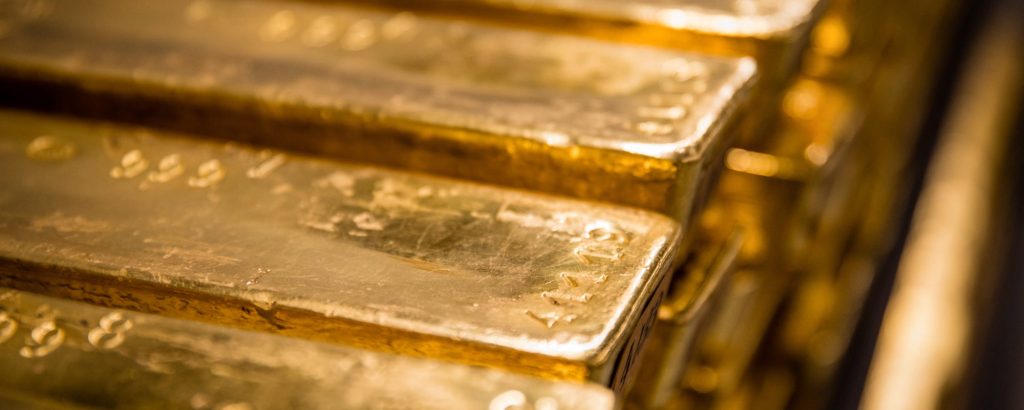
- Check the stamp. Every Good Delivery bar carries a stamp identifying the refiner, serial number, weight, and fineness.
- Cross-reference the refiner. Match the refiner’s name against the LBMA’s own published Good Delivery List to confirm current accreditation.
- Confirm current status, not just a familiar name. Refiners can be added or suspended from the list, so checking the bar’s status at time of purchase matters more than assuming a recognizable name is automatically still listed.
A dealer selling genuinely LBMA-accredited gold should be able to confirm the refiner’s current status without hesitation.
LBMA vs. Other Precious Metals Standards
The LBMA isn’t the only accreditation body in the global gold market — the Shanghai Gold Exchange and various national mints maintain their own standards — but the LBMA’s Good Delivery List remains the most widely recognized and internationally portable standard, particularly for gold moving between countries and continents.
For a buyer sourcing gold from Africa for delivery into Europe, Asia, or elsewhere, LBMA accreditation is the standard most likely to be recognized and accepted without friction at every stage of that journey.
Sourcing LBMA-Standard Gold from Africa
Buy Gold Bars Africa sources exclusively from refiners meeting LBMA Good Delivery standards, with every bar independently assayed and priced against the live LBMA Gold Price benchmark plus a modest premium.
This is precisely why our pricing stays consistently close to international spot rates rather than the inflated premiums common among smaller regional dealers.
Browse our full gold bars catalogue, read more about gold mining in Uganda, or see our guide on how to buy gold bars from Africa safely for more on how accreditation fits into a safe purchase.
Have questions about the refiner accreditation behind a specific order? Contact our team — we’re glad to confirm Good Delivery List status before you buy.

FAQ: LBMA Explained
What does LBMA stand for? The London Bullion Market Association — the international trade body setting standards for the wholesale gold and silver market.
What are the key functions of the LBMA? Setting the Good Delivery physical standard, maintaining the accredited refiner list, publishing the twice-daily LBMA Gold Price benchmark, and enforcing responsible, conflict-free sourcing through independent audits.
What is the LBMA Good Delivery List? A register of accredited refiners worldwide meeting strict purity, production, and ethical sourcing standards, whose bars are accepted globally without further assay.
What is the LBMA Gold Price? The twice-daily benchmark gold price set through an independent electronic auction, used as the global reference point for gold pricing.
Does LBMA accreditation affect gold’s tax treatment? In some countries, yes — Switzerland, for example, requires an LBMA Good Delivery List refiner stamp for gold to qualify for its investment-gold VAT exemption.
How can I check if a refiner is LBMA-accredited? Cross-reference the refiner’s name stamped on the bar against the LBMA’s published Good Delivery List to confirm current accreditation status.