Buy Gold Dust from Africa: Trusted Dealers at the Best Prices 2026
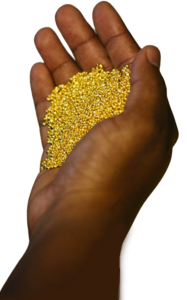
Buy gold dust from Africa — and you access one of the world’s most competitively priced, authentic, and versatile forms of physical gold. African gold dust — also known as alluvial gold dust, fine gold powder, or gold dust particles — is the natural granular gold produced by weathering, river erosion, and artisanal mining across the continent’s richest goldfields, from Uganda’s Karamoja region and Ghana’s Ashanti Belt to Tanzania’s Shinyanga streams and the DRC’s Kivu alluvial zones.
In 2026, with the international gold spot price at approximately $4,490–$4,524 per troy ounce ($144–$152 per gram for 24K gold), buying pure gold dust from Africa at competitive mine-proximate premiums offers exceptional value compared to refined gold bars from Western dealers.
This guide covers everything you need to know: what gold dust is, its purity levels, current prices, uses, how to buy it safely, and why Buy Gold Bars Africa Limited is your most trusted source for certified gold dust for sale from Africa.
What Is Gold Dust? Definition, Purity, and Forms
Gold dust is fine gold in granular or powder form, typically produced by one of three routes:
Natural alluvial gold dust: Formed when gold-bearing rock erodes over millennia through water action, producing fine gold particles that accumulate in riverbeds and stream deposits.
Alluvial gold dust from African rivers typically assays at 85–96% purity (approximately 20K–23K), reflecting the natural silver and trace metal content of the host geological formation.
Mechanically processed gold dust: Produced when gold ore is crushed and the gold particles separated from gangue material through gravity, flotation, or amalgamation at artisanal or small-scale mining operations. Purity varies by processing quality, typically 80–94% fineness.
Refined fine gold dust: Produced by refining raw alluvial or processed dust to investment-grade specifications through chemical (aqua regia), fire, or electrolytic refining processes.
Refined gold dust at 99.9% (24K) is produced by accredited refineries and used as a raw material for jewellery manufacturing, electronics, and investment.
Purity Levels of African Gold Dust
| Purity Level | Fineness | Description | Typical Source |
|---|---|---|---|
| 24K Fine Gold Dust | 999.9 | 99.99% pure; investment grade | Accredited refineries (AGR, Wagagai) |
| 23K Natural Alluvial | 965 | 96.5% pure; high-grade natural | Premium Ghana, Uganda, Tanzania streams |
| 22K Gold Dust | 916 | 91.6% pure; common artisanal | Artisanal alluvial zones, West Africa |
| 21K Gold Dust | 875 | 87.5% pure; typical raw artisanal | DRC, Mali artisanal streams |
| 18K Gold Dust | 750 | 75.0% pure; lower-grade artisanal | Mixed ore processing outputs |
At Buy Gold Bars Africa Limited, we offer fine pure gold dust at 99.9% purity (24K) as well as 96.5% purity natural alluvial gold dust, delicately blended with silver or platinum depending on your intended application. Each order is securely packed in sealed glass vials or specialised safety packaging, ensuring gold dust arrives intact and protected — even during long-distance international shipping.
Gold Dust Price per Gram
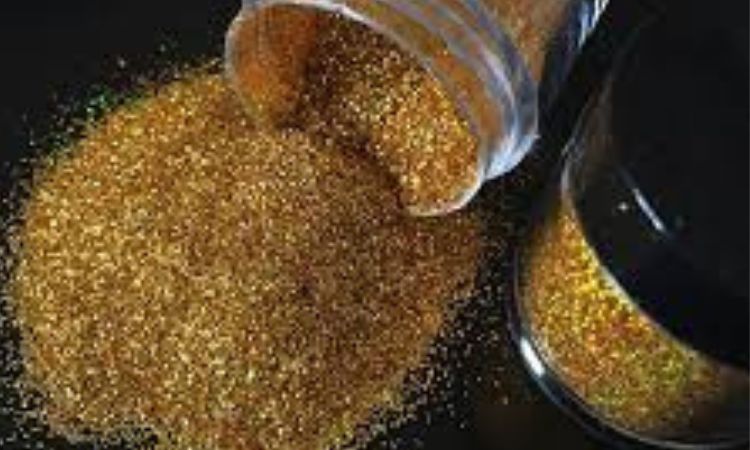
The gold dust price per gram depends on its purity, the live international gold spot price, and any applicable local market premiums or refining costs. As of May 2026, with the gold spot at approximately $144–$152 per gram for 24K (99.99% fine):
Current Gold Dust Prices from Africa — May 2026
| Purity Level | Gold Dust Price per Gram (USD) | Gold Dust Price per Kilogram (USD) |
|---|---|---|
| 24K (99.9% pure — refined dust) | $144–$152 | $144,000–$152,000 |
| 23K (96.5% — premium natural alluvial) | $139–$147 | $139,000–$147,000 |
| 22K (91.6% — standard artisanal dust) | $132–$139 | $132,000–$139,000 |
| 21K (87.5% — typical raw alluvial) | $126–$133 | $126,000–$133,000 |
| 18K (75% — lower-grade processed) | $108–$114 | $108,000–$114,000 |
All prices are calculated at the LBMA spot rate of approximately $144–$152/gram for pure 24K gold as of May 22–25, 2026, adjusted for the actual gold content of each purity level. Prices for raw artisanal dust require independent assay before final pricing is confirmed — always request a live quote from Buy Gold Bars Africa Limited based on the specific assay result of your consignment.
Why these prices represent excellent value: In May 2026, African gold dust sourced through Buy Gold Bars Africa Limited is typically available at 1–3% above LBMA spot for certified 24K refined dust — compared to 3–8% premiums at Western jewellery supply dealers or online precious metals retailers.
Why Buy Pure Gold Dust from Africa?
Africa is the natural source of the world’s most competitively priced alluvial and artisanal gold dust for four structural reasons that cannot be replicated elsewhere:
Proximity to geological source. Africa’s river systems — the Congo, Volta, Kagera, Rufiji, and dozens of others — have carved through ancient gold-bearing geological formations for millions of years, depositing naturally concentrated alluvial gold dust across hundreds of thousands of kilometres of accessible stream and riverbed deposits. The gold is where the water has left it.
Artisanal mining scale. Millions of artisanal and small-scale miners across Uganda, Ghana, Tanzania, the DRC, Mali, and Burkina Faso produce gold dust as their primary output, creating the world’s densest and most diversified supply of naturally occurring gold dust. This supply competition keeps prices at or near spot.
Low cost structure. Artisanal gold dust production has essentially zero capital infrastructure cost relative to industrial mining — no draglines, no processing plants, no tailings dams. Lower production costs translate directly into lower buyer premiums above spot.
Established export infrastructure. Refineries in Uganda, Ghana, South Africa, and Tanzania have developed over the past decade into sophisticated processing and export facilities capable of taking raw artisanal gold dust and producing certified 24K refined material for international delivery.
Uses of Pure Gold Dust — Complete Application Guide
Pure gold dust from Africa has a remarkably diverse range of applications — far broader than gold bars or coins. Here is the complete breakdown:
Gold Dust for Investment
Investors purchase gold dust as a tangible, stable physical asset to diversify portfolios and hedge against economic uncertainty, currency devaluation, and inflation.
The gold spot price per gram in May 2026 is approximately $144–$152 — up 35%+ year-on-year — demonstrating gold dust’s investment performance over even short timeframes.
Gold dust’s key investment advantages:
- More affordable entry point than purchasing gold bars — you can invest from 1 gram
- High purity (24K refined dust = 99.9% pure) ensures full intrinsic value
- Globally liquid — accepted by refineries, dealers, and metal exchanges worldwide
- Inflation hedge — gold dust holds purchasing power as fiat currencies depreciate
Gold Dust for Jewellery Making
Gold dust in jewellery making is one of the most important commercial applications. Artisan jewellers and small jewellery manufacturers use fine gold dust as feedstock for casting and fabrication — measuring precise gram quantities, melting, and alloying to achieve specific karat levels.
The granular form of gold dust allows jewellers to measure exact weights for custom jewellery fabrication, blend with silver or copper for specific alloy compositions (22K, 18K, 14K), and use in traditional goldsmithing techniques including granulation — the ancient West African and Ethiopian gold jewellery technique that applies tiny gold spheres to create decorative surface textures.
Gold Dust in Electronics — Industrial Applications
Gold dust in electronics is one of the most technically demanding applications, leveraging gold’s unmatched combination of:
- Superior electrical conductivity — second only to silver but far more corrosion-resistant
- Absolute corrosion resistance — gold does not oxidise, making it ideal for critical electrical contact surfaces
- Biocompatibility — essential for medical electronics and implantable devices
In electronics manufacturing, fine gold dust particles are used as coating material on circuit board contact points, connector pins, microchip bond pads, and semiconductor packages.
Gold is applied in extremely thin layers (microns) but its presence is essential for long-term connection reliability in mission-critical applications.
Gold Dust in Aerospace and Defence
Gold dust particles are used in aerospace applications requiring extreme reliability, corrosion resistance at high temperatures, and electrical performance under demanding conditions. Satellite components, avionics connectors, and military electronics rely on gold-coated connections for which gold dust is the primary raw material input.
Gold Dust in Cosmetics — Skincare and Beauty
Gold dust in cosmetics is a growing luxury applications market. Fine 24K gold dust particles are incorporated into:
- Anti-ageing skin creams and serums — gold is promoted for its supposed skin-radiance and collagen-stimulating properties
- Luxury facial masks — 24K gold dust facial treatments are a premium spa offering globally
- Makeup and highlight products — fine gold shimmer powders create luminous highlights for skin, eyes, and lips
- Nail art and body decoration — ultra-fine gold dust particles are used in professional nail art and body painting
The luxury cosmetics market’s appetite for 24K fine gold dust is growing consistently, driven by premium beauty trends in Asia, the Middle East, and Europe.
Edible Gold Powder Dust — Culinary Applications
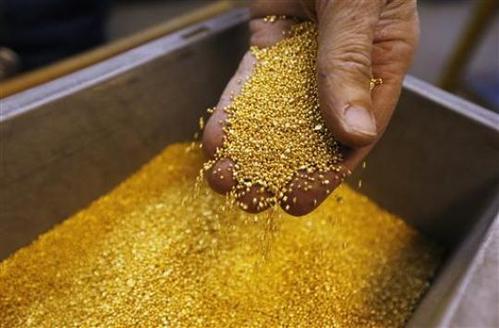
Edible gold powder dust is a regulated food decoration ingredient used by high-end restaurants, chocolatiers, and pastry chefs worldwide. Ultra-fine 24K edible gold dust is:
- Classified as a food additive (E175 in the EU) — non-toxic and tasteless at food decoration quantities
- Used on wedding cakes, premium chocolates, cocktails, champagne, sushi, and luxury desserts
- A powerful luxury signal in food presentation — edible gold creates instant premium positioning
The culinary gold dust market requires strict certification — only gold of 23K or above (with silver as the alloying metal, not copper or zinc) meets food safety standards for edible applications.
Gold Dust in Art and Gilding
Gold dust in art includes traditional gilding applications (applying gold to frames, furniture, and architectural elements), Japanese kintsuroi (gold repair of ceramics), and contemporary art media using gold as a paint or surface treatment.
Fine alluvial gold dust with its irregular natural particle shapes creates distinctive visual textures that manufactured gold powder cannot replicate.
Gold Dust Refining Process — How Raw Dust Becomes Investment-Grade Material
Raw alluvial gold dust from African rivers and artisanal mines must be refined before it reaches 99.9% investment-grade purity. The main gold dust refining methods:
Chemical Refining — Aqua Regia Method
The aqua regia gold dust refining method dissolves gold dust in a mixture of concentrated hydrochloric and nitric acids (3:1 ratio). Silver and base metals dissolve selectively, while gold forms chloroauric acid in solution.
Pure 99.99% gold is then precipitated by adding a reducing agent (sodium metabisulfite or ferrous sulfate). This method is precise, scalable, and produces the highest purity material — the standard process at Uganda’s African Gold Refinery (AGR) and Wagagai Mining.
Fire Refining — Smelting and Cupellation
The fire assay gold dust refining process melts raw alluvial gold dust at high temperatures (1,064°C+) with flux materials (borax, silica, soda ash).
Base metals oxidise and are absorbed by the flux, leaving behind a dore button of gold-silver alloy. This dore is then treated with nitric acid (parting) to separate silver from gold, yielding 99.9%+ pure gold.
Fire assay is the standard verification method for gold dust purity certification at accredited African assay laboratories and is required for Uganda export documentation.
Electrolytic Refining — Wohlwill Process
Electrolytic gold dust refining (Wohlwill Process) passes direct electrical current through a gold chloride solution, depositing 99.99%+ pure gold on the cathode electrode.
This process produces the highest purity gold dust achievable (four-nines, 999.9 fine) and is used at large-scale precious metals refineries for producing LBMA Good Delivery standard material.
Sources of Gold Dust in Africa — Where African Gold Dust Comes From
African gold dust is produced across a broad geographic range, with each source region having distinctive geological characteristics that affect purity and particle size:
Uganda (Karamoja, Mubende, Busia, Kigezi): Uganda’s artisanal gold dust is sourced from both alluvial stream deposits and shallow hard-rock mining. Karamoja’s gold dust is particularly sought after for its relatively high natural purity. DRC-origin gold dust is processed through Uganda’s refinery network, making Kampala one of East Africa’s most active gold dust trading hubs.
Ghana (Ashanti Belt, Brong-Ahafo, Northern Region): Ghana’s alluvial gold dust from the Ashanti Belt and its artisanal zones is among the most recognised in West Africa, commanding premium prices in international markets. Ghana’s GoldBod regulatory framework (2025) has improved supply chain documentation for gold dust exports.
Tanzania (Shinyanga, Mwanza, Mara, Geita regions): Tanzania’s artisanal gold dust is produced alongside large-scale mines at Geita and Bulyanhulu, with alluvial production concentrated in the Lake Victoria gold belt. Shinyanga region produces particularly fine alluvial dust from ancient cratonically stable geological formations.
DRC (Ituri, North Kivu, South Kivu, Maniema): The DRC produces enormous volumes of artisanal gold dust — much of which flows through Uganda and Rwanda for processing and export. DRC dust requires OECD-compliant sourcing documentation for international buyers subject to Dodd-Frank Section 1502.
Mali (Kayes, Koulikoro, Sikasso regions): Mali’s artisanal gold dust is produced from some of West Africa’s richest alluvial zones, adjacent to the large industrial mines at Sadiola and Fekola. Competitive pricing reflects low production costs.
South Africa (Witwatersrand Basin): While South Africa’s dominant production is industrial, gold dust is produced as a by-product of recycling operations and small-scale alluvial mining. South African gold dust carries the strongest documentation credentials due to the Rand Refinery ecosystem.
Why Buy Pure Gold Dust from Buy Gold Bars Africa Limited?
When it comes to buying gold dust from Africa safely and at the best rates, Buy Gold Bars Africa Limited is the definitive choice for international buyers. Here is exactly what sets us apart:
Highest verified quality. Our gold dust is certified to be 24K (99.9% pure) or 96.5% natural alluvial purity, ensuring you receive maximum value for your investment. We do not ship any gold dust without an independent assay certificate confirming its exact purity and weight.
Transparent and competitive pricing. We price every gold dust consignment at the live LBMA spot rate for the gold content confirmed by independent assay, plus a clearly stated sourcing premium.
No hidden margins. No inflated premiums. Every quote is live-referenced. At current gold prices of $144–$152/gram (24K), our 24K refined gold dust is consistently available at 1–3% above spot — significantly below Western precious metals retailer premiums.
Secure certified packaging. Every gold dust order is securely packed in sealed glass vials or specialised safety packaging, ensuring the fine particles remain contained and protected during long-distance international shipping. Each package includes tamper-evident sealing and documented net weight.
Complete documentation for every order:
- Independent SGS or Bureau Veritas assay certificate confirming exact purity and weight
- Certificate of origin confirming provenance (Uganda/Ghana/Tanzania/DRC)
- Export permit from the relevant African mining authority (DGSM Uganda, GoldBod Ghana)
- Commercial invoice and packing list
- Customs documentation for smooth clearance at your destination
Insured worldwide shipping. We ship via DHL Express, Brinks, or Malca-Amit with full insurance at declared value to the USA, Europe, UAE, Asia, and beyond. Typical delivery: 3–7 business days to major international destinations.
24/7 availability. Our team is reachable via WhatsApp, email, and phone around the clock — because gold buyers in different time zones need responsive service. Call or WhatsApp: +256 707 585144
How to Buy Pure Gold Dust from Africa — Step-by-Step
Step 1 — Contact Buy Gold Bars Africa Limited. Reach out via our website, email, or WhatsApp with your specifications: quantity (in grams or kilograms), preferred purity level (24K refined, or natural alluvial), and delivery destination.
Step 2 — Receive a live price quote. We provide a current, LBMA-spot-referenced price for your specific gold dust requirements, including assay premium and shipping cost estimates.
Step 3 — Review assay documentation. Before committing, we share the current assay certificate for available gold dust stock — confirming exact purity and particle size. You know precisely what you are buying before you pay.
Step 4 — Secure payment. Pay via international bank wire (SWIFT), SEPA instant, or verified escrow. We never request untraceable payment methods.
Step 5 — Packaging and shipping. Your gold dust is weighed, packed in sealed glass vials with tamper-evident security, documented, and dispatched via your chosen carrier with tracking and full insurance.
Step 6 — Receive and verify. Your gold dust arrives with all documentation. For large orders, commission an independent assay from a local certified laboratory to verify purity against our supplied certificate.
Factors to Consider When Investing in Gold Dust
Purity verification is non-negotiable. Always require a certified assay report from an accredited third-party laboratory. Never rely solely on the seller’s own purity claims. Buy Gold Bars Africa Limited provides independent SGS or Bureau Veritas assay certificates as standard.
Stay informed about gold market prices. The gold spot price per gram changes continuously. Track live rates on Kitco.com, GoldPrice.org, or LBMA.org.uk to ensure you are paying a fair premium above spot. In May 2026, the gold spot is $144–$152/gram — any offer dramatically below this for claimed 24K material should be treated with extreme caution.
Invest in appropriate storage. Store gold dust in sealed, airtight containers in a fireproof, tamper-proof home safe, a bank safe deposit box, or a professional vault service (Brinks, Loomis). The fine granular nature of gold dust makes containment and security particularly important.
Understand import regulations. Different countries have different rules for importing gold dust. In the USA, gold is generally duty-free under HTS 7108.12 but requires CBP declaration and FinCEN AML compliance for imports over $10,000. In the EU, investment-grade gold is VAT-exempt. Always confirm with a customs broker before importing significant quantities.
Where to Sell Gold Dust — Legitimate Buyers
If you have gold dust to sell, choosing the right buyer determines both the price you receive and the legality of the transaction:
Gold refineries are the most efficient buyers of raw or semi-refined gold dust — they assess actual gold content by fire assay and pay close to the LBMA spot rate for the confirmed gold weight.
In Africa, approved refineries including African Gold Refinery (AGR), Wagagai Mining, and Simba Gold Refinery purchase gold dust directly from licensed suppliers.
Artisan jewellers purchase high-purity gold dust (22K+) for jewellery fabrication, often paying a premium above refinery prices for material that suits their specific karat requirements without additional alloying.
Precious metals dealers and bullion companies including Buy Gold Bars Africa Limited buy gold dust for resale to international clients — typically paying competitive rates based on independent assay.
Electronics recyclers and precious metals recovery companies purchase lower-purity gold dust from electronics scrap, paying on the basis of gold content confirmed by assay.
Gold Dust Refiners and Buyers — How to Find Them
When searching for gold dust refiners near me in Africa, verify any potential buyer’s credentials with the relevant national mining authority before accepting any payment offer.
Licensed buyers include registered companies holding current Mineral Dealer’s Licences from DGSM (Uganda), GoldBod (Ghana), or equivalent national authorities.
How to Tell If Gold Dust Is Real — Authentication Methods
Verifying gold dust authenticity is critical before any purchase, sale, or processing decision:
Fire assay (cupellation): The gold standard (literally) for gold dust purity testing — a measured sample is melted with flux and lead, base metals are oxidised away, and the remaining precious metal button is weighed and assayed. Accurate to 0.01% purity. Required for all export documentation in Uganda, Ghana, and South Africa.
XRF (X-ray fluorescence) analysis: Non-destructive, rapid, and reliable for screening gold dust purity in the field. XRF scanners — now handheld and portable — provide immediate elemental composition analysis accurate to ±0.1% for most gold alloy systems.
Density test: Pure 24K gold has a density of 19.32 g/cm³ — one of the highest of any common metal. A simple density test using displacement volume in water can screen for obvious fraud (tungsten, pyrite), though it cannot detect silver or platinum impurities in gold dust.
Visual and colour assessment: Genuine gold dust has a warm, rich yellow colour. Iron pyrite (“fool’s gold”) has a brassier, more greenish-yellow tone; it also lacks gold’s characteristic malleability and has a much lower density.
Frequently Asked Questions About Gold Dust from Africa
What is gold dust per gram worth in 2026? As of May 2026, 24K refined gold dust is worth approximately $144–$152 per gram, based on the international LBMA spot price of approximately $4,490–$4,524 per troy ounce. Raw artisanal alluvial dust at 85–96% purity is priced proportionally lower based on actual gold content confirmed by independent assay.
What is the difference between gold dust and gold nuggets? Gold dust consists of very fine granular particles (from sub-millimetre to a few millimetres) — essentially a powder. Gold nuggets are larger, solid pieces of native gold ranging from pea-sized to hand-sized or larger. Gold dust is typically from alluvial or processed sources; nuggets are often found in primary alluvial deposits. Both are forms of raw gold, but nuggets are easier to visually verify and carry a collectability premium.
Is African gold dust conflict-free? Gold dust from Uganda, Ghana, Tanzania, South Africa, and Mali can be sourced conflict-free through licensed channels with full chain-of-custody documentation.
DRC-origin gold dust requires OECD-compliant supply chain documentation to certify conflict-free status under Dodd-Frank. Buy Gold Bars Africa Limited provides OECD compliance documentation for all DRC-adjacent supply.
How is gold dust shipped internationally? Gold dust is packaged in sealed glass vials with tamper-evident security measures, placed within a rigid outer container, and shipped via specialist precious metals carriers (Brinks, Malca-Amit) or DHL Express with full declared-value insurance. Documentation includes assay certificate, certificate of origin, export permit, and commercial invoice for customs clearance.
Can I buy gold dust online from Africa? Yes — Buy Gold Bars Africa Limited offers secure online purchasing of certified gold dust from Africa for international delivery. Contact us via our website or WhatsApp (+256 707 585144) for a live price quote and current assay documentation.
Buy Gold Dust from Africa Today — Contact Buy Gold Bars Africa Limited
Gold dust from Africa at 24K refined purity or natural alluvial specification, with full documentation, insured shipping, and competitive spot-referenced pricing — this is exactly what Buy Gold Bars Africa Limited delivers to buyers worldwide.
Whether you are a jewellery manufacturer sourcing African gold dust for jewellery making, an industrial buyer requiring fine gold dust for electronics, an investor seeking 24K gold dust for portfolio diversification, or a cosmetics company sourcing pure gold powder for luxury skincare products — we have the quality, the documentation, and the logistics infrastructure to serve you reliably.
Contact Buy Gold Bars Africa Limited today: 📞 +256 707 585144 | 📲 WhatsApp: +256 707 585144 | 🌐 buygoldbarsafrica.com