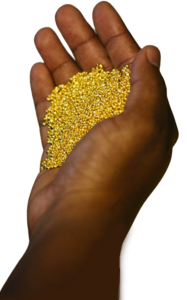
Buy Gold Online in Japan 2026: Live Prices, & Best Dealers
Buy Gold Online in Japan: Buy gold online in Japan in 2026 — updated live prices in JPY and USD, 24K/22K/18K rates, best dealers in Tokyo and Osaka, tax rules, gold ETFs vs physical, storage tips, and how to source cheaper gold directly from Africa. Full expert guide.
Introduction: Japan’s Gold Market in 2026
Japan has maintained a deep relationship with gold for centuries — from the legendary Edo-period Sado Island mines to today’s ultramodern Tokyo Commodity Exchange.
In 2026, gold has never been more relevant to Japanese investors. With the Japanese yen having weakened dramatically against the US dollar (reaching ¥160 per dollar in early 2026), gold priced in yen has surged nearly 48% year-on-year, delivering extraordinary returns to those who held physical gold or gold-linked assets.
Whether you are a resident in Tokyo, Osaka, or Nagoya, a foreigner living in Japan, a tourist looking for authentic Japanese gold jewellery, or an international investor considering importing certified gold from African mines, this comprehensive 2026 guide covers everything you need: live prices, the best dealers, tax rules, storage options, ETF versus physical comparisons, and how to buy gold in Japan safely and legally.

Gold Price in Japan Today — Live Rates
Gold in Japan is priced in Japanese Yen (JPY) per gram. Prices update daily at 10:30 AM JST based on the Tokyo Commodity Exchange (TOCOM) rate and the live USD/JPY spot rate.
Market Snapshot —:
- International gold spot price: ~$4,720 USD per troy ounce
- USD/JPY exchange rate: ~¥156.90 (mid-market)
- Gold price per gram in Japan (24K): ~¥23,300 – ¥23,800
- Gold price per troy ounce in Japan (24K): ~¥724,000 – ¥740,000
- 1-year change (JPY terms): approximately +45–48%
⚠️ Gold prices change every minute during active market hours. Always verify current rates directly with your dealer, on the TOCOM website, or via the Tanaka Kikinzoku daily rate board before transacting.
Current 24K Gold Price in Japan
Today’s gold price in Japan stands at ¥23,580.80 per gram for 24 karat gold (99.9% purity), ¥21,612.90 per gram for 22 karat gold (91.6% purity), and ¥17,683.30 per gram for 18 karat gold (75% purity).
Gold Price per Gram in Japan — All Karats
| Karat | Purity | Hallmark | Price/Gram (JPY) | Price/Gram (USD) |
|---|---|---|---|---|
| 24K | 99.9% | 999 | ¥23,300 – ¥23,800 | ~$149 – $152 |
| 23K | 95.8% | 958 | ¥22,330 – ¥22,810 | ~$142 – $145 |
| 22K | 91.6% | 916 | ¥21,350 – ¥21,810 | ~$136 – $139 |
| 21K | 87.5% | 875 | ¥20,390 – ¥20,830 | ~$130 – $133 |
| 18K | 75.0% | 750 | ¥17,480 – ¥17,900 | ~$111 – $114 |
| 14K | 58.5% | 585 | ¥13,640 – ¥13,960 | ~$87 – $89 |
| 10K | 41.7% | 417 | ¥9,720 – ¥9,950 | ~$62 – $63 |
| 9K | 37.5% | 375 | ¥8,740 – ¥8,940 | ~$56 – $57 |
24K Gold Price in Japan by Weight
| Weight | Price (JPY) | Price (USD) |
|---|---|---|
| 1 gram | ¥23,300 – ¥23,800 | ~$149 – $152 |
| 5 grams | ¥116,500 – ¥119,000 | ~$743 – $759 |
| 10 grams | ¥233,000 – ¥238,000 | ~$1,485 – $1,517 |
| 1 Tola (11.66g) | ¥271,700 – ¥277,500 | ~$1,731 – $1,768 |
| 100 grams | ¥2,330,000 – ¥2,380,000 | ~$14,850 – $15,170 |
| 500 grams | ¥11,650,000 – ¥11,900,000 | ~$74,250 – $75,850 |
| 1 troy ounce (31.1g) | ¥724,000 – ¥740,000 | ~$4,614 – $4,720 |
| 1 kilogram | ¥23,300,000 – ¥23,800,000 | ~$148,500 – $151,770 |
Why Has the Gold Price in Japan Surged So Much in 2026?
Japanese buyers who paid approximately ¥15,908/gram in mid-2025 are now paying approximately ¥23,300–¥23,800 — an increase of nearly 48% in yen terms in under a year. Two forces are driving this exceptional rise:
1. Record Global Gold Price (USD)
The international gold spot price hit an all-time record of $5,602 per troy ounce on January 28, 2026, before moderating to around $4,720 by early May.
Even at current levels, gold is roughly 41% higher year-on-year in USD terms — its strongest annual performance since the late 1970s, driven by geopolitical tensions, central bank accumulation, and surging safe-haven demand.
2. Yen Depreciation Against the US Dollar
The average USD/JPY exchange rate in 2026 through early May was approximately ¥157.47, with a 2026 high of ¥160.41 reached on March 29, 2026. Since gold is priced globally in USD, a weaker yen directly amplifies local JPY-denominated gold prices — even when USD spot is flat, a move from ¥140 to ¥157 per dollar raises yen gold prices by over 12%.
3. Bank of Japan’s Negative Real Interest Rates
Despite incremental BOJ rate hikes, Japan’s real interest rates remain negative — meaning inflation-adjusted returns on JPY deposits are still below zero. This makes non-yielding gold highly attractive relative to cash savings.
4. Geopolitical Safe-Haven Demand
Middle East tensions, US-China trade dynamics, and global macroeconomic uncertainty drove consistent institutional and retail demand for gold throughout 2025–2026.
22K Gold Price in Japan Today
22 karat gold (91.6% purity, hallmark 916) is widely popular for jewellery across Japan and Asia. It offers a balance of purity and durability for crafted pieces.
| Weight | Spot Rate (JPY) | With Making Charges (+10%) | Price (USD) |
|---|---|---|---|
| Per gram | ¥21,350 – ¥21,810 | ¥23,485 – ¥23,991 | ~$136 – $139 |
| 10 grams | ¥213,500 – ¥218,100 | ¥234,850 – ¥239,910 | ~$1,360 – $1,390 |
| 100 grams | ¥2,135,000 – ¥2,181,000 | ¥2,348,500 – ¥2,399,100 | ~$13,600 – $13,900 |
Note for jewellery buyers: Tokyo and Osaka jewellers typically add 8–15% making charges (kakōhi 加工費) above the raw gold price for crafted pieces. Designer or gemstone-set jewellery in Ginza carries the highest premiums; bullion-area dealers in Okachimachi are more competitive.
18K Gold Price in Japan Today
18 karat gold (75% purity, hallmark 750) is the most widely used purity for fine jewellery in Japan — rings, necklaces, earrings, and designer pieces set with gemstones almost universally use 18K.
| Weight | Price (JPY) | Price (USD) |
|---|---|---|
| Per gram | ¥17,480 – ¥17,900 | ~$111 – $114 |
| 10 grams | ¥174,800 – ¥179,000 | ~$1,114 – $1,141 |
| 100 grams | ¥1,748,000 – ¥1,790,000 | ~$11,140 – $11,410 |
| 1 troy ounce | ¥543,300 – ¥556,500 | ~$3,464 – $3,547 |
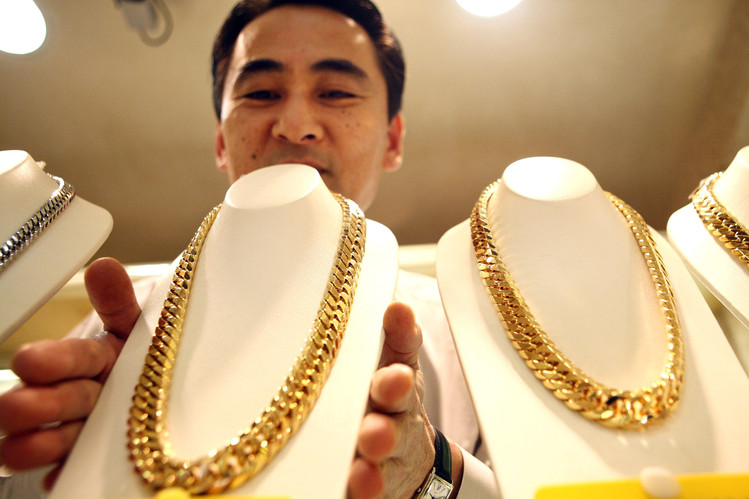
Where to Buy Gold in Japan (2026): Best Dealers and Options
1. Tanaka Kikinzoku Kogyo (田中貴金属工業) — Japan’s #1 Gold Dealer
Tanaka Kikinzoku is Japan’s most trusted precious metals retailer, with over a century of history and the distinction of being Japan’s only LBMA Good Delivery-accredited gold bar manufacturer. For any gold buyer in Japan — resident, tourist, or investor — Tanaka is the gold standard.
- Products: 24K gold bars (1g, 5g, 10g, 20g, 50g, 100g, 500g, 1kg), gold coins, platinum, silver
- Key branches: GINZA TANAKA (flagship — Tokyo Ginza), Shinjuku, Osaka Umeda, Nagoya, Sapporo, and other major cities
- Daily price update: 10:30 AM JST, posted on website and in-store screens
- Dealer spread: ~2.9% on 100g bars; tightens to 1.5–2% on 1kg bars
- Gold accumulation plan: Start from ¥3,000/month — ideal for regular small investors
- Buyback: Same-day buyback at posted rates; 1kg bar sales settled via same-day bank transfer
- Website: gold.tanaka.co.jp / tanaka.co.jp
GINZA TANAKA — the iconic flagship showroom in Tokyo’s prestigious Ginza district — offers investment-grade bullion bars, certified gold coins, luxury gold jewellery, and rare collector pieces, backed by over a century of Japanese craftsmanship expertise.
2. Tokuriki Honten (徳力本店) — Est. 1727, Okachimachi
One of Japan’s oldest precious metals houses, Tokuriki Honten operates from Okachimachi — Tokyo’s historic jewellery and metals trading district near Ueno.
Tokuriki offers slightly tighter spreads (~2.5% on 100g bars) than Tanaka, making it popular with experienced buyers seeking competitive pricing. Less English-language support than Tanaka, but competitive for Japanese-speaking buyers.
3. Mitsubishi Materials (三菱マテリアル)
Mitsubishi Materials offers LBMA-certified gold bars and investment products through select branches in Ginza and major business districts. Popular among institutional and high-net-worth investors, with a reputation for reliability and competitive wholesale pricing.
4. Major Japanese Banks — Gold Savings Accounts (Kin Futsu Yokin)
Japan’s major banks offer gold savings accounts (金普通預金) that allow customers to buy fractional gold digitally at the daily spot rate:
| Bank | Gold Account Name | Min. Purchase | Features |
|---|---|---|---|
| MUFG (Mitsubishi UFJ) | Gold Savings Account | ¥1,000 | Physical delivery option |
| SMBC (Sumitomo Mitsui) | Gold Savings Account | ¥1,000 | Zero making charge |
| Mizuho Bank | Gold Savings Account | ¥1,000 | Monthly auto-purchase plan |
Bank gold accounts carry no making charges and allow gold to accumulate digitally before physical delivery is requested. Consumption tax (10%) still applies on purchase. Ideal for regular investors building a position gradually.
5. Tokyo Commodity Exchange (TOCOM) — Gold Futures
The Tokyo Commodity Exchange (TOCOM) is Japan’s official gold futures market. Gold contracts are denominated in JPY per gram, with standard contract sizes of 100 grams.
TOCOM prices update in real time and serve as the official benchmark for Japan’s domestic gold market. Retail investors can access TOCOM futures through licensed brokerage accounts at SBI Securities, Rakuten Securities, or Monex.
6. Gold ETFs on the Tokyo Stock Exchange (TSE)
For investors who want gold exposure without physical storage or the 10% consumption tax:
| ETF Name | TSE Ticker | Underlying | Expense Ratio |
|---|---|---|---|
| SPDR Gold Shares | 1326 | LBMA spot gold | 0.40% |
| iShares Gold Trust | 1328 | LBMA spot gold | 0.25% |
| Nikko AM Gold Open | — | Spot gold (JPY hedged) | ~0.50% |
ETF profits are taxed at the flat rate of 20.315% (15% national + 5% local tax + 0.315% reconstruction tax), which is lower than the progressive income tax rate applied to physical gold profits.
7. Online Gold Dealers and Marketplaces
- Rakuten Gold: Japan’s popular e-commerce platform includes a certified gold marketplace for coins, small bars, and jewellery
- Amazon Japan: A wide range of gold jewellery and small investment coins; verify seller certification before purchasing
- Dealer online stores: Tanaka Kikinzoku and major dealers offer online ordering with insured home delivery
8. Source Gold Directly From Africa — Save 10–20%
For Japanese commercial buyers, jewellers, refineries, and bulk investors, one of the most effective strategies for cost optimization is sourcing certified gold directly from licensed exporters in Africa’s largest gold-producing nations.
Japan Gold Price vs. African Countries: Direct Comparison
Japan’s domestic retail gold market carries premiums above international spot due to dealer margins, consumption tax, and logistics. Direct mine-sourced gold from Africa offers meaningful savings for bulk buyers:
| Country | Est. Price/Gram (USD) | JPY Equivalent (~¥156.90/USD) | Premium Over Africa |
|---|---|---|---|
| Japan (retail, incl. 10% tax) | ~$163–$167 | ¥25,580 – ¥26,210 | — |
| Japan (pre-tax spot) | ~$149 – $152 | ¥23,390 – ¥23,850 | — |
| Uganda (mine-direct) | ~$135 – $142 | ¥21,180 – ¥22,280 | Japan +7–14% |
| Ghana (licensed exporter) | ~$138 – $145 | ¥21,650 – ¥22,750 | Japan +5–10% |
| DRC / Kibali-origin | ~$133 – $140 | ¥20,870 – ¥21,970 | Japan +8–14% |
Savings figures are pre-tax retail comparisons. Import costs (shipping, insurance, import duties, documentation) must be factored in for any cross-border purchase. Contact us for current mine-direct pricing and export coordination. You can save 10–20%+ on bulk gold by sourcing directly from verified African exporters.
Gold Taxes in Japan 2026: Everything You Must Know
Understanding Japan’s gold tax framework is essential before buying or selling.
Consumption Tax (消費税) — 10%
When purchasing physical gold (bars, coins, jewellery) from a Japanese dealer, a flat 10% consumption tax applies at the point of sale. This means a 1kg gold bar priced at ¥23,500,000 in spot terms costs you ¥25,850,000 including tax — a ¥2,350,000 premium that must be recouped through price appreciation before you break even.
Tax exemptions to know:
- Export: Gold purchased explicitly for export and physically leaving Japan within a specified period may qualify for a consumption tax refund through the tax-free shopping system
- Gold ETFs and futures: No consumption tax on purchase; capital gains taxed at flat 20.315%
- Bank gold accounts: Subject to consumption tax on gold purchases within the account
Capital Gains Tax on Physical Gold — Miscellaneous Income Rules
Profits from selling physical gold are classified as miscellaneous income (雑所得, zatsushotoku) in Japan:
- If total miscellaneous income exceeds ¥200,000 per year, you must file a tax return
- Tax rate is progressive (5% to 45%) for national income tax, plus ~10% local inhabitant tax
- Special rule: Individual (non-business) physical gold sales may benefit from more favourable treatment — confirmed by Tokyo tax accountants. If gold sales do not constitute a systematic business operation, lower effective rates may apply
AML Verification — My Number Card Required
Under Japan’s Act on Prevention of Transfer of Criminal Proceeds, dealers must perform identity verification for transactions above certain thresholds:
- Purchases or sales of ¥2 million or more in a single transaction require full ID verification
- Japanese residents: My Number Card (マイナンバーカード) or residence certificate + government-issued photo ID
- Foreign residents: Residence Card (在留カード) + valid passport
- All cash transactions above ¥500,000 require reporting by dealers
How to Store Gold Safely in Japan
Japan offers excellent physical security conditions for gold storage — the country consistently ranks among the world’s lowest crime rates.
Home Safe
Many Japanese investors store gold in compact, fireproof home safes. For investment-grade bars, look for safes certified to Grade 3 burglary resistance and 60-minute fire resistance. Quality brands available in Japan include Sentry, Itoki, and Kokuyo.
Bank Safety Deposit Boxes
Japan’s major banks (MUFG, SMBC, Mizuho, Resona) offer safety deposit box rental. Annual fees at MUFG are approximately ¥11,000/year for a standard box — dramatically cheaper than equivalent Western prices.
Availability varies by branch and often requires advance reservation. Contents are not insured by the bank, so a dedicated precious metals insurance rider is recommended.
Dealer Vault Storage (Allocated)
Tanaka Kikinzoku and Mitsubishi Materials offer allocated vault storage for purchased gold bars. Your gold is physically segregated, labelled with your name, and insured by the dealer.
Fees are typically 0.1–0.2% of gold value per year. Ideal for 500g+ holdings where home storage becomes impractical.
Insurance for Physical Gold
Standard home contents policies in Japan often exclude or severely limit bullion coverage. Contact specialist precious metals insurers or add a rider to your fire/theft policy (火災保険) explicitly covering gold bullion, specifying storage location and maximum coverage amount.
How to Sell Gold in Japan 2026
Selling gold in Japan is one of the most efficient processes in the world:
At Tanaka Kikinzoku (Counter): Walk in with your gold bar (original certification and packaging recommended). Present identity documents for transactions above ¥2 million.
Receive a buyback quote at the day’s posted rate. Choose between same-day bank transfer (for amounts above ¥1 million) or cash at the counter for smaller amounts. The entire process typically takes under 30 minutes.
At Tokuriki Honten: Similar to Tanaka but may offer marginally better rates on specific bar sizes. Bring original purchase documentation if available.
Online dealer platforms: Register with Tanaka’s online buyback service or equivalent platforms. Ship gold using their insured packaging service, receive a quote after receipt, and confirm payment. Allows selling from anywhere in Japan without visiting a physical branch.
Pawnshops (質屋, shichiya): Japan has thousands of pawnshops, many staffed with gold valuation experts. Rates are typically 5–15% below spot — adequate for fast liquidity on jewellery or small coins, but not recommended for investment-grade bars where dealer counter rates are better.
Online auction platforms: Mercari and Yahoo! Auctions Japan list gold items. Private sales may achieve above-spot prices for rare coins or jewellery, but require careful verification of buyer credentials and safe payment mechanisms.
Buy Gold in Tokyo: Neighbourhood-by-Neighbourhood Guide
Ginza (銀座) — Premium Bullion and Jewellery Hub
Ginza is Tokyo’s most prestigious shopping district and home to Japan’s finest gold dealers. GINZA TANAKA and Mitsubishi Materials’ Ginza branch are located here.
Also home to internationally recognised jewellery brands with certified gold collections. Prices carry a Ginza premium, but certification and service quality are unmatched.
Okachimachi (御徒町) — Tokyo’s Wholesale Jewellery District
Located near Ueno, Okachimachi hosts over 400 jewellery and precious metals dealers in a compact area, including Tokuriki Honten.
Competitive pricing, less tourist-oriented, and excellent for sourcing 18K and 22K jewellery at near-wholesale rates. Best for experienced buyers who know what they want.
Shinjuku (新宿)
The Shinjuku branch of Tanaka Kikinzoku serves western Tokyo. Also home to department store jewellery counters (Isetan, Takashimaya) with extensive 18K gold collections.
Ueno (上野)
Traditional market area with numerous dealers handling gold coins, jewellery, and small bars at competitive prices. Popular with collectors and budget-conscious buyers.
Buy Cheap Gold Jewellery in Japan: Best Options
For buyers seeking affordable gold jewellery (rather than investment-grade bullion), Japan offers several value channels:
- Okachimachi wholesale area (Tokyo): Best prices for 18K and 22K jewellery, minimal making charges
- Rakuten and Amazon Japan: Wide selection of certified gold jewellery; check seller certification and hallmark stamps (750 for 18K, 916 for 22K) before purchasing
- Daiso / variety stores: Sell gold-plated items, not genuine gold — do not purchase as gold investment
- Duty-free shops (for tourists): Major airports and tourist areas offer certified gold jewellery without consumption tax for foreign visitors with valid passports — a genuine saving of 10% vs. regular retail
Investing in Gold in Japan: Physical vs. ETF vs. Futures (2026)
| Feature | Physical Gold | Gold ETF (TSE) | TOCOM Futures | Bank Gold Account |
|---|---|---|---|---|
| Tangible ownership | ✅ Yes | ❌ No | ❌ No | Partial (digital) |
| Consumption tax | ✅ 10% applies | ❌ None | ❌ None | ✅ 10% applies |
| Capital gains tax | Progressive (up to 55%) | Flat 20.315% | Flat 20.315% | Progressive |
| Storage cost | Home/vault | None | None | None |
| Liquidity | High (same-day at dealers) | Very high (TSE trading hours) | Very high | Medium (account redemption) |
| Minimum investment | ~¥23,000 (1g) | ~¥500 (1 share) | 100g contract | ¥1,000 |
| Best for | Long-term wealth preservation | Tax-efficient exposure | Traders and hedgers | Monthly accumulation |
2026 outlook for gold in Japan: Financial advisors broadly recommend a 5–10% gold allocation for JPY-denominated portfolios as a hedge against currency risk and systemic stress.
Gold’s yen-denominated returns of +45–48% over the past year have validated this positioning — but buyers entering at current elevated prices should plan for a multi-year holding horizon rather than short-term speculation.
Japan’s Gold Mining History and the Hishikari Mine
Gold has been mined in Japan for well over a thousand years. During the Edo period (1603–1868), the famous Sado Island Gold Mine (佐渡金山) in Niigata Prefecture was one of the world’s most productive gold mines, helping fund the Tokugawa Shogunate. The mine operated for over 400 years and produced an estimated 78 tonnes of gold.
Today, Japan’s most significant active gold mine is the Hishikari Gold Mine in Kagoshima Prefecture, Kyushu, operated by Sumitomo Metal Mining Co., Ltd. Hishikari is considered one of the world’s highest-grade gold mines, with ore grades averaging over 30 grams of gold per tonne — compared to a global average of 1–3 g/t. Despite its extraordinary grade, Hishikari’s total annual output is relatively modest on a global scale.
Japan is a significant net importer of gold, sourcing the majority of its bullion through LBMA-certified international supply chains via refineries in Switzerland, the UK, and Australia.
Gold’s Cultural Significance in Japan: Kintsugi, Kinkaku-ji and Beyond
Gold is woven into the fabric of Japanese culture and aesthetics in ways that go far beyond investment:
Kintsugi (金継ぎ) — The Art of Golden Repair
Kintsugi (literally “golden joinery”) is the ancient Japanese art of repairing broken ceramics by filling the cracks with lacquer mixed with powdered gold, silver, or platinum.
Rather than hiding damage, kintsugi embraces it — making the repaired object more beautiful and more valuable than before. A kintsugi-repaired bowl may sell for many times the price of an intact one.
This philosophy reflects a broader Japanese aesthetic concept (wabi-sabi — 侘び寂び) that finds beauty in imperfection and transience. Gold, in this tradition, is not merely a precious commodity but a healing material that transforms damage into art.
Kinkaku-ji (金閣寺) — The Golden Pavilion
Kyoto’s famous Kinkaku-ji temple is covered in gold leaf on its upper two floors, shimmering above a reflection pond. One of Japan’s most visited landmarks, it symbolises the country’s historical reverence for gold in architecture and spiritual art. Gold leaf (金箔, kinpaku) production — particularly from Kanazawa — remains an important Japanese craft tradition.
Gold in Japanese Traditions and Gifting
Gold gifts — including gold-leaf-covered sweets, gold coins, and gold jewellery — are traditional at weddings, births, and New Year (お正月). Gold-decorated ceramics, lacquerware (maki-e), and screens (byōbu) have been central to Japanese artistic heritage for centuries.
Can Foreigners Buy Gold in Japan? (2026 Guide)
Yes — foreigners can legally purchase gold in Japan with no restrictions on ownership. Practical guidance:
Tourists: Present your passport. For large purchases (¥2 million+), dealers will require AML documentation. Note that you may be eligible for consumption tax exemption (duty-free) on gold jewellery if you present your passport and export the gold within 30 days — always confirm tax-free eligibility with the dealer at time of purchase.
Foreign residents: Present your Residence Card (在留カード) and passport. Transactions above ¥2 million require AML verification and potentially a My Number Card. All Japanese tax obligations (consumption tax on purchase, income tax on profits) apply equally to foreign residents.
Non-resident international buyers: Purchasing gold in Japan for export is permitted. Consumption tax may be refunded under Japan’s export VAT refund system. Ensure customs export documentation is completed before departing Japan.
Gold Vending Machines in Japan
Japan’s reputation for vending machine innovation extends to gold. Select locations in Tokyo and Osaka feature gold vending machines offering small gold bars (1g, 2g, 5g) and commemorative coins at a touch.
Locations include select major railway stations and high-end shopping malls. Prices carry a convenience premium above counter dealer rates. More of a curiosity than a serious investment channel, but a uniquely Japanese experience worth noting.
Does Japan Mint Its Own Gold Coins?
Yes. The Japan Mint (造幣局), headquartered in Osaka, issues commemorative gold coins for significant national events:
- Emperor’s anniversary coins — issued for major imperial milestones
- Olympic and World Expo commemoratives — 24K and 22K versions issued in limited quantities
- Regional commemoratives — celebrating UNESCO World Heritage Sites and cultural landmarks
Japan Mint commemorative gold coins are popular with collectors and investors alike. They are sold through authorised distributors including post offices and select dealers. Secondary market prices often exceed face value due to collector demand.

FAQs: Buying Gold in Japan (2026)
Q: What is the gold price per gram in Japan today (2026)? Today, 24K gold in Japan is priced at approximately ¥23,300 – ¥23,800 per gram (~$149–$152 USD). This represents a ~48% increase from ¥15,908/gram in mid-2025, driven by record global gold prices and yen depreciation.
Q: Where is the best place to buy gold in Japan? A: For investment bullion, Tanaka Kikinzoku (GINZA TANAKA) is Japan’s most trusted and liquid dealer. Tokuriki Honten in Okachimachi offers slightly tighter spreads. For digital accumulation, bank gold savings accounts at MUFG, SMBC, or Mizuho are ideal. For tax-efficient exposure, gold ETFs on the Tokyo Stock Exchange (ticker 1326 or 1328) carry no consumption tax.
Q: Is gold taxed in Japan? A: Yes. Physical gold purchases incur 10% consumption tax. Profits from selling gold are taxed as miscellaneous income — if your annual miscellaneous income exceeds ¥200,000, a tax return is required. Tax rates are progressive (5–45% national + ~10% local). Gold ETF profits are taxed at a flat 20.315%.
Q: Can foreigners buy gold in Japan? A: Yes, completely legally. Tourists can buy gold and may qualify for duty-free (consumption tax exemption) at participating dealers when exporting the gold. Foreign residents are subject to the same purchase and capital gains tax rules as Japanese nationals.
Q: How much can I save buying gold from Africa versus Japan? A: Sourcing certified 24K gold directly from licensed exporters in Uganda, Ghana, or DRC can save bulk buyers approximately 10–20% versus Japan’s domestic retail rate, even after accounting for shipping, insurance, and import documentation. For commercial volumes (1kg+), the savings are substantial.
Q: What is the 24K gold price per ounce in Japan today? A: As of May 2026, 24K gold per troy ounce in Japan is approximately ¥724,000 – ¥740,000 JPY (~$4,614–$4,720 USD).
Q: What gold purity is used in Japan for jewellery? A: Japanese fine jewellery predominantly uses 18K (750 hallmark) for rings and gemstone-set pieces, 22K (916 hallmark) for traditional and Asian-style jewellery, and 24K (999 hallmark) for investment bars and coins. All hallmarks are stamped directly on pieces sold by reputable dealers.
Q: Is it safe to buy gold online in Japan? A: Yes, through established platforms. Tanaka Kikinzoku’s official online store, Rakuten Gold, and major bank gold account portals are all regulated and secure. Always buy from officially licensed dealers and verify hallmark stamps and certification documents.
Q: How do I sell gold in Japan? A: The simplest route is to sell back to your original dealer (Tanaka Kikinzoku offers same-day buyback and same-day bank transfer for 1kg bars). You can also sell through bank gold account redemption, online dealer buyback services, or Okachimachi-area dealers. Pawnshops offer fast liquidity at lower rates.
Q: What is the difference between physical gold and gold ETFs in Japan? A: Physical gold gives you tangible ownership but incurs 10% consumption tax at purchase and progressive income tax on profits. Gold ETFs (listed on the TSE) have no consumption tax, offer high liquidity during trading hours, and profits are taxed at a flat 20.315%. ETFs do not give ownership of physical gold.
Q: Does Japan have gold mines? A: Yes, limited but significant. The Hishikari Gold Mine in Kagoshima (Sumitomo Metal Mining) is one of the world’s highest-grade gold mines at 30+ g/t ore grade. Japan was historically a major gold producer during the Edo period (Sado Island Mine). Today, Japan is a significant net importer of gold.
How to Buy Gold Online in Japan: Step-by-Step (2026)
Option A — Tanaka Kikinzoku Online Store
- Visit gold.tanaka.co.jp and create an account (My Number Card required for full verification)
- Select product: bar weight, purity, packaging option
- Confirm today’s price and add to cart
- Pay via bank transfer, credit card, or convenience store payment (konbini)
- Gold delivered in insured, tamper-evident packaging within 3–7 business days
Option B — Bank Gold Savings Account (MUFG / SMBC / Mizuho)
- Open a bank account if you don’t have one (foreign residents need a Residence Card)
- Activate the gold savings account (金普通預金) service online or in branch
- Transfer JPY and execute gold purchase at the daily published rate (updated 10:30 AM JST)
- Accumulate gold digitally; request physical delivery when holdings exceed minimum thresholds
Option C — Tokyo Stock Exchange Gold ETF
- Open a brokerage account (SBI Securities, Rakuten Securities, Monex — all accept foreign residents)
- Fund your account and search for TSE ticker 1326 (SPDR Gold Shares) or 1328 (iShares Gold Trust)
- Buy during market hours (9:00 AM – 3:30 PM JST)
- No consumption tax; profits taxed at flat 20.315%
Option D — Direct from African Gold Exporters
For commercial buyers, bulk investors, and jewellery businesses seeking the most cost-effective gold sourcing:
- Contact us via WhatsApp: +256 707 585144 for current mine-direct pricing
- Specify product type (24K bullion, 22K, gold dust, nuggets) and quantity
- Verify exporter credentials and request assay certificates and Certificate of Origin
- Arrange secure air freight via Brinks, Malca-Amit, or DHL from Accra / Entebbe / Kinshasa to Japan
- Complete Japanese customs import declaration; consumption tax applies on import
Conclusion: Is Now a Good Time to Buy Gold in Japan?
Gold in yen terms has delivered exceptional returns in 2024–2026 — and the structural forces supporting elevated prices (yen weakness, negative real rates, global uncertainty) remain largely intact heading through mid-2026.
However, buyers entering at current levels should be aware that a significant yen strengthening or a USD gold price correction could reduce JPY-denominated gains.
For long-term investors, the consensus remains that a 5–10% allocation to gold is appropriate as a portfolio hedge. For commercial buyers, sourcing gold directly from licensed African exporters at prices 10–20% below Japan’s domestic retail market is a compelling cost-optimisation strategy.
Whether you buy through Japan’s world-class bullion dealers, via a bank gold account, through ETFs on the TSE, or by importing certified gold from Africa’s richest mines — the most important thing is to work with verified, licensed, and reputable partners at every step.
For current gold pricing, export documentation, and secure delivery from Africa to Japan: 📱 Email us: +256 707 585144
You also like to;

