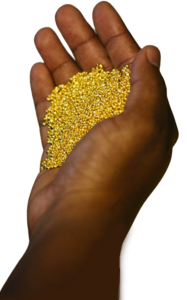
How to Spot a Real Gold Nuggets and Bullion Seller in Africa
How to spot Real Gold Nuggets And Bullion Seller in Africa — licensing, assay verification, pricing, and how to buy gold nuggets and bullion safely.
Investing in gold — whether as natural nuggets or refined bullion — is a time-honoured way to preserve wealth, hedge against inflation, and diversify a portfolio. Africa, with its rich gold deposits across Ghana, South Africa, Uganda, Mali, and the Democratic Republic of Congo, is a genuinely prime destination for sourcing high-quality gold at competitive prices.
But the African gold market can also be fraught with real risk — scams, counterfeit gold, and unlicensed sellers all exist alongside the legitimate trade.
This guide covers exactly how to identify a real gold nuggets and bullion seller in Africa, what separates authentic product from fake, and how to buy gold nuggets and bullion safely from a dealer you can actually trust.
Gold Nuggets vs Gold Bullion: What’s the Difference?
Gold nuggets are naturally occurring pieces of native gold, typically found in placer deposits — riverbeds and streams — or in weathered veins. Nuggets vary enormously in size, from small grains to substantial chunks, and generally carry a natural purity of 20–23 karats (roughly 83–95% pure), reflecting natural alloying with silver or copper.
Their irregular, unique shapes make them prized by collectors as much as investors, though they typically require refining before commercial or investment use at scale.
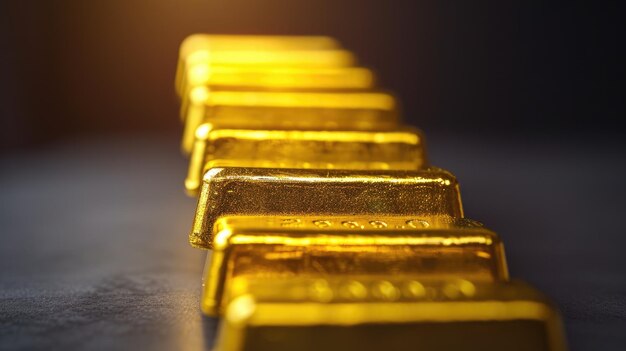
Gold bullion refers to refined gold in bar, coin, or ingot form, typically at 99.9% purity or higher (24K). Bullion is standardised — stamped with weight, purity, and a refinery hallmark — making it the more liquid, uniform choice for straightforward investment. In Africa, bullion is produced by established refineries including Rand Refinery in South Africa and the Precious Minerals Marketing Company (PMMC) in Ghana. See our 24K gold bars for sale and gold nuggets & bullion ranges for current stock of both forms.
Both nuggets and bullion are actively traded across Africa, but sourcing, pricing, and authenticity all demand real scrutiny before you buy either.
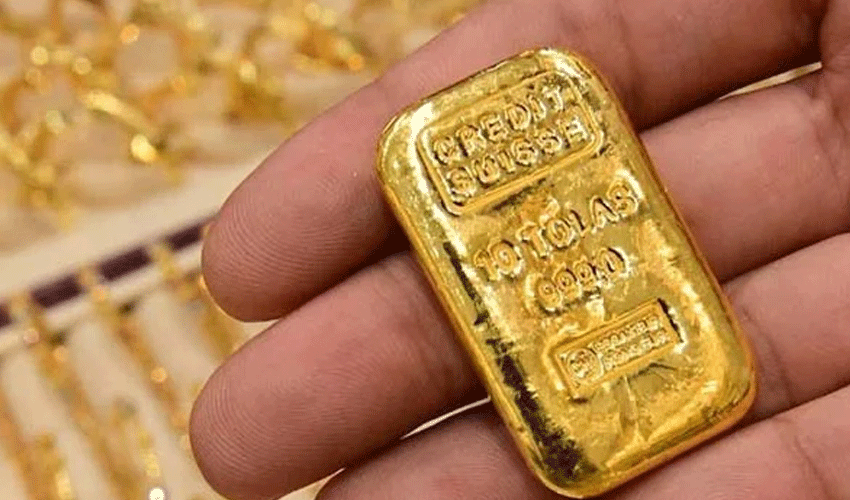
How to Spot a Real Gold Nuggets and Bullion Seller
Here’s the practical framework for identifying a legitimate gold nugget or bullion seller in Africa, so you can invest with real confidence rather than crossed fingers.
1. Verify Seller Credentials and Licensing
Legitimate sellers are registered with the relevant government authority in their country of operation. In Ghana, sellers must be licensed by the Precious Minerals Marketing Company (PMMC); in South Africa, reputable dealers are typically affiliated with Rand Refinery or the South African Mint; in Uganda, check registration with the Ministry of Energy and Mineral Development.
Request the seller’s export licence, company registration documents, and any relevant industry affiliations — such as membership tied to the London Bullion Market Association (LBMA) — and cross-check them independently rather than taking a seller’s word for it.
Treat any seller using only anonymous email accounts or prepaid mobile numbers, or one who resists providing verifiable documentation, as an immediate red flag.
2. Demand Assay Certificates and Purity Verification
Authentic gold nuggets and bullion should always come with assay certification from a recognised refinery or laboratory confirming purity and weight. Refined bars should carry serial numbers, weight, and a refinery stamp — from a source like Rand Refinery, AGR Uganda, or PMMC Ghana.
Bullion should test at 99.9%+ purity (24K); nuggets typically fall in the 20–23K range given their natural alloy content.
Insist on certificates from a recognised lab, and for nuggets specifically, verify weight and purity through independent third-party testing — non-destructive methods like X-ray fluorescence (XRF) can confirm purity almost instantly. A seller who refuses testing or provides vague, unverifiable documentation should be avoided entirely.
3. Check for Ethical Sourcing and Compliance
Gold from Africa should comply with international standards such as the OECD Due Diligence Guidance for Responsible Supply Chains of Minerals, confirming it’s conflict-free and ethically sourced.
Reputable sellers work with licensed miners, follow export regulations, and pay applicable royalties — Ghana’s roughly 3% royalty fee, for example. Ask for a certificate of origin and export permit confirming legal sourcing, and treat gold offered significantly below market price as a warning sign of black-market or improperly documented origin.
4. Inspect the Gold Physically — or Through a Trusted Agent
Physical inspection matters most for nuggets, which can be counterfeited using gold-plated base metals; for bullion, tamper-proof packaging and clear hallmarks are the equivalent check.
Where possible, inspect gold in person at a secure facility, or use a recognised third-party inspection service for remote purchases. For nuggets specifically, check weight, density, and appearance — genuine gold is heavy, non-magnetic, and shows a consistent yellow hue without tarnish.
Practical testing methods include the magnet test (gold is non-magnetic; fakes often aren’t), the acid test (a drop of nitric acid won’t react with real gold but may discolour a fake), and the specific gravity test, since gold’s density of 19.32 g/cm³ is difficult to replicate convincingly with base metals.
5. Understand Gold Nugget and Bullion Weight Correctly
Gold weight is measured in grams, troy ounces, or grains, and getting the units right matters more than most buyers expect. A small but important distinction: “g” alone means grams, while “gr” means grains — and dishonest sellers occasionally exploit this ambiguity to misstate weight in their favour.
For reference, roughly 15.43 grains make one gram, and there are 31.1 grams in one troy ounce. Always confirm which unit a seller is quoting before agreeing a price, particularly for nuggets sold by irregular weight rather than a standardised bar size.
6. Watch for Manipulated Listing Photos
A common trick among fake gold nugget sellers is enlarging or photoshopping images — either omitting a standard scale reference entirely, or using a ruler in a way designed to mislead on actual size, sometimes confusing inches with centimetres. Colour can be digitally enhanced too, implying a purity the actual gold doesn’t have. If a listing lacks a clear scale reference, or a seller can’t or won’t answer specific questions about the piece shown, treat that reluctance as the red flag it is.
7. Understand Current Pricing and Market Trends
Gold prices in Africa track the international spot price set via the LBMA, with local premiums layered on for assay, transport, and export costs. Because spot prices move continuously, any published per-gram figure goes stale almost immediately — the reliable approach is comparing a seller’s quote against the live spot price plus a reasonable premium (typically 5–10% for bullion, often less for unrefined nuggets). See our gold prices in Africa and live gold rate pages for current reference pricing before comparing offers.
Be genuinely cautious of any deal offering a discount of 10% or more below spot without clear, verifiable documentation explaining why — this is one of the more reliable scam indicators in the entire African gold market.
8. Use Secure Payment and Delivery Methods
Use traceable payment — bank transfer, escrow, or a letter of credit for larger transactions — and avoid cash or untraceable payment methods entirely.
Work with reputable logistics partners offering insured, trackable delivery, and confirm all export documentation (permits, tax clearance) accompanies the shipment before it departs. A seller requesting payment before showing the gold or providing documentation, or one unwilling to use insured shipping, should be treated as disqualifying.
9. Research Seller Reputation Independently
A seller’s track record tells you a great deal. Look for transparent operations, verifiable customer reviews, and genuine industry affiliations — this is exactly the standard Buy Gold Bars Africa Ltd holds itself to. Check independent review platforms and industry forums rather than relying solely on testimonials the seller has chosen to publish themselves, and ask for references from past clients where a transaction is significant enough to warrant it.
10. Know the Common Scam Patterns
The recurring scams in the African gold market tend to follow a small number of patterns: bait-and-switch (showing genuine gold samples but delivering fakes), upfront fees (demanding payment for “travel,” “insurance,” or “assays” before any gold is shown), and fake documentation (forged licences or assay reports designed to look convincing at a glance). Trust your instincts — if a deal feels too good to be true, it almost always is. Avoid unverified platforms and high-pressure sales tactics, and work only with established companies rather than informal individual brokers.
What Determines a Gold Nugget’s Value?
Unlike raw gold sold purely by weight, a natural gold nugget’s value depends on several factors together: weight, place of origin, rarity, brightness, purity, and whether the piece qualifies as specimen or collector grade. A shiny, bright nugget generally signals higher purity; a dull appearance often indicates a higher proportion of less valuable alloyed metals like copper.
If a nugget doesn’t visually match what you’d expect from pure gold, that’s usually a meaningful signal in itself, not just an aesthetic quirk.
Buy Gold in Africa With Us Today
Looking for a secure, profitable, and genuinely reliable way to buy gold in Africa? Partner with Buy Gold Bars Africa Ltd for access to high-quality gold bars, authentic gold nuggets, and certified gold bullion sourced from trusted mines across the continent.
Whether you want to buy gold in Uganda, purchase raw gold from the DRC, or explore other African markets, we run a transparent process backed by proper documentation and secure, insured shipping.
Our team specialises in helping international buyers acquire competitively priced gold while staying fully compliant with export regulations at every step — see our guides on how to buy gold bars from Africa safely and the legal requirements to buy gold bars from Africa for the full picture before you commit.
FAQs About Real Gold Nuggets And Bullion Seller
What are gold nuggets? Gold nuggets are naturally occurring, unrefined pieces of gold, typically found in placer deposits and valued for their natural purity and unique shape.
How are gold nuggets formed? Nuggets form over millions of years through erosion, water flow, and chemical weathering processes, as gold is released from host rock and carried by water to settle in rivers or streams.
Where are gold nuggets commonly found? Riverbeds, streams, and regions with an established mining history — including parts of Uganda, the DRC, and Mali in Africa, alongside well-known international sites like Alaska, California, and Australia.
How do prospectors find gold nuggets? Gold panning, sluicing, and metal detecting remain the standard methods, with detectors designed to identify gold at varying depths beneath the surface.
How much are gold nuggets worth? Value is based primarily on weight, purity, and rarity, generally calculated from the current market price of gold per ounce or gram, adjusted for the nugget’s specific characteristics.
What’s the difference between gold nuggets and gold flakes? Nuggets are larger, solid pieces; flakes are smaller, thinner fragments. Nuggets are generally more valuable given their size and more distinctive form.
Are all gold nuggets pure gold? No — nuggets naturally contain other metals or minerals, commonly silver, copper, or embedded quartz, though they still represent a high percentage of gold by weight.
What determines the value of a gold nugget? Size, weight, purity, shape, and rarity together — larger, purer nuggets with a distinctive or unusual form command the highest premiums.
Can gold nuggets be melted down? Yes, into bars or coins, though many collectors deliberately preserve nuggets in their original form specifically for their uniqueness and historical interest.
How rare are gold nuggets really? Genuinely rare — most mined gold exists as fine particles or dust rather than solid nuggets, making a substantial nugget find a notable event even for experienced prospectors.
How can I tell if a gold nugget is real? Check weight against expected density (real gold is notably heavy for its size), and use an acid test, specific gravity test, or a dedicated gold testing kit for definitive verification.
Can gold nuggets be used in jewellery? Yes — their irregular shape often requires specialised settings, but many jewellers craft distinctive pieces specifically around a nugget’s natural form.
Are there different types of gold nuggets? Yes, varying widely in shape, size, and visual character — some carry additional interest from embedded quartz veins or other unusual natural features.
What’s the largest gold nugget ever found? The “Welcome Stranger” nugget, discovered in Australia in 1869, weighed approximately 2,520 troy ounces (around 156 pounds) — still one of the most famous nuggets in history.
Are gold nuggets easy to find? No — finding them requires genuine patience and, frequently, a fair amount of luck, since the overwhelming majority of mined gold exists as fine dust or flake rather than a substantial nugget.
Start Your Gold Investment Journey Today
Whether you’re drawn to the natural character of gold nuggets or the standardised liquidity of refined bullion, the fundamentals stay the same: verify licensing, demand independent assay certification, and compare pricing against the live spot rate rather than a seller’s headline number.
Explore our gold nuggets & bullion range, browse 24K gold bars for sale if refined investment-grade product suits your goals better, or see our gold dust & doré page for another unrefined alternative.
Buy gold in Africa with us for a transparent, properly documented, fully insured buying experience — contact our team today.
Call/WhatsApp: +256 707 585144 | Get a live quote
Related Pages
- 24K Gold Bars for Sale
- 22K Gold Bars
- Gold Dust & Doré
- Gold Ingots for Sale
- Gold Bars and Rounds
- Buy Physical Gold Online
- Large Volume Gold Deals: Congo & Kenya
- How to Buy Gold Bars from Africa Safely
- Legal Requirements to Buy Gold Bars from Africa
- Buy Gold in Uganda
- Buy Raw Gold in Congo
- Buy Gold in Kenya
- Buy Gold in Tanzania
- Where to Buy Gold in South Africa
- Where to Buy Gold in Africa
- Uganda Gold Export Tax
- Gold Prices in Africa
- Gold Rate Today
- FAQs
- Contact & Get a Quote
