Gold Rate Today in Kenya & Best Place to Buy
The gold rate today in Kenya is determined by the international gold spot price and the prevailing exchange rate between the US dollar and the Kenyan shilling (KES). The rate changes with movements in the global gold market, currency fluctuations and the purity of the gold.
Whether you are checking the 24K gold rate, comparing 22K jewellery prices or researching the value of physical gold bars, this page helps you understand current gold prices in Kenya.
Use the live gold price widget below to check updated gold rates in Kenyan shillings and compare prices per gram, troy ounce and kilogram. You can also explore different purity levels, including 24K, 22K, 21K and 18K gold.
The international spot price is a useful benchmark, but it is not necessarily the final price you will pay when buying physical gold in Kenya or receive when selling it. Dealer premiums, purity verification, refining costs and transaction charges can affect the final amount.
Live USD Gold Rate Today in Kenya for All Karats
Gold Price per Gram, Ounce and Kilogram in Kenya
Gold is traded internationally using the troy ounce, while local buyers and jewellery businesses may also use grams and kilograms.
One troy ounce equals approximately 31.1035 grams. A kilogram contains 1,000 grams.
The live widget above allows you to compare the gold rate across these weight measurements without relying on outdated price tables.
24K, 22K, 21K and 18K Gold Rates in Kenya
Gold purity is commonly expressed in karats or fineness. The karat measurement indicates how much gold is present in an alloy.
- 24K gold: Generally represents fine gold, commonly available in 999 or 999.9 fineness.
- 22K gold: Contains approximately 91.67% gold and is commonly used in jewellery.
- 21K gold: Contains 87.5% gold.
- 18K gold: Contains 75% gold, with the remaining percentage made up of other metals.
For a better understanding of gold purity, see our guides to 24K gold and 18K gold.
Gold Spot Price vs Physical Gold Price in Kenya
The spot price is the benchmark market value of gold for a specified purity and weight. It does not automatically represent the price of a finished gold bar, coin or jewellery item.
When purchasing physical gold, consider the following:
- The actual weight of the gold.
- Its verified purity or fineness.
- The refiner or manufacturer’s identification.
- Available assay or testing documentation.
- The seller’s premium and transaction charges.
- Applicable legal and tax requirements.
If you are comparing physical gold products, explore our guide to buying gold bars.
Gold Prices in Nairobi and Other Kenyan Towns
People searching for the gold rate in Nairobi, Mombasa, Kisumu, Eldoret and other parts of Kenya generally refer to the same international gold market benchmark converted into Kenyan shillings.
However, the final price of physical gold can differ between sellers and locations. Product availability, transportation, testing, refining and dealer premiums may influence the amount quoted.
For this reason, compare the live spot rate with the seller’s actual offer rather than assuming that every dealer charges the same price.
Why Has Kenya’s Gold Rate Risen Sharply?
The gold rate in Kenya has increased approximately 41% year-on-year in KES terms. Several forces are driving this:
1. Record Global Gold Price (USD)
The LBMA gold spot price hit an all-time record of $5,602 per troy ounce on January 28, 2026, before moderating to ~$4,720 in May. Even at current levels, gold is approximately 41% higher year-on-year in USD terms — its strongest annual performance since the late 1970s.
2. Geopolitical Safe-Haven Demand
Middle East tensions, US-China trade dynamics, and global macroeconomic uncertainty drove consistent institutional and retail demand for gold throughout 2025–2026. Central banks worldwide — including in Africa — have been net buyers, tightening available supply.
3. Kenyan Shilling Stability
Unlike some African currencies, the Kenyan shilling has maintained relative stability against the USD in 2026 (trading at approximately KES 128.75–130.38 per dollar).
This means KES gold price moves closely mirror USD price changes without significant amplification or dampening from currency movements — reflecting Kenya’s improving macroeconomic fundamentals.
4. Kenya’s Inflation Hedge Demand
Kenya’s inflation rate of approximately 3.8% (as of mid-2026) remains manageable, but investor preference for gold as a store of value continues to grow as part of portfolio diversification strategies. Financial advisors increasingly recommend 5–10% gold allocation for Kenyan retail portfolios.
Gold Production in Kenya: Mining Regions and Capacity
Kenya’s domestic gold production is modest by African standards but strategically significant for local supply and pricing:
Migori Greenstone Belt (Nyanza Region) — Kenya’s Primary Gold Belt
The Migori Greenstone Belt in Nyanza County is Kenya’s most productive gold-mining region, hosting some of the oldest rock formations in East Africa (Archean era). Artisanal miners extract alluvial and hard-rock gold across dozens of active sites.
Key operations:
- Macalder Mine (Migori) — one of the most historic and prolific artisanal sites in Kenya
- Mikei River alluvial mining zones
- Growing small-scale mechanized operations by licensed companies
Kakamega Region (Western Kenya)
The Kakamega Forest region and surrounding areas host gold deposits in greenstone belts extending from the Migori system. Multiple artisanal mining communities operate here under Mines and Geology Department licensing.
Turkana County (Northwestern Kenya)
Turkana has emerged as an important new gold exploration frontier in recent years, with both artisanal mining and commercial exploration licenses issued to international junior mining companies. Located in the same geological system that hosts the major gold deposits of South Sudan and Uganda.
Narok and Southern Rift Valley
New exploration licenses have been issued in Narok County, with promising geological surveys indicating potential commercial deposits. This area is still in early-stage exploration but is attracting investment.
Taita Taveta and Coastal Region
Gold has historically been mined in small quantities in the Taita Hills. Artisanal miners operate near Voi and Taveta along mineralized shear zones.
Kenya produced an estimated 1–2 tonnes of officially declared gold annually from artisanal sources, with actual production — including informal channels — potentially significantly higher.
For context, neighboring Tanzania produces over 40 tonnes and Uganda approximately 10–15 tonnes annually, meaning Kenya remains a junior producer relative to its East African neighbours.

Where to Buy Gold in Kenya
Nairobi — Kenya’s Gold Trading Hub
Biashara Street and River Road, CBD: Nairobi’s central business district hosts numerous licensed gold dealers, particularly concentrated along Biashara Street and the River Road corridor. These dealers offer 24K investment bars, 22K jewellery, and bullion coins at competitive rates close to the international spot price.
Eastleigh: The Eastleigh suburb hosts a large gold jewellery market serving East Africa’s Somali and broader diaspora communities. Extensive 22K and 18K gold jewellery available at competitive premiums; buyers should verify purity hallmarks carefully.
Westlands and Karen: High-end jewellery boutiques serving Nairobi’s expatriate community and upper-middle-class domestic buyers. Products are well-certified but carry higher premiums. Common at branches of international brands and established Kenyan jewellers.
Commercial Banks: Certain Kenyan commercial banks offer gold investment products. Equity Bank, KCB, and Standard Chartered Kenya have at various times offered gold-linked investment options. Verify current availability directly with your bank.
Mombasa — Coastal Gold Market
Mombasa’s Old Town and Biashara Street have long hosted gold traders serving the Swahili Coast’s historic gold trade routes. Gold jewellery in 22K is particularly popular. Licensed bullion dealers operate in the city centre, primarily serving local jewellers and export traders.
Migori and Kisii — Direct Sourcing from Mining Communities
For buyers willing to travel, Migori town hosts a gold market directly connected to the surrounding artisanal mining communities. Prices for raw gold and nuggets from Migori are typically 5–10% below Nairobi retail, reflecting lower overhead.
Authentication and documentation are critical for purchases in this region — always work through licensed dealers and obtain assay certificates.
Online — Buy Gold Bars Africa Ltd
For buyers outside Kenya or those preferring convenient, certified, and fully documented gold purchases, Buy Gold Bars Africa Ltd is a licensed Africa gold exporter offering 24K gold bars, coins, and nuggets at mine-direct prices with full compliance documentation, assay certificates, and insured international delivery. Contact via Email: buygoldbarsafrica@gmail.com.
Types of Gold Available in Kenya
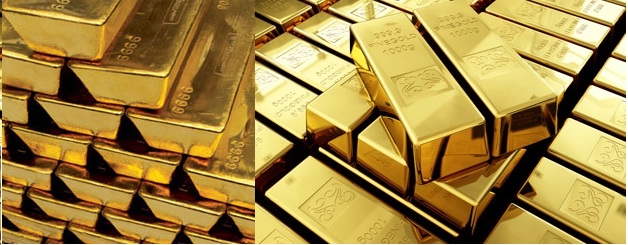
Gold Bars (Investment Grade)
Available from 1 gram to 1 kilogram in 24K (99.9%) purity. Gold bars have the lowest premiums over spot price among physical gold products and are the preferred form for serious investors. Internationally recognized brands (PAMP Suisse, Valcambi) are available through licensed dealers in Nairobi.
Gold Coins
Popular investment and collector coins available in Kenya include the South African Krugerrand (22K), Canadian Maple Leaf (24K), American Gold Eagle (22K), and Austrian Philharmonic (24K). Premiums of 3–5% over spot are typical for standard bullion coins; rare or limited editions carry higher collectibility premiums.
Gold Jewellery (18K and 22K)
The most common form of gold available across Kenya. Widely sold at retail jewellers, markets, and online platforms. Making charges of 8–20% above raw gold value are standard. Best for personal use and gifting; less efficient as pure investment due to making charges that are not recovered on resale.
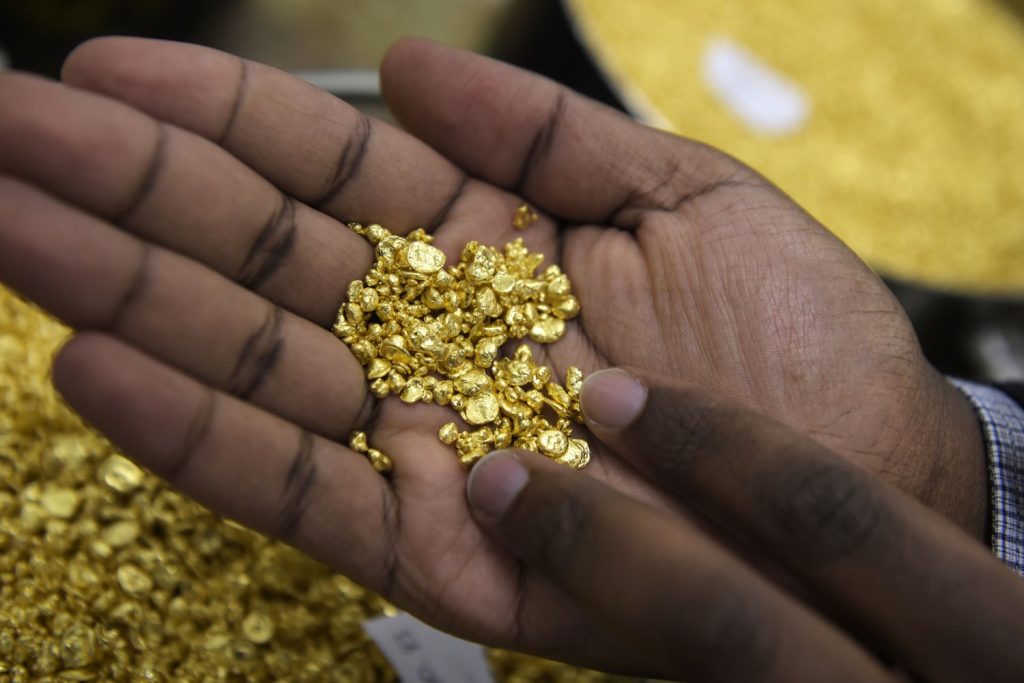
Gold Nuggets
Naturally occurring gold pieces from Migori and other artisanal mining regions. Priced based on weight and purity (typically 80–95%). Popular with collectors; purity verification via assay is essential before purchase.
Gold Dust
Fine gold particles from alluvial mining operations. Purity varies significantly; requires laboratory testing. Used as raw material by refineries and bulk traders. Not recommended for retail investors without professional testing facilities.
Gold ETFs on the Nairobi Securities Exchange (NSE)
For investors who prefer non-physical gold exposure, gold exchange-traded funds (ETFs) listed on the Nairobi Securities Exchange provide liquid, cost-efficient access to gold price movements without physical storage requirements.
Capital gains on NSE-listed securities are exempt from CGT for individual investors in Kenya — a meaningful tax advantage. Check current available instruments directly with your NSE broker.
Digital Gold Platforms
Platforms like GoldVault Africa enable fractional gold ownership online, allowing Kenyan investors to buy as little as KES 500 worth of gold digitally. Ideal for small investors and regular savers looking to accumulate gold over time. Verify platform licensing and storage arrangements before investing.
Buying Gold in Kenya: What Should You Check?
Before purchasing gold in Kenya, take time to verify the product and the seller. A quoted gold rate alone does not establish the authenticity or quality of a gold bar.
Check these details before completing a transaction:
- Purity: Confirm whether the product is 24K, 22K or another fineness.
- Weight: Ensure the stated weight matches the measured weight.
- Assay documentation: Request appropriate documentation showing the gold’s tested purity and weight.
- Seller verification: Check the seller’s business identity and any applicable dealer authorisations.
- Final price: Ask for a clear breakdown of the gold value, premium and additional charges.
- Transaction records: Keep invoices, payment records and relevant product documentation.
You can also read our guide on where to buy gold bars locally.
How to Buy Gold Safely in Kenya: Step-by-Step
Step 1: Choose a Licensed Dealer
Work only with dealers registered with the Directorate of Mines and Geology under the Ministry of Mining and Blue Economy. Verify the dealer’s license number and check for any complaints or regulatory actions.
Step 2: Get a Live Quote
Gold prices change every minute. Request a real-time quote based on the current LBMA spot price and the prevailing USD/KES rate. Use goldrate24.com or livepriceof gold.com as independent verification of the current KES gold rate.
Step 3: Verify Gold Purity
For any purchase above 10 grams, request:
- Assay certificate from an accredited laboratory
- Hallmark stamp on the product (999 for 24K, 916 for 22K, 750 for 18K)
- For bars: branded hallmark from an LBMA-accredited refinery (e.g., PAMP Suisse, Metalor, Rand Refinery)
Step 4: Confirm Documentation for Export
International buyers must comply with Kenya’s export regulations:
- KRA (Kenya Revenue Authority) export declaration
- Certificate of Origin
- Mines and Geology Department export permit for gold above specified thresholds
- Assay certificate confirming purity
Step 5: Use Secure Payment Methods
- Bank transfer (preferred for amounts above KES 500,000)
- Escrow service for international purchases — never wire funds directly to an unverified party
- Avoid cash for large transactions — illegal under Kenya’s Anti-Money Laundering Act for transactions above KES 1 million
Step 6: Arrange Insured Storage or Shipping
- Local storage: Secure safe deposit boxes at major Kenyan banks (KCB, Equity Bank, Standard Chartered) from approximately KES 5,000/year
- International shipping: Use insured freight via Brinks, DHL, or Malca-Amit with full value declared. Allow 3–7 business days for international delivery from Nairobi’s Jomo Kenyatta International Airport (JKIA).

Gold Taxes and Regulations in Kenya
VAT on Gold
Kenya’s Value Added Tax Act imposes VAT on most goods at 16%. However, investment-grade gold bars and coins are generally exempt from VAT under Kenya’s tax framework for financial instruments, provided they meet the required purity standards. Gold jewellery is subject to VAT.
Import Duty on Gold
Gold bars imported into Kenya attract import duty of 0% under the East African Community’s common external tariff for monetary gold. This enables competitive import pricing for investment-grade bullion.
Export Duty
Kenya imposes export levies on raw mineral exports. For refined gold bars, export duties are minimal; for raw artisanal gold, applicable royalties and export documentation requirements apply under the Mining Act.
Capital Gains Tax
Kenya reintroduced capital gains tax (CGT) on property and securities in 2015, currently at 15% for individuals. Whether gold investments are subject to CGT depends on classification — investment gold sold by private individuals may not fall within the CGT scope; consult a Kenya-qualified tax advisor for your specific situation.
AML Compliance
Transactions in gold above KES 1,000,000 are subject to Kenya’s Anti-Money Laundering Act and Proceeds of Crime Act reporting requirements. Licensed dealers are required to conduct KYC (Know Your Customer) verification for all large transactions.
Historical Gold Price Trend in Kenya (2024–2026)
| Period | 24K Gold per oz (KES) | 24K Gold per gram (KES) | Notes |
|---|---|---|---|
| June 2024 | KES 295,423 | ~KES 9,500 | Pre-bull run |
| Dec 2024 | KES 385,000 | ~KES 12,380 | Accelerating global gold surge |
| April 2025 | KES 445,745 | ~KES 14,330 | 2025 peak; gold ATH approached |
| August 2025 | KES 431,458–444,635 | KES 13,864–14,118 | (Old article’s reference point) |
| Jan 28, 2026 | ~KES 680,000+ | ~KES 21,870+ | Global ATH at $5,602/oz |
| May 2026 | KES 597,000–610,000 | KES 19,200–19,600 | Current |
| 1-year gain | — | +41% | (vs. May 2025) |
The gold price in Kenya is 41% higher than a year ago and more than double where it stood in June 2024 — one of the strongest multi-year performances of any asset class available to Kenyan investors.
Is Gold a Good Investment in Kenya?
Gold has been one of the top-performing assets for Kenyan investors over the past two years, delivering approximately 41% returns year-on-year in KES terms and over 100% in the past two years — significantly outperforming the Nairobi Securities Exchange 20-Share Index and bond yields over the same period.
Key reasons to consider gold for a Kenyan investment portfolio in 2026:
Inflation hedge: At approximately 3.8% inflation, Kenya’s purchasing power erosion is manageable, but structural risks remain. Gold historically outpaces inflation over multi-year periods.
Currency diversification: Holding gold effectively provides indirect USD exposure without requiring a foreign currency account, as gold is priced globally in dollars.
Portfolio stabilization: Experts recommend 5–10% gold allocation as a standard portfolio hedge. For Kenyan investors with significant KES-denominated assets, gold provides meaningful non-correlated diversification.
Liquidity: Gold is globally tradable. Investment-grade bars purchased today can be sold in Nairobi, Dubai, London, or Hong Kong without restriction.
Physical security: Unlike digital or equity assets, physical gold held in allocated storage or a personal safe cannot be hacked, frozen, or defaulted on.
Why Buy from Buy Gold Bars Africa Ltd?
As Kenya’s premier gold dealer, Buy Gold Bars Africa Ltd offers:
Direct Mine Sourcing: We source 24K gold directly from ethical, licensed artisanal miners across Kenya’s Migori Greenstone Belt, Uganda, Tanzania, and the DRC — bypassing costly intermediaries and offering prices 10–15% below global averages.
Full Certification: Every gold product comes with assay certificates, proof of origin, and export documentation. Our operations comply fully with Kenyan, East African, and international standards.
Ethical Mining: We support mercury-free mining initiatives including planetGOLD, ensuring environmentally responsible practices and fair wages for artisanal miners in Migori and Kakamega.
Secure Transactions: Bank transfers, escrow accounts, and full insured shipping via trusted carriers including DHL and Brinks — delivering to clients in 5–7 business days globally.
Global Reach: Based in Nairobi with agents in Dubai, Hong Kong, and Paris, we serve clients across Africa, Europe, Asia, and the Americas.
Frequently Asked Questions About Gold Rates in Kenya
What is the gold rate today in Kenya?
The gold rate today in Kenya changes with the international spot price and the USD/KES exchange rate. Use the live gold price widget on this page to check the latest indicative rates in Kenyan shillings.
How much is 24K gold per gram in Kenya?
The 24K gold price per gram is calculated from the international spot price for fine gold, converted into Kenyan shillings. The live widget provides the current indicative rate.
Is the gold price in Nairobi different from other parts of Kenya?
The underlying spot price is generally based on the same international gold market. However, retail prices can vary between sellers because of premiums, testing costs, product availability and other transaction expenses.
What is the difference between 24K and 22K gold?
24K gold is generally finer, commonly available in 999 or 999.9 purity. 22K gold contains approximately 91.67% pure gold mixed with other metals.
Why is the physical gold price higher than the spot price?
Physical gold products can include manufacturing, refining, assay, distribution and dealer costs. These charges are added to the underlying metal value.
Does the Kenyan shilling affect gold prices in Kenya?
Yes. Since international gold prices are commonly quoted in US dollars, changes in the USD/KES exchange rate affect the equivalent gold value expressed in Kenyan shillings.
Check the Latest Gold Rate in Kenya
Checking the gold rate today in Kenya helps buyers, sellers and gold-market researchers understand the current value of gold before making a transaction. Use the live price widget to follow changes in 24K, 22K and other gold purities, and compare rates per gram, troy ounce and kilogram.
For information about physical gold products and purchasing enquiries, visit Buy Gold Bars Africa Ltd or contact our team.