
List of Major Gold Refineries in Zimbabwe & their Locations
Zimbabwe’s gold refineries play an important role in processing locally mined gold, testing its purity and supporting the country’s precious metals industry. The leading facility is Fidelity Gold Refinery (FGR) in Harare, which handles gold purchases, assaying and refining for producers across the country. A second refinery has also been licensed for Bulawayo, with operations expected to begin in 2027.
Zimbabwe is one of Africa’s established gold-producing countries, with production from both large-scale mining companies and artisanal and small-scale miners. Refining helps convert mined gold into higher-purity material suitable for commercial trading, manufacturing and other uses.
This guide explores the major gold refining facilities in Zimbabwe, their locations, refining processes, services and importance to the country’s gold trade. It also explains what international gold buyers should understand when evaluating Zimbabwean gold suppliers.
Gold Refineries in Zimbabwe include;
1. Fidelity Gold Refinery (FGR)
Fidelity Gold Refinery (Private) Limited is Zimbabwe’s principal gold refining company. Located in Harare, it is responsible for purchasing gold from approved producers, assaying gold deposits and refining gold to higher purity levels.
The company operates within Zimbabwe’s formal gold marketing system and serves both large-scale mining companies and small-scale producers. Its activities support the collection, testing and processing of gold from different mining regions.
Location of Fidelity Gold Refinery
Fidelity Gold Refinery’s head office is located at:
No. 1 George Drive, Msasa, Harare, Zimbabwe.
The company provides gold purchasing and refining services through its central operations and a decentralised network of gold buying centres.
For official information about its operations and services, visit the Fidelity Gold Refinery website.
Gold refining services
Fidelity Gold Refinery uses several established techniques to process gold and remove impurities. According to its official operations information, the facility can refine gold to purities of 99.5% and above.
Its listed refining methods include:
- Miller chlorination process: A refining technique that uses chlorine to remove certain impurities from molten gold.
- Electrolytic refining: An electrochemical process used to separate gold from other metals and produce high-purity material.
- Aqua regia refining: A chemical process that dissolves gold and allows it to be separated and recovered from impurities.
The refining method used depends on the material being processed and the required purity.
Gold assaying and purity testing
Assaying is an important part of gold processing because it determines the quantity and purity of gold contained in a sample.
Fidelity Gold Refinery provides different testing options, including the specific gravity method and fire assay. The fire assay process involves laboratory analysis, while the specific gravity method can be used at designated buying centres.
Accurate testing helps establish the gold content of a deposit and supports the calculation of its commercial value.
Gold buying centres across Zimbabwe
Fidelity Gold Refinery has decentralised its gold purchasing activities to serve producers in different parts of the country. Its network includes buying centres in major mining and trading locations such as:
- Harare
- Bulawayo
- Bindura
- Chinhoyi
- Gwanda
- Gweru
- Kadoma
- Kwekwe
- Masvingo
- Mutare
- Zvishavane
- Shurugwi
- Shamva
These centres make it easier for eligible producers to access formal gold purchasing services without transporting their gold over long distances to Harare.
The availability, location and operating arrangements of individual centres should be confirmed directly with Fidelity Gold Refinery before visiting.
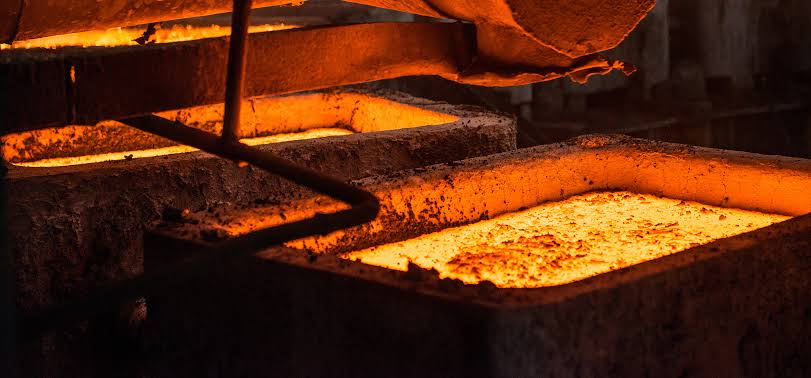
2. The Planned Second Gold Refinery in Bulawayo
Zimbabwe is expanding its gold refining capacity to accommodate growing production and strengthen local mineral processing.
In June 2026, reports citing Bloomberg indicated that the country had licensed a second gold refinery to be established in Bulawayo, Zimbabwe’s second-largest city. The facility was expected to be commissioned in 2027.
The development is intended to provide additional capacity as national gold production increases and demand for processing services grows.
However, the investors behind the project had not been publicly identified in the reports, and the facility should not be treated as an operational refinery until commissioning and operations are independently confirmed.
Why Zimbabwe is establishing another gold refinery
The planned facility reflects several developments in Zimbabwe’s mining industry:
- Increasing gold production: Higher production creates additional demand for refining and processing capacity.
- Expanding local value addition: Processing gold within Zimbabwe supports the country’s domestic mineral value chain.
- Additional refining capacity: A second facility could help reduce pressure on existing processing infrastructure.
- Growth in the gold trade: More refining capacity may support the formalisation and development of the country’s gold industry.
The Bulawayo project is therefore an important development to monitor when researching gold refineries in Zimbabwe.
3. History of Gold Refining in Zimbabwe
Zimbabwe has a long history of gold mining, processing and precious metals trading. Fidelity’s predecessor, Fidelity Printers and Refiners, developed gold refining alongside its other operations before the refining business was separated into Fidelity Gold Refinery.
According to the company’s published history, Fidelity Printers and Refiners received accreditation from the London Bullion Market Association (LBMA) in 1989. However, it was removed from the association in 2008 after failing to meet the stipulated minimum requirement of 10 tonnes.
In 2021, the gold refining and printing operations were separated, creating Fidelity Gold Refinery as a distinct company. Ownership of Fidelity Gold Refinery was transferred to Zimbabwe’s Mutapa Investment Fund in March 2024.
This history is important for international buyers. Previous LBMA accreditation should not be interpreted as evidence that the refinery currently holds LBMA accreditation. Buyers should verify the current status of any refinery accreditation or certification before relying on it.
4. How Gold Is Refined in Zimbabwe
Gold refining involves processing mined or partially processed gold to remove impurities and establish its purity. The exact process depends on the material’s composition, the intended product and the refinery’s capabilities.
The main stages generally include:
Gold collection and inspection
Gold is received from eligible producers and inspected before processing. The material may include doré bars, gold bullion or other forms of gold-bearing material, depending on the refinery’s accepted products.
Weighing and sampling
The gold is weighed, and representative samples are prepared for testing. Accurate weighing and sampling are essential because the final valuation depends on the amount of fine gold contained in the material.
Gold assaying
The sample undergoes an appropriate testing process to establish its gold content and identify other metals or impurities.
Refining and purification
The gold is processed using suitable refining methods to separate it from unwanted materials. Depending on the technique, this may involve chemical treatment, chlorination or electrolysis.
Final purity assessment
After refining, the resulting gold is tested to establish its final fineness. The purity specification should be supported by appropriate assay documentation.
For more information about gold quality, see our guide to the gold purity chart.
5. Why Gold Refineries Are Important to Zimbabwe’s Economy
Gold refineries contribute to Zimbabwe’s mining industry by supporting the processing, testing and formal trading of locally produced gold.
Their importance extends beyond purification.
Supporting the formal gold market: Established refining and purchasing facilities provide formal channels through which eligible miners can sell their gold. This helps strengthen oversight and supports the recording of gold entering the official market.
Improving gold quality and marketability: Refining removes impurities and produces gold with a more clearly established purity specification. This makes the material easier to evaluate for commercial transactions.
Supporting mineral value addition: Processing gold locally allows more stages of the mineral value chain to take place within Zimbabwe rather than relying entirely on processing facilities abroad.
Supporting mining communities: Decentralised gold buying centres can make formal purchasing services more accessible to miners operating outside major cities. This can reduce the distance producers need to travel to sell their gold through approved channels.
Contributing to export earnings: Gold is an important source of foreign currency for Zimbabwe. Formal purchasing, processing and export arrangements support the country’s ability to participate in the international gold market.
6. Can International Buyers Purchase Gold Directly from Zimbabwean Refineries?
International buyers interested in Zimbabwean gold should distinguish between a refinery’s processing services, its gold purchasing activities and its authority to sell or export gold.
A refinery that purchases and processes locally mined gold does not automatically offer unrestricted direct sales to overseas buyers. The availability of gold, permitted transaction arrangements and export requirements depend on the applicable regulations and the parties involved.
Before entering into a transaction, international buyers should establish:
- The legal identity and licensing status of the supplier.
- The documented origin of the gold.
- The gold’s weight, purity and assay results.
- Whether the supplier is authorised to sell the particular gold product.
- The export permits and supporting documents required for the shipment.
- The applicable taxes, duties and destination-country import requirements.
- The agreed payment, delivery and transportation arrangements.
Buyers should also understand the difference between raw gold, doré, refined bullion and investment-grade gold bars. These products have different purity specifications and may be subject to different purchasing and regulatory requirements.
For further guidance, read our articles on how to buy gold bars from Africa safely and the legal requirements for buying gold bars from Africa.

7. Gold Refining in Zimbabwe Compared with Other African Countries
Zimbabwe is part of a wider African gold industry that includes established mining, refining and bullion trading markets.
South Africa has a long-established precious metals refining industry, while Ghana, Tanzania and other gold-producing countries have developed facilities and formal gold trading systems to support their mining sectors.
For international buyers, comparing gold markets requires more than looking at national production figures. Important considerations include refinery capabilities, independently verified purity, supplier credentials, documentation, export procedures and the cost of completing the transaction.
You can explore our country-specific guides to buying gold in Ghana, buying gold in Tanzania and buying gold in South Africa.
8. Frequently Asked Questions About Gold Refineries in Zimbabwe
What is the main gold refinery in Zimbabwe?
Fidelity Gold Refinery (FGR), located at No. 1 George Drive, Msasa, Harare, is Zimbabwe’s principal gold refining company. It purchases gold from approved producers, conducts assaying and provides refining services.
Are there two gold refineries in Zimbabwe?
Fidelity Gold Refinery is the established operating refinery identified in the company’s official information. In June 2026, reports announced that a second refinery had been licensed for Bulawayo, with commissioning expected in 2027. Its operational status should be confirmed before describing it as an active facility.
Where is Fidelity Gold Refinery located?
Fidelity Gold Refinery’s head office is at No. 1 George Drive, Msasa, Harare, Zimbabwe. The company also operates decentralised gold buying centres in various parts of the country.
What purity can Fidelity Gold Refinery produce?
Fidelity Gold Refinery states that it has the capacity to refine gold to purities of 99.5% and above. The actual purity of a particular batch should be confirmed through its assay documentation.
Does Zimbabwe have an LBMA-accredited gold refinery?
Fidelity’s published history states that its predecessor received LBMA accreditation in 1989 but was delisted in 2008. Buyers should check the current LBMA Good Delivery List rather than relying on historical accreditation.
Can foreigners buy gold from Zimbabwe?
Foreign buyers must comply with Zimbabwe’s applicable gold trading and export regulations. They should verify that the seller is authorised to conduct the proposed transaction and that all required export and import documentation can be provided.
What is the difference between a gold refinery and a gold dealer?
A gold refinery processes gold to remove impurities and establish its purity. A gold dealer buys and sells gold. Some businesses may perform both activities, but their licences, permitted services and responsibilities can differ.
Conclusion: Gold Refineries in Zimbabwe
Zimbabwe’s gold refining industry is centred on Fidelity Gold Refinery in Harare, which provides gold purchasing, assaying and refining services to the country’s mining sector. The planned second refinery in Bulawayo could expand local processing capacity when it becomes operational.
For gold producers, refiners provide important services that support purity testing, processing and formal gold trading. For international buyers, however, a successful transaction depends on verifying the supplier, gold origin, purity, legal documentation and export arrangements.
Understanding the role of Zimbabwe’s gold refineries is therefore an important starting point for anyone researching the country’s gold industry or considering a gold transaction involving Zimbabwe.

