Live Gold Price in Europe Today: Gold Rates in EUR and Investment Guide
If you're tracking the live gold price in Europe today — whether you're an investor in Frankfurt, Paris, Zurich, Milan, or Madrid — this page gives you today's EUR-denominated rate per gram, ounce, and kilogram, a full breakdown of what drives it, and an honest comparison against sourcing the same gold directly from Africa. Once you see the numbers side by side, the case for buying certified African gold through Buy Gold Bars Africa instead of a European retail dealer speaks for itself.
Today's Gold Price in Europe — Per Gram, Ounce & Kilogram (EUR)
| Weight | Spot-Equivalent (EUR) | Typical European Retail Price (EUR) |
|---|---|---|
| Per gram (24K) | €123.83 | €128.78 – €133.74 |
| Per 10 grams | €1,238.26 | €1,287.79 – €1,337.32 |
| Per Troy Ounce (31.1g) | €3,852.17 | €4,006.26 – €4,160.34 |
| Per Kilogram | €123,826.09 | €128,779.13 – €133,732.17 |
How the European Gold Price in EUR Is Calculated
The gold price in Europe today starts from the same global benchmark as everywhere else — the LBMA spot rate, quoted in US Dollars per troy ounce. That figure is then converted into Euros using the prevailing EUR/USD exchange rate, before European dealers add their own margin on top. This is why the gold price per gram in EUR can shift meaningfully within a single trading day even when the underlying spot price barely moves — a strengthening or weakening Euro against the Dollar changes what European buyers pay in local currency, independent of what's happening in the gold market itself.
24K, 22K, and 18K Gold: European Purity Standards
24K gold at 99.9% purity is the investment-grade standard reflected in the table above, used across German, Swiss, and other European bullion markets for bars and coins intended for wealth preservation. 22K gold, at 91.6% purity, and 18K gold, at 75% purity, remain common in European jewellery markets, particularly in Italy and France, where fine jewellery manufacturing has deep historical roots. Whichever grade you're comparing, always confirm the exact purity behind any quoted European gold price — dealer markups often vary significantly by grade even when the spot-equivalent difference is straightforward.
Frankfurt, Zurich, Paris, Milan & Madrid: Europe's Gold-Buying Hubs
Germany remains Europe's largest gold-buying market by volume, with strong VAT-exempt demand for investment-grade bars concentrated around Frankfurt's bullion dealers. Switzerland, home to several of the world's largest gold refineries, anchors European wholesale and vaulting activity out of Zurich and Geneva. France and Italy both carry deep-rooted gold-investment cultures — Paris and Milan remain major retail centres — while Spain's gold-trading heritage, centred in Madrid, continues to draw investors comparing European premiums against international alternatives. Across every one of these hubs, buyers are increasingly checking the live gold price in Europe against mine-direct African pricing before committing to a purchase — and once you see why, it's easy to understand.
The VAT Advantage: Why Investment Gold From Africa Still Qualifies
A common misconception among European investors is that buying gold from outside the EU means losing the VAT exemption that makes investment-grade gold so attractive domestically. That's not accurate. Under EU Directive 98/80/EC, investment-grade gold bars at 995+ fineness qualify for VAT exemption regardless of where they were mined or refined — meaning a certified 24K bar sourced directly from Africa carries exactly the same favourable tax treatment as one bought from a domestic European dealer, without the added retail markup layered on along the way. This single fact is what makes direct African sourcing genuinely competitive for EU-based investors, not just a novelty.
Europe vs. Africa: Comparing Today's Gold Price Side by Side
Here's where the real difference shows up. European retail dealers typically price certified 24K gold at 4–8% above LBMA spot — the accumulated cost of import duties, refinery margins, wholesale distribution, and retail overhead layered on before the gold reaches a buyer. As a licensed Africa gold exporter, our pricing sits at just 1–3% above the same spot rate, because our gold moves directly from mine to buyer without passing through those extra layers.
| Source | Typical Premium Above Spot | Indicative Price (EUR/gram) |
|---|---|---|
| Average European retail dealer | 4–8% | €128.78 – €133.74 |
| Buy Gold Bars Africa (mine-direct) | 1–3% | €125.07 – €127.55 |
On a single 10-gram bar, that gap is modest. On a 1 kilogram institutional order, it's the difference between paying roughly €128,000–€134,000 through a European retail channel and paying closer to €125,000–€127,500 sourced directly from Africa — a saving that compounds meaningfully for repeat buyers, jewellers, and wholesalers.
Why African Gold Costs Less Than European Retail Gold
The price gap isn't a quality difference — it's structural. Currency dynamics mean most African currencies trade low against both the US Dollar and the Euro, which lowers real mining and processing costs across the continent. And because gold exported directly from Africa hasn't yet passed through the refiners, wholesalers, and retail jewellers that each add their own margin before reaching a European buyer, the accumulated markup simply never gets added. As a licensed exporter, we pass that structural advantage straight through to you, without cutting corners on certification, documentation, or purity — every bar ships with the same independent assay certification a European dealer would provide.
Buying Certified African Gold as a European Investor
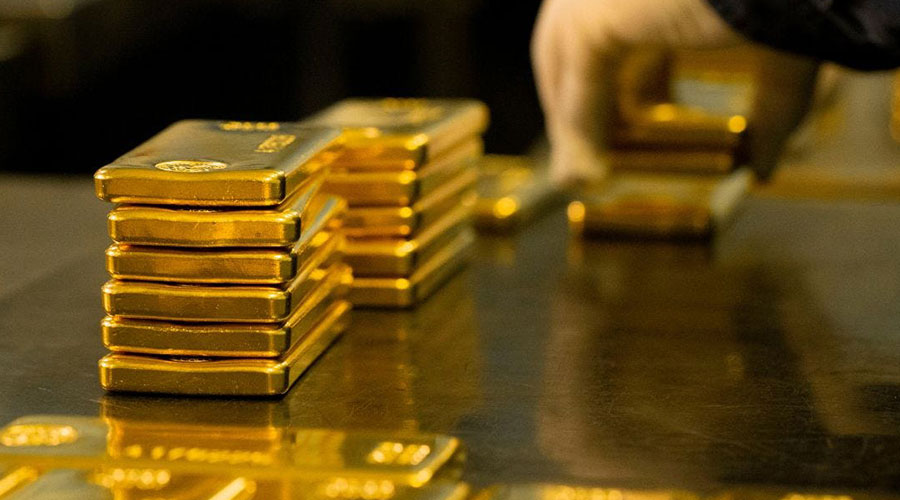
Once you've compared the numbers, sourcing directly is straightforward. Individual investors typically start with a 1 oz gold bar, priced against the live international spot rate. Jewellers and manufacturers across Europe's fine jewellery markets can source consistent-purity 22K gold bars for production runs, while wholesalers and institutional buyers building larger positions typically prefer our gold ingots, complete with certificate of origin and export permit. Collectors interested in raw, uncut material can also review our gold nuggets and bullion selection.
How We Ship Certified Gold to European Buyers
Every shipment to Europe moves through specialised, fully insured precious-metals logistics providers — standard couriers are legally prohibited from carrying bullion. Packaging is discreet, with tamper-evident sealing and continuous chain-of-custody tracking from pickup to delivery, alongside full EU-compliant export and customs documentation prepared in advance. We regularly ship certified 24K gold bars to buyers across Germany, Switzerland, France, Italy, Spain, and the United Kingdom, with insured delivery and full documentation ready for smooth customs clearance at every destination.
What to Verify Before Buying Gold in Europe or From Africa
Wherever you ultimately buy, the same verification checklist protects you. Always request an independent assay certificate confirming purity before paying, verify the seller's licensing directly rather than trusting a claim, compare any quoted price against the live international spot rate rather than an outdated figure, and treat unusually cheap offers as the clearest warning sign of fraud. Our full guide to buying gold bars from Africa safely and our legal requirements guide cover exactly what documentation a compliant cross-border purchase should include.
Buy at the African Price, Not the European Markup
You now have today's live gold price in Europe in EUR, and you've seen exactly how much of that price is genuine spot value versus accumulated European retail markup. There's no reason to keep paying the 4–8% premium a domestic dealer charges when the same certified 24K purity — backed by the same VAT-exempt status under EU law and the same independent assay certification — is available at 1–3% above spot, mine-direct from Africa.
Get a live quote today, benchmarked against the real-time spot rate, and see exactly how much a European investor saves by buying African gold directly.
Ready to buy certified African gold at a fraction of the European markup?
📋 Get a Live Quote | 💬 WhatsApp Us NowRelated Pages
- 24K Gold Bars
- 22K Gold Bars
- 1 oz Gold Bar
- Gold Ingots
- Gold Nuggets & Bullion
- Gold Dust & Doré
- How to Buy Gold Bars Safely
- Legal Requirements to Buy Gold
- Buy Gold in Germany
- Buy Gold in Switzerland
- Buy Gold in France
- Buy Gold in Italy
- Buy Gold in Spain
- Buy Gold in the UK
- Buy Gold in Dubai
- Shipping Gold to the USA
- About Buy Gold Bars Africa
- Contact Us