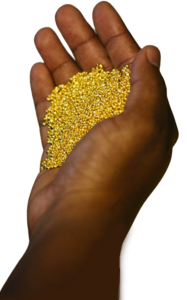
What Is a Gold Bar? Features, Sizes, Pricing & Buying Guide
What is a Gold Bar: A gold bar is a refined piece of gold — typically 99.5% pure or higher — cast or minted into a standardized rectangular shape for investment, trade, or long-term wealth storage.
Unlike jewelry or collectible coins, a gold bar’s value comes almost entirely from its gold content, priced against the live international spot rate rather than craftsmanship or rarity.
Every genuine bar carries a stamped weight, purity, serial number, and refiner’s mark, and sizes range from 1-gram bars for retail investors up to 400-ounce Good Delivery bars used by central banks.
Produced by accredited refiners such as PAMP Suisse, Valcambi, Rand Refinery, and the Perth Mint, gold bars meet strict purity and quality standards recognized in international trade.
They fall under the broader category of gold bullion, alongside coins and rounds, and their appeal comes down to liquidity, portability, and a long track record as a hedge against economic uncertainty.
This guide covers what actually defines a gold bar, the sizes available, how pricing works, and how to buy one safely from a trusted gold bar supplier.
Key Features of a Gold Bar
Every genuine gold bar shares a set of defining features that separate it from jewelry, coins, or informal gold products:
- High, verifiable purity — investment-grade bars run 99.5% (995 fineness) or higher, with 24K (999.9 fineness) as the industry standard.
- Stamped identification — weight, purity, a unique serial number, and the refiner’s mark are stamped directly into every legitimate bar.
- Standardized shape and production — bars are either cast (poured molten gold into a mold, cooling into a solid ingot with a rougher finish and typically lower premium) or minted (cut from rolled sheets and precisely stamped, giving a sharper finish, often with added security features like Kinegram holograms — sometimes called “Kinebars”).
- Accredited refiner backing — bars from an LBMA Good Delivery List refiner (PAMP Suisse, Valcambi, Perth Mint, Rand Refinery, and others) meet strict international standards for purity, weight accuracy, and traceability, making authenticity far easier to verify than an unaccredited local claim.
- Independent certification — a genuine bar ships with a certificate of authenticity listing exact weight, purity, and matching serial number, plus tamper-evident packaging (TEP) that seals the bar against undetected handling or substitution.
Neither cast nor minted bars are inherently more “genuine” than the other — the choice comes down to whether you’re prioritizing the lowest premium (cast) or added security and presentation (minted).
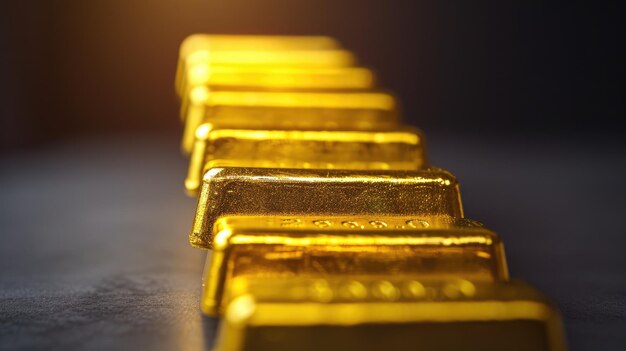
Purity Levels: Is a Gold Bar 100% Gold?
Not quite, though genuine investment-grade bars come extremely close. Purity is measured in fineness — parts per thousand:
- 24K gold (999.9 fineness) — 99.99% pure, the industry standard for investment-grade bullion.
- 995 fineness bars — 99.5% pure, still investment-grade under most bullion market standards.
- 22K gold (916 fineness) — 91.6% pure, more common in jewelry-grade bars and pieces.
- Below 99.5% purity — generally not considered investment-grade, and rare in serious bullion markets.
The remaining trace fraction in a 24K bar consists of negligible refining impurities. Every stamped purity claim should be independently verifiable through an assay certificate — never take a seller’s word alone, no matter how reputable they seem.
Common Sizes and Weights of Gold Bars
Gold bars are measured in troy ounces (31.1035 grams) for international trade — distinct from the everyday avoirdupois ounce (28.35 grams).
Some regions use different units, such as tolas (11.664 grams) in South Asia or taels (roughly 37.4 grams) in China, but troy ounces and grams remain the global standard for bullion trade.
| Category | Weight Range | Typical Buyer |
|---|---|---|
| Small bars | 1 gram – 100 grams | Retail investors prioritizing affordability and liquidity |
| Medium bars | 1 troy ounce – 1 kilogram | Balances overall value with portability |
| Large bars | 400 troy ounces (~12.4 kg) | Central banks and institutional bullion dealers (“Good Delivery” bars) |
How Gold Bars Are Priced
A gold bar’s value comes down to three factors: weight, purity, and the live international spot price of gold — the per-troy-ounce market price quoted on exchanges like the London Bullion Market. As of September 2026, gold spot trades in roughly the $4,300–$4,400 per troy ounce range, shaped by:
- Supply and demand — limited mine output and strong central bank purchasing both push prices upward over time.
- Economic conditions — inflation, geopolitical instability, and currency depreciation typically push gold higher.
- US dollar strength — since gold is priced in dollars, a weaker dollar tends to push gold prices up.
- Interest rates — lower rates make non-yielding gold comparatively more attractive versus bonds.
To estimate a bar’s raw value, multiply its weight in troy ounces by the spot price — a 1-ounce bar at $4,350/oz is worth roughly $4,350 in pure gold content. The final purchase price then adds a dealer premium, and in some jurisdictions, applicable taxes.
Indicative pricing by size (based on ~$4,350/oz spot, current as of publication — always confirm the live rate before buying):
| Size | Weight (Troy Oz) | Weight (Grams) | Approx. Price (USD) | Notes |
|---|---|---|---|---|
| 1 Gram | 0.03215 | 1 | $145–$155 | Higher premium (up to 10%), ideal for first purchases |
| 5 Grams | 0.16075 | 5 | $710–$745 | Affordable entry point, moderate premium |
| 10 Grams | 0.3215 | 10 | $1,410–$1,470 | Popular for gifting and smaller portfolios |
| 1 Ounce | 1 | 31.1035 | $4,435–$4,480 | Standard retail size, highly liquid |
| 100 Grams | 3.215 | 100 | $14,220–$14,500 | Strong balance of value and liquidity |
| 10 Ounces | 10 | 310.035 | $43,910–$44,350 | Preferred by high-net-worth investors, lower per-ounce premium |
| 1 Kilogram | 32.15 | 1,000 | $139,600–$142,300 | Institutional favorite, compact for large holdings |
| 400 Ounces (Good Delivery) | 400 | 12,441 | ~$1,740,000–$1,755,000 | Central bank standard, lowest premium per ounce |
Regional taxes, shipping, and dealer-specific premiums shift these figures further — treat this table as a planning reference, not a locked quote.
How Gold Bar Authenticity Is Verified
Genuine bars carry multiple layers of built-in and independent verification:
Built into the bar: a registered serial number matched to an accompanying certificate, a certificate of authenticity listing exact weight and purity, tamper-evident packaging, and — on some minted bars — Kinegram hologram security features.
Independently, buyers can verify through:
- X-ray fluorescence (XRF) testing — fast, non-destructive, and highly accurate for confirming elemental composition.
- Density testing — comparing weight-to-volume ratio against gold’s known density of 19.3 g/cm³.
- Independent assay certification from a recognized lab, confirming purity and weight before any transaction closes.
Every gold bar sold through Buy Gold Bars Africa ships with full documentation covering all of the above, so buyers aren’t relying on visual inspection alone.
Uses of Gold Bars
Gold bars serve several distinct purposes, which is part of why they remain such a versatile asset:
- Wealth preservation — a tangible hedge against inflation, currency devaluation, and broader economic uncertainty.
- Portfolio diversification — gold’s historically low correlation with stocks and bonds helps reduce overall portfolio risk, and bars typically carry lower premiums than coins for large purchases.
- Central bank reserves — countries including China, India, and Russia hold large Good Delivery bars to help back currency stability.
- Safe-haven asset — gold bars can’t be frozen the way bank accounts can, and they retain recognized value across virtually every global market.
- Cultural and gifting purposes — smaller bars, particularly 10-gram sizes, are commonly gifted during weddings and festivals across South Asia and the Middle East as symbols of prosperity.
Investment Gold vs. Jewelry Gold
Investment gold — bars, ingots, and bullion coins — is priced almost entirely on weight and purity against the spot rate, with a relatively small premium. It’s built to be resold or traded with minimal value loss, making it the efficient choice for wealth preservation specifically.
Jewelry gold carries the added cost of craftsmanship, design, and brand, meaning you typically pay well above the raw gold content — a premium that’s largely non-recoverable at resale. Jewelry still holds real sentimental and cultural value, but it’s rarely the efficient choice for pure investment purposes.
If wealth preservation is the goal, 24K or 22K investment-grade bars hold value far more efficiently than an equivalent weight in finished jewelry.
Buying Gold Bars Safely: A Quick Checklist
- Confirm the dealer’s licensing and reputation with the relevant mining or precious metals authority in their jurisdiction.
- Request an independent assay certificate confirming exact weight and purity.
- Check the serial number against the accompanying certificate of authenticity.
- Compare the quoted price against the live international spot rate — a price significantly below spot for genuine 24K gold is a serious red flag.
- Confirm export and import documentation for international purchases.
- Choose secure, insured shipping or storage rather than informal transport arrangements.
- Understand the buy-sell spread — dealers typically buy back gold slightly below spot price, which affects your eventual resale value.
Our guides on how to buy gold bars from Africa safely and the legal requirements for buying gold bars from Africa walk through each of these steps and the cross-border documentation in more depth.
Buying Gold Bars From Africa
Sourcing gold bars directly from African gold bar suppliers can offer genuinely competitive pricing compared to retail-heavy Western markets, since buying direct from licensed miners and refiners removes several layers of intermediary cost.
Importing internationally still requires real diligence — proper export permits, an independent assay report, and compliance with your destination country’s customs and tax requirements.
Working with an established, documented Africa gold exporter is what makes this route both accessible and safe. Buy Gold Bars Africa Ltd handles sourcing, certification, and export logistics directly, offering 24K gold bars, 22K gold bars, gold ingots, gold nuggets, and gold dust with full documentation for buyers in Uganda, South Africa, Tanzania, and international markets including Dubai and beyond.
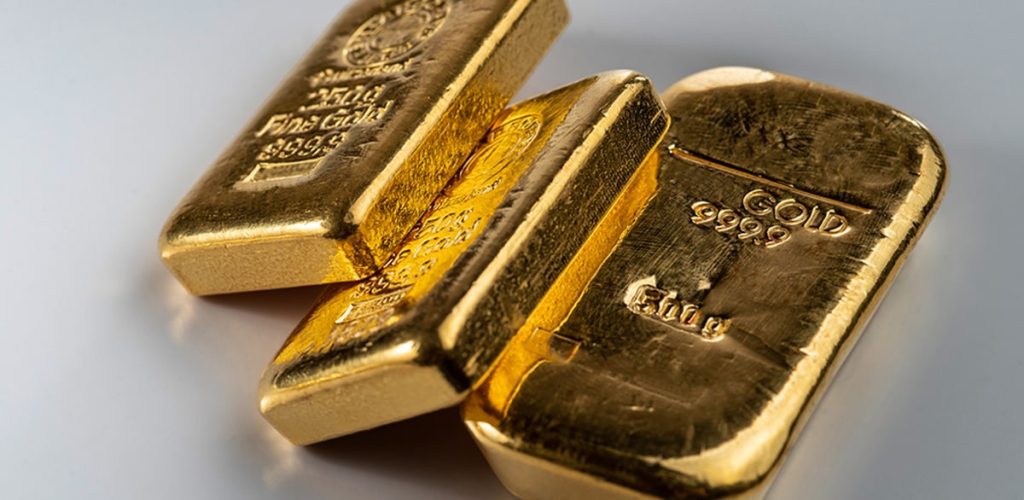
FAQs – What is a Gold Bar
What is the price of a gold bar? Its weight multiplied by the live market spot price, plus a dealer premium that varies by size, brand, and purity.
What are the most common sizes of gold bars? 1 gram, 10 grams, 1 troy ounce (31.1 grams), 1 kilogram (32.15 troy ounces), and 400 troy ounces (Good Delivery bars used in institutional trading).
Are gold bars a good investment? They can be a strong hedge against inflation and economic uncertainty, with a long history of value retention — though like any investment, they carry risks including price volatility and storage costs.
What’s the difference between a gold bar and a gold coin? Bars are typically larger, priced almost entirely on weight and purity, and preferred by bulk investors. Coins are smaller, often government-minted with legal tender status, and can carry a higher premium tied to collectibility.
Are there taxes on gold bars? Tax treatment varies significantly by country — some jurisdictions exempt investment-grade gold from VAT or sales tax, others don’t, and capital gains tax may apply at resale. Consult a tax professional for guidance specific to your country.
Can I sell a gold bar once I own it? Yes — back to your original dealer, to other bullion dealers, or through reputable auction platforms. Expect the buyback price to sit slightly below the live spot rate.
Buy Certified Gold Bars With Us
Understanding what a gold bar actually is — its purity, weight standards, and how authenticity gets verified — puts you in a genuinely stronger position as a buyer, whether you’re purchasing your first 1-gram bar or sourcing bulk 24K gold for export.
The fundamentals never change: know the current spot price, insist on independent certification, and buy only from a dealer willing to show exactly how their price relates to the live market.
As a trusted, documented Africa gold exporter, Buy Gold Bars Africa Ltd prices every bar transparently against the live spot rate, backs every purchase with full assay certification, and handles export logistics end to end for buyers around the world.
Contact us today for a live quote, or browse our full range of certified gold bars to start your purchase with full confidence in what you’re buying.
Related Pages
- 24K Gold Bars
- 22K Gold Bars
- 1 oz Gold Bar
- Gold Bars and Rounds
- Gold Ingots for Sale
- Gold Dust & Doré
- Gold Nuggets & Bullion
- Gold for Sale in Kampala, Uganda
- Where to Buy Gold in South Africa
- Buy Gold in Tanzania
- Buy Gold in Dubai
- How to Buy Gold Bars from Africa Safely
- Legal Requirements for Buying Gold Bars from Africa
- About Us