
Can I Bring Gold from Africa to Canada? Complete 2026 Legal Guide
Can I Bring Gold from Africa to Canada: Yes — it is fully legal to bring gold from Africa to Canada, provided you declare it at the border if its value exceeds CAD $10,000, carry proper documentation (certificate of origin, assay report, commercial invoice), and source it from a licensed exporter rather than an unverified seller.
Investment-grade gold at 99.5%+ purity is GST/HST-exempt in Canada, which makes properly documented African gold one of the more tax-efficient ways to build a physical gold position. Here’s everything you need to know before you buy, carry, or ship gold from Africa to Canada in 2026.
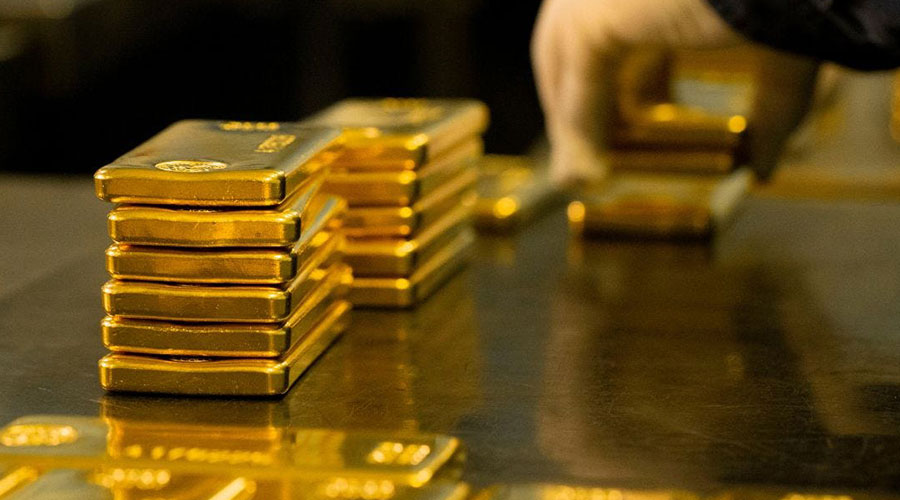
Exporting Gold from Africa to Canada: The Basics
Africa remains a top source of premium, investment-grade gold, with countries like Ghana, Uganda, Kenya, Tanzania, South Africa, and the Democratic Republic of Congo offering rich opportunities for international buyers.
If you’re looking to bring gold from Ghana to Canada, the first step is partnering with a licensed gold exporter registered with the Ghana Minerals Commission — you’ll need a signed purchase contract, an assay report, and an export permit before the gold can be declared at Ghana customs and cleared under Canadian import regulations.
For buyers wanting to export gold from Uganda to Canada, ensure the gold is sourced from a certified dealer, such as those licensed by Uganda’s Directorate of Geological Survey and Mines (DGSM).
Uganda’s export procedure requires a Gold Export Permit, a certificate of origin, and an assay report issued by a government-recognized refinery.
On arrival in Canada, the gold must be declared at customs to comply with CRA and CBSA import rules and facilitate smooth clearance — a process we handle end-to-end at Buy Gold Bars Africa, sourcing certified 24K and 22K gold bars directly from Uganda’s licensed mining sector.
Similarly, you can buy gold in Kenya and send it to Canada through Ministry of Mining-approved exporters, who issue a Certificate of Export and assay verification before any international shipment.
For gold sourced from the DRC, expect extra scrutiny due to strict international controls on minerals from conflict-affected regions — every shipment must carry full traceability documents and clear proof of legitimate sourcing, moved through specialist logistics firms like Malca-Amit, Brinks, or G4S for high-value transport into North America.
In general, exporting gold from Africa to Canada is legal and entirely feasible when you comply with both the source country’s mining regulations and Canada’s import laws. Working with legal counsel or an experienced trade partner helps avoid documentation gaps and money-laundering risk flags at the border.
Canada Customs Rules for Bringing Gold from Africa
You can legally bring gold into Canada, but it must be declared at customs if its value exceeds CAD $10,000 — this threshold covers gold bullion and coins alongside cash and other monetary instruments, since Canadian regulators treat refined, tradeable bullion as a monetary instrument under the Proceeds of Crime (Money Laundering) and Terrorist Financing Act.
Carrying gold without proper declaration can lead to seizure or significant fines. Always present invoices and certificates showing the gold was legally purchased and meets investment-grade standards before crossing the border.
Is It Legal to Import Gold from Africa to Canada?
Yes. Importing gold into Canada is legal provided it’s sourced legitimately, declared properly, and compliant with both Canadian and international trade rules.
Canada places no restriction on the quantity of investment-grade gold bars and coins you can import, as long as amounts over CAD $10,000 are declared.
Work only with certified African suppliers and carry proper documentation — origin certificates, invoices, and assay reports — and avoid any gold with unclear provenance to stay compliant with Canadian AML requirements.
What Documents Do You Need to Import Gold into Canada?
Carry these documents when bringing gold into Canada:
- Certificate of Origin — proves legal, ethical sourcing.
- Commercial Invoice — proof of purchase and price paid.
- Assay or Hallmark Certificate — confirms purity and authenticity.
- Export Permit — issued by your African supplier where required.
These documents support your customs declaration and help avoid delays, penalties, or seizure. Always request originals from your supplier and keep copies both on you and on file — our own process guarantees this documentation on every order, as detailed on our How to Buy Gold Bars Safely guide.
Do You Pay Taxes or Duty on Gold Imported into Canada?
This is where a lot of buyers get confused, so it’s worth being precise. Under the Excise Tax Act, investment-grade gold bullion — bars, coins, ingots, or wafers refined to at least 99.5% purity — is zero-rated for GST/HST purposes, meaning no sales tax applies at the point of import, and no duty tariff typically applies to properly classified monetary gold bullion either. This exemption covers virtually all certified 24K bars from recognized refiners and internationally recognized coins.
The exemption does not extend to gold jewelry or non-qualifying items. Declared gold jewelry is generally subject to tariffs of up to roughly 6.5%, plus applicable GST/HST or provincial sales tax, since jewelry falls under a different customs classification than monetary bullion.
If you’re specifically importing certified 24K investment bars rather than jewelry, confirm this classification with your supplier’s documentation before you travel or ship, since it’s the single biggest factor determining whether you owe anything at the border. Always confirm current CRA and CBSA guidance directly, as classification rules and thresholds can change.
Best African Countries to Buy Gold for Canadian Buyers
Canadian buyers most often source gold from Uganda, Ghana, Tanzania, and South Africa — Africa’s leading producers. Uganda offers competitive pricing and efficient logistics through Kampala’s licensed exporters, Ghana is known for stable, regulated exports, Tanzania offers high-purity bullion from the Geita and Mwanza belts, and South Africa provides refined, LBMA-certified gold through established refineries.
Each country offers certified, ethical, investment-grade gold at different price points, so the right choice depends on your budget, preferred purity, and shipment timeline.
Why Canadian Buyers Should Source Gold from Africa
Buying gold in Africa means lower dealer premiums, direct sourcing from mines, and ethically managed supply chains, compared to a Canadian retail dealer layering on significant markup.
As a licensed Africa gold exporter, our pricing typically runs just 1–3% above the international spot rate, whereas Canadian retail dealers commonly charge 5–8% above spot once import costs, refining margins, and retail overhead are factored in — a real, if more modest, saving than some suppliers claim, but a meaningful one on larger orders.
When properly documented and declared, sourcing from Africa is both legal and genuinely advantageous for investors and jewelers seeking better margins and authentic, traceable bullion.
African Gold Price vs. Canadian Gold Price: What You Actually Save
As of mid-2026, the international gold spot price sits at roughly $4,430 per troy ounce (about CAD $6,200 at current USD/CAD exchange rates of ~1.40), which works out to approximately CAD $199 per gram at spot. Here’s how that plays out once dealer premiums are applied:
| Source | Typical Premium Above Spot | Indicative 24K Price per Gram (CAD) |
|---|---|---|
| Canadian retail dealer | 5–8% | ~CAD $209 – $215 |
| Buy Gold Bars Africa (mine-direct) | 1–3% | ~CAD $201 – $205 |
On a single gram the difference looks small, but scaled to a 1kg order — a common size for serious investors and jewelers — that gap represents thousands of Canadian dollars in savings for exactly the same certified 24K purity, backed by the same independent assay certification a Canadian dealer would provide.
How to Carry Gold from Africa to Canada Safely
If you’re personally carrying gold rather than shipping it, use tamper-proof packaging, keep the gold in carry-on luggage rather than checked bags, and declare it to CBSA on arrival without exception. Choose direct flights where possible and keep all documentation easily accessible.
For larger quantities, a professional courier is generally the safer option. Avoid drawing attention to the gold during travel, and inform security officers discreetly if asked. Insurance is strongly recommended for higher-value shipments — alternatively, we can arrange secure, fully insured shipping directly to your Canadian address, removing transit risk entirely.
How Much Gold Can You Carry on a Plane to Canada?
There’s no legal cap on how much gold you can bring into Canada, provided it’s declared once its value exceeds CAD $10,000. Airlines may impose their own carry-on weight limits (typically around 7–10 kg), so check with your carrier beforehand.
Investment-grade gold is best kept in hand luggage for security, and beyond a certain volume, insured shipping becomes the more practical option regardless of the legal limit.
Should You Ship or Carry Your Gold When Importing to Canada?
Both approaches have trade-offs. Carrying gold personally is faster and cheaper and keeps you in direct control, but exposes you to theft risk and airline weight restrictions.
Shipping through an insured courier costs more and takes longer but is significantly safer for larger quantities, with full tracking and insurance included. For small personal investments, carrying it yourself works well if you follow the declaration rules closely.
For larger or business-scale imports, we arrange fully insured, tracked shipment directly to Canada — see our Exporting Gold Bullion process for how this works end to end.
Supply Chain Transparency and Security
Beyond documentation and tax rules, two things deserve attention on every purchase. First, supply chain transparency — verify your gold has no connection to conflict, human rights abuses, or environmental harm, and request proof of ethical sourcing before you buy.
Second, security — high-value gold shipments face real theft risk in transit, which is why adequate insured logistics matter more than cost-cutting on shipping. Our full sourcing and compliance standards are detailed on our legal requirements guide.
Top Mistakes to Avoid When Importing Gold to Canada
The most common errors we see: failing to declare gold exceeding CAD $10,000, lacking proper documentation like a certificate of origin, and buying from unverified suppliers chasing an unrealistically low price.
Avoid conflict or uncertified gold entirely — the legal exposure isn’t worth it. Neglecting customs rules or using improper packaging can also lead to delays or outright seizure. Plan for potential jewelry tariffs if that’s what you’re importing, follow your airline’s carry-on rules, and work only with trusted, licensed partners.
How to Verify Gold Before Bringing It Into Canada
Verify authenticity by requesting assay certificates, hallmarks, and certificates of origin from your supplier before you pay. Use trusted third-party testing labs or XRF analyzers to independently confirm purity, and check that weight and packaging seals are consistent and untampered.
Buying from a reputable, licensed dealer significantly reduces the risk of counterfeit product, and keeping documentation accessible protects you both at customs and at resale. Our own verification standards are outlined further on our How to Buy Gold Bars Safely page.

Why Work with Buy Gold Bars Africa for Your Canadian Gold Import
We offer certified, ethically sourced gold directly from African mines at competitive, mine-direct pricing, with full transparency through independent documentation, professional purity testing, and secure insured shipping.
Our expertise in export compliance and logistics helps minimize your risk and maximize the savings that come from cutting out the retail markup layer entirely.
Whether you’re after a single 1 oz gold bar, bulk gold ingots, or raw gold nuggets and bullion, we handle sourcing, certification, and export as one seamless process.
Where Else We Ship
Beyond Canada, we regularly export certified African gold to buyers in Dubai, the United Kingdom, Switzerland, and Germany, with the same certified purity and export documentation applied to every destination regardless of where your shipment is headed.
Buy Gold from Africa to Canada Today
Importing gold into Canada is a genuinely convenient path to physical gold ownership — but only if you follow the rules. Declare your gold at the Canadian border without exception, confirm any applicable duty in advance if you’re importing jewelry rather than pure investment bullion, and never cut corners on documentation.
Partner with a licensed, certified African exporter and the entire process becomes straightforward, legal, and financially advantageous. Contact us today through our Contact page or WhatsApp to get a live quote and start your compliant gold import into Canada.
Related Pages
- 24K & 22K Gold Bars
- 1 oz Gold Bar
- Gold Ingots
- Gold Nuggets & Bullion
- Gold Dust
- How to Buy Gold Bars Safely
- Legal Requirements to Buy Gold from Africa
- Uganda Gold Export Tax
- Gold Bars for Sale in Kampala
- Buy Gold in Tanzania
- Where to Buy Gold in South Africa
- South Africa Gold Export Licence
- Buy Gold in Dubai
- Buy Gold in the UK
- Buy Gold Online in Switzerland
- About Buy Gold Bars Africa
- Contact Us
This article summarises publicly available Canadian customs and tax guidance for general informational purposes and is not legal or tax advice. Gold classification, duty rates, and GST/HST rules can change — confirm current requirements with the CBSA, CRA, or a qualified customs broker before importing gold into Canada.

