How to Calculate VAT on Gold in UAE – An Ultimate Guide
How to Calculate VAT on Gold in UAE: The UAE charges 5% VAT on gold, but only on retail jewelry and gold below 99% purity. Investment-grade gold — 99%+ purity, in gold bar, ingot, or coin form, tradable on global bullion markets — is zero-rated at 0%. For jewelry, that 5% applies to the full retail price, including making charges, not just the raw gold value.
The Two VAT Categories That Determine Your Rate
Before you can calculate anything, you need to know which category your gold falls into, because the UAE treats gold very differently depending on its form and purity.
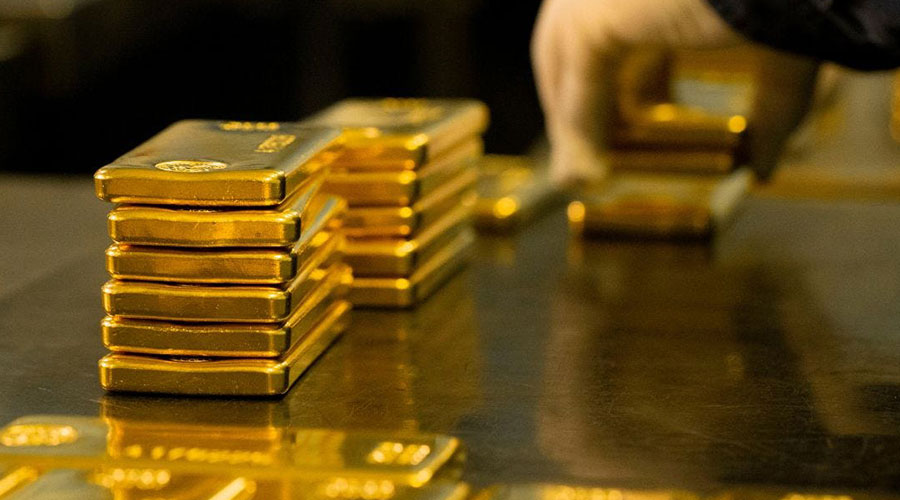
Investment-grade precious metals (0% VAT): Gold bars, ingots, or coins with a purity of 99% or higher (24K), in a form tradable on international bullion markets. The first supply of this metal after production or refining is zero-rated — this exemption exists specifically to keep the UAE competitive as a global bullion trading hub.
Retail gold jewelry (5% VAT): Anything below 99% purity — 18K, 21K, 22K jewelry — is standard-rated at 5% VAT on the full transaction value. This is the rate most individual buyers actually pay when purchasing jewelry in Dubai’s gold souks or retail stores.
The distinction matters because it’s not just about how much gold is in the piece — it’s about form and purpose. A 24K gold bar bought as an investment is zero-rated; a 24K gold chain sold as jewelry is not automatically zero-rated the same way, since it’s no longer in bullion-tradable form.
How to Calculate VAT on a Jewelry Purchase
For retail jewelry, VAT applies to the total price you pay — gold value plus making charges — not the gold weight alone. The formula is straightforward:
VAT Amount = (Gold Value + Making Charges) × 5% Total Price = Gold Value + Making Charges + VAT Amount
Worked example: Say you’re buying a 22K gold necklace weighing 20 grams, with gold priced at AED 380 per gram and making charges of AED 800.
- Gold value: 20g × AED 380 = AED 7,600
- Plus making charges: AED 7,600 + AED 800 = AED 8,400
- VAT (5% of AED 8,400): AED 420
- Total price: AED 8,820
Making charges are never exempt, even if the underlying gold itself would qualify for zero-rating in another context — once it’s fabricated into jewelry, the full value is standard-rated.
How Investment-Grade Gold Is Calculated Differently
If you’re buying a 99.9% pure 1kg gold bar as an investment, there’s no VAT to add at all, provided the seller correctly classifies it as investment-grade:
- Gold value: 1,000g × spot price per gram
- VAT: AED 0 (zero-rated)
- Total price: gold value only, no VAT added
This is one of the reasons Dubai remains attractive for gold investment compared to markets that tax bullion at the standard rate — the exemption applies specifically to preserve gold’s role as a trading and investment asset rather than a consumer good.
The Reverse Charge Mechanism (B2B Transactions)
If you’re a VAT-registered business buying gold from another VAT-registered UAE supplier, a different rule applies: the Reverse Charge Mechanism (RCM). Under Cabinet Decision No. 127 of 2024, this covers gold, silver, platinum, palladium, diamonds, pearls, and other precious stones, plus jewelry where the precious content outweighs other components.
Under RCM, the seller does not charge VAT on the invoice at all. Instead, the VAT-registered buyer self-accounts for the VAT directly in their own VAT return — reporting both the output VAT and, where eligible, reclaiming it as input VAT in the same filing. This keeps cash from changing hands unnecessarily between two registered businesses and reduces fraud risk in high-value trading.
RCM only applies when both parties are VAT-registered and the transaction meets the qualifying criteria — it does not apply to sales to individual, non-registered consumers, who continue to pay standard 5% VAT (or 0% on qualifying investment gold) at the point of sale as usual.
Other Things Worth Knowing
- Exports are zero-rated. Gold and precious metals leaving the UAE for export are not subject to VAT, which is part of why Dubai functions as a major re-export hub for bullion.
- Tourist VAT refunds exist. Visitors can reclaim VAT paid on jewelry purchases through the UAE’s tax-free shopping scheme — keep your original receipts with the tax-free tag attached and process the refund before departure.
- A valid tax invoice matters. For VAT-registered businesses, input VAT can only be reclaimed against a properly issued tax invoice — an invoice without correct VAT details can mean losing that recovery entirely.
- Registration threshold applies to traders. Businesses trading gold must register for VAT once taxable supplies cross the mandatory threshold — and zero-rated or reverse-charged transactions still count toward that threshold, even though no VAT changes hands at the point of sale.
Getting It Right
The core question to ask before calculating anything is simple: is this investment-grade bullion, or retail jewelry? That one distinction determines whether you’re adding 5% to the full price or paying nothing at all. For anything beyond a straightforward retail purchase — particularly B2B trading, exports, or large-volume transactions — it’s worth confirming the correct treatment with a UAE tax advisor before finalizing pricing, since misclassifying a transaction can mean either overcharging a buyer or under-reporting VAT liability.