How to Find the Best Gold Deals in 2026 | Complete Buyer’s Guide
How to find the best gold deals: The best gold deals come from comparing live spot-price-linked pricing across multiple licensed dealers, buying larger bars or bulk quantities to lower your per-gram premium, avoiding any deal priced suspiciously below spot, and timing purchases around price dips rather than demand spikes. A “good deal” on gold isn’t a low sticker price — it’s a low, transparent premium over the current spot price from a dealer who can prove purity and provenance.
Gold pricing looks simple from the outside — check the spot price, pay roughly that plus a bit — but the “plus a bit” is where most of the real difference between a good deal and an overpriced one actually lives. Here’s what actually separates a genuine gold deal from a costly mistake.
Here’s How to find the best gold deals;
Start With the Spot Price, Every Time
Before evaluating any offer, know the current spot price per gram or ounce. Every legitimate dealer prices against this benchmark, so it’s your only real reference point for judging whether a quote is fair. Spot moves throughout the trading day, so check it right before you buy rather than relying on a number from yesterday — a price that looked competitive this morning can look inflated by the afternoon if gold has moved.
Understand What a “Good Premium” Actually Looks Like
The premium — the amount charged above spot — is where dealers make their margin, and it varies predictably by format and size:
| Format/Size | Typical Premium Over Spot |
|---|---|
| 1 gram bars | 5–10% |
| 10 gram bars | 4–8% |
| 1 oz bars | 2–3% |
| 1 kg bars | 1–3% |
| Jewelry | Highly variable — often 15%+ due to making charges |
A “deal” advertising a large discount below these ranges isn’t a bargain — it’s a red flag. A deal charging noticeably more than these ranges, without a clear reason (rare collectible status, extremely fast delivery, bespoke design), is simply overpriced. Comparing quoted price against the correct premium band for that format is the single most reliable way to evaluate any gold offer.
Buy Bigger to Pay Less Per Gram
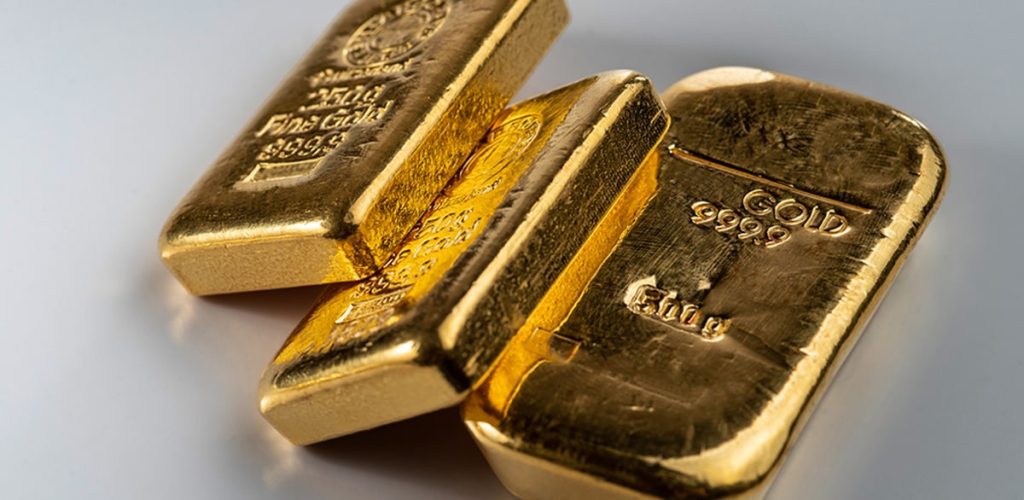
If your goal is value rather than flexibility, size matters more than almost any other factor. A 1 oz gold bar carries a meaningfully lower premium than the equivalent weight in 1-gram bars, and a 1 kg bar carries the lowest premium of any common retail format.
The trade-off is liquidity — a kilogram bar is harder to partially sell than a stack of smaller ones — so the “best deal” size depends on whether you’re optimizing for cost efficiency or flexibility to sell in smaller increments later. For investors buying in volume, checking bulk pricing directly with a dealer is worth the conversation before committing to retail-sized purchases.
Compare Multiple Dealers Before Committing
Premiums vary meaningfully between dealers for the exact same product. Get quotes from at least two or three sources — a mix of local dealers, established online platforms, and, where relevant, direct mine-adjacent sourcing — before finalizing a purchase.
Direct sourcing regions, such as buying gold in Africa rather than through a multi-layered US or European retail chain, often carry lower premiums simply because there are fewer intermediaries marking up the price along the way. Our guide on where to buy gold in Africa covers this comparison in more depth.
Time Your Purchase Around Demand, Not Just Price
Gold’s spot price moves with global markets, but the premium you pay often moves with local demand — festival seasons, wedding periods, and moments of acute economic anxiety tend to push dealer premiums up even when spot hasn’t moved much.
Buying during quieter periods, rather than immediately after a price spike or during peak seasonal demand, is one of the more reliable ways to secure a better effective price without needing to predict where spot itself is headed.
Red Flags That Signal a Bad Deal, Not a Good One
- Pricing significantly below spot. There’s no such thing as a legitimate deep discount on physical gold — this is the single most common sign of counterfeit or misrepresented material.
- No assay certificate or purity documentation. A dealer who can’t or won’t provide third-party verification of purity and weight isn’t offering a deal worth taking, regardless of price.
- Pressure to pay immediately or in cash. Legitimate dealers give you time to verify their credentials and accept traceable payment methods.
- Vague or unverifiable licensing claims. Ask directly which authority licenses the dealer, and confirm it independently rather than taking their word for it.
- Bundled “bonus” gold or unusually generous loyalty offers. These are more often a sign of a marketing gimmick inflating the base price than genuine added value.
Factor In the Full Cost, Not Just the Sticker Price
The quoted price per gram isn’t the whole picture. Depending on where and how you buy, also account for:
- Shipping and insurance, if buying online or internationally
- Storage costs, if you’re not keeping the gold at home
- Resale spread — the gap between what a dealer would pay to buy the gold back from you and what you paid, which affects your real cost of ownership if you don’t hold long-term
- Any applicable taxes, which vary significantly by country and by whether you’re buying investment-grade bullion or jewelry
A slightly higher upfront premium from a dealer with strong buy-back terms and no hidden fees can end up cheaper overall than a lower headline price from a dealer who makes it expensive to sell back later.
Verify Before You Buy, Not After
The single habit that protects you from almost every bad gold deal: confirm the dealer’s licensing, request the assay certificate before payment (not after), and cross-check the quoted price against the live spot rate yourself rather than trusting the dealer’s stated “market price.” This takes a few extra minutes and eliminates the overwhelming majority of gold-buying regrets.
Finding a Genuinely Good Gold Deal
A good gold deal isn’t the lowest number you can find — it’s the lowest legitimate premium over the real spot price, from a dealer who can prove what they’re selling.
Check spot before every purchase, understand the fair premium range for the format you want, compare more than one source, and treat unusually good pricing as a warning sign rather than good fortune.
For current pricing on certified 24K gold bars, browse our 1 oz gold bars or gold bars and rounds, or contact our team for a live, spot-referenced quote.