
Gold Spot Price vs Physical Gold Price: Key Differences
The difference between the gold spot price and the physical gold price is that the spot price represents the market value of gold, while the physical gold price is what you pay to purchase an actual gold bar, ingot, or coin. Physical gold usually costs more than its spot value because the final price can include refining, manufacturing, packaging, dealer premiums, transportation, and other applicable charges.
Understanding the difference between gold spot price and physical gold price helps buyers compare bullion products, calculate the value of gold, and avoid paying excessive premiums when purchasing gold bars.
Gold Spot Price vs Physical Gold Price Explained
The gold spot price is a wholesale market reference for gold, generally quoted in US dollars per troy ounce. The physical gold price is the actual selling price of a specific gold product offered by a dealer.
Although both prices are connected, they are not necessarily identical. The spot price provides a starting point for calculating the value of gold, while the physical price reflects the additional costs of supplying a finished product to a buyer.
What Is the Gold Spot Price?
The gold spot price refers to the market price of gold for immediate or near-term delivery. It is commonly used by bullion dealers, investors, refiners, and financial markets as a reference for valuing gold.
Gold spot prices are influenced by global trading activity, investor demand, currency movements, interest rates, and economic conditions. The quoted price can change frequently during market trading.
Gold is commonly quoted per troy ounce. One troy ounce equals approximately 31.1035 grams, which is different from the ordinary ounce used to measure everyday goods.
The spot price is useful because it allows buyers to estimate the underlying value of gold before considering the additional costs of purchasing a physical product.
What Is the Physical Gold Price?
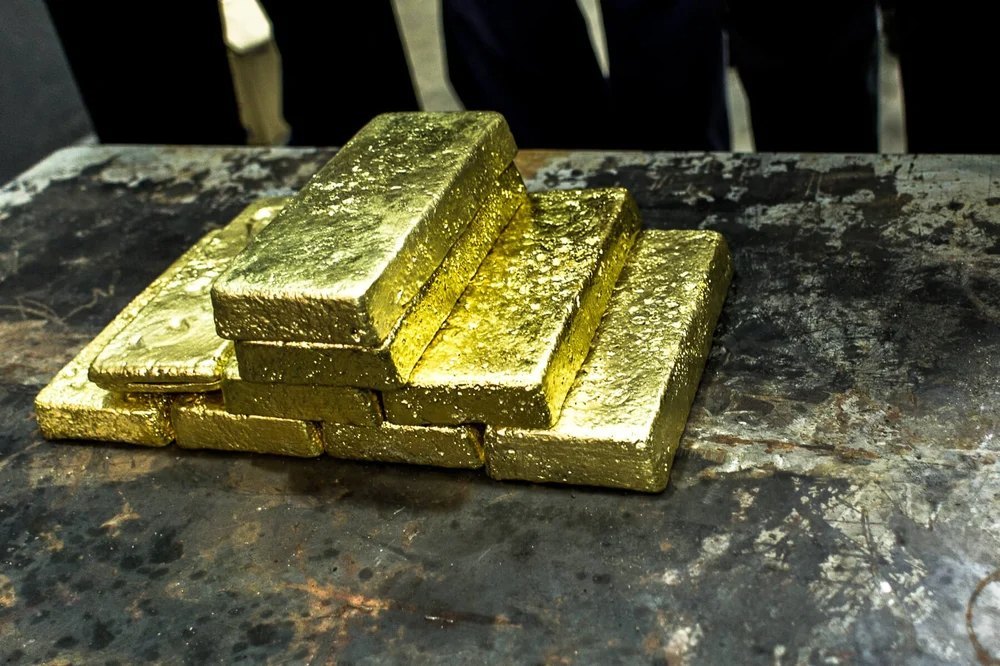
The physical gold price is the amount a buyer pays for a tangible gold product, such as a gold bar, ingot, or bullion coin.
Unlike the spot price, the physical gold price includes the value of the gold itself plus any applicable product and transaction costs.
For example, when purchasing a physical gold bar, the seller may include charges for refining, manufacturing, packaging, authentication, distribution, and business operations.
The final price can also depend on the bar’s weight, purity, refinery, market demand, and the dealer’s pricing policy.
This is why two gold bars containing the same amount of pure gold may have different selling prices.

Why Is Physical Gold More Expensive Than the Spot Price?
Physical gold often sells above spot because producing and supplying a finished gold product involves additional costs.
The difference between the spot value and the physical selling price is commonly called the gold premium.
Several factors can influence the premium:
1. Refining costs: Gold may need to be refined to achieve the required purity and fineness before it can be manufactured into investment bullion.
2. Manufacturing costs: Gold bars and coins require production processes, quality control, and product identification.
3. Packaging and authentication: Some products include protective packaging, serial numbers, assay information, or security features.
4. Dealer margin: Dealers include a margin to cover operating expenses and generate a profit.
5. Transportation and insurance: Moving physical gold between suppliers, storage facilities, and buyers may involve secure logistics and insurance costs.
6. Product size: Smaller gold bars often carry higher premiums per gram because manufacturing and handling costs are spread across less gold.
Learn more about gold bar premiums and why physical bullion may cost more than its underlying gold value.
How to Calculate the Physical Gold Price
You can estimate the value of a physical gold product by using the live spot price, its weight, and its purity.
Gold value = Weight × Purity × Spot price per unit of weight
For example, a gold bar weighing 100 grams with a purity of 999.9 contains approximately 99.99 grams of pure gold.
To estimate its underlying gold value:
- Check the current 24K gold spot price per gram.
- Confirm the bar’s actual weight and purity.
- Calculate the amount of pure gold it contains.
- Multiply the pure gold weight by the spot price per gram.
- Add the dealer’s premium and any applicable transaction costs.
The result is an estimate of the physical gold purchase price. The dealer’s actual quotation may differ depending on the product and transaction terms.
Gold Spot Price, Physical Price, and Buy-Back Price
When buying or selling gold, it is important to understand three different prices.
| Price | Meaning |
|---|---|
| Gold spot price | Market reference value of gold |
| Physical gold price | Price charged to purchase a gold bar or coin |
| Gold buy-back price | Price a dealer offers when purchasing gold from you |
The physical gold price is often above spot, while a dealer’s buy-back offer may be below spot or close to it, depending on the product and market conditions.
The difference between the price you pay and the amount you receive when selling is known as the buy-sell spread.
A large spread can reduce your potential return, even if the market price of gold increases. Before buying, ask the dealer how much they would pay to buy back the same product under current conditions.
Does Gold Purity Affect the Difference Between Spot and Physical Price?
Yes. Gold purity affects the amount of pure gold contained in a product and therefore its underlying metal value.
For example, 24K gold is generally high-purity gold, while 22K, 18K, and 14K gold contain progressively lower proportions of pure gold.
A lower-purity item may have a lower gold value per gram than a high-purity bar of the same total weight. However, jewellery may also include design, craftsmanship, and retail costs that influence its selling price.
Check the product’s fineness and weight before comparing prices. You can use our gold purity chart to understand common gold purity markings.
How to Compare Gold Spot Price and Physical Gold Price Before Buying
To compare gold products accurately, do not rely only on the headline price displayed by a dealer.
Instead, check the following:
- The current gold spot price
- The product’s weight and purity
- The total price of the physical gold
- The premium above the underlying gold value
- Any shipping, insurance, tax, or other applicable charges
- The dealer’s buy-back terms
Compare products containing similar amounts of pure gold. This makes it easier to identify differences in premiums and understand the actual cost of purchasing bullion.
You can explore gold bars for sale and learn more about buying physical gold online before making a purchase.
Gold Spot Price vs Physical Gold Price FAQs
Can I buy physical gold at the spot price?
Usually, retail buyers pay more than the spot price because physical gold products include premiums and other costs. The exact difference depends on the product, seller, and market conditions.
Is the gold spot price the same everywhere?
Gold is traded in international markets, but published spot quotations may differ slightly between providers because of pricing sources, bid and ask values, currencies, and update times.
Why do small gold bars have higher premiums?
Smaller bars often require similar manufacturing, packaging, and handling processes to larger bars, but those costs are spread across less gold. This can result in a higher premium per gram.
Is the physical gold price better for buyers than the spot price?
The physical gold price is the amount buyers need to consider when purchasing an actual product. Spot price is useful as a reference, but it does not represent the complete cost of owning physical gold.
Conclusion
The gold spot price represents the market reference value of gold, while the physical gold price reflects the cost of purchasing an actual gold product. Physical gold usually costs more than spot because of premiums, manufacturing, distribution, and other applicable expenses.
Before buying gold bars or coins, compare the spot value, product purity, weight, dealer premium, and buy-back price. Understanding these differences helps you evaluate gold quotations more accurately and make informed purchasing decisions.
For more information about gold products and purchasing options, visit Buy Gold Bars Africa.

