Minimum Order Quantities for Gold Bars: All you need to know
Minimum Order Quantities for Gold Bars: Navigating minimum order quantities for gold bars can feel overwhelming for first-time gold buyers, especially when buying gold bars in Africa. Many newcomers search for a simple answer to “what is the minimum amount of gold you can buy,” only to encounter conflicting information from suppliers, online forums, and export regulations.
Minimum Order Quantity (MOQ) in the gold industry refers to the smallest quantity a supplier is willing to sell in a single transaction. African gold suppliers structure orders differently from retail jewelers or online bullion dealers in Europe or the US.
Some local dealers accept small trial orders measured in grams, while refineries and exporters often require kilogram-level gold bar MOQ due to high fixed costs in processing, compliance, and logistics.
This comprehensive first time gold buyer guide explains everything you need to know about minimum gold order requirements when dealing with African gold suppliers. You’ll learn realistic expectations, required documentation for gold export procedures, pricing dynamics, red flags to avoid, and how trusted partners like 24K Gold Bars Africa Limited support newcomers.
Whether you want a few grams for personal investment or wholesale gold bars for larger portfolios, understanding these rules helps you buy confidently and legally.

What Is a Minimum Order Quantity for Gold Bars?
A Minimum Order Quantity (MOQ) is the lowest volume or weight a seller agrees to supply. In gold trading, MOQs protect suppliers from disproportionate costs relative to revenue.
Suppliers set MOQs because of several fixed expenses: assay testing at refineries, export licensing and government fees, secure packaging and shipping insurance, customs documentation, and compliance with international anti-money laundering (AML) and Know Your Customer (KYC) regulations. Small orders often cost suppliers nearly as much to process as medium ones, so many raise thresholds.
Retail gold buying (e.g., walking into a jewelry shop or ordering 1 oz bars online from major bullion dealers) has very low or no MOQ. You can often buy gold online in 1-gram increments. Wholesale gold trading, especially international exports from Africa, operates differently. Gold dealers in Africa, refineries, and exporters prioritize efficiency and regulatory compliance, leading to higher gold bar MOQ.
Refineries may set gold refinery minimum orders at 5–50 kg because they process large batches for purity certification. Exporters factor in minimum kilograms for gold export to justify air freight, armored transport, or container shipping. Local dealers near mining areas sometimes offer more flexibility for first-time gold buyers.
Typical Minimum Gold Orders Buyers Should Expect
Here is a practical overview based on common practices among African gold suppliers:
Typical Minimum Gold Orders Buyers Should Expect
|
Supplier Type |
Typical MOQ |
Best For |
Notes |
|
Local dealer |
10g – 100g |
Personal investment, testing |
Higher premiums per gram |
|
African exporter |
1kg – 5kg |
Serious first-time buyers |
Common starting point for international sales |
|
Refinery supplier |
5kg – 50kg |
Wholesale gold bars |
Better pricing, full documentation |
|
Institutional seller |
100kg+ |
Large investors, businesses |
Lowest per-unit costs |
These figures vary by country (e.g., Ghana, Uganda, Tanzania, South Africa) and current market conditions. Some reputable suppliers now offer trial orders as low as 100–500g for verified buyers, but expect higher per-gram costs.
How many gold bars can I buy? This depends on size. A 1kg bar is standard for many exports, while smaller 10g, 100g, or 1 oz bars suit beginners.
Types of Gold Bars Buyers Can Order
African suppliers offer various formats of 24K gold bars and related products:
- 1 gram bars: Ideal entry point for first-time gold buyers. High premium but low total investment.
- 10 gram bars: Popular balance of affordability and practicality.
- 100 gram bars: Good for mid-level investors.
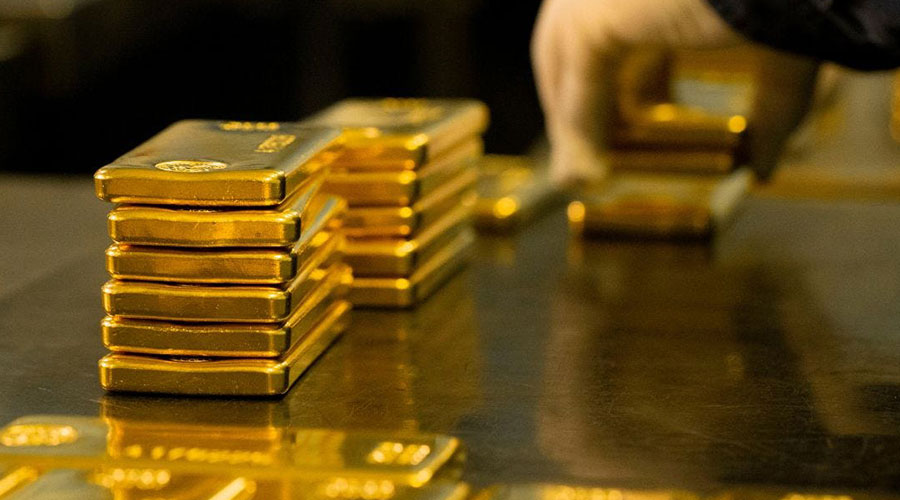
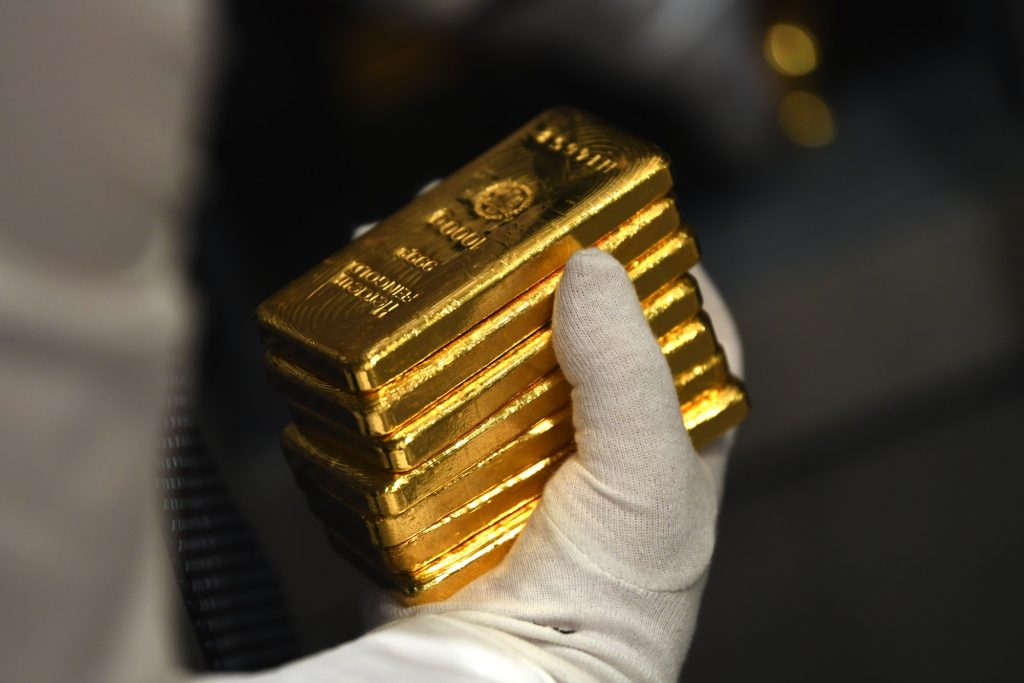
- 1kg gold bars: Most common for wholesale gold bars and exports. Efficient for shipping and storage.
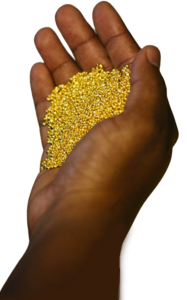
- Dore bars: Semi-refined gold (typically 22–23K) straight from mines. Common in West and East Africa; requires further refining.
24K gold bars (99.9%+ purity) dominate refined exports from Africa. Dore bars appear more in initial mining-stage deals. 1kg bars and 100g bars are among the most requested for buying gold bars in Africa due to liquidity and ease of verification.
Why African Gold Suppliers Often Require Higher MOQs
Several structural reasons explain higher minimum order quantities for gold bars in Africa:
- Export licensing costs: Governments require licenses, fees, and royalties. These are fixed costs that make tiny shipments uneconomical.
- Government documentation and compliance: Gold export procedures involve multiple ministries. AML/KYC checks, source verification, and tax clearances add overhead.
- International shipping expenses: Secure air freight, insurance, and armored transport cost thousands regardless of size. Larger orders spread these costs.
- Security arrangements: Gold requires specialized handling to prevent theft or tampering.
- Assay and refinery charges: Independent testing (e.g., by SGS or local bodies) ensures purity but incurs fees best justified by larger volumes.
Countries like Ghana, Uganda, Tanzania, and South Africa enforce strict rules to combat smuggling and ensure traceability. South Africa’s Rand Refinery and formal channels often support smaller refined bars, while artisanal-heavy regions lean toward kilogram minimums.
These factors protect legitimate African gold suppliers and buyers while raising barriers for informal trade.
Can First-Time Buyers Purchase Small Quantities?
Yes — but with caveats. Many first-time gold buyers successfully start with small quantities through patient suppliers.
Trial orders and sample shipments exist, especially from dealers open to building long-term relationships. You can sometimes buy gold online or arrange 50g–500g starter amounts. However, international small exports face challenges: high relative shipping/insurance costs, stricter scrutiny on documentation, and potential delays at customs.
Risks of buying tiny quantities internationally include elevated scam potential and logistics headaches. Many serious gold dealers in Africa avoid very small exports because they attract more regulatory attention relative to value. Start by verifying the supplier thoroughly, perhaps visiting in person or using escrow services if available.
For pure investment without export hassles, consider buying refined bars locally or through established international platforms first, then scale into African sourcing.
Important Documents for Gold Purchases
Proper paperwork builds trust and ensures smooth gold export procedures. Expect these key documents:
- Certificate of Origin: Proves the gold’s African source country.
- Export Permit/License: Issued by the relevant mining or trade authority.
- Assay Report: Independent purity and weight verification (crucial for 24K gold bars).
- Commercial Invoice: Details quantity, price, and parties involved.
- Airway Bill / Bill of Lading: Shipping proof.
- Tax Clearance / Royalty Payment Receipts: Confirms government dues paid.
- Refinery Certificate (for processed bars): Details refining process and final purity.
Reputable suppliers provide full document packages and assist first-time gold buyers with verification. Always cross-check with independent labs or your country’s customs.
How Pricing Changes With Order Size
Gold pricing follows the global spot gold price plus premiums. Larger minimum gold orders typically unlock:
- Better discounts on refining and logistical premiums.
- Lower shipping cost per kilogram.
- Reduced per-unit refining charges.
Small quantities often carry higher premiums (5–15%+ over spot for gram bars) due to fabrication and handling. Wholesale 1kg+ orders approach closer-to-spot pricing after deductions. Factor in export taxes, import duties in your country, and insurance.
Always request transparent breakdowns: spot price, premium, logistics, and total landed cost.
Red Flags When Buying Gold Bars Online
Protect yourself with these warning signs:
- Unrealistically low prices (e.g., large discounts below spot).
- Sellers refusing site visits, video calls, or third-party verification.
- Lack of export documentation or vague answers about licenses.
- Requests for unusual payments (e.g., untraceable methods, heavy upfront fees).
- No clear refinery information or assay details.
- High-pressure tactics or “limited time” deals.
Legitimate African gold suppliers welcome due diligence. Use escrow where possible and consult lawyers familiar with cross-border precious metals trade.
Buying Gold Bars from Trusted African Suppliers
Buy Gold Bars Africa Ltd stands as a reliable partner for first-time gold buyers seeking 24K gold bars and wholesale gold bars. we offer flexible yet realistic minimum order quantities for gold bars, full export support, secure transaction options, and comprehensive documentation assistance.
our team guides newcomers through every step — from understanding gold bar MOQ to navigating gold export procedures in key producing countries. With emphasis on transparency, assay-certified purity, and compliance, we help minimize risks while delivering quality African gold. Whether starting small or scaling to larger volumes, our support makes buying gold bars in Africa accessible and trustworthy.
FAQs About Minimum Gold Orders
What is the minimum amount of gold you can buy?
It varies. Local dealers may accept 10–100g, while exporters often start at 1kg. Some offer trial amounts for verified buyers.
Can I buy one gold bar only?
Yes for small retail bars (e.g., 1oz or 100g) from certain dealers. International exporters usually prefer larger consolidated shipments.
Do African suppliers accept small orders?
Some do for trials; others focus on kilogram minimums for efficiency and compliance.
Is buying gold online safe?
It can be when dealing with verified, licensed African gold suppliers who provide full documentation and transparent processes. Always perform due diligence.
How much does a 1kg gold bar cost?
Roughly based on current spot price (e.g., around $130,000+ depending on market rates) plus premiums, refining, and logistics. Get real-time quotes.
What documents are needed for gold export?
Assay report, export permit, certificate of origin, commercial invoice, tax clearances, and more. Trusted suppliers handle most of this.
Can gold be shipped internationally?
Yes, via secure air freight with proper insurance and documentation. Import rules in your destination country apply.
Are there taxes on imported gold?
Most countries impose import duties, VAT, or GST. Check with your customs authority.
Conclusion
Understanding minimum order quantities for gold bars empowers first-time gold buyers to make informed decisions when buying gold bars in Africa. From small trial purchases to wholesale gold bars, the market offers opportunities — provided you respect logistics, regulations, and supplier realities.
Gold remains a timeless store of value. Partner with experienced, compliant gold dealers in Africa like us to navigate MOQs, secure authentic 24K gold bars, and handle gold export procedures smoothly.
Start your journey today — contact trusted suppliers, verify thoroughly, and build your portfolio with confidence in the world’s premier gold-producing continent. Contact Us today to Buy Gold in Africa!