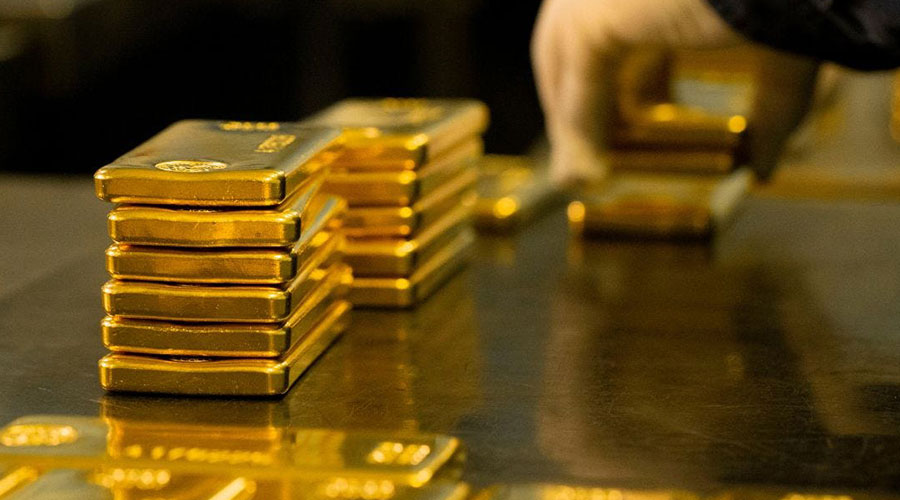
Challenges in Exporting Gold from Sudan & DRC: How Legitimate Suppliers Help
Challenges in Exporting Gold from Sudan & DRC: Exporting gold from Sudan and the Democratic Republic of Congo (DRC) offers tremendous opportunities for international buyers seeking high-quality African gold bars, gold nuggets, and refined bullion.
However, the process involves significant hurdles including conflict-related risks, smuggling networks, complex regulatory requirements, and logistical barriers.
Understanding these challenges in exporting gold from Sudan and DRC is essential for anyone interested in sourcing authentic 24K gold or investing in African gold mining supply chains.
Legitimate suppliers play a crucial role in navigating these issues, ensuring compliance, traceability, and ethical sourcing for safe gold purchases.
This comprehensive guide explores the key obstacles in Sudan gold exports and DRC gold exports, while highlighting how experienced, licensed gold suppliers streamline the process for global buyers.
Whether you’re researching gold export regulations in Africa, best practices for buying gold bars from Sudan and Congo, or reliable ways to import conflict-free African gold, this article provides actionable insights.
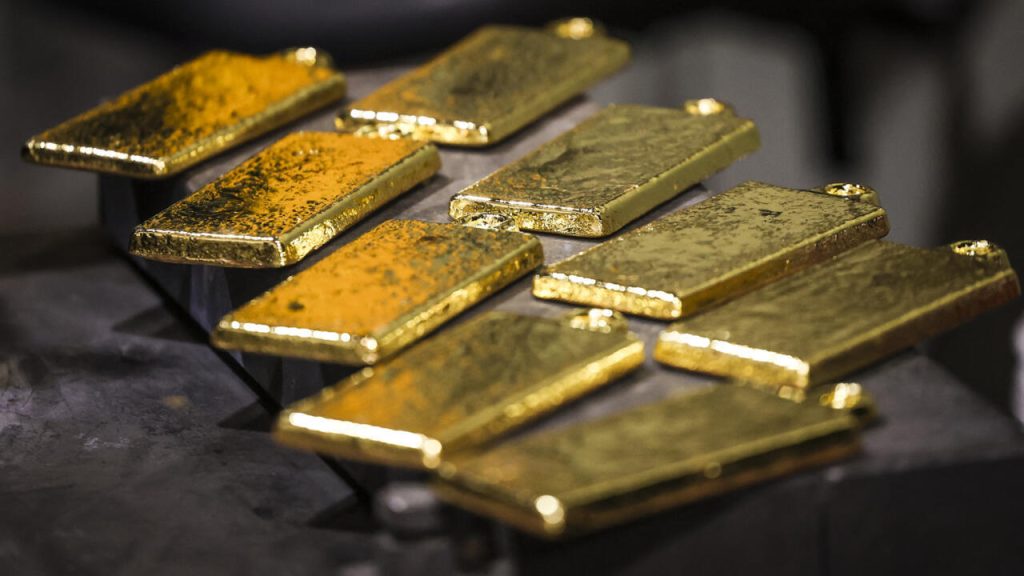
Why Sudan and DRC Are Major Players in African Gold Production
Sudan and the DRC rank among Africa’s top gold producers, with vast artisanal and small-scale mining (ASM) operations contributing the majority of output. Sudan’s gold sector has historically been a vital economic lifeline, even amid conflict, producing dozens of tonnes annually.
Much of Sudan’s gold originates from artisanal miners in regions like Darfur and beyond, often processed locally before export attempts.
The DRC, with its immense mineral wealth in provinces like Ituri, South Kivu, and Orientale, holds some of the richest gold deposits on the continent. Artisanal gold mining dominates here too, but industrial operations also exist. Global demand for physical gold bars, gold dore, and investment-grade bullion drives interest in sourcing directly from these nations.
Major Challenges in Exporting Gold from Sudan
Sudan faces unique obstacles that complicate gold exports. Ongoing civil conflict between the Sudanese Armed Forces (SAF) and Rapid Support Forces (RSF) has disrupted production, infrastructure, and trade routes. Control over gold-rich areas fuels the war economy, leading to heightened risks of smuggling and diversion.
Diplomatic and Trade Route Disruptions: Gold exports to the UAE, a primary destination, have slumped dramatically due to severed diplomatic ties. Official shipments dropped significantly, with broader impacts on shipping and flights. This forces reliance on alternative routes, often through neighboring countries like Egypt or Chad, increasing costs and smuggling incentives.
Smuggling and Revenue Gaps: A massive gap exists between estimated production and official exports. Large volumes of Sudanese gold are smuggled, depriving the government of revenue while exposing buyers to illicit supply chains. Estimates suggest substantial tonnes bypass formal channels annually, often ending up re-exported via intermediaries.
Regulatory and Policy Volatility: Frequent policy changes, such as shifts in Central Bank roles or private export allowances, create uncertainty. Exporters must navigate licensing, taxes, certificates of origin, and compliance with international due diligence standards like OECD guidelines to avoid conflict gold designations.
Infrastructure and Security Issues: Damaged infrastructure, shortages of processing materials (like mercury or cyanide alternatives), and insecurity in mining areas hinder consistent supply.
Artisanal miners operate with limited technology, affecting gold purity and volume consistency for buyers seeking reliable gold bars Sudan.
Environmental and Social Risks: Unregulated ASM leads to environmental degradation, which can trigger scrutiny from international buyers demanding responsible sourcing for ethical gold investments.
These challenges make direct sourcing risky without expert guidance, emphasizing the need for legitimate suppliers who handle compliance.
Key Challenges in Exporting Gold from the DRC
The Democratic Republic of Congo presents its own set of complexities for DRC gold export. While production potential is enormous, systemic issues persist.
Conflict Minerals and Armed Group Involvement: Many gold mining areas in eastern DRC are influenced by armed groups, leading to “conflict gold” concerns.
International regulations require rigorous due diligence to ensure supplies are free from such associations. Smuggling across borders to Rwanda, Uganda, or Burundi is common, complicating traceability.
Regulatory Hurdles and Bureaucracy: Exporters need multiple licenses, including mineral trading licenses from the Ministry of Mines, certificates from the Centre d’Expertise, d’Evaluation et de Certification (CEEC), and compliance with ICGLR regional mechanisms. High taxes and levies encourage informal trade. Recent reforms aim to tighten control, but implementation varies.
Traceability and Illicit Trade: Only a fraction of gold is exported legally with full documentation. Intermediaries sometimes declare minimal amounts officially while handling larger illicit volumes. Buyers risk receiving gold without proper chain-of-custody, affecting resale or refinery acceptance.
Logistical and Infrastructure Barriers: Poor roads, limited refining capacity, and reliance on neighboring hubs (like Uganda for processing) add layers of complexity and cost. Secure transportation, insurance, and customs clearance demand specialized expertise.
Corruption and Informal Networks: Weak governance in some areas leads to bribery demands or falsified documents. This heightens risks for international buyers pursuing “DRC gold export compliance” or “legal gold from Congo.”
Environmental Impact: Artisanal mining often uses harmful practices, prompting demands for sustainable suppliers in the global market for responsible African gold.
Overcoming these requires partners well-versed in local laws and international standards.
How Legitimate Suppliers Help Navigate Gold Export Challenges
Legitimate gold suppliers and exporters in Sudan and DRC bridge the gap between mining operations and global markets. They mitigate risks through established processes, ensuring buyers receive authentic, compliant gold bars or dore.
Expertise in Compliance and Documentation: Reputable suppliers secure all necessary permits, export licenses, certificates of origin, assay reports, and traceability documents. They align with OECD Due Diligence, LBMA standards, and local regulations, reducing rejection risks at international refineries or borders.
Secure Sourcing from Verified Mines: They work directly with licensed cooperatives, miners, and refineries, avoiding conflict zones where possible. This provides chain-of-custody assurance for ethical “conflict-free gold from Sudan and DRC.”
Logistics and Risk Management: Professional suppliers handle secure transportation (e.g., via armored services like Brinks), insurance, refining partnerships, and customs clearance. They manage multi-country routes efficiently.
Quality Assurance and Transparency: Independent assays confirm purity (often 99.9% for refined bars), while transparent pricing protects against fraud. Buyers benefit from escrow services, bank transfers, or verified payment methods.
Market Access and Networking: Established suppliers have relationships with UAE refineries, European buyers, and Asian markets, facilitating better prices and smoother exports despite diplomatic challenges.
Capacity Building and Sustainability: Many invest in formalizing ASM, providing better equipment, and supporting community development, appealing to ESG-focused investors in African gold.
By partnering with such suppliers, buyers avoid common pitfalls in “Sudan gold export challenges” or “DRC gold buying risks.”
Step-by-Step Guide to Legally Exporting Gold from Sudan and DRC
- Company Registration and Licensing: Register locally and obtain mineral trading/export licenses.
- Sourcing and Traceability: Purchase from approved sources with records.
- Assay and Certification: Verify purity and obtain official documents.
- Payment and Contracts: Use secure methods with clear terms.
- Export Permits and Customs: File declarations and pay duties.
- Transportation and Delivery: Arrange insured shipping to destination.
Legitimate suppliers manage or guide through each step for seamless “gold export from Sudan process” or “DRC gold bars export.”
Benefits of Buying Gold Bars from Sudan and Congo Through Trusted Partners
Sourcing via legitimate channels delivers competitive pricing, high purity, diversification benefits, and support for formal economies. Gold remains a strong hedge, with African supplies meeting rising global demand.
Expanded sections on market trends, case studies of successful exports, comparisons of gold types (bars, nuggets, dore), purity standards, pricing factors, due diligence checklists, common scams to avoid, future outlook amid reforms, and sustainability initiatives can fill out the content to depth.
Detailed explanations of each challenge with examples, supplier selection criteria, legal frameworks (specific acts and ministries), risk mitigation strategies, and buyer testimonials further enrich it.
Discussions on refining processes, international buyer requirements (e.g., for US/EU importers), tax implications, and integration with investment portfolios add substantial value.
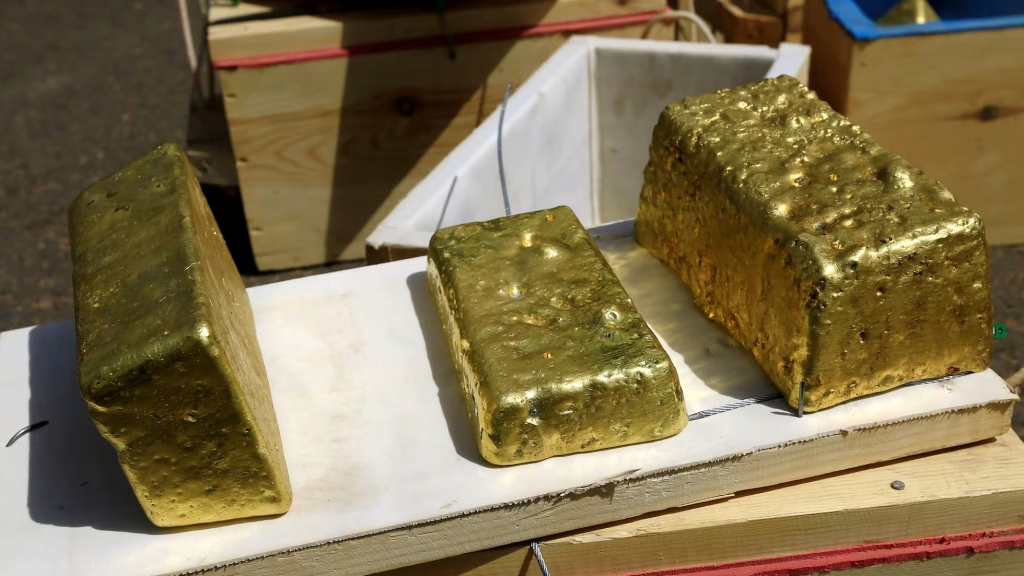
Conclusion: Partner with Buy Gold Bars Africa Ltd for Reliable Gold Purchases
Despite the challenges in exporting gold from Sudan & DRC, legitimate suppliers make it possible to access premium African gold safely, compliantly, and profitably.
Our expertise turns potential risks into rewarding opportunities for buyers worldwide seeking authentic gold bars, gold nuggets, and investment-grade gold bullion.
For seamless transactions, ethical sourcing, full documentation, and competitive rates on Sudan gold and Congo gold, choose a proven partner.
Buy Gold Bars Africa Ltd stands ready with licensed operations, trusted networks across Sudan, DRC, and other African nations, and a commitment to transparency.
Whether you want to buy gold bars in Sudan, source DRC gold exports, or invest in physical African gold, their team ensures a mooth experience from mine to vault.
Contact us today to discuss your requirements, receive quotes on high-purity gold, and secure your supply chain with professionals who prioritize legitimacy and success.
Start your journey into profitable, responsible gold trading from Africa’s richest sources—partner with Buy Gold Bars Africa Ltd for peace of mind and exceptional results.