
Gold Export Fees in Togo: Gold Export Rules & Regulations
Gold Export Fees in Togo: Learn Togo gold export fees, taxes, permits and regulations. Discover licensing, customs, documents and legal steps for exporting gold from Togo safely.
Exporting gold from Togo presents unique advantages for international buyers and traders seeking efficient access to West African gold supplies.
With competitive gold export fees in Togo, low royalty rates, and its strategic position as a regional transit hub, Togo offers streamlined opportunities for sourcing high-quality gold bars, dore, and gold bullion.
However, understanding the full landscape of Togo gold export regulations, licensing requirements, customs procedures, and associated costs is essential for compliant and profitable transactions.
This in-depth guide covers everything you need to know about gold export fees in Togo, including current royalty structures, transit advantages, licensing steps, challenges, and best practices for buying gold in Togo through trusted channels.
Whether you’re researching “Togo gold export royalty rates 2026,” “how to legally export gold from Togo,” “Togo gold transit fees,” or “legitimate gold suppliers in Lomé,” this article delivers actionable insights optimized for clarity and compliance.
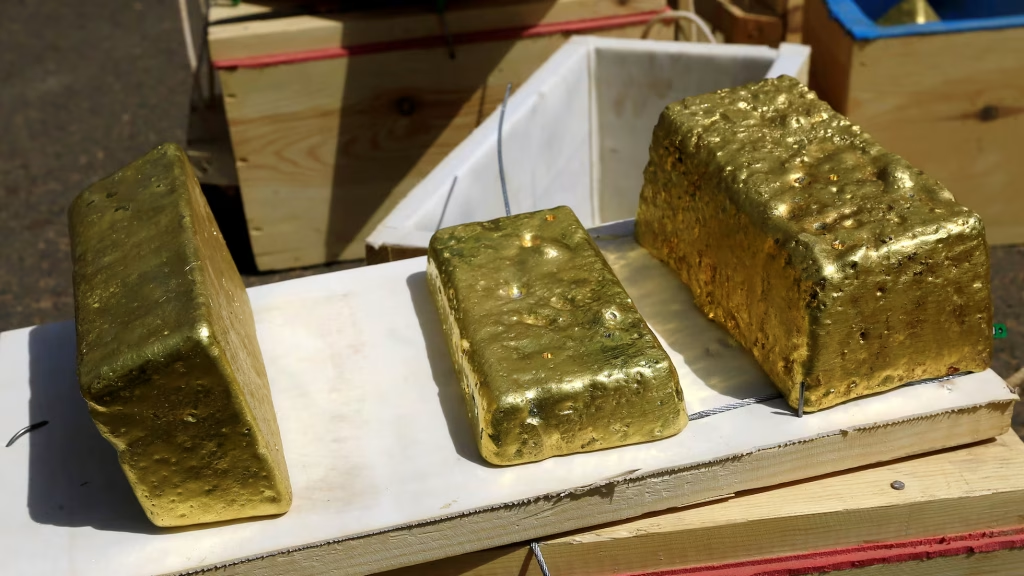
Togo’s Role in West African Gold Trade: Production, Transit, and Export Overview
Togo is not a major primary gold producer compared to neighbors like Burkina Faso or Ghana, with official artisanal and small-scale mining (ASM) output remaining modest. Yet it has emerged as a key transit and export hub for regional gold flows, thanks to favorable gold export fees in Togo and business-friendly policies.
Gold exports from Togo often include both locally sourced material and significant volumes in transit from neighboring countries. This positioning allows traders to benefit from lower costs and efficient logistics through the port of Lomé.
Global buyers interested in buying gold bars from Togo, sourcing West African gold dore, or establishing reliable supply chains frequently turn to Togo for its competitive fiscal regime.
Understanding Gold Export Fees and Royalties in Togo
One of the most attractive aspects of operating in Togo is the relatively low gold export royalty rates. As of recent data, Togo maintains a standard royalty around 2% for gold exports, significantly lower than many regional peers (such as higher rates in Burkina Faso or Ghana).
For gold in transit—material entering Togo from another country before onward export—the rate drops dramatically to approximately CFA 45 per gram (roughly 0.11% at current gold prices).
This transit loophole has historically positioned Togo as a preferred export point, attracting flows that might otherwise face higher taxes elsewhere. Buyers exploring “Togo gold export duties and taxes” or “lowest gold royalty countries in West Africa” will find Togo’s structure highly competitive.
Additional fees may include:
- Administrative and licensing charges for mineral trading and export permits.
- Customs processing and inspection costs.
- Assay and certification expenses to verify purity and origin.
- Potential value-added or other levies, though exports generally benefit from favorable treatment.
Exact gold export fees in Togo can vary based on volume, form (dore vs. refined bars), and whether the gold is classified as local production or transit. Always consult current regulations from the Ministry of Mines and Geology (DGMG) and Togolese Customs, as policies can evolve with market conditions and regional harmonization efforts under ECOWAS or UEMOA.
Regulatory Framework for Gold Exports from Togo
Togo’s mining sector is governed by the Mining Code (Law No. 96-004, amended) and related decrees, including provisions for precious minerals trade. Exporters must comply with licensing, due diligence, and documentation standards to meet both local and international requirements like OECD guidelines for responsible sourcing.
Key requirements for legal gold export from Togo include:
- Obtaining a mineral dealer’s or exporter’s license from relevant authorities.
- Securing certificates of origin, assay reports, and export permits.
- Adhering to anti-money laundering (AML) and know-your-customer (KYC) protocols.
- Ensuring proper declaration through customs for all shipments.
For those searching “Togo gold export license requirements” or “step-by-step guide to exporting gold from Lomé,” partnering with experienced local entities is highly recommended to avoid delays or compliance issues.
Step-by-Step Process for Exporting Gold from Togo
- Business Registration and Licensing: Establish or partner with a licensed Togolese entity and apply for necessary mining/trading permits.
- Sourcing and Verification: Acquire gold from approved suppliers with full traceability documentation.
- Assaying and Certification: Conduct independent purity tests and obtain official certificates.
- Payment of Fees and Royalties: Calculate and pay applicable gold export royalties in Togo, transit fees, and other duties based on current rates.
- Export Permit Application: Submit all documents to customs and mining authorities for approval.
- Secure Logistics and Shipping: Arrange insured transport, often via Lomé port, with reputable firms for international delivery.
Legitimate suppliers manage much of this workflow, reducing risks for overseas buyers interested in “safe ways to buy gold bars in Togo” or “Togo gold export compliance for foreign investors.”
Challenges in Togo Gold Export and Transit Trade
Despite low fees, challenges exist. Much regional gold arrives informally, raising traceability concerns and potential scrutiny from international refiners or regulators. Official export statistics sometimes underreport volumes due to transit nature or informal channels.
Other hurdles include:
- Bureaucratic processes and the need for coordinated approvals between ministries.
- Ensuring conflict-free status amid broader West African ASM issues.
- Logistical costs for security, insurance, and international shipping.
- Evolving regional policies that may aim to harmonize royalties and reduce smuggling incentives.
Experienced legitimate gold suppliers in Togo address these by maintaining strong local networks, investing in compliance systems, and offering end-to-end support for “overcoming challenges in exporting gold from Togo.”
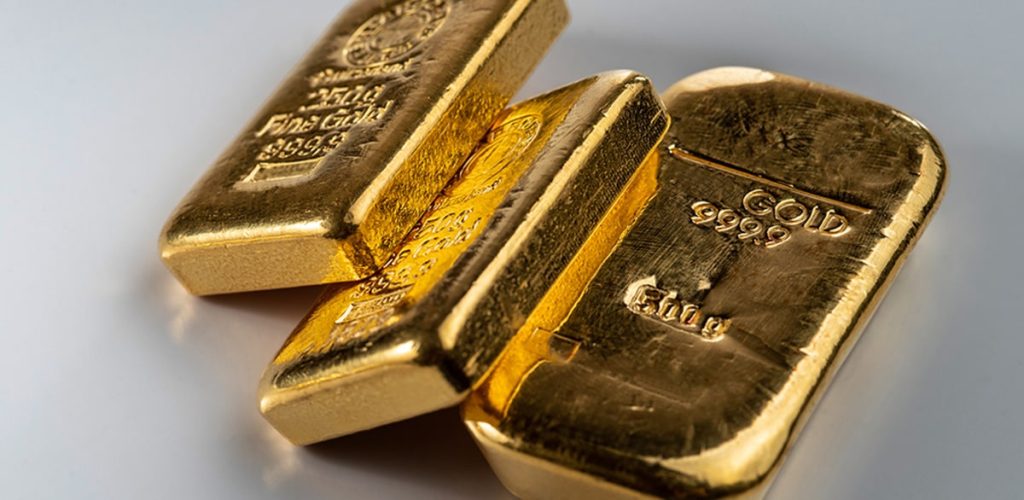
Benefits of Using Togo for Gold Trading and Export
Togo’s low gold export fees, strategic port access, and hub status deliver clear advantages:
- Cost savings compared to higher-tax jurisdictions.
- Faster processing for transit shipments.
- Access to diverse West African gold sources.
- Opportunities for refined bullion or dore purchases at competitive prices.
International demand for physical gold continues to grow, making Togo an appealing entry point for buyers seeking “best African countries for low-fee gold exports” or “Togo as gold transit hub advantages.”
Conclusion: Secure Your Gold Supply by Buying Gold in Togo with Buy Gold Bars Africa Ltd
Navigating gold export fees in Togo, regulations, and logistics becomes straightforward and advantageous when working with professionals who understand the local market.
Togo offers one of the most competitive fiscal environments in West Africa for gold trade and transit, delivering efficiency, cost savings, and reliable access to quality supplies.
For compliant, transparent, and hassle-free transactions—whether sourcing refined gold bars, dore, or investment-grade bullion—partner with a trusted expert.
Buy Gold Bars Africa Ltd provides licensed operations, verified networks in Togo and across the region, full documentation support, and competitive pricing backed by integrity and experience.
Start buying gold in Togo with confidence today through Buy Gold Bars Africa Ltd and benefit from low export fees, secure supply chains, and expert guidance tailored to your needs.
Contact Buy Gold Bars Africa Ltd now to discuss requirements, receive detailed quotes, and lock in reliable access to Togolese and regional gold opportunities. Experience the advantages of smart, legitimate gold trading in one of West Africa’s most buyer-friendly destinations.