Africa Gold Export Guide — 2026
Gold Export Procedures in Africa — Everything You Need to Know
Africa produced over 690 metric tonnes of gold in 2024 — roughly 27% of the world's entire supply — and with gold prices surpassing $3,600 per ounce in 2026, the global appetite for legally sourced African gold has never been stronger. But navigating gold export procedures in Africa without the right knowledge is a fast route to confiscated shipments, legal penalties, and financial loss. This is your complete guide to every regulation, licence, document, tax, and step involved in the African gold export process.
Buy Gold With Us → Read the Guide ↓Why This Matters
Why Gold Export Procedures in Africa Are Both Critical and Achievable
Exporting gold from Africa legally is not just a bureaucratic exercise — it is the foundation of every legitimate international gold transaction on the continent. In 2026, African governments from Ghana to Tanzania, Uganda to South Africa, are actively tightening their gold export regulations to capture more national revenue, combat smuggling, and ensure that mineral wealth flows through transparent, accountable channels. For buyers, traders, and investors, understanding these procedures is the difference between a profitable, compliant transaction and a legal catastrophe.
The continent produced over 690 metric tonnes of gold in 2024, accounting for roughly 27% of the world's supply, with projections for 2025 showing sustained growth amid rising prices exceeding $3,200 per ounce. Ghana alone surpassed $11.6 billion in gold exports in recent data, while Tanzania, Uganda, Mali, and the DRC are rapidly formalising their own export channels. The scale of this market makes compliance non-optional — governments are investing in digital verification systems, stricter customs controls, and inter-agency enforcement to ensure every ounce is tracked.
The good news is this: buying and exporting gold from Africa is 100% legal through licensed channels. Working with a verified licensed gold exporter in Africa who knows the country-specific regulations makes the process straightforward, documented, and fast — typically completing in 7–14 days from purchase to international delivery. This guide tells you exactly what that process involves, country by country.
The Opportunity
Africa's Gold Market in 2026 — Why the World Is Buying
Understanding why African gold exports attract buyers from the UAE, India, Switzerland, China, and the United States begins with raw geology. Africa hosts some of the world's deepest, most concentrated gold deposits — from Ghana's Ashanti Belt and South Africa's Witwatersrand Basin to Uganda's Karamoja region and Tanzania's Lake Victoria Greenstone Belt. These deposits produce gold at every grade, from artisanal alluvial nuggets to LBMA Good Delivery 99.99% refined bars, giving international buyers an unmatched variety of product types and price points.
The economic argument is equally compelling. Uganda does not impose heavy gold export taxes like other African countries, and is home to major refineries like AGR (African Gold Refinery), which processes large amounts of gold from neighbouring countries. Gold from the DR Congo, South Sudan, and Tanzania is often processed and traded through Uganda. Across the continent, mine-direct pricing typically runs 10–18% below retail gold prices in Western markets — a saving that compounds significantly on bulk orders.
Looking ahead, projections suggest a 5–7% annual increase in Africa's gold exports through 2030, driven by exploration in the DRC and Guinea. For investors building long-term gold supply relationships, establishing a compliant African gold export partnership now — while the regulatory framework is strengthening and the market is formalising — positions you ahead of the inevitable premium increases that accompany mainstream adoption.
The Legal Framework
The Regulatory Framework Governing Gold Export in Africa — What Every Buyer Must Understand
Every legal gold export from Africa operates within a layered regulatory framework that spans national mining laws, customs legislation, international trade compliance standards, and anti-money laundering (AML) requirements. Gold export procedures in Africa are not just bureaucratic hurdles; they are essential safeguards ensuring ethical sourcing, revenue capture for host nations, and compliance with international standards. Buyers who understand this framework can move quickly and confidently; buyers who ignore it face confiscation, fines, or criminal liability.
National Mining and Export Licensing Laws
Every African gold-producing country has its own regulatory body responsible for gold mining and export licensing. Individuals or companies exporting gold must obtain a gold export licence from the relevant government authority — like the Minerals Commission in Ghana or the Ministry of Energy and Mineral Development in Uganda. These licences are non-transferable, jurisdiction-specific, and typically require proof of financial capacity, technical competence, and clean compliance history before they are issued.
International Standards: AML, KYC, OECD, and FATF
Beyond national law, international gold export regulations require all exporters and buyers to comply with a framework of global standards. All exporters must adhere to Anti-Money Laundering (AML) and Know Your Customer (KYC) requirements to prevent illegal gold trade and financing of criminal activities. The OECD Due Diligence Guidance for Responsible Supply Chains of Minerals from Conflict-Affected and High-Risk Areas is the internationally recognised standard for ensuring that gold sourced from Africa is conflict-free. The Financial Action Task Force (FATF) guidelines impose transparency requirements on all financial transactions — and some banks require LBMA (London Bullion Market Association) certification before processing gold export payments.
The Kimberley Process and Conflict-Free Gold Certification
While the Kimberley Process Certification Scheme (KPCS) is primarily designed for diamonds, its influence has shaped African gold export certification across the continent. Most gold-exporting nations now require a Certificate of Origin with every gold export that explicitly certifies the gold does not originate from conflict-affected zones. For buyers importing into the EU, USA, UK, or Australia, conflict-free gold documentation is increasingly a regulatory and reputational requirement — not optional due diligence.
Key Principle: No Shortcuts in African Gold Export
Shortcuts in the gold export process equate to smuggling — and penalties reach up to 10 years in prison in multiple African jurisdictions. Customs authorities in Ghana, Uganda, Tanzania, and South Africa have significantly strengthened enforcement in 2024–2025, with increased airport inspections, digital permit verification, and inter-agency coordination. Every legitimate gold export from Africa must pass through licensed channels — there is no grey area.
The Process
The African Gold Export Process — Step by Step
Whether you are exporting gold from Ghana, Uganda, Tanzania, South Africa, or the DRC, the core procedural steps follow a consistent structure. The country-specific requirements (detailed in the next section) sit on top of this universal framework. Here is what every legal gold export from Africa must go through:
Source Gold from a Licensed Dealer or Mine
The first and most important step in any African gold export procedure is ensuring the gold itself is legally sourced. Before export, you must purchase gold from a licensed dealer, mine, or local supplier registered with the country's mineral regulatory body — e.g. PMMC in Ghana, the Directorate of Geological Survey in Uganda. Always request the dealer's licence number and verify it directly with the issuing authority before committing funds. Working with an unlicensed gold source — regardless of how compelling the price — instantly compromises the legality of your entire export chain.
Obtain a Gold Export Licence or Work Through a Licensed Exporter
The foundation of any legitimate gold export procedure is securing a gold export licence. This document is non-negotiable and serves as proof that the exporter is authorised by the government to conduct international gold transactions. The application process involves registering with the relevant mineral authority, submitting proof of gold origin, providing financial compliance records, and paying the applicable licence fee. For international buyers without an existing African entity, the most efficient route is to partner with a licensed gold exporter in Africa — a company that already holds valid export licences across multiple jurisdictions and can execute the export on your behalf.
Assay Testing — Certify the Gold's Purity and Weight
Before any gold can be exported from Africa, it must be independently verified for purity through official assaying. Gold must be tested (assayed) by a government-approved laboratory to verify its purity before an export certificate is issued. In Ghana, the PMMC (now GoldBod) conducts this testing. In Uganda, assay is conducted by DGSM-approved laboratories. In Tanzania, the Tanzania Minerals Audit Agency (TMAA) issues certified assay reports. The resulting gold assay certificate confirms the karat rating, weight, and fineness of the gold — this document is required at every subsequent step of the export and import process.
Pay All Applicable Export Taxes and Royalties
Every African gold-exporting country charges taxes and royalties on gold exports, and proof of tax payment is a non-negotiable prerequisite for export permit issuance. Royalty rates range from 3.5% in the DRC to 6% in Tanzania, with Ghana at 5% and Uganda at 5% on declared value. These fees must be paid before export approval, and tax receipts form part of the mandatory documentation package. Customs clearance fees ($100–$500 per shipment) apply separately. Budget a 10–15% buffer above the gold's value to cover the full cost of taxes, duties, assay fees, licensing, and logistics before finalising your purchase price.
Compile the Full Export Documentation Package
A complete gold export documentation package is required before customs will clear any shipment. Missing or incomplete documents are the most common cause of shipment delays and confiscations. The mandatory documents for exporting gold from Africa are detailed in the section below, but every package must include at minimum: the export permit, assay certificate, Certificate of Origin, Sales and Purchase Agreement, commercial invoice, tax receipts, and customs declaration form.
Customs Clearance and Physical Inspection
Gold must be physically inspected by customs officials, Minerals Commission officers, and AML authorities. The weight, purity, and documentation are cross-checked with the assay report, and gold is often sealed under supervision for final shipment. In Ghana, the Ghana Revenue Authority (GRA) handles this at Kotoka International Airport. In Uganda, it is the Uganda Revenue Authority (URA). Gold is sealed in tamper-proof packaging and insured at 101% of value before air freight routes are confirmed via Kotoka (ACC), Entebbe (EBB), or Julius Nyerere (DAR). Once sealed and cleared, the shipment cannot be opened again at that country's border.
Secure International Logistics and Insured Air Freight
Transporting gold from Africa internationally requires specialist precious metals logistics partners. Gold should never be transported casually. Exporters must use registered logistics companies to ship gold legally. The industry standard carriers for African gold export shipping are Brinks and Malca-Amit, both of which provide GPS-tracked, armoured air freight with full declared-value insurance. Primary air routes for shipping gold from Africa to Dubai, Switzerland, India, and the USA operate via Accra (Ghana), Entebbe (Uganda), Dar es Salaam (Tanzania), and Johannesburg (South Africa). The buyer receives a complete set of import documents — including the Air Waybill — for customs clearance at the destination country.
Required Documents
The Complete Gold Export Documentation Checklist — Every Paper You Need
The gold export documentation package for Africa is the single most common point of failure for buyers attempting to navigate the process without professional support. Missing even one document can result in shipment seizure at the airport or border. Here is the complete checklist of documents required to legally export gold from any African country:
Gold Export Permit
Issued by the mining or trade ministry of the exporting country. This is the primary authorisation document confirming the export is legally sanctioned. Cannot be substituted or backdated.
Assay Certificate / Purity Report
Issued by a government-approved laboratory confirming the gold's purity (e.g. 24K / 999.9), exact weight in troy ounces or grams, and fineness grade. Required by both the exporting government and the importing country's customs.
Certificate of Origin
Confirms the exact provenance of the gold — country, region, and mine source. Certifies the gold is not from conflict-affected zones, satisfying OECD due diligence and international import requirements.
Sales & Purchase Agreement (SPA)
A formal, notarised contract between buyer and seller detailing quantity, purity, agreed price per gram or ounce, payment terms, delivery terms, and dispute resolution mechanisms.
Commercial Invoice
Full transaction details: buyer identity, seller identity, gold quantity, declared USD value, payment method, and terms. Required by customs in both the exporting and importing country.
Tax & Royalty Payment Receipts
Proof of payment for all applicable export royalties, export duties, and processing fees. No export permit is issued without these receipts confirmed by the national revenue authority.
Customs Declaration Form
Country-specific form declaring the gold shipment to customs. South Africa uses the SAD500. Ghana uses GRA customs forms. Uganda uses URA clearance forms. Must match the commercial invoice exactly.
Air Waybill (AWB)
Issued by the airline or freight carrier confirming the shipment details, routing, declared value, insurance, and recipient. The buyer uses the AWB number to track and receive the shipment at destination.
AML / KYC Compliance Package
Anti-money laundering documentation confirming the transaction is not linked to criminal activity. Includes Know Your Customer forms, source-of-funds declarations, and due diligence reports for both buyer and seller.
Insurance Certificate
Full declared-value all-risk cargo insurance covering the gold from point of sealing through international delivery. Industry standard is 101% of gold value. Issued by the logistics carrier (Brinks or Malca-Amit).
⚠ Critical Warning — Document Verification
Buyers often fall into traps such as under-declaring shipments to dodge taxes, accepting fake paperwork, or using unlicensed exporters — leading to confiscated shipments or legal action. Some even unintentionally engage in smuggling by bypassing customs. Every document in your export package should be verified directly with the issuing authority before any funds are transferred. In particular, assay certificates and export permits can be forged — a professional gold trading partner verifies these with the NMA, DGSM, PMMC, or relevant authority as standard practice.
Country Guide
Country-by-Country Gold Export Regulations — The Major African Producers
While the procedural framework above applies continent-wide, each African gold-exporting nation has distinct regulatory authorities, fee structures, and procedural nuances. Here is what you need to know about gold export procedures in the six most important African gold markets:
Ghana — Africa's Largest Gold Exporter 2025
Ghana's gold sector is governed by the Minerals Commission, and — from 2025 — the newly established Ghana Gold Board (GoldBod) under the Ghana Gold Board Act (Act 1140). GoldBod now handles the buying, selling, and export of gold, aiming to curb smuggling and boost local refining. Small-scale miners must sell through GoldBod, which then facilitates exports. Exporters must be registered with PMMC / GoldBod, hold a valid mining and export licence, and obtain assay reports before any gold can leave the country. Ghana imposes a 5% royalty on gold exports. An additional 3% withholding tax applies, plus export permit fees of $2,000–$5,000 depending on shipment size. All gold exits via Kotoka International Airport (ACC) in Accra.
Uganda — East Africa's Fastest-Growing Gold Hub
Uganda's gold export regulations are administered by the Directorate of Geological Survey and Mines (DGSM) under the Ministry of Energy and Mineral Development, with financial oversight from the Uganda Revenue Authority (URA). Obtaining a gold export licence is a mandatory first step, alongside a Mineral Dealer's Licence. Uganda charges a royalty of 5% on gold exports, payable to the government, and is increasingly focused on ensuring that gold is sourced responsibly. Uganda is home to the African Gold Refinery (AGR), making it a regional refining hub for DRC, South Sudan, and Tanzania gold. All exports clear through Entebbe International Airport (EBB).
Tanzania — East Africa's Gold Export Leader
Tanzania's gold export framework is administered by the Tanzania Minerals Commission, with assay testing conducted by the Tanzania Minerals Audit Agency (TMAA). Tanzania imposes a 6% royalty and a 1% clearing fee on gold exports — the highest combined royalty rate among the major African producers. Licensed exporters must comply with the Tanzania Minerals Commission and government export requirements. The Bank of Tanzania has also mandated that miners and dealers sell 20% of output to the government at market prices. Tanzania's primary exit point for gold exports is Julius Nyerere International Airport (DAR) in Dar es Salaam. Tanzania produced approximately 61 tonnes in 2024.
South Africa — Africa's Most Regulated Gold Market
South Africa operates the continent's most sophisticated gold export regulatory framework. The South African Diamond and Precious Metals Regulator (SADPMR) manages licensing and approvals for gold trade and exports. The South African Reserve Bank (SARB) regulates foreign exchange and ensures export proceeds are repatriated to South Africa. Exporters must hold a Department of Mineral Resources licence, a Precious Metals Beneficiation Licence from SADPMR, and submit a Customs Declaration Form (SAD500) for each shipment. Royalty rates are tiered based on the value of production, allowing for flexibility. South Africa is home to Rand Refinery — the continent's largest LBMA Good Delivery gold refinery.
DR Congo — Africa's Most Complex Gold Jurisdiction
The Democratic Republic of Congo is simultaneously one of Africa's richest gold sources and its most challenging export environment. The DRC government is moving to regain control of its gold trade, with Prime Minister Judith Suminwa unveiling a package of measures including a multi-agency expert task force, a revised mine-to-export traceability manual, and stronger technical controls at border posts. The DRC imposes royalties at 3.5% of gold value. Export licences are issued by the CEEC (Centre d'Evaluation, d'Expertise et de Certification). The Kibali Gold Mine in Haut-Uélé produced 673,000 ounces in 2025. Due to ongoing formalisation efforts, working with a licensed DRC gold exporter is particularly critical here.
Mali — West Africa's Third-Largest Gold Producer
Mali produced approximately 60–70 tonnes of gold annually from industrial operations, though geopolitical instability and disputes with foreign miners have clouded the picture in 2025, with Barrick Gold removing its Loulo-Gounkoto complex from 2025 forecasts amid a standoff over new mining codes demanding higher royalties and local ownership. Gold exporters in Mali must have a mining and export permit from the Ministry of Mines and Energy, obtain a Certificate of Origin and customs clearance, and comply with anti-money laundering regulations. Despite current political uncertainty, Mali remains an important source of West African gold for international buyers operating through legitimate licensed channels.
Cost Structure
Gold Export Taxes and Costs — What You Actually Pay by Country
Understanding the full cost of exporting gold from Africa requires adding up every layer of government charges — royalties, export duties, withholding taxes, assay fees, customs fees, and logistics. The table below consolidates 2025 rates for the major producing countries, giving you the complete cost picture for each jurisdiction.
| Country | Royalty Rate | Export Duty | Additional Levies | Customs Fee / Shipment | Total Effective Cost |
|---|---|---|---|---|---|
| 🇬🇭 Ghana | 5% | 3% withholding | PMMC/GoldBod permit $2,000–$5,000 | $100–$300 | ~8–10% + permit fees |
| 🇹🇿 Tanzania | 6% | 1% clearing levy | Environmental levy 0.3–0.5% | $100–$400 | ~7.5–8% total |
| 🇺🇬 Uganda | 5% | Low additional duties | DGSM licence fee (annual) | $100–$300 | ~5–6% total |
| 🇨🇩 DR Congo | 3.5% | Minimal | CEEC certification fee | $200–$500 | ~4–5% total |
| 🇿🇦 South Africa | 0.5–5% (tiered) | Variable by type | SADPMR licence; SARB forex compliance | $200–$500 | ~2–7% depending on volume |
| 🇲🇱 Mali | 3–5% | Variable | Ministry of Mines permit | $100–$400 | ~4–7% total |
| 🇧🇫 Burkina Faso | 3–5% | Variable | Security surcharge (elevated risk) | $200–$600 | ~5–8% + security costs |
| All rates are 2025 indicative figures. Royalties are charged on gross gold value at the prevailing LBMA spot price at time of export permit issuance. Budget an additional 3–5% buffer for assay, logistics, insurance, and documentation. Contact buygoldbarsafrica.com for current country-specific cost breakdowns. | |||||
| Country | Primary Export Authority | Assay Authority | Customs Authority | Primary Exit Airport |
|---|---|---|---|---|
| 🇬🇭 Ghana | Ghana Gold Board (GoldBod) / Minerals Commission | PMMC / GoldBod Labs | Ghana Revenue Authority (GRA) | Kotoka Intl (ACC) |
| 🇺🇬 Uganda | Directorate of Geological Survey and Mines (DGSM) | DGSM-approved labs / AGR | Uganda Revenue Authority (URA) | Entebbe Intl (EBB) |
| 🇹🇿 Tanzania | Tanzania Minerals Commission | Tanzania Minerals Audit Agency (TMAA) | Tanzania Revenue Authority (TRA) | Julius Nyerere Intl (DAR) |
| 🇿🇦 South Africa | SADPMR / Department of Mineral Resources (DMRE) | Rand Refinery / accredited labs | South African Revenue Service (SARS) | OR Tambo Intl (JNB) |
| 🇨🇩 DR Congo | CEEC / Ministry of Mines | CEEC-approved labs | Office des Douanes et Accises (OFIDA) | N'djili Intl, Kinshasa (FIH) |
| 🇲🇱 Mali | Ministry of Mines and Energy | Ministry-accredited labs | Direction Générale des Douanes | Bamako-Sénou Intl (BKO) |
| All licensing authorities maintain online verification portals. Always cross-check your exporter's licence number directly with the issuing authority before payment. A reputable gold exporter will provide their licence number proactively and encourage you to verify it. | ||||
| Cost Component | Cost Range (per kg) | Who Pays | When Due |
|---|---|---|---|
| Gold Purchase Price (24K, LBMA spot) | $107,000–$109,000 | Buyer | At contract signing (escrow) |
| Export Royalty (avg. 5% Ghana/Uganda) | $5,350–$5,450 | Exporter (deducted) | Before export permit issued |
| Assay / Purity Certification | $100–$300 | Seller / shared | Before permit application |
| Export Permit Fees | $200–$5,000 | Exporter | At permit application |
| Customs Clearance Fee | $100–$500 | Exporter | At airport / border |
| Brinks / Malca-Amit Freight + Insurance | $800–$1,500 | Buyer / shared | Before dispatch |
| Documentation Preparation | $200–$500 | Exporter | Concurrent with permit |
| Total Effective Cost (excl. gold price) | ~$7,000–$12,000 / kg | — | — |
| Mine-Direct All-In Price (Buy Gold Bars Africa) | $107,000–$110,000 / kg | Buyer total | Full settlement on delivery |
| When you buy through Buy Gold Bars Africa Ltd, all export taxes, permit fees, assay costs, documentation, and insured freight are included in our all-in price — no hidden add-ons, no surprises at customs. Contact us for a live LBMA-referenced quote: buygoldbarsafrica.com | |||
What Can Go Wrong
Challenges in African Gold Export — and How to Navigate Them
Even experienced gold buyers encounter friction in the African gold export process. Being forewarned is being forearmed. These are the most common challenges in exporting gold from Africa legally, and what a professional export partner does to mitigate each one.
Gold Smuggling and Fraud Risk
Illegal mining erodes up to $2 billion annually in lost revenue across Africa. SwissAid estimates that 321–474 metric tonnes of African artisanal gold leaves the continent undeclared each year. For international buyers, this creates two distinct risks: inadvertently purchasing smuggled gold (which cannot be legitimately exported and may lead to confiscation), and encountering fraudulent operators presenting fake export documentation. The only protection is working exclusively with exporters whose licences are verifiable on official government portals — the DGSM portal for Uganda, Ghana's GoldBod registry, or SARS for South Africa.
Bureaucratic Delays and Digital Transition
Bureaucratic delays are a real risk — incomplete dossiers stall the entire process, but digital portals have cut weeks to days in jurisdictions that have implemented them. Ghana's GoldBod digital permit system and Tanzania's MTF.1 platform have significantly accelerated processing for exporters who submit complete applications. The risk for first-time exporters is submitting an incomplete documentation package that triggers a manual review — adding 10–21 days to the process. A professional export partner who knows each country's specific format requirements eliminates this risk entirely.
Regulatory Changes and Policy Shifts
Changing regulations — including Ghana's GoldBod transition and Tanzania's 1% clearing fee hike — can alter cost structures and procedural requirements with limited advance notice. In 2025, Ghana's Gold Board Act (Act 1140) fundamentally changed who can legally buy and export small-scale gold, requiring foreign investors to route all transactions through GoldBod rather than directly with small-scale miners. Staying compliant requires real-time knowledge of each country's regulatory environment — another reason why partnering with a multi-jurisdiction licensed gold exporter is the most risk-effective approach for international buyers.
Security Risks in High-Risk Regions
Security risks in high-risk zones require armed escorts as mandatory elements of the logistics chain. This applies particularly to gold from eastern DRC, northern Mali, and parts of Burkina Faso, where armed groups have historically controlled portions of the artisanal mining sector. Reputable gold exporters source exclusively from verified, conflict-free supply zones — and insist on Brinks or Malca-Amit for all shipments, providing GPS tracking, armoured handling, and declared-value insurance from point of sealing to international delivery.
The African gold export market rewards those who invest in compliance and penalises those who look for shortcuts. At $3,600 an ounce, the money is too large and the regulations too serious for improvisation. Work with licensed partners, verify everything, and the process is smooth. Work without them, and the risks are catastrophic.
Buy Gold Bars Africa Ltd — Export Compliance PrincipleInternational Compliance
International Standards Every African Gold Buyer Must Satisfy
Importing gold from Africa into the USA, EU, UK, UAE, India, or any other major destination country requires satisfying not only African export regulations but also the import requirements of your home jurisdiction. These international standards shape what documentation you need and what questions your customs authority will ask:
- OECD Due Diligence Guidance: The internationally recognised standard for responsible mineral supply chains. Institutional buyers in Europe and North America are increasingly required to demonstrate OECD-compliant sourcing for any African gold they import. Your Certificate of Origin and chain-of-custody documentation must satisfy this framework.
- FATF Anti-Money Laundering Requirements: The Financial Action Task Force's 40 Recommendations apply to all gold trading. Buyers must complete full KYC on their sellers, maintain transaction records, and ensure funds flow through verifiable, documented banking channels. Cash transactions for gold are a red flag in every major import jurisdiction.
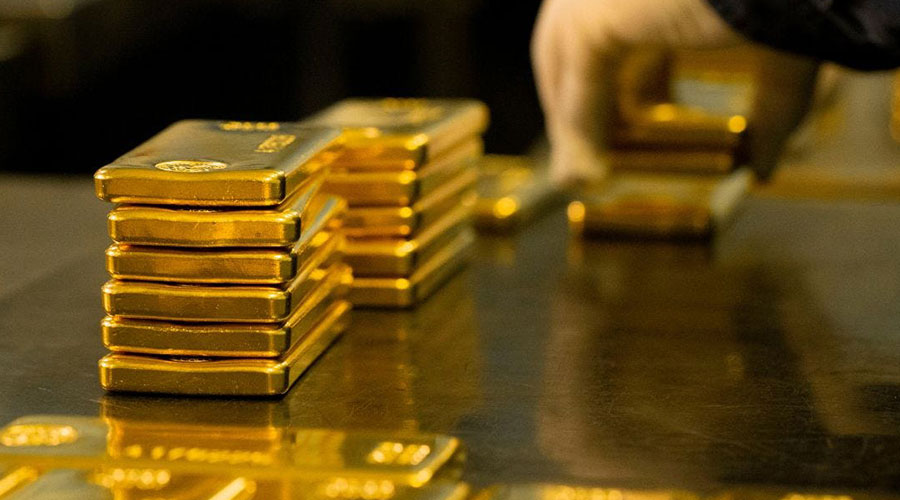
- LBMA Good Delivery Standards: For gold to be accepted by Swiss vaults, UK dealers, and most institutional buyers without additional assay, it must meet LBMA Good Delivery specifications — 99.5% minimum fineness, specific bar dimensions and weight tolerances. Rand Refinery (South Africa) and African Gold Refinery (Uganda) both produce LBMA Good Delivery bars.
- Import Country Customs Declarations: Every gold import above a threshold (typically $10,000 in the USA) must be declared to customs with full documentation. Undeclared gold imports are treated as smuggling under US CBP, UK HMRC, and EU customs regulations, regardless of the legality of the African export.
- Conflict Minerals Compliance: EU Conflict Minerals Regulation (2021/821) and US Dodd-Frank Section 1502 require importers to demonstrate due diligence on the sourcing of gold from conflict-affected regions. A proper Certificate of Origin and OECD-aligned supply chain documentation satisfies these requirements.
The Smart Way to Buy African Gold
Buy Gold in Africa the Right Way — With Buy Gold Bars Africa Ltd
You now know everything about gold export procedures in Africa — the licences, the documentation, the taxes, the country-specific regulations, and the risks that trip up unprepared buyers. There is only one conclusion: the most valuable thing you can do with this knowledge is apply it by working with a partner who already has every element of it in place.
Buy Gold Bars Africa Ltd is a licensed, mine-direct gold supplier operating across Uganda, Ghana, South Africa, the Democratic Republic of Congo, Tanzania, and Mali. We hold valid export licences in every jurisdiction we operate in. Every shipment we arrange carries the full gold export documentation package — export permit, assay certificate from accredited laboratories, Certificate of Origin, commercial invoice, tax receipts, AML/KYC compliance, and insured Brinks or DHL air freight. You do not manage the regulatory maze. We do.
Our 24K African gold bars at 99.99% purity are priced at just 1–3% above the LBMA spot price — saving you 10–15% compared to retail gold channels in Switzerland, the UAE, or the USA. We ship to buyers across Asia, Europe, the Middle East, and the Americas, with every order tracked and insured from point of sealing to your door. The minimum order is 1 gram. The maximum is 1,000 kilograms. Whether you are buying your first African gold bar or establishing a long-term bulk supply agreement, the process is the same: transparent, documented, legal, and fast.
Gold is up over 30% year-to-date in 2025. Africa holds more than a quarter of the world's supply. The regulatory environment is tightening — which means buyers who establish compliant supply relationships now are securing access that will become harder and more expensive to establish as formalisation deepens. This is the right time. We are the right partner.
Buy African Gold With Us → Browse Gold Bars www.buygoldbarsafrica.com · WhatsApp: +256 707 585144 · William Street, Kampala, Uganda