Best Gold Sellers in Uganda: Licensed Dealers & Buyers Guide
The best gold sellers in Uganda are those that can demonstrate a valid Mineral Dealer’s Licence for precious metals, provide independently verifiable gold purity documentation, disclose the source of their gold and supply the necessary transaction and export documents.
Uganda has gold traders, bullion suppliers, jewellery businesses and mineral exporters, particularly in Kampala and established gold-producing regions. However, not every person advertising gold for sale is authorised to trade in precious metals. Buyers should verify a seller’s licence and the gold itself before making payment.
Buy Gold Bars Africa Ltd is one Kampala-based gold supplier buyers can investigate. The company publishes its Mineral Dealer’s Licence details and offers 24K gold bars, 22K and 18K gold products, gold nuggets, gold dust and ingots.
This guide explains how to identify reliable gold sellers in Uganda, where to find them, what gold products are available and which documents to request before buying.
How to Identify the Best Gold Sellers in Uganda
A reputable gold seller should be able to demonstrate the legality of its business and the authenticity of the gold it offers. Do not choose a supplier based solely on advertised prices, social media promotions or promises of direct access to mines.
Check these important factors before selecting a dealer.
1. A Valid Mineral Dealer’s Licence
A Mineral Dealer’s Licence (MDL) is an important requirement for businesses trading in regulated minerals in Uganda. Gold is classified as a precious metal, so buyers should establish whether the seller holds the appropriate authorisation.
Ask for the company’s licence number and verify the details against the government’s official Mineral Dealer and Refining Licences register.
Check that:
- The registered company name matches the seller’s identity.
- The licence covers precious metals, including gold.
- The licence is current and has not expired or been suspended.
- The details correspond to the business carrying out the transaction.
The Directorate of Geological Survey and Mines (DGSM) states that its public list of active mineral dealer and refining licences is updated weekly. It also indicates that Mineral Dealer’s Licences expire on 31 December of the year in which they are issued. Therefore, a licence number from a previous year should never be treated as proof of current authorisation.
2. Independent Gold Assay and Purity Documentation
A trustworthy seller should be able to provide reliable evidence of the gold’s purity and weight.
An assay report establishes the measured gold content of a tested sample. It is particularly important when purchasing raw gold, nuggets, gold dust or doré because these products may contain different amounts of gold and other materials.
For refined gold bars, request documentation showing:
- Gold purity or fineness.
- Gross weight and, where applicable, fine-gold content.
- Refinery or manufacturer.
- Serial number, where applicable.
- Relevant assay or certification details.
For high-value transactions, consider independent testing by a competent laboratory. Do not rely exclusively on a seller’s verbal assurance that the gold is 22K or 24K.
3. A Physical and Verifiable Business Address
Choose a seller whose business identity and physical location can be independently confirmed.
A legitimate business should be willing to provide its registered company details, physical office address, official contact information and documentation matching the name on the sales invoice.
Be cautious when dealing with sellers who operate exclusively through anonymous social media accounts, change telephone numbers frequently or refuse to arrange reasonable business verification.
4. Clear Gold Origin and Supporting Documents
A reliable gold seller should be able to explain where the gold originated and how it entered the legal supply chain.
For Ugandan-origin gold, ask for relevant source information and documents supporting its legal acquisition. Where applicable, this may include evidence of royalty payments, origin documentation and the relevant export authorisation.
When buying imported gold, request the original country-of-origin and export documents, together with the applicable Ugandan import authorisation.
5. Transparent Pricing and Written Quotations
A professional gold dealer should explain how the final selling price is calculated.
The quotation should identify the gold’s purity, weight, applicable market reference, dealer premium and any additional charges. For jewellery, making charges and gemstone costs should be separately explained.
Compare equivalent products from different suppliers. A low advertised price does not necessarily represent a better transaction if the product has not been independently tested or the seller cannot provide the necessary documentation.
Gold Sellers in Kampala, Uganda
Kampala is an important commercial centre for gold trading, precious-metals businesses and mineral exporters. Buyers looking for physical gold can research licensed dealers, bullion suppliers and specialist gold businesses operating in the city.
When comparing Kampala gold sellers, look beyond the advertised price. Confirm the business identity, precious-metals authorisation, product availability, assay documentation and transaction terms.
Buy Gold Bars Africa Ltd
Buy Gold Bars Africa Ltd is a Kampala-based gold supplier and exporter whose website publishes its Mineral Dealer’s Licence details for precious metals.
The company’s contact page lists its business address at Kanjokya Street, Kampala, Uganda, and provides a telephone and WhatsApp contact for enquiries.
Its website displays the following licence information:
- Company: Buy Gold Bars Africa Ltd.
- Licence number: MDL20260708.
- Licence category: Precious metals.
- Issuing authority identified by the company: Uganda’s Ministry of Energy and Mineral Development.
- Published validity date: 31 December 2026.
Buyers should independently confirm the current licence status through DGSM’s active register before entering into a transaction. This is particularly important when a licence is approaching its annual expiry or has been renewed.
The company advertises the following gold products:
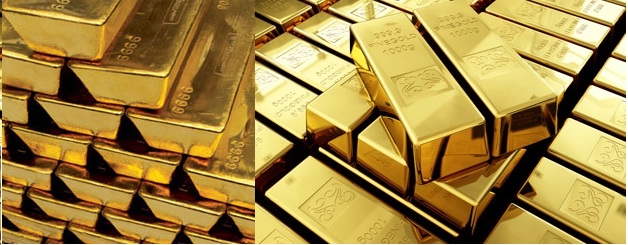
- 24K gold bars: Refined bullion available in different weights.
- 22K gold: Products for buyers requiring 916-fineness gold.
- 18K gold: Gold products suitable for jewellery and manufacturing applications.
- Gold nuggets: Naturally occurring or minimally processed gold requiring confirmation of exact purity.
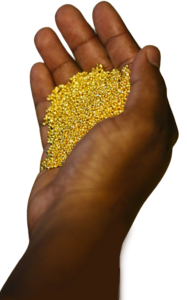
- Gold dust and doré: Less-refined forms of gold that require appropriate sampling, assay and processing.
- Gold ingots: Larger-format gold products for commercial and wholesale enquiries.
Explore its gold bars for sale in Kampala, 24K gold bars, 22K gold bars and gold nuggets.
For product availability, assay documentation and transaction requirements, buyers can contact the company directly.
Contact details:
Website: Buy Gold Bars Africa Ltd
Address: Kanjokya Street, Kampala, Uganda.
Telephone and WhatsApp: +256 707 585144.
Email: info@buygoldbarsafrica.com.
Finding Other Gold Sellers in Uganda
Buyers looking for additional gold suppliers should use the government register rather than relying on online advertisements or unverified lists of recommended dealers.
The DGSM active mineral dealer register provides a starting point for identifying businesses with mineral dealer and refining licences.
Check the precious-metals category and verify each business individually. Being listed as a mineral dealer does not automatically establish that a company has a refinery, operates a mine or sells every type of gold product.
Types of Gold Sold in Uganda
Gold sellers in Uganda may offer refined bullion, jewellery-grade gold and less-refined products. Understanding the differences helps you select the appropriate material for your purchase.
1. 24K Gold Bars
24K gold bars are high-purity bullion products commonly purchased for investment and wholesale trading.
Standard fineness markings include 999 and 999.9, representing approximately 99.9% and 99.99% gold respectively.
Before purchasing a bar, check its declared fineness, weight, manufacturer, serial number where applicable and supporting assay documentation.
See our 24K gold bars guide for more information about purity and gold specifications.
2. 22K Gold
22K gold contains approximately 91.67% pure gold. It is commonly used in jewellery and selected gold products.
Buyers should check whether a product is a finished jewellery item or bullion intended for further processing. The form of the product affects how its price and gold content should be assessed.
Read our guide to 22K gold bars.
3. 18K Gold
18K gold contains 75% pure gold, with the remaining percentage consisting of other metals.
It is widely used in jewellery because the alloy metals can improve hardness and durability. It is not equivalent to 24K investment-grade bullion.
See our guide to 18K gold.
4. Gold Nuggets
Gold nuggets are naturally occurring pieces of gold that have not necessarily undergone full refining.
Their appearance and purity can vary considerably. Buyers should arrange an appropriate assay before agreeing on a final price because a nugget’s weight alone does not establish how much fine gold it contains.
Explore our gold nuggets for sale.
5. Gold Dust and Doré
Gold dust and doré are less-refined forms of gold that may contain impurities and other metals.
They are generally more suitable for refiners and experienced commercial buyers than purchasers seeking ready-to-trade investment bars.
An assay and proper documentation are particularly important when buying these materials.
Read our guide to gold dust.
6. Gold Ingots
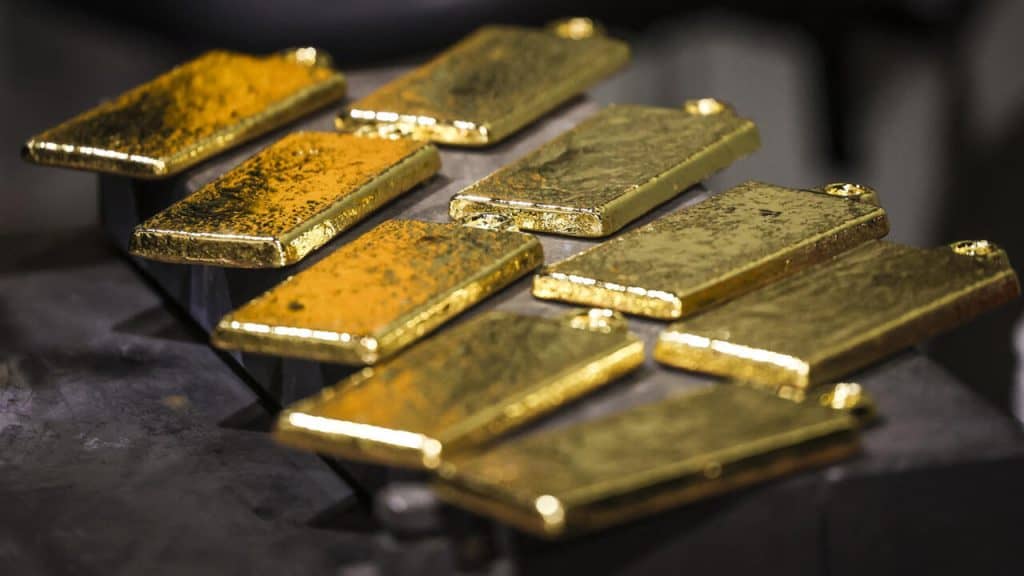
Gold ingots are larger-format cast gold products. Depending on their specifications, they can serve commercial, wholesale and refining purposes.
Before buying an ingot, verify its weight, fineness, origin, assay documentation and the identity of the manufacturer or refiner.
View our gold ingots for sale.
Where Does Gold Sold in Uganda Come From?
Gold sold by Ugandan dealers may originate from domestic mining operations or from other countries through legally documented import and trading arrangements.
Uganda has several gold-producing and gold-trading areas, including:
- Busia: An established gold-mining area in Eastern Uganda.
- Mubende and Kassanda: Known for gold mining activity in Central Uganda.
- Buhweju: A recognised gold-mining area in Western Uganda.
- Karamoja: Contains gold occurrences and mining activity in northeastern Uganda.
- Other areas: Gold deposits and mining activity are also reported in several districts across Western, Central and Eastern Uganda.
However, the location of a gold deposit does not automatically establish the origin of a particular gold shipment. Buyers should ask for supporting documentation linking the product to its declared source.
Where a seller offers imported gold, establish which country produced it, how it was exported and whether Uganda’s import requirements were fulfilled.
Documents to Request Before Buying Gold in Uganda
The documents required depend on the gold product and whether the transaction is domestic, an import or an export.
For a substantial purchase, ask the seller for the documents applicable to that particular transaction.
1. Mineral Dealer’s Licence: Confirms that the business has the appropriate precious-metals trading authorisation. Verify it through the DGSM register.
2. Assay Certificate or Certificate of Analysis: Provides evidence of the gold’s tested purity and other relevant specifications.
3. Purchase Invoice: Identifies the seller, buyer, product description, weight, declared purity, price and transaction terms.
4. Certificate of Origin: Helps establish the declared country of origin when applicable.
5. Royalty Payment Evidence: Relevant where royalties are payable on minerals sourced from Uganda.
6. Export Permit: Required for regulated mineral exports from Uganda and issued for the relevant consignment.
7. Import Documentation: Relevant when gold originates from another country and is brought into Uganda. This may include the original country’s export permit, pre-shipment documents, certificate of origin and an ICGLR Regional Certification Mechanism certificate where applicable.
The Uganda Trade Portal and DGSM publish guidance on the licensing, import and export requirements. See the official Uganda mineral export procedure and DGSM mineral licensing guidance.
How to Buy Gold Safely from a Seller in Uganda
Whether you are purchasing a single gold bar or a commercial quantity, use a documented buying process.
- Identify the seller: Obtain the registered business name, physical address, official contact information and licence details.
- Verify the licence: Check the precious-metals category and current status using the official DGSM register.
- Choose the gold product: Confirm whether you need a refined bar, jewellery-grade gold, nuggets, dust or doré.
- Request an assay: Establish the exact purity and weight using reliable testing and product documentation.
- Confirm the source: Request relevant information and documentation about the gold’s origin.
- Obtain a written quotation: Check the gold specification, pricing method, additional charges and payment terms.
- Review the documents: Make sure the invoice and supporting paperwork match the business and product.
- Agree on delivery or collection: Confirm the arrangements, responsibilities and applicable insurance before completing the transaction.
For a more comprehensive checklist, read our guide on how to buy gold bars from Africa safely.
Gold Export Requirements for Sellers in Uganda
A Ugandan gold seller who intends to export gold must comply with the applicable mineral licensing, export-permit and customs requirements.
DGSM states that export permits are granted per consignment. The documentation requirements include a valid Mineral Dealer’s Licence or mineral right, the prescribed application, evidence of royalty payment where applicable, a certificate of origin where applicable and a certificate of analysis authenticated by the country of origin.
Gold imported into Uganda for subsequent trading or re-export also has separate documentation requirements. These can include an export permit from the country of origin, pre-shipment documents, certificate of origin and an ICGLR certificate where applicable.
Therefore, a dealer’s general trading licence should not be confused with permission to export every shipment automatically. Buyers arranging international transactions should confirm the specific export documents before funds are released.
For additional guidance, see our article on the legal requirements to buy gold bars from Africa.
Warning Signs When Choosing a Gold Seller in Uganda
Not every person advertising gold for sale is a legitimate supplier. Be cautious when a seller:
- Refuses to provide a Mineral Dealer’s Licence or allows no independent verification.
- Cannot provide an assay or reliable evidence of gold purity.
- Offers a price that appears implausibly below the market value.
- Cannot explain the gold’s origin.
- Requests payment to an unrelated personal account without proper documentation.
- Pressures you to pay immediately before verifying the product.
- Promises guaranteed profits or unusually large discounts.
- Provides export documents that do not match the company, gold or shipment.
- Claims to operate a refinery or mine but cannot provide evidence of the relevant authorisation.
Do not make payment simply because a seller sends photographs of gold bars, certificates or government documents. Verify important details directly with the relevant issuing authority.

FAQs About the Best Gold Sellers in Uganda
Who are the best gold sellers in Uganda? The best gold sellers are businesses with current precious-metals authorisation, verifiable company details, reliable assay documentation and the ability to provide the required transaction records. Buy Gold Bars Africa Ltd is one Kampala-based supplier that publishes its licence information and gold product range. Buyers should verify its current status and compare other registered dealers before choosing.
Which gold sellers are licensed in Uganda? Uganda’s Directorate of Geological Survey and Mines maintains a public register of active mineral dealer and refining licences. Buyers can use the official DGSM register to check businesses and their licence categories.
Where can I buy gold in Kampala? You can research Kampala-based precious-metals dealers and exporters, including Buy Gold Bars Africa Ltd, whose published contact address is Kanjokya Street, Kampala. Always verify the business details, current licence, product specifications and supporting documents before buying.
Is Buy Gold Bars Africa Ltd a licensed gold seller in Uganda? Buy Gold Bars Africa Ltd publishes Mineral Dealer’s Licence number MDL20260708 for precious metals on its website. Its published licence information identifies 31 December 2026 as the validity date. Buyers should check the current status and any renewal through DGSM’s official active licence register before transacting.
What licence should a gold seller have in Uganda? A business trading in gold should hold the applicable Mineral Dealer’s Licence for precious metals, unless another relevant legal authorisation applies to its particular activity. Buyers should check the licence category and current validity rather than relying on a general business registration certificate.
What documents should I ask for when buying gold in Uganda? Depending on the transaction, request the seller’s Mineral Dealer’s Licence, assay certificate or certificate of analysis, purchase invoice and supporting origin documents. For exports, obtain the applicable export permit and other consignment documents. Imported gold has additional import-documentation requirements.
Can I buy 24K gold bars in Uganda? Yes. Gold suppliers advertise 24K gold bars in Uganda. Check the stated fineness, weight, refinery or manufacturer and assay documentation before buying.
Can gold be exported from Uganda? Yes, subject to the applicable licensing and export requirements. The exporter must obtain the relevant export permit for the consignment and submit the supporting documents required by DGSM and the customs authorities.
Are gold nuggets and gold dust sold in Uganda? Yes, sellers may advertise nuggets, gold dust and doré. These products are not automatically equivalent to refined 24K bullion. Buyers should establish their actual gold content through appropriate sampling and assay testing.
How can I avoid gold scams in Uganda? Verify the seller’s licence directly with DGSM, request independent proof of purity, establish the gold’s origin, obtain a proper invoice and check the export documents where relevant. Avoid sellers who pressure you to pay before providing verifiable information.
Find a Gold Seller in Uganda You Can Verify
Finding a gold seller in Uganda should begin with checking the business, not simply comparing advertised prices. A reliable transaction requires a properly authorised seller, genuine gold, clear product specifications and documentation appropriate to the purchase.
Buy Gold Bars Africa Ltd provides information about its gold products and published Mineral Dealer’s Licence details for buyers researching Kampala-based suppliers.
Explore our gold bars for sale in Kampala, gold bar catalogue, gold nuggets and gold ingots.
For product availability, gold purity documentation and a quotation, contact Buy Gold Bars Africa Ltd.
Buy gold responsibly: verify the seller’s licence, test the gold and check the paperwork before making payment.