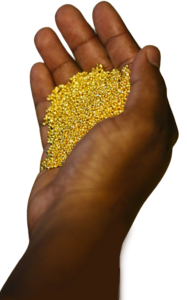
How to Avoid Fraud in Dubai Gold Souk: 12 Essential Tips
How to Avoid Fraud in Dubai Gold Souk: To avoid fraud in Dubai Gold Souk, always buy from an identifiable, established jewellery shop, verify the gold hallmark and purity, check the weight on a visible scale, compare the daily gold rate, negotiate making charges, and insist on a detailed purchase invoice. Never rely solely on a seller’s verbal guarantee, an attractive discount, or a certificate that you cannot independently verify.
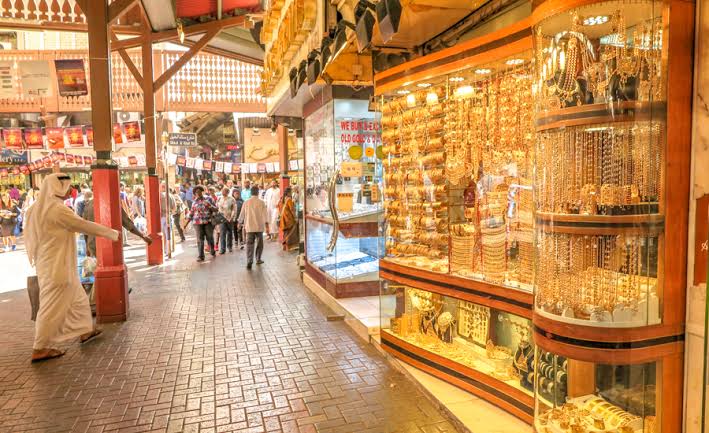
Dubai Gold Souk, located in Deira, is one of the world’s best-known gold jewellery markets. It attracts international visitors, jewellery collectors, investors and wholesale buyers looking for 24K, 22K, 21K and 18K gold products.
Although Dubai has an established regulatory framework for precious metals trading, buyers still need to understand how gold is priced and how to identify misleading offers, questionable purity claims, hidden charges and fraudulent sellers.
Whether you are purchasing a gold necklace, bracelet, ring, investment bar or other precious metal product, knowing what to check before paying can protect your money.
This guide explains how to avoid fraud in Dubai Gold Souk, verify gold authenticity, understand jewellery pricing, identify common scams, and take action if you discover a problem after purchasing gold.
12 Ways to Avoid Gold Fraud in Dubai Gold Souk
1. Buy Gold from an Established and Identifiable Jewellery Shop
The first step to avoiding gold fraud in Dubai Gold Souk is choosing where to purchase your gold.
The souk contains numerous jewellery businesses offering different gold designs, purities and prices. Do not assume that every person offering gold around the market represents an established jewellery shop.
Before making a purchase:
- Enter a permanent, identifiable jewellery store.
- Check the business name and displayed shop information.
- Request a printed quotation from the actual seller.
- Make sure the name on the receipt matches the business you purchased from.
- Avoid transferring money to an unknown individual or intermediary.
- Do not follow unsolicited strangers offering unusually cheap gold outside established shops.
Ask questions about the shop’s products, return conditions and gold certification. A professional seller should be willing to explain the purity, weight and final purchase price.
Dubai’s official tourism authority describes Gold Souk as a regulated jewellery market, but buyers should still perform their own checks on individual purchases.
2. Check the Gold Hallmark Before Buying
A gold hallmark is one of the most important indicators to inspect when purchasing jewellery in Dubai.
Hallmarks identify the precious metal and its declared fineness. Under UAE Federal Law No. 11 of 2015, official hallmarking identifies the type of precious metal, its fineness and the approved hallmarking body. Recognized foreign hallmarks are also provided for under the regulations.
Common UAE gold purity markings include:
| Gold purity | Hallmark | Approximate gold content |
|---|---|---|
| 24K | 999 | 99.9% |
| 22K | 916 | 91.6% |
| 21K | 875 | 87.5% |
| 18K | 750 | 75% |
| 16K | 666 | 66.6% |
| 14K | 583 | 58.3% |
| 12K | 500 | 50% |
For example, a 22K gold necklace should carry a purity marking corresponding to 916, while an 18K ring should have a 750 fineness marking.
Ask the jeweller to show you the hallmark and explain its meaning before purchasing.
Some small jewellery pieces may not have sufficient space for a physical hallmark. UAE regulations provide for identification information to be attached through an appropriate card or label where an item cannot be stamped.
Important: A hallmark is a useful verification indicator, but it is not conclusive proof against sophisticated counterfeiting. For expensive purchases, combine hallmark inspection with independent purity testing.
3. Understand the Daily Gold Price Before Negotiating
One of the mistakes inexperienced buyers make in Dubai Gold Souk is negotiating without understanding the current gold rate.
Gold prices change with international market movements. Shops generally use prevailing daily rates for the different gold purities when calculating jewellery prices.
Before purchasing, check the current gold price per gram for the specific karat you intend to buy.
For a fair comparison:
- Check the 24K rate if purchasing 24K gold.
- Check the 22K rate if purchasing 22K jewellery.
- Compare 21K and 18K products using their respective rates.
- Compare quotations from different shops at approximately the same time.
- Ask whether the displayed rate is the rate being applied to your actual purchase.
Do not compare a 22K jewellery quotation with a 24K bullion rate and assume that the difference represents a discount.
You can also monitor the international market through our live gold price guide.
4. Check the Weight of Your Gold on a Visible Scale
Gold weight directly influences the value of your purchase.
An inaccurate weight measurement can cause you to pay more than the actual gold content is worth.
Before paying, ask the jeweller to weigh the item where you can clearly see the scale reading.
Check the following:
- Confirm the displayed weight in grams.
- Make sure the reading is stable before recording it.
- Ask whether the weight includes gemstones or other materials.
- Confirm the gold-only weight where stones or non-gold components are present.
- Compare the weight on the invoice with the weight shown on the scale.
This is particularly important when buying diamond rings, gemstone necklaces, and elaborate jewellery sets.
For example, a necklace containing gold and gemstones may have a total weight that is higher than the actual weight of its gold. Ask how the non-gold components are accounted for when calculating the price.
Never approve a purchase simply because the seller tells you that the weight has already been checked.
5. Understand Making Charges and Negotiate Before Buying
Making charges are among the most important components of gold jewellery pricing in Dubai.
They represent the cost of manufacturing, designing and finishing a jewellery piece. Making charges can differ substantially between shops, product designs and workmanship.
A simple machine-made bracelet may have a different making charge from a handmade necklace with intricate detailing.
Before accepting a quotation, ask:
- How much is the gold value?
- What is the making charge?
- Is the making charge calculated per gram or as a total amount?
- Are gemstone or design charges included?
- Is VAT applicable?
- What is the final amount payable?
Compare making charges between several shops before committing to a purchase.
Some sellers may initially quote a very attractive gold rate but add substantial making charges later. Others may advertise a low making charge while using a different gold rate.
Always compare the complete final price rather than relying on one advertised figure.
6. Request a Detailed Gold Purchase Invoice
Never purchase gold in Dubai without requesting a proper invoice.
An invoice is important evidence of your transaction and can be useful when requesting an exchange, refund, warranty service, or making a consumer complaint.
The UAE consumer protection framework requires suppliers to provide dated invoices containing important information about the business and the goods sold.
Your gold purchase invoice should clearly identify:
- Jewellery shop’s legal or trading name.
- Shop address and contact details.
- Purchase date.
- Description of the gold item.
- Gold purity or karat.
- Gold weight.
- Applicable gold rate.
- Making charges.
- Gemstone or other additional charges, where applicable.
- VAT or other applicable taxes.
- Final amount paid.
- Payment information.
Check the invoice before leaving the shop.
A receipt showing only a total payment amount without describing the gold’s purity, weight and charges provides much less useful evidence if a disagreement arises.
For an expensive purchase, keep a digital photograph of the invoice and any accompanying certificate.
7. Distinguish Solid Gold from Gold-Plated Jewellery
Another important way to avoid gold fraud is understanding the difference between solid gold, gold-plated products and gold-filled jewellery.
These products may look similar, but they have very different gold contents and values.
Solid gold: The item is manufactured from a gold alloy of a stated fineness throughout its gold components. For example, 18K solid gold contains approximately 75% gold.
Gold-plated jewellery: A base metal is covered with a layer of gold. The underlying material is not the same as solid gold.
Gold-filled jewellery: A substantial layer of gold is mechanically bonded to a base metal. It is not equivalent to solid gold jewellery.
Always ask the jeweller to identify the exact product category.
Do not purchase an item described simply as gold jewellery without confirming whether it is solid gold, plated, filled or another material.
For investment purposes, make sure you are purchasing genuine bullion with clearly stated fineness rather than a gold-coloured decorative product.
Read our gold authentication guide to learn more about verifying gold products.
8. Request Independent Gold Purity Testing for Expensive Purchases
For valuable jewellery, gold bars or large transactions, independent testing provides additional assurance.
Dubai has specialized facilities for testing precious metals.
Dubai Municipality’s Dubai Central Laboratory provides precious metal and gemstone testing services. Its laboratory is located on Umm Hurair Road in Al Karama.
Dubai Municipality also announced a smart self-service gold and jewellery testing device intended for installation at Deira Gold Souk. However, confirm whether the device is currently accessible to customers before relying on it.
When arranging independent testing:
- Agree on the testing procedure before completing the purchase.
- Establish whether the test is non-destructive or requires a sample.
- Make sure the tested item is the same item you intend to purchase.
- Obtain the test result or report.
- Compare the measured purity with the seller’s declared karat.
Testing is particularly useful when purchasing expensive gold jewellery, large quantities or bullion from an unfamiliar source.
Do not rely exclusively on visual inspection, magnet tests or the seller’s own verbal assurance.
9. Be Careful with Unusually Cheap Gold Offers
A price that appears significantly below the prevailing market rate should always be investigated.
Gold has an internationally traded underlying value. Jewellery pricing may include manufacturing and retail charges, but this does not mean that genuine gold can consistently be purchased at implausibly low prices.
Fraudsters may use attractive prices to persuade buyers to pay deposits before inspecting the product.
Common warning signs include:
- Gold advertised substantially below the current market rate.
- Sellers refusing to disclose the gold’s purity.
- Unexplained discounts on large quantities.
- Pressure to purchase immediately.
- Claims that a special gold consignment is available only for a few minutes.
- Requests for advance payment to release or deliver gold.
Do not confuse a negotiable jewellery making charge with an extraordinary discount on the actual gold content.
Compare the item against the day’s market rate and ask for a complete written quotation before agreeing to purchase.
10. Avoid Fake Gold Certificates and Misleading Documentation
A certificate can make a gold purchase appear more trustworthy, but you should establish who issued it and what it actually confirms.
Some fraudulent sellers use copied certificates, altered assay reports or documents belonging to different gold products.
When reviewing a gold certificate, check:
- Name of the issuing laboratory or refinery.
- Report or certificate number.
- Declared gold fineness.
- Measured weight.
- Product description.
- Date of testing.
- Batch or serial number, where applicable.
- Whether the certificate can be independently verified.
For investment bars, make sure any serial number on the bar agrees with the accompanying documentation.
Remember that an assay certificate establishes information about the tested sample or product. It does not automatically establish the lawful origin of the gold or prove that the certificate belongs to the item being presented.
For more detailed guidance, see our guide to buying gold bars from Africa safely.
11. Use Secure and Traceable Payment Methods
The way you pay for gold is another important consideration.
For ordinary jewellery purchases, use a recognized payment method accepted by the business and ensure you receive a transaction receipt.
For expensive gold purchases or bullion transactions, use a traceable payment arrangement that identifies the legal recipient.
Follow these precautions:
- Pay the business identified on your invoice.
- Avoid transferring funds to unrelated personal accounts.
- Do not send money to strangers promising to arrange a gold purchase.
- Avoid cryptocurrency payments to unidentified sellers.
- Do not pay unexplained insurance, customs or release fees.
- Obtain written payment confirmation.
- Keep your card and banking transaction records.
For larger purchases, independent inspection and a documented purchase agreement are especially important before releasing the final payment.
Our legal requirements for buying gold bars explain why supplier verification, documentation and traceable transactions matter when dealing internationally.
12. Check Return, Exchange and Tourist Export Conditions
Before purchasing gold in Dubai, understand the shop’s return and exchange conditions.
Ask whether the item can be exchanged, what conditions apply to refunds, and whether there is a specific return period.
This is especially important for international visitors who may leave Dubai shortly after purchasing jewellery.
Also consider the following:
- Whether the item has a written warranty.
- Whether resizing or repairs are included.
- Whether an exchange is permitted for a different design.
- Whether the shop deducts any amount from returned jewellery.
- Whether you need to retain the original invoice and packaging.
If you are purchasing gold to take outside the UAE, check the destination country’s customs declaration requirements, tax rules and import restrictions before travelling.
Do not assume that gold bought legally in Dubai can automatically enter every destination country without declaration.
How Gold Prices Are Calculated in Dubai Gold Souk
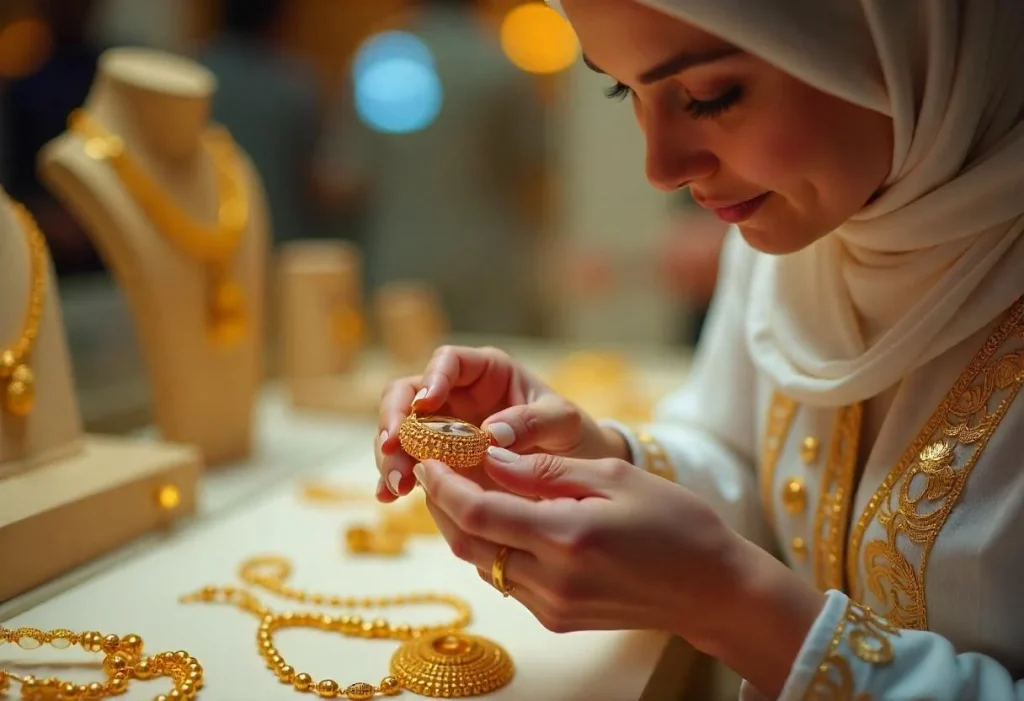
Understanding the calculation of your purchase is one of the most effective ways to avoid being overcharged.
A typical gold jewellery quotation is calculated using:
Final price = Gold value + Making charges + Additional stone or design charges + Applicable VAT.
The gold value is based on the net gold weight multiplied by the quoted per-gram rate for the relevant karat.
For example, when comparing two 22K necklaces, make sure both quotations use the same:
- Gold purity.
- Net gold weight.
- Gold rate.
- Making-charge structure.
- Additional charges.
- Applicable taxes.
This allows you to compare the actual value of the products rather than being misled by different pricing presentations.
Why Making Charges Matter
Making charges can create significant differences between two jewellery purchases with similar gold weights.
A simple chain may involve less manufacturing work than an intricately designed necklace or handmade bracelet.
Some shops calculate making charges per gram, while others provide a fixed manufacturing charge.
Ask for the calculation method in writing.
Do not accept a quotation that combines the gold rate and manufacturing charges into one unexplained amount.
Is the Cheapest Gold Shop Always the Best?
No. The lowest quoted price does not automatically represent the best value.
A trustworthy purchase should provide:
- Correct gold purity.
- Accurate weight.
- Clear making charges.
- Proper hallmarking or identification.
- Detailed documentation.
- Transparent payment and return conditions.
Paying slightly more for a product with clearer documentation and better verification arrangements may be preferable to accepting a questionable bargain.
Common Gold Scams to Watch Out for in Dubai
Understanding common fraud patterns makes it easier to recognize suspicious offers.
The Fake Gold or Gold-Plated Jewellery Scam
A seller may present an item as solid gold when it is actually gold-plated or contains a different base metal.
How to avoid it: Check the hallmark, read the product description, obtain a proper invoice and request independent testing for expensive purchases.
The False Purity Claim
A piece may be advertised as 22K or 24K even though its actual gold content is lower.
How to avoid it: Verify the fineness marking and arrange independent purity testing when necessary.
The Underweight Gold Scam
A buyer is charged for a higher weight than the actual net weight of the gold.
How to avoid it: Watch the item being weighed, check the scale reading, and establish whether gemstones or other materials are included.
The Inflated Making-Charge Scam
A seller advertises an attractive gold rate but adds excessive or unexplained making charges.
How to avoid it: Request an itemized quotation and compare making charges with other shops.
The Fake Assay Certificate Scam
A seller provides a certificate that does not correspond to the jewellery or bullion being sold.
How to avoid it: Verify the issuing laboratory, report number, product details and serial number.
The Advance-Payment Scam
A seller demands money to secure a discounted gold consignment or release a product that you have not independently inspected.
How to avoid it: Deal with identifiable businesses, establish the full transaction terms and avoid sending money to unknown intermediaries.
The Gold Substitution Scam
The item shown during the inspection is different from the one packaged or delivered after payment.
How to avoid it: Verify the actual item before packaging, check its identification details and make sure your invoice describes the product you receive.
What to Do If You Discover Gold Fraud in Dubai
If you believe you have purchased counterfeit gold, received the wrong purity, or been charged incorrectly, take action as soon as possible.
Step 1: Keep Your Purchase Documents
Keep the original invoice, payment receipt, certificate, packaging and any written communication with the seller.
Record the shop name, address and transaction date.
Step 2: Obtain Independent Gold Testing
If your concern involves purity or authenticity, arrange testing through an appropriate professional laboratory.
Dubai Municipality’s Central Laboratory provides precious-metal testing services.
An independent report can provide technical evidence of whether the gold meets the declared specification.
Step 3: Contact the Shop
Explain the problem and request an appropriate resolution.
Depending on the circumstances, this could involve an exchange, refund, correction of the invoice or further inspection.
Keep the discussion documented.
Step 4: Contact the Appropriate Consumer or Regulatory Authority
Dubai’s Consumer Rights service allows residents and visitors to raise certain complaints against businesses licensed by Dubai’s Department of Economy and Tourism.
Eligible issues include misleading advertising, incorrect charges, breach of warranty and certain refund or exchange disputes.
However, its official guidance specifically excludes gold-inspection complaints and product-quality or standards matters from its scope. Therefore, use an appropriate technical testing and regulatory route for a dispute about gold purity or hallmarking rather than assuming the ordinary consumer complaint portal will handle it.
Useful official contacts include:
- Dubai Consumer Rights – Submit a Complaint
- Dubai Central Laboratory – Precious Metal Testing
- UAE Ministry of Economy and Tourism, which publishes consumer-protection services and contact information.
For Dubai consumer complaints, retain the invoice or payment receipt because it is required evidence of the transaction.
Buying Gold Bars in Dubai vs Buying Jewellery at the Gold Souk
The Dubai Gold Souk is particularly well known for its jewellery shops, but some buyers also explore gold bars and investment products.
It is important to understand that jewellery and investment bullion have different purchasing considerations.
| Comparison | Gold jewellery | Investment gold bars |
|---|---|---|
| Common purities | 22K, 21K and 18K | Usually 24K |
| Main purchase consideration | Design, purity, weight and workmanship | Fineness, weight and refinery |
| Making charges | Usually applicable | Manufacturing premiums may apply |
| Documentation | Detailed jewellery invoice and applicable hallmark | Assay documentation and product identification |
| Resale considerations | Design and workmanship may affect resale | Refinery, purity and market acceptance matter |
| Testing | Hallmark and suitable independent assay | Appropriate bullion verification and assay |
If your intention is to invest in physical gold rather than purchase jewellery, compare investment-grade bars from reputable bullion suppliers.
Look for declared fineness, manufacturer or refinery identity, serial number where applicable, and reliable assay documentation.
You can explore our 24K gold bars and read our Dubai gold buying guide to understand the differences between purchasing gold in the retail and investment markets.
Is Dubai Gold Souk Safe for Tourists?
Yes, Dubai Gold Souk is an established retail destination with a regulated precious-metals trading framework. The market attracts tourists and international jewellery buyers, and the official Dubai tourism authority describes its merchandise as subject to government quality regulation.
Nevertheless, regulation does not remove the need to verify individual purchases.
Tourists should take the same precautions they would when buying expensive jewellery anywhere in the world.
Before leaving the market, make sure you have:
- The correct jewellery or bullion item.
- A clear purity or fineness description.
- Verified weight.
- A detailed dated invoice.
- Any applicable product certificate.
- A copy of the payment receipt.
- Written return or exchange conditions.
Avoid carrying large quantities of gold unnecessarily while sightseeing. Arrange secure storage and understand the customs requirements that apply when taking gold out of the UAE.
FAQs About Avoiding Fraud in Dubai Gold Souk
Is Dubai Gold Souk safe for buying gold? Dubai Gold Souk is an established and regulated gold jewellery market. However, buyers should still check the hallmark, purity, weight, daily gold rate, making charges and invoice before completing a purchase.
How can I identify genuine gold in Dubai Gold Souk? Check the purity hallmark, confirm the declared karat, inspect the item and arrange independent testing for expensive purchases. A proper invoice should also describe the item and its gold specifications.
What does 916 mean on Dubai gold? 916 is the fineness marking for 22K gold, meaning the jewellery contains approximately 91.6% gold by mass.
What does 750 mean on gold jewellery? 750 indicates 18K gold, containing approximately 75% pure gold.
Can gold be fake even if it has a hallmark? A hallmark is an important regulatory and identification feature, but a counterfeit or altered marking is still possible. For valuable items, combine hallmark inspection with independent verification.
Should I negotiate the price of gold in Dubai Gold Souk? You can ask whether the making charges are negotiable. The underlying daily gold rate is linked to the market, while the manufacturing charge may vary between sellers and designs.
Do Dubai gold shops provide certificates? Documentation depends on the product. Jewellery purchases should have a detailed invoice and applicable hallmarking or identification information. Investment bars may have additional assay and refinery documentation.
Can I have gold tested in Dubai? Yes. Dubai Municipality’s Central Laboratory provides gemstone and precious-metal testing services. Confirm its current testing requirements, fees and sample procedures before submitting an item.
What should I do if a Dubai jewellery shop sells me under-karated gold? Keep the invoice and payment evidence, obtain independent laboratory testing, contact the shop in writing, and approach the appropriate technical or regulatory authority with the evidence.
Is gold cheaper in Dubai Gold Souk than in other countries? Dubai can offer competitive gold jewellery pricing because of its extensive gold-trading industry. However, the final price depends on the daily gold rate, purity, making charges, taxes, design and seller. Compare the complete purchase cost rather than assuming every item is cheaper.
Can tourists take gold purchased in Dubai out of the UAE? Gold can generally be taken abroad subject to applicable customs and declaration rules. Requirements depend on the quantity, form of gold, destination and applicable regulations. Check both UAE departure requirements and your destination country’s import rules before travelling.
What is the safest way to buy investment gold in Dubai? Purchase from an identifiable bullion dealer, verify the product’s fineness and manufacturer, check serial numbers and supporting assay documentation, obtain a proper invoice and use traceable payment arrangements.
Buy Gold with Confidence: Understand Authenticity Before You Pay
Avoiding fraud in Dubai Gold Souk starts with understanding what you are purchasing and knowing how to verify it.
Check the hallmark, establish the actual gold weight, compare the daily rate, negotiate making charges and obtain a detailed invoice. For large or expensive purchases, independent testing provides an additional level of confidence.
At Buy Gold Bars Africa, we emphasize gold purity verification, transparent pricing, independent assay documentation and legal transaction procedures when sourcing gold from African markets.
Our guides help buyers understand gold authenticity, product specifications and the documentation required for international purchases.
Explore:
- How to Buy Gold Bars from Africa Safely
- Gold Authentication Guide
- Legal Requirements to Buy Gold Bars from Africa
- Buy Gold in Dubai
- Current Gold Price per Ounce
Before purchasing gold anywhere, remember: verify the seller, verify the purity, check the weight, understand the charges and keep your documentation.

