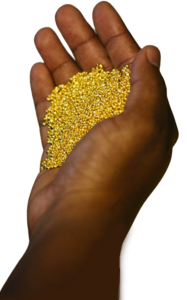
Buy Gold in Mali: Mali Gold Price & Best Place to Buy 2026
Buy gold in Mali with confidence. Discover the Mali gold price in 2026, where to buy authentic gold, certified 24K gold bars, trusted suppliers, current market prices, and secure purchasing options.
Mali is one of Africa’s top gold-producing countries, with gold mining playing a genuinely crucial role in its economy. The nation ranks among the largest gold producers on the continent, alongside Ghana and South Africa, and gold now accounts for roughly 80–85% of Mali’s total export earnings.
For investors, jewelers, and traders looking to buy gold in Mali, the country offers access to high-quality gold at competitive prices, making it a genuinely sought-after destination in the wider gold market.
The gold price in Mali per gram remains attractive for buyers seeking value, whether you’re aiming to purchase 24K gold in Mali or invest in gold bars for export.
Mali’s gold mining industry blends large-scale industrial operations with widespread artisanal mining. Artisanal mining alone accounts for a substantial share of production, with thousands of small-scale miners working across gold-rich regions like Kayes, Sikasso, and Koulikoro.
For those interested in Mali gold bars export, the country has established legal frameworks and licensed gold dealers who facilitate safe, compliant transactions — though it’s important to work only with reputable dealers and understand the regulatory environment to ensure responsible sourcing and avoid illegal trade.
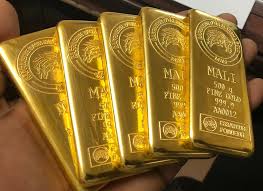
How to Buy Gold in Mali Safely: Where to Buy Licensed Gold in Mali
To buy gold in Mali safely, work only with licensed, trusted dealers offering certified gold. As a licensed Africa gold exporter, we specialize in sourcing and selling Mali gold ethically, providing 24K Mali gold bars, Mali gold nuggets, and secure export services with full documentation.
Always verify purity, demand an assay certificate, and check the current gold rate in Mali today before committing to a purchase.
Our process is built around compliance, transparency, and safe global delivery — contact us to work with a reputable supplier committed to quality and trust.
Legal Requirements and Regulations for Buying Gold in Mali
Purchasing gold in Mali requires compliance with the country’s mining laws and regulations. The Malian government has established rules to prevent illegal gold exports, money laundering, and fraudulent transactions. Key legal requirements for anyone looking to buy gold in Mali include:
Business licensing — any entity purchasing gold for resale or export must obtain a license from the Malian Ministry of Mines, keeping gold trading within the legal framework.
Gold export permits — exporting gold from Mali requires an official permit issued by the government. Buyers must provide proof of purchase and pay the necessary export duties.
Taxation — gold transactions are subject to government taxation, including Value Added Tax (VAT) and export levies.
Verification of source — buyers must ensure they purchase gold from legally recognized mines and dealers to avoid involvement in the illicit gold trade.
Failure to adhere to these regulations can result in legal penalties, confiscation of gold, or denial of export permits — full due diligence is essential when engaging in Mali’s gold market, and we cover the fuller picture in our guide to legal requirements for buying gold bars from Africa.
Where to Buy Gold in Mali
Mali offers several routes for buying gold, from the bustling gold markets of Bamako to reputable licensed dealers and artisanal miners. Buyers should stay cautious throughout to ensure they’re getting genuine, high-purity gold.
Bamako gold markets — Bamako, Mali’s capital, serves as a central hub for gold trading. The city hosts various gold markets where local traders sell raw gold, gold bars, and jewelry, and the gold price in Bamako, Mali attracts both local and international buyers thanks to competitive pricing and a wide range of products.
Reputable, licensed gold dealers — several licensed dealers operate in Mali, offering buyers a safe, legal way to purchase gold, complete with certifications of authenticity and full regulatory compliance. Always verify a dealer’s licensing and business credentials before transacting.
Artisanal vs. large-scale gold sellers — buyers can choose between artisanal miners, who sell raw gold at lower prices with variable purity, and large-scale producers, who offer refined gold at standardized purity levels — generally the safer choice for serious investors.
Mali Gold Prices: How Much Does Gold Cost in 2026?
The gold price in Mali fluctuates based on international market trends, mining production, and local demand, driven primarily by global gold rates on the London and New York exchanges, local supply and demand, and government taxation affecting the gold trade.
The current price is also directly shaped by the strength of the West African CFA franc (XOF), Mali’s local currency, against the US dollar.
Spot Gold Price in Mali (CFA Franc — XOF), 2026
As of today, the global gold spot price sits at approximately $4,120 per troy ounce. Here’s what that means for anyone checking the gold rate in Mali today, 24 carat, or the Mali gold price today, 22 carat:
| Purity | Unit | Price (XOF) | Approx. USD Value |
|---|---|---|---|
| 24K (99.9%) | 1 gram | ~76,000 – 76,300 | ~$132 |
| 24K (99.9%) | 1 troy ounce | ~2,365,000 – 2,370,000 | ~$4,110 – $4,130 |
| 24K (99.9%) | 1 kilogram | ~76,000,000 – 76,300,000 | ~$132,000 – $132,700 |
| 22K (91.67%) | 1 gram | ~69,700 – 70,000 | ~$121 |
| 22K (91.67%) | 1 troy ounce | ~2,168,000 – 2,177,000 | ~$3,770 – $3,785 |
Key insight: the current dollar rate in Mali today sits at roughly 575 XOF per USD, since the West African CFA franc is pegged to the euro (and moves with it against the dollar) rather than floating independently — a useful thing to know if you’re converting quoted XOF prices yourself.
Factors Affecting Gold Prices in Mali
The price of gold in Mali is shaped by several interlocking factors: mining costs, currency exchange rates, and market demand.
Mining costs vary significantly between large-scale operations and artisanal miners. Large-scale gold mines benefit from advanced technology and economies of scale, offering more stable pricing, while artisanal mining — prevalent across Mali — relies on manual labor and less efficient tools, often producing more unpredictable pricing.
Currency exchange rates matter enormously, particularly the strength of the CFA franc against the US dollar and euro. Since gold trades globally in US dollars, any depreciation of the CFA franc raises the local cost of gold, while a stronger currency can lower it.
Market demand — from global investors, jewelers, and central banks — pushes prices upward when it rises, and softens them when it weakens. External factors including inflation, global gold reserves, and geopolitical stability all continue to shape Mali’s gold market.
How to Verify Authentic Gold in Mali
When buying gold in Mali, verifying authenticity is essential to avoid scams and counterfeit gold. The most reliable testing methods include:
- Acid test — uses nitric acid to determine purity; real gold doesn’t react, while fake gold discolors.
- Density test — gold has a specific density of 19.32 g/cm³; measuring density helps confirm authenticity.
- Magnet test — gold is non-magnetic. If your gold sticks to a magnet, it’s very likely fake.
How to Avoid Fake Gold Scams in Mali
Many fraudulent dealers operate in Mali’s gold markets, targeting unsuspecting buyers with counterfeit or impure gold. To ensure a secure transaction, always purchase from licensed gold dealers with proper accreditation and legal authorization to sell gold. Reputable dealers provide clear documentation and adhere to government regulations, meaningfully reducing your risk of fraud.
Always demand certification of authenticity — genuine gold should come with purity certificates or assay reports verifying its karat value and composition. If a seller can’t provide these documents, treat it as a serious red flag.
Be equally cautious of deals that seem too good to be true: gold is a highly valued commodity, and legitimate prices stay relatively close to the prevailing Mali gold price per gram. An offer significantly below market rate is very likely a scam.
Is It Legal to Buy Gold in Mali?
Buying gold in Mali is legal, but must be done within the framework of government regulation to ensure compliance with the country’s mining laws. Mali’s Mining Code is the primary legal document governing gold extraction and trade, ensuring transactions are conducted transparently while minimizing illegal mining and smuggling.
For buyers, this means purchasing gold from licensed dealers is essential to avoid penalties or legal complications, and the seller must be able to provide proof of their license to operate within Mali’s legal mining framework.
International buyers exporting gold from Mali need official documentation, including export permits confirming the gold was legally purchased and meets the country’s legal standards, with all applicable taxes and levies settled before export approval.
Documents Required for Gold Transactions
A key document is the tax clearance certificate, proving all relevant taxes have been paid. Buyers should also secure proof of purchase from a licensed dealer to ensure transparency throughout. Failing to follow these regulations can lead to confiscation of the gold or further legal consequences.
Mali Gold Export Permit Requirements
If you want to export gold from Mali legally, obtaining an official gold export permit is mandatory. Mali’s government strictly regulates gold exports to prevent illegal trade and ensure compliance with international standards.
To apply, you’ll need to work with a licensed exporter or trusted gold dealer in Mali, who can guide you through the process. The permit is issued by Mali’s Ministry of Mines and requires documentation including the assay certificate, proof of purchase, tax and duty payments, and buyer/exporter identification.
Without a valid export permit, your gold can be confiscated at customs, and you may face heavy penalties. Always verify that your dealer includes the required paperwork — export license, assay certificate, and customs declarations — to ensure your shipment is legal, safe, and internationally recognized.
Step-by-Step Gold Export Process in Mali
- Source gold from licensed dealers in Mali — work with trusted, verified dealers offering certified 24K gold bars, nuggets, or dust, and always verify the dealer’s license and the gold’s authenticity.
- Obtain an assay certificate — gold must be assayed and certified by Mali’s official assay office to confirm purity and weight, essential for any Mali gold bars export.
- Secure an export license — an export permit from the Ministry of Mines is mandatory for legal gold export from Mali; licensed exporters typically handle this paperwork on your behalf.
- Pay applicable taxes and fees — settle the necessary taxes, export duties, and handling fees based on the current gold price in Mali and the quantity being exported.
- Arrange secure transport — use an insured, specialized logistics provider to ship your gold internationally, with full chain-of-custody tracking.
Export Regulations and Customs Clearance
Before exporting gold from Mali, obtaining an export permit is essential — this ensures the transaction complies with local regulations and confirms the legality of the gold. When traveling, always declare gold at customs checkpoints to facilitate legal clearance; failing to declare can lead to confiscation or fines. Export duties must also be paid before the gold can leave the country, varying based on quantity and value.
Buying Gold in Mali vs. Other African Countries
Mali competes with Ghana, South Africa, and Tanzania for gold production, and each country offers different advantages for buyers:
- Ghana — Africa’s largest gold producer, with a highly regulated market.
- South Africa — home to some of the world’s deepest gold mines, but with higher taxes.
- Tanzania — offers high-purity gold but maintains strict export regulations.
- Mali — competitive pricing and abundant reserves, though buyers must ensure genuine legal compliance.
Mali offers a genuinely favorable tax environment for gold investors relative to some regional peers, with opportunities across both large-scale mining and more flexible artisanal investment.
Reduced labor costs and lower overhead across much of the country’s mining sector help keep the gold price in Mali more accessible than in some neighboring markets.
Mali’s Gold Market Significance in West Africa
Mali’s gold mining sector is vital not just to the national economy but to the regional gold trade as a whole. West Africa is known for its rich gold deposits, and Mali’s extensive mining areas have made it a key exporter to international markets.
The country’s stable mining infrastructure, access to important shipping routes, and established relationships with gold markets in the UAE and China position Mali as a genuine player in the global gold trade, while the growing artisanal mining sector provides livelihoods for a significant share of the local population.
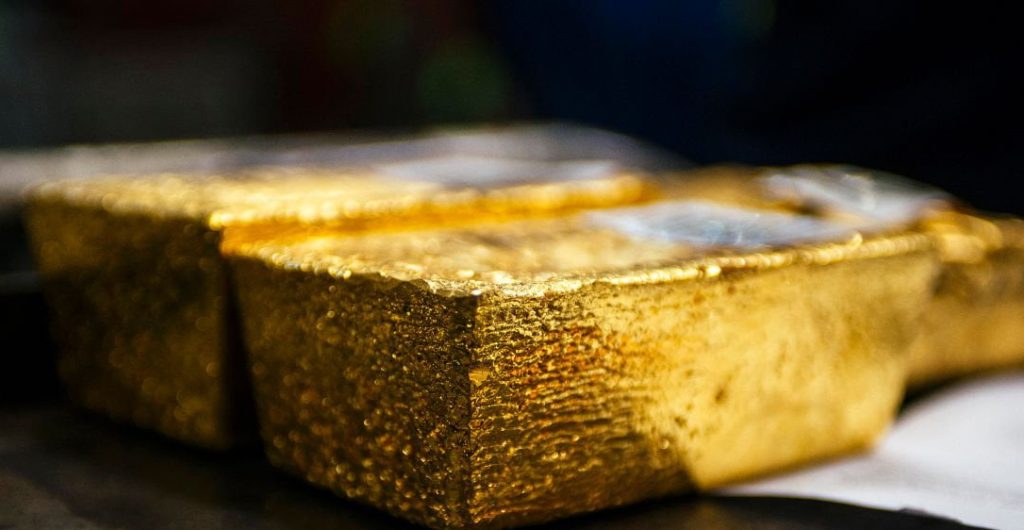
History of Gold in Mali
Gold has been central to Mali’s history for centuries. The ancient Kingdom of Mali, which flourished from the 13th to 16th centuries, was famous for its gold wealth — the legendary emperor Mansa Musa is widely credited with making Mali the richest empire of its time, in large part due to its vast gold resources.
Even today, gold remains embedded in Mali’s culture, with traditional gold-mining practices still influencing modern mining techniques in certain regions.
Current Market Dynamics of Gold in Mali
Mali’s gold market has been through real turbulence in recent years, and it’s worth understanding the full arc rather than just a snapshot.
In early 2025, Mali’s government imposed export restrictions targeting the Loulo-Gounkoto mining complex, then operated by Barrick, amid a dispute over the 2023 Mining Code’s revenue-sharing terms.
The government seized roughly 3 tonnes of on-hand gold, detained employees, and placed the complex under provisional state administration in June 2025, while Barrick suspended operations and pursued international arbitration.
That dispute has since been resolved. In November 2025, Barrick and the Malian government reached a comprehensive settlement: Barrick agreed to pay approximately $253 million and sign onto the 2023 Mining Code, while Mali dropped all charges, released detained staff, and returned full operational control of the mine.
Barrick regained control on December 18, 2025, resumed production before year-end, and in February 2026 secured a 10-year renewal of the Loulo mining permit, with the site now expected to contribute 260,000–290,000 ounces to Barrick’s 2026 production.
This resolution has meaningfully reduced political and supply-chain uncertainty across Mali’s formal gold sector heading into 2026, even as the broader 2023 Mining Code — with its higher state royalty stakes — continues to shape how international operators structure new agreements with the government.
Overview of Gold Mining Regions in Mali
Mali is home to several prolific gold mining regions offering real opportunities for gold buyers and exporters alike:
Kayes — located in western Mali, Kayes is a major hub for gold production, home to some of the country’s largest mines, including Sadiola and the now-resolved Loulo-Gounkoto complex.
Sikasso — situated in southern Mali, Sikasso is known for rich alluvial gold deposits, particularly attractive to artisanal miners.
Bamako — Mali’s capital is also a major center for gold trading, where much of the country’s gold changes hands, supported by numerous gold shops and licensed dealers based in the city.
Major Mining Operations Behind Mali’s Gold Supply
It’s worth understanding the difference between the large industrial mining companies that produce Mali’s gold at scale and the licensed dealers individual buyers actually purchase from.
Companies including Resolute Mining (operating the Syama mine), Barrick (operating Loulo-Gounkoto, now back in full production following its 2025 settlement with the government), and the IAMGOLD/AngloGold Ashanti joint venture at the Sadiola mine are responsible for the bulk of Mali’s formal, large-scale gold output — but these are industrial producers exporting bulk refined gold through institutional channels, not retail dealers selling directly to individual investors or jewelers.
For anyone actually looking to buy Mali gold as an investor, jeweler, or trader, working with a licensed export-focused dealer — like us — remains the practical route, since we handle sourcing, assay certification, export permits, and secure logistics on your behalf, drawing on gold produced across Mali’s licensed mining sector.
Why Mali Is an Attractive Place for Gold Buyers
Mali’s gold market appeals to buyers for several concrete reasons: rich reserves and significant ongoing production make it a prime destination for trading and investment; access to established gold markets means Mali’s gold reaches international buyers through a well-developed trading network; competitive pricing reflects the country’s position as a major regional producer; and growing formalization of the gold trade, especially following the resolution of the 2025 Barrick dispute, has made buying gold in Mali genuinely safer and more transparent for both local and international buyers.
Buying Gold Bars and Coins in Mali: A Step-by-Step Guide
- Determine your needs — decide whether you want gold as a long-term investment (bars or coins) or as a collectible (jewelry).
- Choose a trusted, licensed dealer — work with an operator with a proven, verifiable track record.
- Verify the purity — confirm the gold matches its claimed purity, especially for investment-grade bars or coins.
- Negotiate where appropriate — for larger purchases, particularly in local markets, there’s often room to negotiate.
- Secure your payment — use bank transfers or other certified, traceable payment methods, and avoid cash payments where possible to minimize fraud risk.
Buy Gold in Mali Online From a Licensed Africa Gold Exporter
We’re a licensed Africa gold exporter, sourcing certified 24K, 22K, 18K, and 14K gold bars, nuggets, and dust from Mali alongside Uganda, Kenya, South Africa, Tanzania, Mozambique, Zambia, and the DRC — not an informal trader, but a documented operation working directly with Mali’s licensed mining sector.
Every shipment includes a full assay certificate, certificate of origin, commercial invoice, and export permit, giving you exactly the paperwork Mali’s regulations require and international customs authorities expect to see.
Browse our 24K gold bars, 1 oz gold bars, gold ingots, and gold nuggets catalogues, or explore our gold dust and bulk order options for larger volumes. Our safety guide and legal requirements guide are worth reading before your first purchase, wherever you’re buying from.
For regional comparison, see our guides to where to buy gold in South Africa, buying gold in Tanzania, and gold bars for sale in Kampala. International buyers can also browse our destination-specific guides for Germany, France, Dubai, China, Hong Kong, Singapore, Brazil, and Mexico — the same certified sourcing standards apply wherever your Mali gold is headed. If silver is also on your radar, see our silver bullion offering as well.
Contact us today for a live quote benchmarked against today’s Mali gold price, or learn more about who we are as a licensed Africa gold exporter working directly with Mali’s regulated mining sector.
Related Pages
- 24K Gold Bars
- 1 oz Gold Bar
- Gold Bars — Full Catalogue
- Gold Ingots for Sale
- Gold Nuggets for Sale
- Real Gold Nuggets and Bullion
- Gold Dust
- Bulk Orders / Large Volume Gold Deals
- Where to Buy Gold in Africa
- Gold Bars for Sale in Kampala
- Where to Buy Gold in South Africa
- Buy Gold in Tanzania
- Gold Export Tax in Uganda
- How to Buy Gold Bars From Africa Safely
- Legal Requirements to Buy Gold From Africa
- Buy Gold Online in Germany
- Buy Gold Online in France
- Buy Gold in Dubai
- Buy Gold in China Online
- Buy Gold Online in Hong Kong
- Gold for Sale in Singapore
- Buy Gold Online in Brazil
- Buy African Gold in Mexico
- Silver Bullion
- About Us
- Guides & Blog
- Contact Us