Gold and Currency Exchange Rates: How Currencies Affect Gold
This guide examines how currencies affect gold, the inverse link with the US dollar, the role of other major currencies, and practical implications for investors watching gold and currency exchange rates.
Why Currency Exchange Rates Matter for Gold
Gold trades as an international asset. The spot price most people see is quoted in USD per troy ounce. When the US dollar strengthens against other currencies, gold becomes more expensive for holders of euros, pounds, yen and emerging-market currencies. Higher relative cost tends to reduce demand and can pressure the dollar price of gold lower.
Conversely, when the dollar weakens, gold becomes cheaper in other currencies. This often stimulates demand from non-US buyers and supports higher gold prices in USD terms. The relationship is one of the most consistent drivers of short- to medium-term gold price movements.
The Inverse Relationship Between the US Dollar and Gold
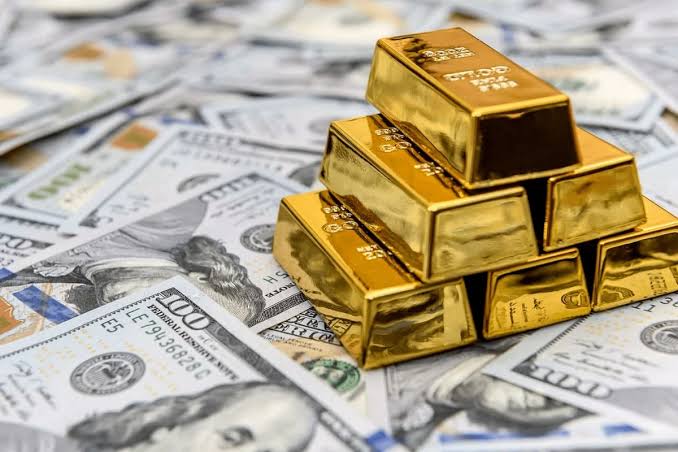
The strongest and most widely observed link is the inverse correlation between gold and the US Dollar Index (DXY). Studies and market data commonly place the correlation in the range of –0.5 to –0.8 over longer periods. When the DXY rises, gold frequently falls, and when the DXY declines, gold often advances.
This occurs for two main reasons:
- Pricing convention — gold is denominated in dollars worldwide.
- Relative value — a stronger dollar makes dollar-priced gold more expensive for the rest of the world.
The relationship is a strong tendency rather than a perfect rule. During periods of extreme risk aversion, both gold and the dollar can rise together as safe-haven assets. Central-bank buying, geopolitical events and shifts in real interest rates can also temporarily weaken the inverse link.
How Other Major Currencies Interact with Gold
Movements in the euro, British pound, Japanese yen and other currencies affect gold primarily through their impact on the US dollar. A stronger euro or pound against the dollar (higher EUR/USD or GBP/USD) typically coincides with a weaker dollar and can support gold prices.
Commodity-linked currencies such as the Australian dollar sometimes show additional sensitivity because of gold production in those economies. Local-currency gold prices in places such as India, China or African markets also respond to bilateral exchange rates against the USD.
For example, a weaker local currency against the dollar can make imported gold more expensive in domestic terms even if the USD gold price is stable.
Practical Implications of Gold and Currency Exchange Rates for Investors
Investors monitoring gold and currency exchange rates should watch several indicators:
- US Dollar Index (DXY) for the broad dollar trend
- Major pairs such as EUR/USD, GBP/USD and USD/JPY
- Real interest rates (nominal yields adjusted for inflation), which interact with both the dollar and gold
- Central-bank policy statements that influence currency valuations
A weakening dollar environment has historically been supportive for gold in USD terms. A strengthening dollar can create headwinds. However, gold’s role as a store of value means other factors — inflation expectations, geopolitical risk and monetary policy — often dominate over pure currency moves in the longer term.
Local investors outside the United States experience an additional layer: the gold price converted into their home currency. A rising USD gold price combined with a weakening local currency can produce amplified gains (or losses) when measured in local terms.
Key Takeaways on Currencies and Gold Prices
- Gold’s global price is quoted in USD, creating a structural inverse relationship with dollar strength.
- Correlation with the DXY is typically negative but not constant.
- Other currencies influence gold mainly via their effect on the dollar.
- Local-currency gold prices depend on both the USD gold price and the bilateral exchange rate.
- Currency moves are one important driver among several that shape gold’s performance.
Related Insights from Buy Gold Bars Africa
When currency movements create opportunities in the gold market, access to certified physical bars becomes especially valuable. Buy Gold Bars Africa Ltd supplies assay-certified African gold with transparent, LBMA-referenced pricing. Begin exploring options at the homepage.
Learn about the company’s background on the About page, review services that include sourcing and export support, or examine product details on the gold bar page and gold bars for sale online.
Further resources include the buy gold online category, practical tips for buying gold online, gold bullion for sale, buying gold in bulk, and regional options such as buy gold in South Africa. These pages help investors convert insights on gold and currency exchange rates into concrete physical holdings.
Related Pages
- Home – Buy Gold Bars Africa
- About Us
- Services
- Gold Bar
- Gold Bars for Sale Online
- Buy Gold Online Category
- Tips for Buying Gold Online
- Gold Bullion for Sale
- Buying Gold in Bulk
- Buy Gold in South Africa
Conclusion – Track Currencies and Secure Physical Gold
Gold and currency exchange rates remain tightly linked because gold is priced in dollars worldwide. A weaker US dollar generally supports higher gold prices in USD terms, while a stronger dollar can create pressure.
Other currencies influence the metal mainly through their impact on the dollar, and local-currency prices add another important dimension for non-US investors.

Staying informed about these dynamics helps investors time purchases and understand price movements more clearly. When you are ready to translate that understanding into physical holdings, visit Buy Gold Bars Africa Ltd.
Explore certified African gold options , review the available sizes and documentation, and contact the team to secure bars that align with your view on currencies and gold. Take the next step today and build your position with a trusted, licensed African supplier.