Gold Jewellery Valuation — What Determines the True Worth
Learn how gold jewellery valuation works and what determines the true value of your pieces, including purity, weight, gold prices, craftsmanship, gemstones, and market demand.
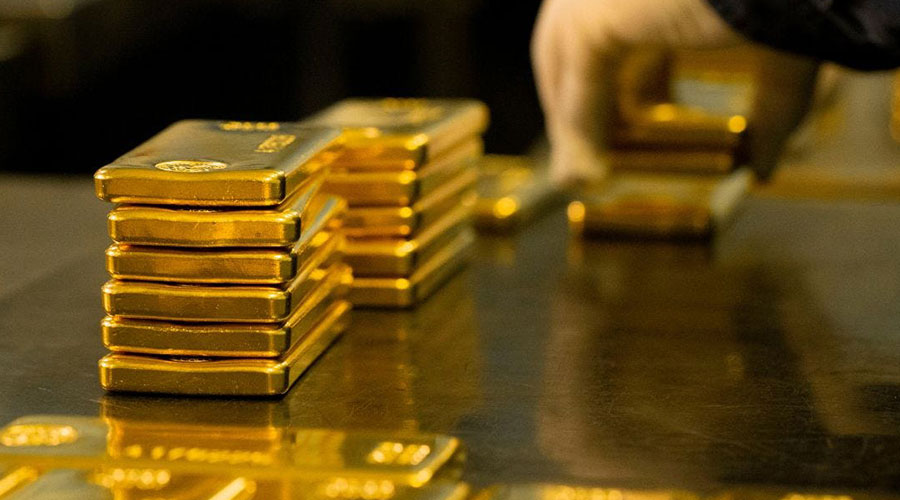
Understanding gold jewellery valuation is essential whether you are buying, selling, insuring or simply assessing items you already own. Unlike investment-grade gold bars, jewellery value combines the intrinsic metal content with design, craftsmanship, brand and condition.
A clear grasp of gold jewellery valuation prevents overpaying when purchasing and under-selling when disposing of pieces.
This guide covers the core elements of gold jewellery valuation, the melt-value calculation, hallmarks, additional value drivers and practical steps for accurate assessment.
Key Factors in Gold Jewellery Valuation
- Gold purity: 24K, 22K, 18K, and 14K jewellery have different gold content and values.
- Weight: The amount of gold in the jewellery directly affects its base value.
- Current gold price: Market prices influence the underlying value of the gold.
- Craftsmanship: Intricate designs and high-quality workmanship can increase the retail value.
- Gemstones: Diamonds, sapphires, rubies, and other precious stones may add significant value.
- Brand and provenance: Recognized jewellery brands and documented history can command higher prices.
- Condition: Well-maintained jewellery generally retains more value than damaged or heavily worn pieces.
- Market demand: Buyer preferences and local market conditions can affect resale prices.
- Hallmarks and certification: Authenticity marks and reliable certificates help verify purity and origin.
- Making charges: Labour, design, and finishing costs should be considered separately from the gold’s intrinsic value.
The Foundation of Gold Jewellery Valuation: Melt Value
The starting point for any gold jewellery valuation is the melt value — the pure gold content multiplied by the current market price. The basic formula is:
Melt Value = Total Weight (grams) × Purity (as a decimal) × Current Spot Price per Gram
Purity is expressed in karats:
- 24K = 99.9% pure (0.999)
- 22K = 91.6% pure (0.916)
- 18K = 75% pure (0.750)
- 14K = 58.5% pure (0.585)
- 10K = 41.7% pure (0.417)
- 9K = 37.5% pure (0.375)
Hallmarks such as 750 (18K), 585 (14K) or 916 (22K) appear inside rings, on clasps or on the reverse of pendants. Accurate weighing on a precision scale (in grams) and confirmation of the stamp are the first practical steps in gold jewellery valuation.
Beyond Melt Value: Factors That Add or Reduce Worth
While melt value sets the floor, several elements can push a piece higher or lower in a full gold jewellery valuation:
- Brand and maker — Designer or heritage names often command premiums well above scrap value.
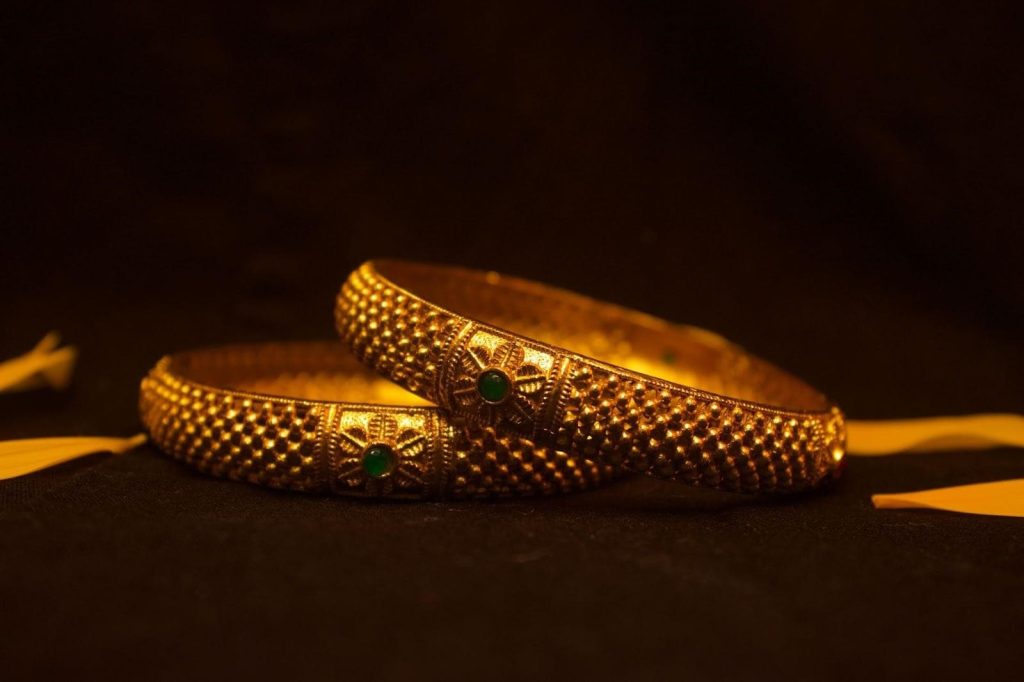
- Craftsmanship and design — Hand-finished, intricate or period pieces (Art Deco, Victorian, etc.) attract collectors.
- Gemstones — Diamonds, rubies, sapphires or emeralds of significant size and quality add separate value; small accent stones may contribute little.
- Condition — Original condition, lack of repairs and presence of original boxes or certificates support higher prices.
- Market demand — Local preferences (for example, 22K in certain markets) and current fashion influence what buyers will pay.
White gold, rose gold and yellow gold of the same karat share the same melt value; colour differences do not change the pure-gold content.
Practical Steps in Professional Gold Jewellery Valuation
A reliable appraisal usually follows this sequence:
- Visual inspection and hallmark verification.
- Precision weighing of the entire piece (and sometimes separation of non-gold components).
- Purity testing if the stamp is unclear or absent (acid, electronic or XRF methods).
- Calculation of pure-gold content and application of the live spot price.
- Assessment of any stones, design and overall marketability.
- Production of a written report specifying the purpose (insurance replacement, fair-market resale or liquidation).
Insurance appraisals typically use replacement cost, while sale or scrap valuations focus more closely on melt or wholesale resale figures. The two numbers can differ substantially.
Common Pitfalls in Gold Jewellery Valuation
Many owners overestimate value by comparing retail purchase prices rather than current melt or secondary-market figures. Others overlook that hollow pieces, filled items or heavily worn jewellery yield less pure gold.
Always request that weighing and testing occur in your presence and obtain a written breakdown showing weight, purity and the spot price used.
Steps to Get a Gold Jewellery Appraisal
- Choose a qualified appraiser: Look for a reputable, independent jewellery or precious-metals appraiser.
- Prepare your jewellery: Clean it carefully and gather receipts, certificates, hallmarks, and previous valuations.
- Verify authenticity: The appraiser checks the gold purity, hallmarks, gemstones, and overall condition.
- Determine weight and purity: The jewellery is weighed and tested to establish its gold content.
- Assess gemstones: Any diamonds or other precious stones are evaluated separately.
- Research market value: The appraiser considers current gold prices, craftsmanship, brand, and market demand.
- Request a written appraisal: Obtain a detailed document showing the jewellery’s description, valuation, and supporting information.
- Keep the appraisal safely: Store the report with purchase receipts and certificates for insurance, resale, or estate purposes.
Related Resources from Buy Gold Bars Africa
While jewellery valuation focuses on finished pieces, many investors eventually prefer pure investment-grade bars for clearer pricing and lower premiums. Buy Gold Bars Africa Ltd supplies certified African gold bars that remove the variables of design and brand.
Explore the range beginning at the homepage. Details about the company’s licensing and sourcing appear on the About page, while services outline export and documentation support.
Product-specific information is available on the gold bar page, gold bars for sale online, the buy gold online category, tips for buying gold online, gold bullion for sale, buying gold in bulk and regional pages such as buy gold in South Africa. These resources help clarify the difference between jewellery and pure bullion pricing.
Related Pages
- Home – Buy Gold Bars Africa
- About Us
- Services
- Gold Bar
- Gold Bars for Sale Online
- Buy Gold Online Category
- Tips for Buying Gold Online
- Gold Bullion for Sale
- Buying Gold in Bulk
- Buy Gold in South Africa
Closing Thoughts on Accurate Assessment
A sound gold jewellery valuation begins with weight and purity, then layers on design, brand, stones and condition. Knowing the melt-value formula gives every owner a realistic floor price, while professional appraisal adds the market context needed for insurance or sale decisions.
Whether you are reviewing inherited pieces or preparing to sell, treating the process methodically protects both financial and sentimental interests.
For those who prefer the simplicity of pure gold content without the variables of jewellery design, certified bars remain a direct alternative. Review the current offerings and documentation standards available through Buy Gold Bars Africa to compare how investment-grade metal is priced against finished pieces.