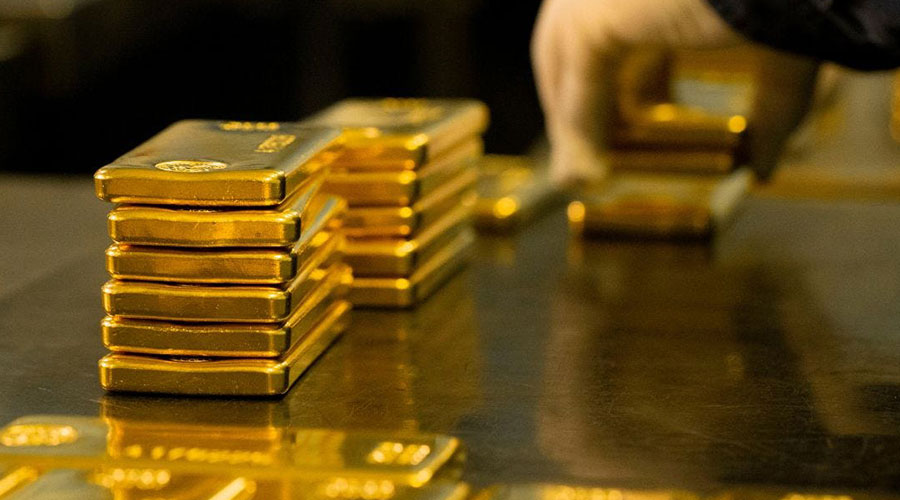
How Much Is 1kg of Gold in Kenya, Ghana, and South Africa Today
Find out how much is 1kg of gold today, including current gold prices, market factors, purity levels, and how global spot rates affect gold value.
Gold is a globally traded precious metal and a reliable store of value, especially in times of economic uncertainty — which is exactly why so many buyers ask how much is 1kg of gold in Africa’s leading gold markets right now.
The price of 1kg of gold in Kenya, Ghana, and South Africa moves with the international spot price, local currency strength, and each market’s own mix of import costs, dealer premiums, and mining infrastructure.
As of July 23, 2026, the international spot price of gold sits at roughly $4,120 per troy ounce, which works out to approximately $132,442 USD per kilogram of 24K (999.9 fine) gold.
That global benchmark is the starting point for every local price you’ll see quoted in Nairobi, Accra, or Johannesburg — but local pricing rarely matches the benchmark exactly, and understanding why is just as useful as the number itself.
Because gold’s spot price moves continuously throughout the trading day, every figure below should be treated as a same-day reference point rather than a fixed rate — always confirm the live price before finalizing a purchase with any Africa gold exporter.
1kg Gold Price in Kenya
Kenya is not a major gold producer, but it has a growing gold market shaped by jewelry demand, investment buying, and cross-border trade with neighboring gold-producing countries.
Because Kenya relies heavily on imported gold rather than large-scale domestic mining, the price of 1kg of gold in Kenya typically runs higher than in producer countries like Ghana or South Africa.
At current exchange rates — roughly 1 USD to 129.4 Kenyan Shillings — the international benchmark of $132,442 per kilogram converts to approximately 17,132,700 KES per kg, or about 17,133 KES per gram.
In practice, buyers should expect actual dealer pricing in Nairobi to sit somewhat above this converted benchmark, since Kenya’s gold price per kg carries additional import costs, transport charges from source countries, and dealer premiums layered on top of the raw spot conversion.
1kg Gold Price in Ghana
Ghana is Africa’s leading gold producer, with large-scale mining operations alongside an active artisanal and small-scale mining sector feeding both domestic and export markets.
Because Ghana sources gold domestically rather than importing it, the 1kg gold price in Ghana tends to sit closer to the raw international benchmark than Kenya’s import-driven market, with fewer added transport costs baked into the local price.
At current exchange rates — roughly 1 USD to 11.6 Ghanaian Cedi — the international benchmark converts to approximately 1,533,700 GHS per kg, or about 1,534 GHS per gram.
Ghana’s proximity to its own gold sources, combined with a large formal and artisanal supply base, generally keeps gold prices in Ghana competitive relative to other African markets, though cedi volatility can still cause local prices to shift faster than the underlying dollar spot price.
1kg Gold Price in South Africa
South Africa is a global leader in gold production, with a mature mining industry, established refining infrastructure, and direct access to LBMA-referenced pricing through facilities like Rand Refinery.
This infrastructure keeps the price of 1kg of gold in South Africa competitive despite the country’s higher labor and refining costs compared to more artisanal markets.
At current exchange rates — roughly 1 USD to 16.46 South African Rand — the international benchmark converts to approximately 2,180,000 ZAR per kg, or about 2,180 ZAR per gram.
South Africa’s large-scale production capacity and refining infrastructure typically keep local gold prices in South Africa close to the global benchmark, with the Rand’s day-to-day movement against the dollar being the biggest driver of short-term local price swings.
Why 1kg Gold Prices Differ Across Kenya, Ghana, and South Africa
Several structural factors explain why the same kilogram of 24K gold prices differently across these three markets:
- Production levels — Ghana and South Africa are major gold producers, which keeps domestic pricing closer to the international benchmark. Kenya’s limited local production means more reliance on imported gold, which adds cost at every stage.
- Currency exchange rates — a weaker local currency against the US dollar generally lowers the dollar-equivalent price of gold, while a stronger local currency pushes it higher. This is a major reason Ghana’s cedi-denominated gold has historically compared favorably in dollar terms.
- Mining and refining infrastructure — South Africa’s advanced refining capacity supports consistent, LBMA-referenced pricing, while Ghana’s blend of large-scale and artisanal mining keeps supply costs comparatively low.
- Import reliance — Kenya’s gold market depends more heavily on imports from neighboring producer countries, adding transport costs and dealer premiums that producer countries can largely avoid.
- Government regulation and export policy — licensing regimes, export permits, and compliance requirements vary by country and can influence how much premium gets added between the mine and the buyer.
How to Buy Gold in Kenya, Ghana, or South Africa Safely
Wherever you’re buying, the fundamentals of a safe purchase stay the same: work only with a licensed, verifiable Africa gold exporter, request an independent assay certificate confirming purity, compare the quoted price against the live international spot rate, and insist on proper export documentation before any funds change hands.
Buyers sourcing from Ghana specifically should confirm the seller is compliant with the country’s Ghana gold export procedure, while South African purchases should be backed by a valid South Africa gold export license and the country’s broader gold export requirements.
Our full guide to buying gold bars from Africa safely and our overview of the legal requirements for buying gold bars from Africa walk through this verification process step by step, for any of the three markets covered here.
Buy Certified Gold in Kenya, Ghana, and South Africa With Us
Tracking today’s 1kg gold price in Kenya, Ghana, and South Africa is only half the equation — the harder part is buying with confidence that what you’re getting is genuine, correctly assayed, and legally exported.
As a licensed Africa gold exporter, we source certified 24K gold directly from mining operations and verified suppliers across Kenya, Ghana, South Africa, and five other African countries, so you buy at mine-direct pricing with full documentation, not retail-layered markup.
Every order — whether a single 1 oz gold bar, a set of gold ingots, or a bulk shipment of gold nuggets and bullion — ships with an independent assay certificate, a certificate of origin, and full export paperwork already completed.
Whether you’re comparing 22K gold bars for jewelry manufacturing or looking to buy physical gold online as an investment, we handle sourcing, compliance, and secure, insured shipping from start to finish.
Ready to buy gold in Africa at today’s best mine-direct pricing? Get in touch with our team for a live quote benchmarked against the current spot price, or browse our full range of gold bars for sale online to get started today.
Related Pages
- Buy Gold Bars Online
- 1 oz Gold Bar
- Gold Ingots for Sale
- Gold Dust & Doré
- Gold Nuggets & Bullion
- 22K Gold Bars
- Buy Physical Gold Online
- Gold Bars for Sale in Kampala
- Where to Buy Gold in South Africa
- Buy Gold in Tanzania
- South Africa Gold Export License
- South Africa Gold Export Requirements
- Ghana Gold Export Procedure
- Gold Export Tax in Uganda
- Legal Requirements to Buy Gold Bars from Africa
- How to Buy Gold Bars from Africa Safely
- Buy Gold Bars Locally
- Raw Gold for Sale in Africa
- About Us
- Contact Us