Rand Refinery: History, Gold Refining, Products & Gold Price
Rand Refinery is a major precious metals refinery in Germiston, South Africa, internationally recognised for refining gold, producing investment-grade bullion and manufacturing the famous Krugerrand gold coin.
Established in 1920, the company has played an important role in South Africa’s gold industry for more than a century. It is recognised as the world’s largest integrated single-site precious metals refining and smelting complex.
Rand Refinery was established by the South African gold mining industry to consolidate the refining of locally produced gold. Since then, it has developed into an internationally recognised precious metals operation, processing gold and other precious metals for mining companies, financial institutions, bullion dealers and other industry clients. Its refining activities connect African gold production with international precious metals markets.
One of Rand Refinery’s most recognised products is the Krugerrand, first introduced in 1967 as a gold bullion coin designed to make South African gold accessible to investors.
The refinery also produces gold bars and other precious metal products for investment, commercial and industrial markets. Its products and refining services have contributed significantly to South Africa’s reputation as an important centre for gold refining and bullion production.
Understanding Rand Refinery is important for anyone researching the African gold industry, investment bullion or the international gold supply chain. The refinery’s operations illustrate how mined gold is processed, refined, tested and transformed into internationally traded products.
However, the price of gold produced or refined by Rand Refinery is not fixed by the company alone. Gold prices are influenced by international spot-market benchmarks, purity, weight, currency exchange rates, product premiums and market demand.
This guide explores Rand Refinery’s history, ownership, gold refining operations, products, Krugerrand coins and gold prices. It also explains the refinery’s role in the South African mining industry, how gold bars are produced and what investors and bullion buyers should understand when evaluating refined gold.
Whether you are an investor researching gold bullion, a dealer comparing African refineries, a jewellery manufacturer or simply interested in South Africa’s precious metals industry, this guide provides an overview of Rand Refinery and its place in the global gold market. You can also explore our guide to buying gold bars for more information about gold bullion, purity and investment considerations.
History of Rand Refinery
Rand Refinery was established to develop South Africa’s own gold-refining industry. Before local refining facilities became established, much of the crude gold bullion produced by South African mines had to be transported to London for further processing. This created additional costs and meant that South Africa depended on overseas facilities to refine its gold.
The need for local refining became increasingly important as gold production expanded following the discovery of the Witwatersrand goldfields. The mining industry recognised the value of establishing a domestic facility that could process gold and silver-bearing materials and supply refined precious metals to international markets.
Establishment in 1920
Rand Refinery Limited was registered as a private company on 27 November 1920, with its initial capital raised through shares held by gold mining companies belonging to the Chamber of Mines.
The refinery began operations in the early 1920s, marking an important development in South Africa’s ability to refine its own gold. Its establishment helped create a central facility for processing gold from the country’s mining industry.
Over the years, Rand Refinery expanded its technical capabilities, refining capacity and product range. It developed from a facility primarily serving South African mines into an internationally recognised precious metals business.

Introduction of the Krugerrand in 1967
One of the most significant milestones in Rand Refinery’s history was the introduction of the Krugerrand gold bullion coin in 1967.
The coin was developed to provide investors with a recognisable way to own and trade South African gold. Its international popularity helped establish the Krugerrand as one of the best-known gold bullion coins in the world.
Rand Refinery is involved in producing the gold blanks used for the coin, while the South African Mint is responsible for striking the coins.
Expansion into International Markets
As South Africa’s gold industry developed, Rand Refinery expanded its sourcing and commercial activities beyond the domestic market. It began working with gold producers and precious metals businesses in other regions, strengthening its position in the international gold supply chain.
The refinery’s operations now connect gold-producing regions in Africa and other parts of the world with international bullion markets.
By its centenary in 2020, Rand Refinery reported that it had refined more than 50,000 tonnes of gold since its establishment, representing almost one-third of the gold produced globally up to that point.
Rand Refinery Operations and Facilities
Rand Refinery operates an integrated precious metals complex in Germiston, near Johannesburg, Gauteng Province, South Africa.
Its activities cover several stages of the precious metals value chain, including sourcing, sampling, smelting, refining, fabrication, storage and logistics. These operations allow the company to process gold-bearing materials and manufacture products for different commercial and industrial markets.
1. Gold Sourcing and Sampling
Rand Refinery receives gold-bearing materials from approved customers and suppliers. These materials can include mine doré, gold sludges and other precious metals-bearing materials.
Before processing, the material must be sampled and analysed to establish its composition and determine the quantities of precious metals present.
Accurate sampling and assaying are important because gold doré is not necessarily pure gold. Its gold content can vary, and it may contain silver and other metals.
Rand Refinery’s technical services department performs analytical work to establish the metal content of deposits and support the refining process.
2. Smelting
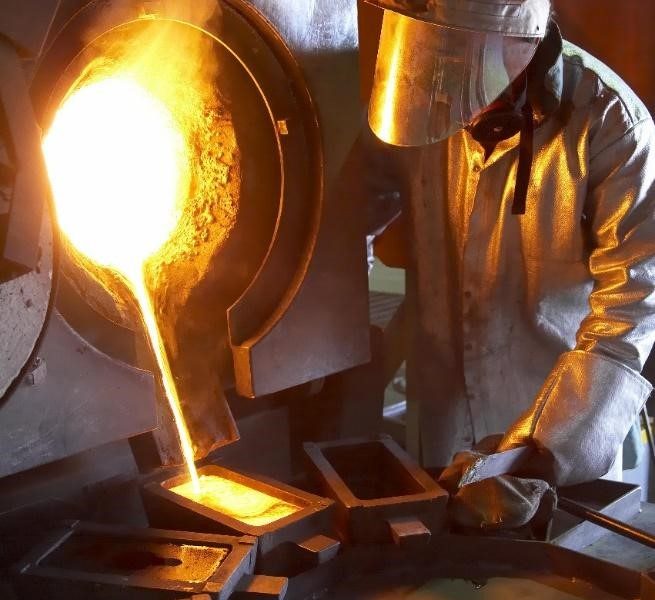
Smelting is the process of using heat to recover valuable metals from gold-bearing materials.
Rand Refinery’s smelting operations process lower-grade materials from mines and secondary sources. These can include materials that require additional treatment before the precious metals can be refined.
The process helps recover gold and silver, while also separating other metals that may be present in the material.
3. Gold Refining
After smelting and the necessary preliminary processing, gold-bearing materials can undergo further refining to remove impurities and achieve the required purity.
Rand Refinery uses specialised refining processes and analytical techniques to produce gold suitable for bullion and other applications.
Its gold refining operations serve customers in the mining, financial, jewellery and precious metals industries.
4. Gold Fabrication
Once gold has been refined, it can be manufactured into different products according to customer specifications.
Rand Refinery’s fabrication activities include producing cast bars, minted bars, coin blanks, granules, wire and other semi-finished precious metals products.
These products serve different markets, from institutional bullion trading to jewellery manufacturing and investment.
5. Storage and Logistics
Secure storage and transportation are important parts of the precious metals industry because gold is a high-value commodity.
Rand Refinery operates specialised storage and logistics facilities, including a secure airside vault at O.R. Tambo International Airport. These facilities support the handling and movement of precious metals through established commercial and security procedures.
Gold Products Manufactured by Rand Refinery
Rand Refinery produces several gold products for institutional, commercial and investment markets. The product range includes large cast bullion bars, smaller minted bars, Krugerrand coin blanks and other gold products.
The weight, purity, design and intended market vary depending on the product.
1. Rand Refinery Gold Bars
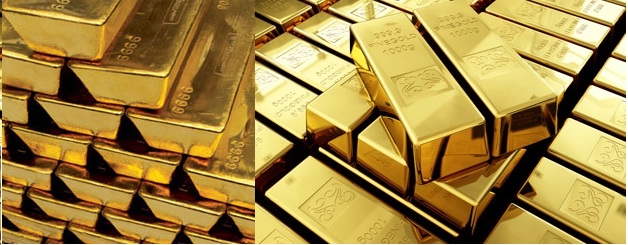
Gold bars are among the refinery’s most important products. They are manufactured in different weights and specifications to meet the needs of bullion banks, financial institutions, commercial customers and other approved buyers.
Rand Refinery produces large cast bars used in the international wholesale bullion market, as well as smaller fabricated products.
Its recognised Good Delivery gold bars include the 400-troy-ounce format used in the London bullion market. The refinery also produces other cast and minted bar formats for specific markets and customer requirements.
2. Loxodonta Africa Minted Gold Bars
The Loxodonta Africa range is one of Rand Refinery’s recognised minted gold bar collections.
The collection features African elephant designs and is produced in different weights for the precious metals market. These products are designed for buyers who prefer smaller, individually identifiable gold bars rather than large institutional bullion bars.
Depending on the product, important identification details may include:
- Rand Refinery branding.
- Stated gold weight.
- Gold purity or fineness.
- Individual serial number.
- Product design and packaging.
Buyers should check the specifications of the particular bar they intend to purchase because weights, designs and product availability can vary.
3. Krugerrand Gold Coins
The Krugerrand is one of South Africa’s most famous gold products and an internationally recognised bullion coin.
Introduced in 1967, it was designed to promote South African gold and make investment in physical gold accessible to a wider market.
The Krugerrand is a 22-carat gold coin containing one troy ounce of fine gold in its standard one-ounce version. Its gold-copper alloy gives it greater durability than a coin made from pure 24-carat gold.
Krugerrands are available in different fractional sizes, allowing investors to purchase smaller quantities of gold.
Rand Refinery produces gold blanks for the Krugerrand, while the South African Mint strikes the finished coins.
4. Gold Coin Blanks
Apart from the Krugerrand, Rand Refinery produces coin blanks for other mints and customers.
A coin blank is a prepared metal disc that is supplied for minting. It is manufactured to meet the required weight, dimensions, alloy composition and quality specifications before being struck into a finished coin.
These products serve national mints and other institutions involved in coin production.
5. Other Precious Metals Products
Rand Refinery’s fabrication activities extend beyond investment gold bars and coins.
Its product range also includes:
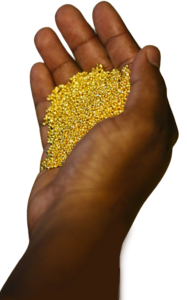
- Gold and silver granules.
- Precious metals wire.
- Gold alloys.
- Semi-finished jewellery materials.
- Silver bullion products.
- Specialised products manufactured to customer specifications.
These products support jewellery manufacturers, industrial users, mints and other precious metals businesses.
For buyers interested in understanding the different types of investment bullion, our guide to gold bars for sale explains gold bar weights, purity and important purchasing considerations.
Rand Refinery Accreditations and Responsible Gold Sourcing
Rand Refinery’s international reputation is supported by its refining standards, technical capabilities and industry accreditations.
These credentials are important because gold buyers and bullion-market participants need confidence in the quality, purity and traceability of precious metals.
LBMA Good Delivery Accreditation
Rand Refinery appears on the London Bullion Market Association (LBMA) Good Delivery List for gold.
The LBMA Good Delivery List identifies refiners whose qualifying gold bars meet the association’s technical and quality requirements for acceptance in the London wholesale bullion market.
This recognition is particularly important for large gold bars traded by bullion banks, financial institutions and other professional market participants.
However, LBMA accreditation applies to the refinery and its qualifying products. It does not automatically mean that every gold dealer or reseller offering a product from that refinery is an LBMA-accredited business.
Buyers can check the current status of the refinery through the official LBMA Good Delivery List.
Responsible Gold Sourcing
Responsible sourcing is another important part of Rand Refinery’s operations.
Gold supply chains can involve several countries, mining companies, traders, processors and transport providers. Refiners therefore need procedures to understand where their gold comes from and assess the risks associated with its production and trade.
Rand Refinery reports applying responsible sourcing and due diligence procedures aligned with recognised industry guidance, including the OECD Due Diligence Guidance and the LBMA Responsible Gold and Silver Guidance.
Its customer screening processes include Know Your Customer (KYC) and Know Your Product (KYP) checks. These procedures help assess the identity of business partners, the origin of precious metals and the legal documentation supporting transactions.
ISO Certifications and Quality Management
Rand Refinery also reports operating management systems covering quality, environmental management, occupational health and safety, and radiation management.
Its published certifications include:
- ISO 9001: Quality management systems.
- ISO 14001: Environmental management systems.
- ISO 45001: Occupational health and safety management systems.
These certifications relate to the relevant management systems and should not be confused with a guarantee that every product or transaction is risk-free.
Rand Refinery Gold Price
The price of gold from Rand Refinery is influenced by the international gold market. Like other major refiners and bullion suppliers, the company operates within a market where gold prices change according to global supply, demand, currency movements and investor activity.
The international gold spot price provides an important benchmark for calculating the value of gold. However, the final price of a physical gold product may differ from the spot value.
This is because a buyer may also pay for refining, fabrication, packaging, distribution and dealer services.
Live Gold Price
The live gold price chart below can help readers follow changes in the international gold market and understand the underlying value of gold.
Use the live chart to check the current gold price before comparing bullion products or requesting a dealer quotation.
Factors That Affect Rand Refinery Gold Prices
Several factors influence the price of Rand Refinery gold products.
1. International Gold Spot Price
The global gold spot price is the main market reference for valuing physical gold. When the international price rises or falls, the underlying value of gold bars and coins generally moves in the same direction.
2. Gold Purity
Gold purity determines how much actual gold a product contains. A 24-carat bar with a fineness of 999.9 contains a higher proportion of pure gold than a 22-carat Krugerrand.
3. Product Weight
The weight of a gold bar or coin directly affects its underlying metal value. Larger bars contain more gold, while smaller bars may have higher fabrication and distribution costs relative to their weight.
4. Fabrication and Packaging Costs
Minted bars and bullion coins require additional manufacturing processes, designs and packaging. These costs can result in a higher retail premium than the underlying gold value alone.
5. Currency Exchange Rates
International gold is commonly benchmarked in US dollars. Buyers purchasing in South African rand, euros, pounds or other currencies are also affected by exchange-rate movements.
6. Dealer Premiums and Distribution Costs
The final selling price can include a dealer’s margin, distribution expenses, insurance and other transaction costs. Different sellers may therefore quote different prices for the same gold product.
For a broader comparison of African gold markets, see our guide to gold prices in Africa.
Can You Buy Gold Bars Directly from Rand Refinery?
This is an important question for investors and international gold buyers.
According to Rand Refinery’s published customer FAQ, the company does not directly sell gold bullion bars to the general public. It explains that it acts as an agent for selected gold producers in refining, marketing and selling their gold production, and has arrangements with LBMA members involved in bullion distribution.
Rand Refinery also states that its Krugerrand range is distributed through authorised and approved international dealers.
This means that buyers looking for Rand Refinery bullion should distinguish between the refinery itself, its approved distribution channels and independent gold dealers.
If a seller advertises a Rand Refinery gold bar, ask for the exact product details and documentation. Do not assume that the seller is an authorised dealer simply because the product carries the refinery’s name.
How to Verify a Rand Refinery Gold Product
Before purchasing a gold bar or coin, consider the following checks:
- Check the refinery markings: Compare the product’s branding and markings with the specifications published by Rand Refinery.
- Confirm the weight and purity: Make sure the stated weight and fineness match the product being offered.
- Check serial numbers: Where applicable, verify that the serial number and product details are consistent with the accompanying documentation.
- Request a proper invoice: The invoice should identify the seller, product, weight, purity, price and transaction details.
- Verify the seller: Establish whether the seller is an approved distributor, an independent dealer or another type of gold trader.
- Arrange independent testing where appropriate: For significant purchases, use a reputable precious metals testing or assaying service.
For additional guidance, read our article on the legal requirements for buying gold bars from Africa.
Relationship Between Buy Gold Bars Africa Limited and Rand Refinery
Buy Gold Bars Africa Limited is an independent gold trading company operating in the African precious metals market. Its business activities are separate from Rand Refinery, and this article does not establish a formal corporate partnership, direct supply agreement or authorised-dealer appointment between the two companies.
Rand Refinery has its own customer approval procedures and distribution arrangements. Its published policy states that it generally transacts directly with registered customers and does not conduct its refining transactions through intermediaries.
For this reason, buyers should not interpret the presence of Rand Refinery products in the wider gold market as evidence that every gold trading company is officially connected to the refinery.
Gold Trading Services from Buy Gold Bars Africa Limited
Buy Gold Bars Africa Limited provides information and assistance to buyers interested in African gold markets and precious metals transactions.
Depending on the product and sourcing arrangements, buyers can explore:
- Gold bar purchasing opportunities.
- Gold sourcing from African markets.
- Information about gold purity, weight and assay documentation.
- Guidance on supplier verification and transaction paperwork.
- Information about export and destination-country import requirements.
You can learn more about the company’s products and services through its guide to buying gold bars, its information on how to buy gold in Africa and its guide to gold export procedures in Africa.
Important Considerations for Buyers
If you are considering buying a product advertised as Rand Refinery gold through an independent dealer, request clear evidence of the product’s identity and supply chain.
Check whether the seller can provide an invoice, product details, applicable assay information and documentation supporting the transaction. Where the gold is being shipped internationally, also establish which export approvals and destination-country import requirements apply.
A refinery’s reputation is valuable, but buyers must still assess the individual seller and transaction.
Economic and Social Impact of Rand Refinery
Rand Refinery plays an important role in South Africa’s precious metals industry. Its activities support gold processing, bullion manufacturing, technical services, international trade and the development of skills within the jewellery sector.
Economic Contribution
Rand Refinery contributes to the precious metals value chain in several ways:
- Supporting gold producers: It provides refining and smelting services for gold-bearing materials received from approved customers.
- Adding value to minerals: It transforms mine doré and other gold-bearing materials into refined precious metals and finished products.
- Supporting international trade: Its bullion products and refining services connect African gold production with international precious metals markets.
- Developing technical expertise: Its sampling, assaying and laboratory services support quality assessment throughout the refining process.
- Manufacturing precious metals products: Its fabrication activities supply materials for investment, jewellery and industrial applications.
These activities help maintain South Africa’s position in the international gold refining and precious metals industry.
Social Development and Jewellery Industry Support
Rand Refinery also supports skills development and enterprise growth in South Africa’s jewellery sector.
One of its initiatives is the Silver and Gold Mentorship Programme, which supports emerging jewellery businesses through mentorship, technical training and business development assistance.
The programme aims to strengthen local jewellery manufacturing skills, encourage entrepreneurship and create opportunities for smaller businesses in the precious metals industry.
Environmental Responsibility
Gold refining and smelting require energy, technical expertise and careful management of industrial processes.
Rand Refinery reports that its environmental management systems and sustainability initiatives are intended to improve operational performance, manage environmental impacts and support responsible precious metals production.
Its sustainability reporting also covers areas such as responsible sourcing, traceability, energy use, employee development and community investment.
Rand Refinery’s Influence on the Global Gold Market
Rand Refinery has helped establish South Africa as an important centre for precious metals refining and manufacturing.
Its long history, international accreditations, refining capabilities and range of bullion products have connected South African gold production with professional bullion markets around the world.
The Krugerrand remains one of the refinery’s most recognisable contributions to the international gold market. Its introduction helped popularise gold bullion coins as an investment product and strengthened the global recognition of South African gold.
Rand Refinery’s influence also extends beyond coins and bars. Its refining, sampling, fabrication and technical services support mining companies, bullion-market participants, jewellery manufacturers and other precious metals businesses.
Frequently Asked Questions About Rand Refinery
Where is Rand Refinery located?
Rand Refinery is located in Germiston, Gauteng Province, near Johannesburg, South Africa.
When was Rand Refinery established?
Rand Refinery Limited was registered on 27 November 1920. It began operations in the early 1920s.
What is Rand Refinery famous for?
Rand Refinery is known for refining gold, manufacturing precious metals products and producing gold blanks used in the Krugerrand coin. It is also recognised for its role in the international bullion market.
Does Rand Refinery manufacture the Krugerrand?
Rand Refinery produces the gold blanks used for the Krugerrand, while the South African Mint strikes the finished coins.
Does Rand Refinery sell gold bars directly to the public?
According to its published customer FAQ, Rand Refinery does not directly supply gold bullion bars to the general public. It explains that its bullion distribution arrangements involve members of the LBMA. Its Krugerrand products are distributed through authorised and approved international dealers.
Are Rand Refinery gold bars LBMA accredited?
Rand Refinery is listed on the LBMA Good Delivery List for gold. This accreditation relates to qualifying refinery-produced bars that meet the applicable Good Delivery standards. It does not mean that every gold product or independent reseller is individually LBMA-accredited.
What purity does Rand Refinery gold have?
Rand Refinery produces gold products with different specifications. Its qualifying Good Delivery gold bars meet the applicable wholesale bullion standards, while minted bars and other products have their own stated fineness. Buyers should check the specifications of the particular product.
How much does Rand Refinery gold cost?
The price depends on the international gold benchmark, product weight, purity, currency exchange rates and any applicable fabrication or dealer premiums. Check the live gold price and request a current product quotation before purchasing.
Can international buyers purchase Rand Refinery products?
Rand Refinery states that its Krugerrand products are distributed through authorised and approved international dealers. Buyers should confirm the seller’s status, product availability and applicable import requirements before placing an order.
Conclusion
Rand Refinery is one of the most important institutions in South Africa’s gold industry. Established in 1920, it has developed from a domestic gold-refining operation into an internationally recognised precious metals complex serving mining companies, bullion-market participants, jewellery manufacturers and other commercial customers.
Its refining and fabrication activities, LBMA Good Delivery accreditation and involvement in the production of the Krugerrand have helped strengthen South Africa’s position in the global gold market.
For investors and international buyers, understanding Rand Refinery’s products, gold pricing and distribution arrangements is essential. It is equally important to verify the seller, confirm the product’s specifications and establish that the relevant transaction and shipping documents are in order.
If you are researching gold investment opportunities or sourcing precious metals from Africa, explore Buy Gold Bars Africa Limited, read our guide to buying gold bars and learn about the legal requirements for importing gold before proceeding with an international purchase.