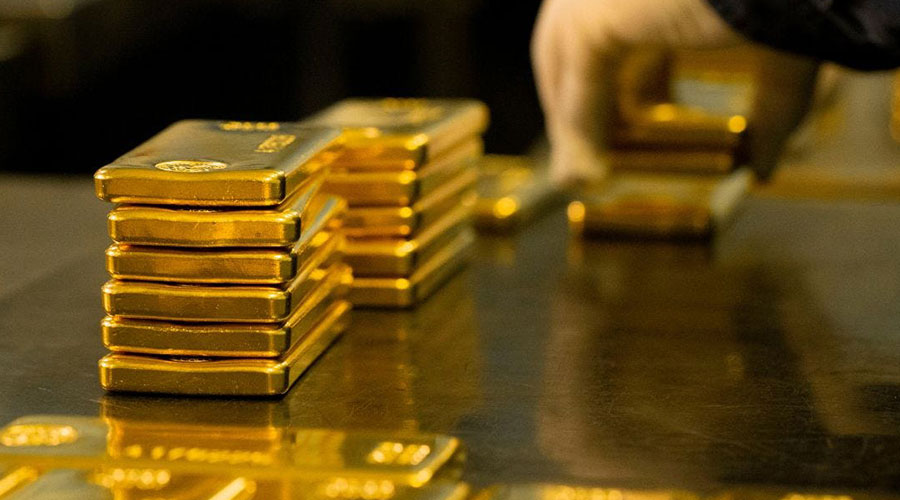
How to Buy Gold in Africa: Step-by-Step Guide for Investors
How to Buy Gold in Africa: Buying gold in Africa safely means working with a licensed dealer or exporter — verified through bodies like Ghana’s GoldBod (formerly PMMC), Uganda’s Ministry of Energy and Mineral Development, or South Africa’s Reserve Bank — who can provide an assay certificate, a certificate of origin, and a proper export permit before any money changes hands.
As of late 2026, 24K gold across major African markets trades in the range of roughly $140–$148 per gram (about $4,300–$4,600 per ounce), with Uganda typically offering the lowest landed prices due to lower operational costs, and Ghana and South Africa offering the most established regulatory infrastructure.
This guide walks through the full step-by-step buying process, current pricing by country, the legal requirements for buying and exporting, safety and pricing tips, and how to buy gold directly from Africa — including mine-direct sourcing — rather than through a chain of intermediaries.
Gold prices move daily and vary by country and dealer — always confirm the live rate before committing to a purchase.
Understanding the Gold Market in Africa
Gold has always been a symbol of wealth, but in Africa it also plays a pivotal role in national economies. The continent is home to several top gold-producing countries, including South Africa, Ghana, Sudan, Mali, Tanzania, Uganda, and the DRC. Gold mining and trading are major contributors to national income, and rising global demand has helped Africa’s gold markets flourish over the past decade. See our top gold producing countries in Africa page for the full regional ranking.
Gold in Africa: Key Market Players
South Africa — once the world’s largest gold producer, South Africa remains a critical player in the global market, home to LBMA-certified refineries like Rand Refinery and a sophisticated trading infrastructure centred on Johannesburg, the “City of Gold.” See our gold mining in South Africa and South Africa gold market pages.
Ghana — Africa’s top gold producer by volume, Ghana’s mining industry has grown rapidly over recent decades, with gold now regulated through the GoldBod agency. See our Ghana gold market and Ghana gold mines guides.
Uganda — a rising, low-cost gold market with dealers registered under the Ministry of Energy and Mineral Development, offering both raw and refined gold. See our gold mining in Uganda page for details.
Mali & Tanzania — both countries have growing gold mining sectors offering real opportunities for local and international investors, particularly around Tanzania’s Lake Victoria Greenstone Belt.
The demand for gold in Africa is linked both to local needs (jewellery, cultural value) and to growing interest from investors seeking to hedge against inflation, currency devaluation, and broader financial uncertainty.
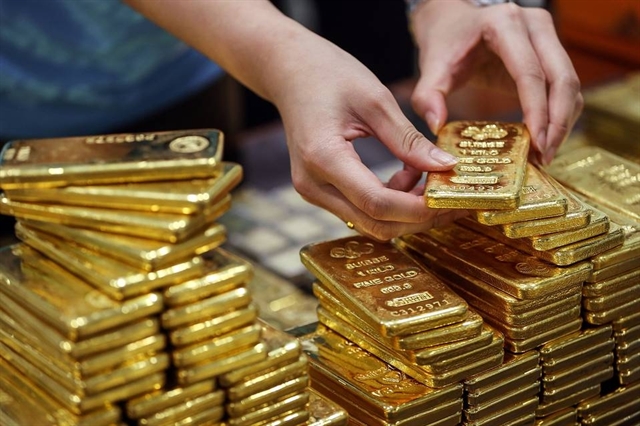
How to Buy Gold in Africa: Step-by-Step Buying Process
Buying gold safely in Africa follows a consistent sequence, whether you’re purchasing a single bar or arranging a bulk order. Here’s the process from start to finish.
1. Conduct Thorough Research
Before buying gold in Africa, study the global gold market and the specific regulations in your target country. Track the current spot price (roughly $4,300–$4,600 per ounce in late 2026) and note regional price variations by country.
Research credible platforms like Buy Gold Bars Africa Ltd, which connect buyers with verified, licensed suppliers. Understand local import/export laws, tax obligations, and current market conditions before making contact — see our gold market fluctuations and gold price forecast 2026–2030 pages for context on where prices are headed.
This preparation helps you identify legitimate opportunities, avoid inflated premiums, and steer clear of scams. Knowledge is your first line of defence in the gold trade.
2. Identify a Licensed Supplier
Select only licensed gold dealers registered with the relevant government body — Ghana’s GoldBod, Uganda’s Ministry of Energy and Mineral Development, or South Africa’s Reserve Bank, among others.
Check official certificates, customer track record, and export licences to verify legitimacy. Avoid unregistered brokers or sellers offering prices far below market rates — this is one of the clearest signals of fraud or smuggled gold. Our how to verify gold sellers and gold dealers in Africa pages cover this vetting process in depth.
A licensed supplier ensures compliance with regulations, a smooth export process, and access to proper documentation — assay certificates and certificates of origin for ethically sourced gold.
3. Verify Gold Purity
Always demand an assay certificate from a recognised testing lab confirming gold purity (24K = 99.9%). Use onsite verification methods such as X-ray fluorescence (XRF) machines or acid testing for additional assurance. See our gold assay and purity testing in Africa and gold purity chart pages for what each test actually confirms.
Ensure the gold includes a certificate of origin, validating both authenticity and ethical sourcing. Confirming purity before purchase means you avoid paying premium prices for under-karat or adulterated gold, protecting your investment’s value in the global bullion market.
4. Negotiate Pricing and Terms
Compare prices from multiple suppliers, factoring in purity, weight, and export costs. Look for bulk-purchase discounts or direct-from-mine deals, which often carry lower premiums — see our buying gold in bulk and minimum order quantities for gold bars pages for how bulk pricing typically works.
Negotiate a Sales & Purchase Agreement (SPA) clearly defining price, purity, delivery terms, and dispute resolution. This contract protects both buyer and seller, reducing the risk of misunderstanding or fraud, while ensuring competitive rates and legal clarity in cross-border gold trade. Our CIF vs. FOB gold transactions page explains how delivery terms affect the final price.
5. Secure Payment
Use traceable payment methods — bank wire transfers, letters of credit, or reputable escrow services — to safeguard your transaction. Avoid large cash deals, which carry higher fraud and money-laundering risk. See our payment security when buying African gold and KYC requirements pages for what documentation to expect from a legitimate dealer.
Secure payment channels protect your investment, give you recourse in disputes, and strengthen your credibility with professional gold suppliers.
6. Arrange Export and Logistics
Partner with licensed exporters who can manage customs clearance, obtain export permits, and ensure tax compliance. Countries like Ghana and South Africa require detailed declarations and a valid certificate of origin.
For shipping, use insured couriers with full-value insurance — our courier and logistics companies for gold exports and shipping gold from Africa pages cover the specific firms and processes involved. This guarantees that if your gold is lost or stolen in transit, your investment is reimbursed, and it reduces delays until the shipment reaches your storage or delivery destination.
7. Store or Sell Gold
After purchase, decide whether to store or sell your gold. For storage, choose secure vaults known for financial privacy and stability — see our gold storage and security page for what to look for.
If selling, work with refineries, jewellers, or reputable bullion dealers for competitive resale pricing — our gold buy-back prices explained page covers how resale value is typically calculated. Always ensure compliance with your home country’s import laws to avoid penalties or confiscation.
Safety and Pricing Tips
Buying gold in Africa is straightforward when you follow a disciplined process — most losses in this market come from skipping a step, not from bad luck. Keep these principles in mind throughout:
- Never pay before verifying purity. An assay certificate from a recognised lab should precede payment, not follow it.
- Treat below-market pricing as a warning, not a bargain. Prices significantly under spot are one of the most reliable signals of fraud, adulterated gold, or smuggled material.
- Get everything in writing. A Sales & Purchase Agreement covering price, purity, weight, delivery, and dispute resolution protects you if anything goes wrong.
- Use traceable payment only. Bank transfers, letters of credit, and escrow services all create a paper trail; cash does not.
- Separate the metal price from all other costs. Ask for a full breakdown of export taxes, customs duties, insurance, and courier fees before agreeing to a final price — see our tax implications of buying gold from Africa page for what’s typically included.
- Check the dealer, not just the gold. Licensing, registration, and a verifiable track record matter as much as the assay certificate itself — our scams in the gold market page covers the specific patterns fraudulent sellers use.
- Watch the exchange rate, not just the spot price. Because most African gold prices are quoted against local currency, a favourable USD exchange rate can matter as much as timing the gold market itself — see our gold and currency exchange rates page.
Can I Buy Gold Directly from Africa?
Yes. Buying gold directly from Africa — sourcing from a licensed exporter closer to the mine rather than through a chain of dealers in a trading hub like Dubai or London — is not only possible, it’s often the most cost-effective way to buy investment-grade gold, since every intermediary in the chain adds its own margin before the gold reaches you.
Direct sourcing works through a few established channels:
- Licensed exporters like Buy Gold Bars Africa Ltd, who source certified 24K gold bars directly from mines and licensed producers in countries such as Uganda, Ghana, and the DRC, handling assay certification, export documentation, and insured international delivery end-to-end.
- Government-run buying centres, which some producing countries (Ghana’s GoldBod, for instance) operate specifically to formalise the trade between miners and buyers.
- Direct relationships with mining cooperatives, particularly in Ghana’s Obuasi and Tarkwa regions, Tanzania’s Geita and Mwanza areas, and Uganda’s Busia and Mubende gold fields — though this route requires more due diligence, since not every cooperative operates with full licensing.
The advantage of buying direct is real: you cut out layers of trading-hub margin that get built into gold sold through Dubai, Europe, or Asian bullion markets.
The trade-off is that it requires more careful vetting of your source, since you’re dealing closer to extraction rather than through an established international dealer network. Working with an already-licensed Africa gold exporter — rather than attempting to buy from an individual miner directly — captures most of the cost advantage of direct sourcing while keeping the documentation and compliance standards of a formal transaction.
See our African gold bullion suppliers and where to buy gold in Africa pages for a broader look at direct-source options by country.
Avoiding Common Scams
The African gold market is lucrative but does attract scams — fake gold bars, forged certificates, or “ghost” brokers who disappear after payment. Protect yourself by:
- Verifying credentials — only work with licensed dealers and request export licences and assay reports.
- Conducting independent purity tests — use independent assayers or electronic gold testers rather than relying solely on the seller’s documentation.
- Avoiding unrealistic deals — prices significantly below market rate are a red flag, not a discount.
- Using secure transactions — escrow services or bank transfers, never cash for significant amounts.
See our how to verify gold sellers and scams in the gold market pages for the specific warning signs to watch for.
Tips for Negotiating and Saving Costs
- Build relationships with local miners or licensed suppliers for better long-term pricing.
- Reduce intermediaries by sourcing closer to the mine through platforms connecting buyers directly with certified producers.
- Time purchases by monitoring global gold prices and currency fluctuations to buy when exchange rates are favourable — see our gold and currency exchange rates page.
- Buy in bulk to negotiate discounts on larger or direct-from-mine orders.
FAQs – How to Buy Gold in Africa
What is the current gold price in Africa per gram? As of late 2026, 24K gold across major African markets runs roughly $138–$148 per gram, varying by country. Uganda typically offers the lowest prices; Ghana and South Africa run slightly higher given their more developed regulatory and refining infrastructure.
Can I buy gold directly from Africa without visiting in person? Yes — licensed exporters like Buy Gold Bars Africa Ltd handle sourcing, assay certification, and insured international delivery, so you don’t need to travel or negotiate with individual miners yourself.
Is it legal for a foreigner to buy gold in Africa? Yes, provided the purchase goes through a licensed dealer with proper documentation — export permit, assay certificate, and certificate of origin. Buying from unlicensed sellers or informal markets carries real legal risk regardless of nationality.
Which African country offers the cheapest gold? Uganda generally offers the most competitive landed pricing due to lower production costs and comparatively relaxed export policies, though pricing shifts with each country’s currency and regulatory environment.
What documents should I request before paying for gold in Africa? At minimum: an assay certificate confirming purity, a certificate of origin, and proof the seller holds a valid dealer or export licence. For any significant purchase, also insist on a written Sales & Purchase Agreement.
Buy Certified Gold Directly from Africa — Contact Us
If you’re ready to buy authentic, ethically sourced African gold, Buy Gold Bars Africa Ltd offers direct-source access to certified 24K gold from Uganda, Ghana, and the DRC — with full assay documentation, transparent spot-referenced pricing, and secure, insured delivery. Don’t risk scams or unreliable intermediaries — work only with an established, licensed supplier.
Call/WhatsApp: +256 707 585144 | Contact us to buy gold from Africa