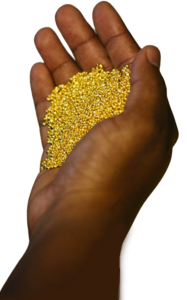
GHANA GOLD MARKET: A Complete Guide for Investors, Traders & Buyers of Gold Bars in Africa
Why the Ghana Gold Market Stands Above the Rest
When serious investors and traders search for the best place to buy gold bars in Africa, one destination rises consistently above all others: Ghana. Historically known as the Gold Coast, Ghana has been producing, trading, and exporting gold for over a thousand years.
Today, it stands as Africa’s number one gold-producing country and ranks sixth among the world’s largest gold-producing nations.
Whether you are a first-time investor looking to buy gold bullion in West Africa or a seasoned trader seeking to source certified gold bars from Ghana, understanding how this market works is your essential first step.
The Ghana gold market is not merely a local commodity exchange — it is a gateway into one of the most liquid and strategically important precious metals markets on the continent.
With record production of 6 million ounces of gold in 2025, representing a 21% increase from 2024, Ghana continues to attract global attention from institutional buyers, central banks, and private investors eager to diversify their portfolios with physical gold from Africa.
In this comprehensive guide, Buy Gold Bars Africa Ltd — your trusted online gold dealer in Africa — covers everything you need to know: from gold prices in Ghana today, how to buy gold safely in Accra, the role of GoldBod (Ghana Gold Board), artisanal and large-scale gold mining, investment strategies, legal frameworks, and how to identify a legitimate gold seller in Ghana.
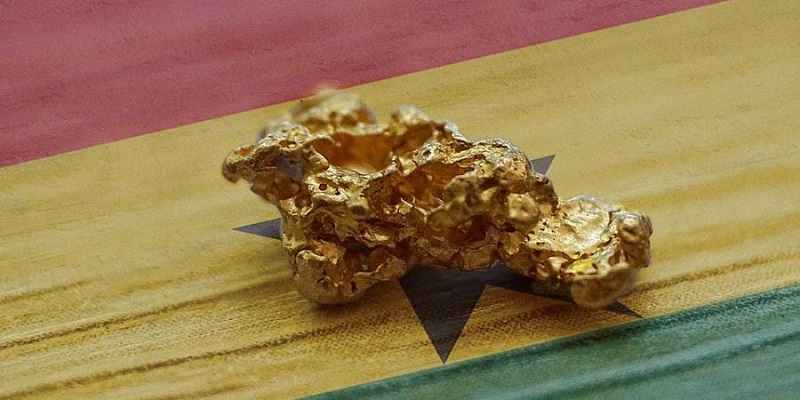
Ghana Gold Production: Africa’s Crown Jewel
Record Output and a Growing Global Footprint
Ghana confirmed its status as Africa’s leading gold producer in 2025, achieving a historic 6 million ounces (approximately 170 tonnes) of output — the highest ever recorded in the country’s mining history.
According to the Ghana Chamber of Mines, large industrial mining operations contributed 2.9 million ounces, while artisanal and small-scale mining (ASM) surpassed expectations, generating 3.1 million ounces — exceeding large-scale operations for the first time.
This surge in artisanal gold production in Ghana reflects both record-high bullion prices and successful government reforms that channelled output into formal markets and reduced gold smuggling significantly.
For context, gold represents approximately 40% of Ghana’s total export earnings, and the mining sector contributes roughly 6% to the country’s GDP.
Total export revenues from gold surpassed USD 10 billion in 2025, bolstering the cedi’s stability, financing national infrastructure, and generating an estimated 500,000 direct and indirect jobs across the value chain. These figures explain why Ghana’s gold is not just a commodity — it is a national asset of strategic importance.
Major Gold Mines in Ghana
Understanding where Ghana’s gold physically comes from helps investors and buyers appreciate the quality and volume of supply entering the market. The country’s key mining operations include:
- Obuasi Mine (AngloGold Ashanti) — One of the richest and deepest gold mines in the world, located in the Ashanti Region. Recently revived after temporary closure, Obuasi is a flagship asset in Ghana’s large-scale gold mining sector.
- Tarkwa Mine (Gold Fields) — Home to Africa’s largest open-pit gold mine by area (200 km²), Tarkwa is a cornerstone of Ghana’s industrial gold output.
- Ahafo South and Ahafo North (Newmont Mining) — Two of the most productive mines in West Africa, Newmont’s Ahafo complex consistently delivers high-grade ore.
- Cardinal Namdini (Shandong Gold) — A new greenfield project producing 358,000 ounces per year, Cardinal Namdini represents the next generation of gold mining in Ghana.
- Edikan Mine (Perseus Mining) — A growing producer contributing meaningfully to Ghana’s total output.
For buyers seeking to source gold bars directly from Ghana, this production infrastructure matters enormously. It means that Ghana is not a country of marginal gold deposits — it is a nation of proven, world-class reserves.
The World Gold Council’s 2025 Gold Demand Trends Report ranks Ghana sixth globally with confirmed gold deposits of 140.6 tonnes.
Ghana Gold Prices Today: Live Rates Per Gram, Ounce & Kilogram
Knowing the current gold price in Ghana is critical before making any purchase or investment decision. Gold prices in Ghana are quoted in Ghanaian Cedis (GHS) and are directly tied to the international spot price of gold in US dollars, adjusted for the prevailing GHS/USD exchange rate.
Table 1: Current Ghana Gold Prices by Karat (May 20, 2026)
| Karat / Purity | Fineness | Price per Gram (GHS) | Price per Ounce (GHS) | Price per Kg (GHS) |
| 24 Karat (999 fine gold) | 99.9% | GHS 1,644.79 | GHS 51,153 | GHS 1,644,790 |
| 22 Karat | 91.6% | GHS 1,507.73 | GHS 46,889 | GHS 1,507,730 |
| 21 Karat | 87.5% | GHS 1,439.20 | GHS 44,757 | GHS 1,439,200 |
| 18 Karat | 75.0% | GHS 1,233.60 | GHS 38,364 | GHS 1,233,600 |
| 14 Karat (585 Hallmark) | 58.5% | GHS 962.50 | GHS 29,925 | GHS 962,500 |
| 9 Karat (375 Hallmark) | 37.5% | GHS 616.80 | GHS 19,175 | GHS 616,800 |
Table 2: Gold Bar Prices in Ghana — Investment-Grade Bullion (24K, 99.9%)
| Gold Bar Size | Weight (grams) | Approx. Price (GHS) | Approx. Price (USD) |
| 1 gram gold bar | 1 g | GHS 1,644.79 | ~USD 108 |
| 5 gram gold bar | 5 g | GHS 8,223.95 | ~USD 540 |
| 10 gram gold bar | 10 g | GHS 16,447.90 | ~USD 1,080 |
| 1 troy ounce gold bar | 31.1 g | GHS 51,153.11 | ~USD 3,360 |
| 50 gram gold bar | 50 g | GHS 82,239.50 | ~USD 5,400 |
| 100 gram gold bar | 100 g | GHS 164,479.00 | ~USD 10,800 |
| 1 kilogram gold bar | 1,000 g | GHS 1,644,790.00 | ~USD 108,000 |
Table 3: Ghana Gold Price History — Annual Average (USD per troy ounce)
| Year | Average Gold Price (USD/oz) | Ghana Production (tonnes) | Ghana Gold Exports (USD) |
| 2021 | USD 1,798 | ~80 tonnes | USD 6.6 billion |
| 2022 | USD 1,800 | ~96 tonnes | USD 7.0 billion |
| 2023 | USD 1,941 | ~114 tonnes | USD 7.6 billion |
| 2024 | USD 2,386 | ~136 tonnes | USD 11.6 billion |
| 2025 | USD ~3,000+ | ~170 tonnes (record) | USD 10+ billion |
| 2026 (YTD) | USD 3,260+ | Target: ~187 tonnes | Projected record |
Note: Gold prices are highly dynamic. These figures are based on data available as of May 20, 2026. For the most up-to-date gold price in Ghana today in GHS, always verify with live market sources or contact Buy Gold Bars Africa Ltd directly for real-time pricing and quotations.
GoldBod: Ghana Gold Board and What It Means for Buyers
One of the most important regulatory developments in the Ghana gold market in recent years is the establishment of GoldBod — the Ghana Gold Board.
Created in early 2025 as a successor to the Precious Minerals Marketing Company (PMMC), GoldBod was mandated by the Ghanaian government to streamline the purchase of artisanal gold, increase domestic gold earnings, and reduce the rampant gold smuggling that was depriving the state of billions in revenue.
Under GoldBod’s framework, foreign companies were ordered to exit the local gold trading market by April 30, 2025, except those granted direct purchase licences.
This policy effectively centralised control over Ghana’s artisanal gold supply and created a more transparent, regulated pipeline from small-scale miners to local refineries and eventually to international buyers.
For anyone asking how to legally buy gold in Ghana, GoldBod compliance is non-negotiable. Any gold seller in Ghana operating outside the GoldBod framework or without proper certification from the Minerals Commission of Ghana should be treated with extreme caution.
This is why working with an established, compliant dealer like Buy Gold Bars Africa Ltd protects your investment and ensures you receive properly certified, conflict-free gold.
| KEY REGULATORY BODIES IN GHANA GOLD MARKET
• Ghana Gold Board (GoldBod) — Oversees artisanal gold purchasing and formalisation • Minerals Commission of Ghana — Issues licences to gold dealers and miners • Bank of Ghana — Manages official gold reserves and monetary gold policy • Ghana Chamber of Mines — Industry body representing large-scale mining companies • Environmental Protection Agency (EPA) Ghana — Regulates environmental compliance in mining |
How to Buy Gold in Ghana: A Step-by-Step Guide for International Buyers
Understanding the Types of Gold Available
The Ghana gold market offers several distinct forms of gold, each suited to different buyer profiles. Understanding the difference is essential before making a purchase decision:
1. Investment-Grade Gold Bars (Bullion)
These are the most sought-after products by institutional investors, wealth managers, and serious private buyers. Investment-grade gold bars from Ghana come in standard weights (1g, 5g, 10g, 1oz, 100g, 1kg) and should be accompanied by an assay certificate confirming purity of at least 99.5% (995 fine gold) or 99.9% (999 fine gold).
When searching online for certified gold bars for sale in Africa or where to buy 1kg gold bars in Ghana, Buy Gold Bars Africa Ltd supplies LBMA-standard bullion with full provenance documentation.
2. Dore Gold Bars
Dore bars are semi-refined gold alloy bars produced directly at mine sites, typically containing 70–95% gold alongside silver and trace metals. Dore is the primary output form of Ghana’s artisanal and small-scale miners.
Buyers looking to source raw dore gold from Ghana at competitive prices below spot must ensure proper chain-of-custody documentation and conduct due diligence under the OECD Conflict Minerals Framework.
3. Gold Coins
Ghana issues commemorative and bullion gold coins through the Ghana Mint. These appeal to numismatic collectors and investors who prefer tangible, government-minted precious metals. Gold coins in Ghana carry legal tender status and are fully traceable.
4. Gold Jewellery
Ghana’s thriving goldsmithing tradition produces exquisite handcrafted jewellery, particularly in Accra’s Makola Market and the Kumasi goldsmith district. For buyers interested in buying gold jewellery in Ghana, prices are typically quoted per gram above the current spot rate, with a craftmanship premium added.

The Buying Process for Gold Bars in Ghana
Whether you are a first-time buyer or an experienced investor seeking bulk gold purchase from Ghana, the process typically follows these key steps:
- Step 1 — Determine your requirements: weight, purity (24K/22K), form (bar/coin/dore), and whether you want physical delivery or vault storage.
- Step 2 — Verify dealer credentials: Check that your supplier holds a valid Minerals Commission licence and operates in compliance with GoldBod regulations. Avoid unlicensed gold sellers advertising on social media with no physical address.
- Step 3 — Request an assay certificate: All genuine gold bars for sale from Ghana must come with an independent third-party assay confirming weight and purity.
- Step 4 — Confirm pricing against the international spot price: Any quote significantly below the global spot price of gold is a red flag for fraud. Legitimate gold dealers in Ghana price gold at spot plus a small dealer premium.
- Step 5 — Arrange secure logistics: Gold export from Ghana requires export permits issued by the Minerals Commission. Reputable dealers like Buy Gold Bars Africa Ltd handle all export documentation, international shipping insurance, and customs clearance.
- Step 6 — Payment and documentation: Payments for gold in Ghana above a threshold require proper Anti-Money Laundering (AML) documentation. Expect Know Your Customer (KYC) requirements from any legitimate dealer.
Investing in Gold in Africa: Why Ghana Offers the Best Entry Point
For global investors asking whether they should invest in gold in Africa, and specifically where to start, Ghana presents the most compelling case on the continent. Here is why the Ghana gold market is uniquely positioned as Africa’s premier gold investment destination:
Political Stability and Rule of Law
Unlike several gold-producing neighbours, Ghana has maintained consistent democratic governance since 1992. Peaceful elections, an independent judiciary, and a relatively investor-friendly regulatory environment make Ghana one of the safest places to do business in Africa’s mining sector. For buyers of gold bullion in West Africa, this legal certainty reduces counterparty risk significantly.
World-Class Refining Infrastructure
Ghana is investing heavily in domestic gold refining capacity. The Gold Coast Refinery — a partnership between GoldBod and private investors — is now processing artisanal gold locally, adding value before export.
This means that buyers who source gold from Ghana increasingly receive LBMA-accredited refined gold bars rather than unrefined dore, reducing the cost and complexity of international buyers’ own refining requirements.
Competitive Pricing Against Global Markets
Because Ghana is a primary gold production source rather than a secondary trading hub, buyers who purchase directly from Ghana-based dealers often access gold closer to the London Bullion Market Association (LBMA) spot price than they would from re-sellers in Europe or the Gulf.
For wholesale gold buyers in Africa seeking the lowest price per kilogram of gold, going to the source makes economic sense.
Portfolio Diversification with African Gold
Gold has long been regarded as the ultimate safe-haven asset and inflation hedge. With central banks globally increasing their gold reserves — including the Bank of Ghana itself, which grew its reserves by 56% in 2024 alone — the strategic case for holding physical gold from Africa has never been stronger.
For investors in Uganda, Nigeria, Kenya, South Africa, and across the continent, buying gold bars from Ghana provides currency-independent wealth preservation.
Artisanal and Small-Scale Gold Mining in Ghana: Galamsey and Formalisation
No honest discussion of the Ghana gold market can ignore the phenomenon of galamsey — Ghana’s informal, artisanal gold mining sector. The word derives from the phrase ‘gather them and sell,’ and it has been part of Ghana’s gold landscape for generations.
Today, artisanal and small-scale mining (ASM) accounts for more than half of Ghana’s total gold production — some 3.1 million ounces in 2025 — employing over one million people and contributing over USD 5 billion in annual export revenues.
The challenge for policymakers, investors, and international buyers is distinguishing between formalised small-scale mining — which is legal, licensed, and increasingly channelled through GoldBod — and illegal galamsey operations that damage river systems, destroy farmland, and often involve mercury pollution.
Ghana’s government has made considerable progress in formalising artisanal production through the national gold purchase programme, but illegal mining remains a concern.
What does this mean for buyers? It means due diligence on the sourcing of your gold is not optional — it is a legal and ethical obligation.
Under the OECD Due Diligence Guidance for Responsible Supply Chains of Minerals from Conflict-Affected and High-Risk Areas, buyers of gold from Africa must be able to trace the origin of their gold.
Responsible dealers like Buy Gold Bars Africa Ltd maintain rigorous chain-of-custody documentation ensuring that all gold we supply is legally mined, properly declared, and fully traceable.
Risks and Fraud Warnings: How to Avoid Gold Scams in Ghana
The high value of gold and the complexity of cross-border transactions make the gold trade a target for fraud, particularly in the online space.
Anyone researching how to buy gold online in Africa will encounter legitimate dealers alongside a troubling number of scammers. Here is what every prospective buyer must know:
The Most Common Gold Scams in Ghana
- Fake gold offers ‘below spot price’ — Genuine gold is never sold significantly below the international market price. Anyone offering you 24K gold bars at 30–40% below spot is attempting fraud.
- Unverifiable assay certificates — Fraudsters fabricate assay documents. Always request that assay certificates come from internationally recognised testing labs (SGS, Bureau Veritas, Alex Stewart International).
- ‘Advance fee’ gold transactions — You are asked to pay shipping, insurance, or government ‘release fees’ before the gold is delivered. This is a classic advance-fee fraud (419 scam).
- Social media gold sellers with no verifiable business address — A WhatsApp profile and a few photos of gold bars is not proof of a legitimate gold dealer in Ghana.
- Substituted or diluted bullion — Gold bars that look genuine but contain tungsten cores or gold-plated base metals. Independent XRF (X-ray fluorescence) testing before payment is critical for large purchases.
| HOW TO VERIFY A LEGITIMATE GOLD DEALER IN GHANA
✓ Valid Minerals Commission of Ghana dealer licence ✓ Physical business address verifiable through Google Maps and company registrar ✓ Third-party assay certificates from accredited labs (SGS, Bureau Veritas) ✓ Transparent pricing linked to the live LBMA gold spot price ✓ Anti-Money Laundering (AML) and KYC compliance procedures ✓ Clear export documentation and insurance arrangements ✓ Positive reviews and verifiable transaction history |
Gold Export Regulations and Legal Framework in Ghana
Understanding Ghana’s gold export laws is essential for any international buyer, whether you are looking to buy a single kilogram of gold for private investment or source metric tonnes for institutional purposes. The key legal instruments governing gold trade and export in Ghana are:
- The Minerals and Mining Act, 2006 (Act 703) — The foundational legislation governing all mineral rights, licences, and obligations in Ghana.
- The Precious Minerals Marketing Company (Amendment) Act, 2025 — Created the Ghana Gold Board (GoldBod) and restructured artisanal gold purchasing.
- The Anti-Money Laundering Act, 2008 (Act 749) and its amendments — Requires all parties in gold transactions to comply with KYC and AML obligations.
- Ghana Revenue Authority (GRA) Regulations — Governs taxation of gold production, royalties (currently 5%, proposed to rise to 5–12% on a sliding scale), and export duties.
- Bank of Ghana Gold Reserve Policy — Allows the Bank of Ghana to purchase gold domestically to build foreign exchange reserves.
Gold export from Ghana requires an export permit issued by the Minerals Commission and compliance with Ghana Customs Authority documentation requirements.
For buyers outside Ghana, this means working with a dealer who understands the full regulatory compliance chain — from mine to vault to your destination country. Buy Gold Bars Africa Ltd handles every step of this process on behalf of our international clients.
Gold Storage and Vault Solutions in Ghana
For investors who wish to purchase gold in Ghana but prefer not to transport it immediately, several professional vault and storage options are available:
Bank of Ghana Vaults
The Bank of Ghana holds official gold reserves and provides secure custody for institutional quantities of gold. Its gold reserves grew by 56% in 2024, reaching 30.5 tonnes valued at approximately USD 2.7 billion.
Private Vaulting Services in Accra
Several international vault operators, including Malca-Amit and Brink’s, maintain secure precious metals storage facilities in Accra.
These are suitable for investors who wish to buy gold bars in Ghana and keep them in a professionally managed, insured vault environment rather than arranging immediate export.
Allocated vs. Unallocated Storage
Investors purchasing gold through Buy Gold Bars Africa Ltd can choose between allocated storage (your specific bars are set aside in your name) and unallocated storage (you hold a claim against a pool of gold).
For wealth preservation purposes, allocated storage is always recommended, as it ensures your gold is not exposed to counterparty risk.
The Future of Ghana Gold Market: Outlook to 2030
The long-term gold price forecast for Ghana is exceptionally positive. JPMorgan has forecast gold prices reaching USD 4,000 per ounce by 2026 amid central bank accumulation, geopolitical uncertainty, and dollar weakness. Ghana’s own production target for 2026 is 6.5 million ounces, building on the record 2025 output.
Key trends shaping Ghana’s gold market over the next five years include:
- Expansion of local refining capacity through the Gold Coast Refinery, creating more value-added gold products available to international buyers.
- New greenfield mines coming online, including Azumah Resources’ project in northwest Ghana (near the Burkina Faso border), expected to begin production in 2026.
- Continued formalisation of artisanal mining through GoldBod, increasing the volume of certified, traceable gold entering the formal market.
- Rising royalty rates (proposed increase from 5% to 5–12% sliding scale) may constrain some expansion projects but will not fundamentally alter Ghana’s status as Africa’s top gold producer.
- Growing digital gold platforms and tokenised gold products backed by physical Ghanaian gold, opening the market to retail investors across Africa who want to buy fractional gold online.
Table 4: Ghana Gold Market — Key Indicators and Forecasts
| Indicator | 2024 Actual | 2025 Actual | 2026 Target |
| Total Gold Production | 4.9M oz / 136t | 6.0M oz / 170t (record) | 6.5M oz / ~187t |
| Large-Scale Mining Output | ~2.9M oz | 2.9M oz | Projected ~3.0M oz |
| Artisanal/Small-Scale Output | ~2.0M oz | 3.1M oz (new record) | Projected ~3.5M oz |
| Gold Export Revenue | USD 11.6B | USD 10B+ | Projected USD 12B+ |
| Avg. Gold Price (USD/oz) | USD ~2,386 | USD ~3,000+ | USD 3,260+ (YTD) |
| Bank of Ghana Gold Reserves | 30.5 tonnes | Est. 35+ tonnes | Est. 40+ tonnes |
| Mining Sector GDP Share | ~6% | ~8-10% | ~10% |
Conclusion: Your Gateway to Ghana Gold — Buy Gold Bars Africa Ltd
Buy Gold Bars Africa Ltd is Africa’s premier online gold dealer, specialising in the direct sourcing, certification, and sale of investment-grade gold bars from Ghana and across the continent.
We are not intermediaries operating from a laptop — we are a fully licensed, physically present, professionally managed gold trading company with deep roots in the West African gold market.
Throughout this guide, we have walked you through the full landscape of the Ghana gold market: its record-breaking production, regulatory environment, price dynamics, fraud risks, and investment opportunity.
The conclusion is clear — Ghana is the best place to buy gold in Africa, and the time to act is now, as gold continues its long-term bull market trajectory.
Why Choose Buy Gold Bars Africa Ltd?
- We are a licensed gold dealer operating in full compliance with the Minerals Commission of Ghana and GoldBod regulations.
- We supply certified, hallmarked, 24K gold bars (99.9% purity) with independent assay certificates from internationally accredited laboratories.
- We offer transparent, live-market pricing linked directly to the LBMA gold spot price — no hidden markups or unexplained premiums.
- We handle the complete export process, including Minerals Commission export permits, international shipping insurance, and customs documentation for delivery to Uganda, Kenya, Nigeria, South Africa, the UAE, Europe, and beyond.
- We offer bulk gold purchasing options for institutional investors, family offices, and sovereign wealth buyers looking to source gold bars in Africa at competitive wholesale prices.
- We provide digital consultation, video verification of gold bars, and secure online ordering for clients who cannot travel to Ghana — making us Africa’s most trusted online gold dealer.
| CONNECT WITH BUY GOLD BARS AFRICA LTD — YOUR ONLINE GOLD DEALER IN AFRICA
🌐 Website: www.buygoldbarsafrica.com 📧 Email: info@buygoldbarsafrica.com 📞 Phone / WhatsApp: Available on our website 📍 Offices: Accra, Ghana | Kampala, Uganda
We source, certify, and deliver gold bars across Africa and internationally. Request your FREE gold price quote today — no obligation, fully confidential.
SEARCH US: ‘buy gold bars Africa‘ | ‘certified gold dealer Ghana‘ | ‘gold bars for sale in Accra‘ ‘Ghana gold price today‘ | ‘where to buy gold in West Africa’ | ‘online gold dealer Africa‘ |
Whether you are Googling ‘how to invest in gold in Africa’, ‘buy gold bars online Ghana’, ‘certified gold bars West Africa’, or ‘Ghana gold price per kilogram today’ — the answer to all of these searches leads to one name: Buy Gold Bars Africa Ltd. We are not just a gold dealer. We are your strategic partner in building lasting wealth through Africa’s most precious resource.
━━━━━━━━━━━━━━━━━━━━━━━━━━━━━━━
Disclaimer: Gold prices are subject to market fluctuation. This article is for informational purposes only and does not constitute financial advice.