
Legal Requirements for Importing Gold: Licenses & Documents
To import gold legally, you need five things.
- A registered business with a tax number and a customs importer code
- Any licence the destination country requires.Examples:
- India allows only authorised banks, agencies and approved jewellersto import gold
- mainland China requires a central bank (PBOC) license
- many countries require a precious metals dealer registration
- A legal export from the source country, with an export permit
- A complete document set:
- commercial invoice, packing and bar list
- certificate of origin
- assay certificate
- air waybill
- insurance
- customs declaration
- Anti-money-laundering (AML) and due diligence recordsproving who you bought from and where the gold was mined
Duty and tax vary widely. Some places charge nothing on investment-grade bars, such as the US, the UK, the EU, Switzerland, Hong Kong and the UAE. India charges about 15% customs duty plus 3% GST.
Missing documents, an illegal export or an undeclared shipment can lead to seizure, fines or prosecution.
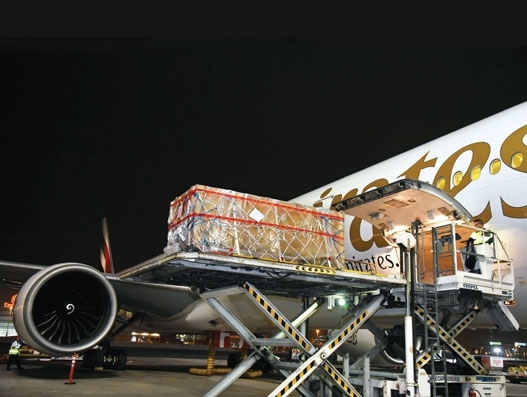
What Counts as “Importing Gold”?
Gold importation means bringing gold into a country for commercial, investment or industrial use. The rules depend on the form of the gold:
| Form | HS code (usual) | How it’s treated |
| Refined gold bars and bullion | 7108.12 | Usually the simplest to import. Often duty-free or VAT-exempt as investment gold |
| Gold doré (semi-refined) | 7108.12 | Often restricted to licensed refiners. Some source countries now ban exporting it |
| Gold dust and nuggets | 7108.12 / 7108.11 | Highest risk. Heavily checked and often linked to smuggling and scams |
| Semi-manufactured gold (wire, sheet) | 7108.13 | Industrial and jewellery use |
| Gold coins | 7118 | Depends on whether they’re legal tender. VAT rules vary |
| Gold jewellery | 7113 | Usually pays customs duty and VAT or GST |
Legal Requirements for Importing Gold Explained;
Requirement 1: A Registered Business and Importer Code
Most countries require a registered company to import gold commercially. Individuals are usually limited to small personal amounts carried as baggage, which must be declared. You’ll typically need:
- company registrationand a tax identification number
- a customs importer codeor registration. Examples: an EORI number in the EU and UK, an IEC in India, an importer of record in the US, and a customs client code in Dubai
- VAT or GST registration,where it applies
Requirement 2: Import Licences and Dealer Registration
| Country or region | Licence or registration needed |
| India | Gold is a restricted import. Only RBI-authorised banks, DGFT-nominated agencies, qualified jewellers (through IIBX) and licensed refiners (for doré) can import |
| Mainland China | PBOC import licence, held mainly by licensed banks. Standard gold is sold through the Shanghai Gold Exchange |
| Hong Kong | No import licence. Dealers in precious metals must register with Customs at HK$120,000 or more |
| UAE (Dubai) | UAE-licensed company (often in the DMCC free zone). Dealer registration under AML rules, and due diligence for refiners |
| United States | No gold import licence. Dealers have anti-money-laundering (Bank Secrecy Act) obligations |
| European Union | No licence for investment gold. Importers above set volumes must follow the EU Conflict Minerals Regulation |
| United Kingdom | No licence for investment gold. Dealers come under AML supervision |
| Switzerland | Gold refiners and dealers in melted gold must be licensed or registered under precious metals control rules |
Rules change often. Check with the customs authority or a licensed customs broker before you ship.
Requirement 3: A Legal Export from the Source Country
An import is only as legal as the export behind it. Before gold leaves the source country, the seller should have:
- a mineral dealer or export licence
- royalties and export levies paid
- an assay and, where required, local refining. Uganda and Ghana, for example, now require refining before export
- a certificate of origin, plus an ICGLR certificate where it applies (Great Lakes region)
- an export permit for the specific shipment
Ask for copies before you pay, and verify them with the issuing authority.
Requirement 4: The Documents You Need to Import Gold
| ✔ | Document | What it proves |
| ☐ | Commercial invoice | Buyer, seller, value, weight, purity, HS code and Incoterm |
| ☐ | Packing list and bar list | Number of bars, serial numbers, weights, seal numbers |
| ☐ | Certificate of origin | Where the gold was mined or produced |
| ☐ | Assay certificate | Purity and weight, from an independent lab or recognised refinery |
| ☐ | Export permit (source country) | The gold left the source country legally |
| ☐ | Royalty or levy receipts | Taxes were paid at source |
| ☐ | Air waybill | Transport to the named consignee |
| ☐ | Insurance certificate | Full value insured in transit |
| ☐ | Customs import declaration | The import was declared and assessed |
| ☐ | Importer’s licence or registration | The consignee is allowed to import |
| ☐ | KYC and due diligence file | Who the seller is, who owns it, and where the gold came from |
The most common cause of delays: the weight, purity or company name doesn’t match across the invoice, assay, export permit and air waybill.

Requirement 5: AML and Due Diligence Rules
Gold is a top money-laundering risk, so importers must show where the gold came from and who they bought it from:
- Know your supplier:company documents, licences, owners (beneficial ownership) and bank details.
- Source of gold:mine or origin, the supplier’s own sourcing, and chain of custody.
- OECD Due Diligence Guidance:the global standard, widely required by refiners, banks and regulators.
- Conflict minerals rules:the EU Conflict Minerals Regulation, and Dodd-Frank Section 1502 for US-listed companies, add obligations for gold from conflict-affected and high-risk areas.
- Payment through banks only:large cash deals are reportable in most countries.
- Keep recordsfor at least five years. Many countries require this.
Customs Clearance Process for Imported Gold
- The shipment arrives at the airport with a secure, insured logistics company.
- The customs declaration is lodged by the importer or customs broker, under HS heading 7108.
- Documents are checked against the shipment.
- Physical inspection and weighing, if selected.
- Duty and tax are assessed and paid, where they apply.
- The shipment is released to the importer’s vault, refinery or bank.
Use a customs broker experienced in precious metals. Mistakes on the declaration are the fastest way to get a shipment held.
Duty and VAT on Gold Imports by Country
| Destination | Customs duty on gold bars | VAT or GST on investment gold |
| United States | None | No federal VAT (state sales tax rules vary) |
| European Union | None | Exempt for investment gold (bars of 995 fineness or more) |
| United Kingdom | None | Exempt for investment gold |
| Switzerland | None | Exempt for bank-quality bars |
| UAE | None (jewellery 5%) | Generally zero-rated or reverse charge for 99%+ gold |
| Hong Kong | None | No VAT |
| India | About 15% | 3% IGST |
| Mainland China | None on bullion (licence required) | VAT applies on withdrawal from the SGE |
Duty and tax rates can change at short notice. Always confirm the current rate before you ship.
Typical Costs of Importing Gold
- Gold price, based on the international spot price, plus or minus a premium or discount
- Assay and refining fees at source or destination
- Export royalties and levies in the source country
- Secure freight and insurance
- Customs broker fees
- Import duty and VAT or GST, where they apply
- Vault storage and handling
- Bank charges for letters of credit or transfers
Legal Risks and Penalties
If you import gold illegally, you risk:
- Seizure and confiscation of the gold
- Heavy fines, often several times the duty or value
- Criminal prosecution for smuggling, money laundering or false declarations
- Loss of licences and banking relationships
- Being linked to illegal export in the source country, even if your import was declared
How to Avoid Gold Import Scams
- Verify the seller’s licence directly with the mining authority.
- Insist on an export permit before paying.
- Pay by letter of credit or escrow, or by bank transfer only after an independent assay.
- Never pay upfront fees for “customs release”, “smelting” or “insurance” to strangers.
- Be wary of prices far below the market.They almost always mean fraud or illegal gold.
- Avoid gold dust or nuggets sold for cash, and “diplomatic consignment” stories.
Best Practices for Gold Importers
- Buy only from licensed, verifiable suppliers.
- Get all documents before payment, and check that they match.
- Use secure payment methods, never cash or crypto.
- Ship with an insured, specialist logistics company.
- Use a customs broker who handles precious metals.
- Keep complete records for every shipment.
- Take specialist legal and tax advice for large or first-time imports.
FAQs: Legal Requirements for Importing Gold
Can individuals import gold? Small amounts as declared personal baggage, yes, within each country’s limits. Commercial quantities usually need a registered business and, in some countries, a licence.
Do I need a licence to import gold? It depends on the country. India, mainland China and Switzerland have specific licensing systems. The US, the UK, the EU, Hong Kong and the UAE don’t require an import licence for investment gold, but dealers face AML registration and due diligence rules.
What documents are required to import gold? A commercial invoice, packing and bar list, certificate of origin, assay certificate, export permit from the source country, air waybill, insurance certificate, customs declaration and a KYC and due diligence file.
Is importing gold taxable? Investment-grade gold bars are duty-free and VAT-exempt in many places, including the US, the EU, the UK, Switzerland, Hong Kong and the UAE. Some countries charge heavily: India charges about 15% duty plus 3% GST. Jewellery usually pays duty and VAT.
What HS code is used for gold imports? Heading 7108: 7108.12 for unwrought gold (bars and doré), and 7108.13 for semi-manufactured gold. Coins and jewellery have their own codes.
What happens if gold is imported without proper documents? It can be seized, and the importer can face fines or prosecution, especially if the gold left its source country illegally.
Can I import gold doré? Usually only licensed refiners can import doré. Several African countries now require gold to be refined before export.

