How to Sell Gold Bars After Buying Them? Understand resale
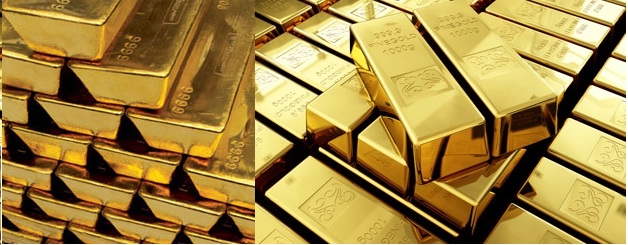
How to Sell Gold Bars After Buying Them: Selling gold bars after purchasing them involves identifying a reputable buyer, verifying the bar’s weight and purity, checking the current gold market price, obtaining competitive buy-back quotations and agreeing on secure payment terms.
The amount you receive depends on the bar’s fine-gold content, prevailing market price, refinery recognition, condition, documentation and the buyer’s resale margin.
Gold bars can be resold through established bullion dealers, gold trading companies, precious-metal refiners and qualified private investors. Understanding the resale process before purchasing physical gold helps you protect your investment, avoid unnecessary deductions and make better selling decisions when you need liquidity.
Where Can You Sell Gold Bars After Buying Them?
The first step in reselling physical gold is identifying a buyer who accepts your particular gold bar. Different buyers have different requirements concerning purity, refinery accreditation, weight, documentation and transaction volumes.
The main places to sell gold bars include:
Established Gold Bullion Dealers
Bullion dealers are among the most convenient places to resell investment-grade gold bars. They regularly trade physical gold and generally have established procedures for checking authenticity, determining purity and calculating buy-back prices.
Most professional dealers purchase gold bars from recognised manufacturers, including internationally traded refinery brands. Some also accept bars purchased from other dealers, provided they pass their verification procedures.
Before selling, ask the dealer:
- Whether it accepts gold bars from other suppliers.
- Which refineries and manufacturers it recognises.
- How it calculates its gold buy-back prices.
- Whether it requires the original assay certificate.
- Whether testing and verification fees apply.
- How and when payment is made.
You can also approach the dealer from whom you originally purchased the gold. Some businesses offer buy-back services to existing customers, although their terms and prices may change with market conditions.
Gold Refining Companies
Gold refineries purchase gold bars and other precious-metal materials for processing, testing or resale. They may be particularly useful when dealing with large quantities, unusual bullion products or gold that requires additional purity verification.
A refinery may evaluate your gold through professional assaying procedures to establish its actual fine-gold content.
However, not every refinery purchases finished investment-grade bullion directly from individual investors. Some specialise in processing raw gold, doré, scrap and industrial precious metals.
Before approaching a refinery, confirm that it accepts your product and ask whether refining or assay charges will be deducted from the final payment.
Gold Trading Companies
Established gold trading companies can also purchase physical gold bars for resale to other dealers, investors, manufacturers or institutional buyers.
These businesses may handle transactions involving different quantities and gold specifications, depending on their licences, purchasing policies and available markets.
When choosing a gold trading company, verify its business registration, relevant mineral-trading authorisations and ability to complete the transaction legally.
For additional guidance, read our guide to Gold Dealers in Africa.
Private Gold Investors
You can sell gold bars directly to another investor who wants to acquire physical gold.
Private transactions may provide an alternative to dealer buy-back arrangements, particularly when the buyer is willing to purchase a specific bar or quantity.
However, private sales require additional care. You must independently establish the buyer’s identity, confirm payment arrangements, verify the gold and protect yourself against fraudulent payment confirmations.
Avoid handing over physical gold based solely on screenshots or unverified bank-transfer notifications.
For higher-value transactions, use a secure professional environment and an independently verifiable payment arrangement.
How Is the Resale Value of Gold Bars Determined?
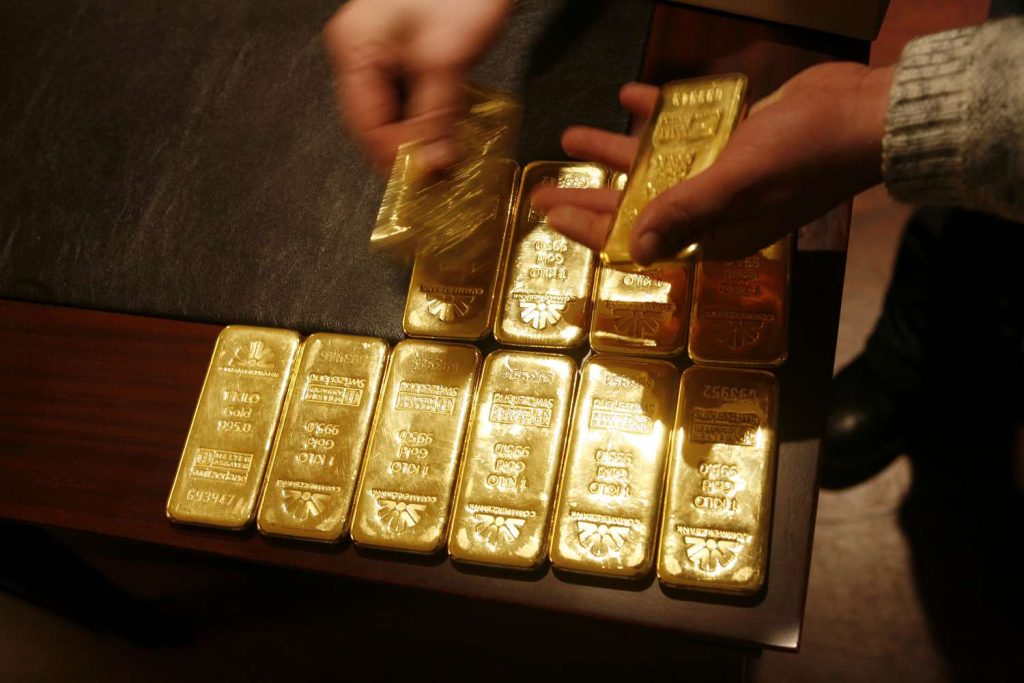
The resale value of a gold bar is primarily determined by its fine-gold content and the prevailing gold market price.
However, the amount a buyer offers may differ from the international spot price because dealers account for their operating expenses, verification requirements, inventory risks and profit margins.
Several factors influence the final resale valuation.
Current International Gold Spot Price
The international spot price provides the principal market reference for valuing physical gold.
Gold prices fluctuate according to global investment demand, central-bank purchases, currency movements, interest-rate expectations, geopolitical developments and economic conditions.
When selling, check the prevailing market price rather than relying on the price you paid when purchasing the gold.
You can follow current market movements through our African Gold Bar Prices guide.
Gold Purity and Fine-Gold Content
Gold purity determines how much actual gold is contained in a bar.
For example:
- 999.9 fineness represents 99.99% gold.
- 999 fineness represents 99.9% gold.
- 995 fineness represents 99.5% gold.
- 916.7 fineness represents approximately 91.67% gold.
A buyer calculates the fine-gold content before establishing the underlying metal value.
A higher-purity bar generally contains more fine gold than a lower-purity bar of the same gross weight.
Learn more about Gold Bar Purity and Its Importance.
Weight of the Gold Bar
The gross weight of a gold bar directly affects its underlying metal value.
Common investment bar sizes include:
- 1 gram to 10 grams.
- 20 grams to 100 grams.
- 250 grams to 500 grams.
- 1 kilogram.
A larger bar contains more gold and therefore generally has a higher total resale value, assuming comparable purity.
However, larger bars may have a narrower pool of potential buyers because fewer investors can afford their full purchase price.
Refinery Recognition and Manufacturer
The manufacturer can influence how easily a gold bar is accepted by prospective buyers.
Bars produced by internationally recognised refiners may be easier to verify and resell because dealers are more familiar with their markings, specifications and manufacturing standards.
Examples include PAMP, Valcambi, Argor-Heraeus and other established bullion manufacturers.
Gold bars from unfamiliar manufacturers may require additional authentication, documentation or independent assaying before a buyer agrees to purchase them.
Physical Condition and Original Packaging
The condition of a gold bar can affect the resale process.
Bars supplied in sealed assay packaging may be easier to verify when the packaging remains intact and the details correspond with the accompanying certificate.
Damaged packaging, missing identification or signs of tampering may lead to additional inspection.
The gold’s actual weight and purity remain the primary determinants of its intrinsic value. Cosmetic imperfections do not automatically mean that the metal has lost value.
Market Demand and Dealer Inventory
Gold dealers consider their existing inventory and the demand for particular products when making buy-back offers.
A commonly traded one-ounce bar may have a wider retail market than an unusual bar with an unfamiliar weight or manufacturer.
Similarly, a dealer that already has sufficient stock of a particular product may offer different terms from one seeking additional inventory.
How to Calculate the Resale Value of a Gold Bar
Before accepting a dealer’s offer, calculate the approximate fine-gold value of your bar.
This helps you understand how the proposed buy-back price compares with the underlying market value.
Use the following formulas:
Fine-Gold Content = Gross Gold Weight × Purity
Gross Gold Value = Fine-Gold Content × Current Gold Price per Gram
Estimated Resale Proceeds = Gross Gold Value − Dealer Discount − Applicable Transaction Costs
For example, assume you want to sell a 100-gram gold bar with 999.9 fineness.
The calculation is:
- Gross weight: 100 grams.
- Purity: 99.99%.
- Fine-gold content: 99.99 grams.
- Hypothetical gold price: $150 per gram.
- Underlying gold value: $14,998.50.
If a dealer offers 2% below the benchmark value:
- Underlying gold value: $14,998.50.
- Dealer discount: $299.97.
- Estimated resale payment: $14,698.53.
These figures are illustrative, not live gold quotations. Actual offers depend on the market price, testing results, dealer terms and any additional transaction charges.
Always establish whether the quoted price is based on the international spot price, a local market benchmark or another agreed reference.
Understanding Gold Buy-Back Prices and Dealer Spreads
One of the most important aspects of gold resale is understanding the difference between the original purchase price and the price a dealer is willing to pay when buying the gold back.
These are two different prices.
Gold selling price: The amount you pay when purchasing a gold bar from a dealer.
Gold buy-back price: The amount a dealer offers to pay when purchasing your existing gold bar.
The difference between the two is commonly known as the dealer spread.
For example:
| Transaction | Illustrative value |
|---|---|
| Original purchase price | $10,500 |
| Dealer’s current buy-back offer | $10,000 |
| Difference | $500 |
The $500 difference represents the gap between the original purchase price and the resale offer. It is not necessarily the dealer’s net profit because the dealer also incurs operating, verification, inventory and resale costs.
Several factors influence the spread:
- Dealer operating expenses.
- Gold market volatility.
- Refinery and product recognition.
- Bar condition and documentation.
- Demand for the specific gold product.
- Testing and authentication expenses.
- Dealer inventory and profit margin.
A recognised bullion product with strong resale demand may attract a narrower spread than an unfamiliar bar requiring additional verification.
Understanding the spread before purchasing helps investors estimate the cost of buying and eventually reselling physical gold.
Step-by-Step Process of Selling Gold Bars
Selling physical gold involves several stages, from identifying the product to receiving payment.
Step 1: Identify Your Gold Bar
Establish the exact specifications of the gold bar you intend to sell.
Record the following information:
- Manufacturer or refinery.
- Gross weight.
- Declared purity or fineness.
- Serial number, where applicable.
- Assay certificate details.
- Original purchase date.
- Original supplier.
These details help potential buyers identify the product and prepare an initial valuation.
Step 2: Check the Current Gold Market Price
Research the current international gold price and convert it into the relevant currency.
If you are selling in an African market, also consider the applicable local currency exchange rate.
Gold is internationally benchmarked, but local buying prices can differ because of currency movements, market demand, transportation expenses, taxes and local trading conditions.
Step 3: Obtain Several Buy-Back Quotations
Contact multiple established gold buyers and request quotations for the same gold bar.
Compare their offers using identical information, including weight, purity, manufacturer and condition.
Ask each buyer to clarify:
- Price per gram or ounce.
- Applicable dealer discount.
- Testing or assay charges.
- Other deductions.
- Payment currency.
- Payment method.
- Quotation validity period.
Comparing written quotations helps you identify a competitive offer rather than automatically accepting the first price presented.
Step 4: Present the Gold for Authentication
The prospective buyer will normally inspect the gold before confirming the final purchase price.
Depending on the product and the buyer’s procedures, verification may involve:
- Precision weighing.
- Physical dimension measurements.
- Manufacturer and serial-number checks.
- X-ray fluorescence (XRF) testing.
- Density testing.
- Ultrasound testing.
- Independent laboratory assay where necessary.
XRF testing provides information about surface composition but does not, on its own, establish the internal composition of every gold bar.
For higher-value transactions, buyers may use several complementary testing methods.
Step 5: Review the Final Offer
After verification, the buyer should provide a final quotation based on the established gold content and agreed pricing terms.
Review the proposed payment carefully.
Confirm whether the offer includes all applicable deductions and whether the amount can change before settlement.
You are not obliged to accept an offer simply because the buyer has completed an inspection.
Step 6: Complete the Required Documentation
Depending on the country, transaction size and buyer’s compliance procedures, you may need to provide identification and supporting ownership records.
These can include:
- Government-issued identification.
- Original purchase invoice.
- Assay certificate.
- Gold bar serial-number details.
- Proof of ownership.
- Source-of-gold documentation.
- Relevant customs or export documents for cross-border transactions.
Professional gold buyers may also undertake anti-money-laundering and customer due-diligence checks.
Step 7: Agree on Payment and Complete the Sale
Once both parties agree on the price, payment arrangements and documentation, the transaction can be completed.
For substantial gold transactions, bank transfers through regulated financial institutions provide a verifiable payment record.
Confirm that the funds have actually cleared and are available before releasing the gold.
Retain the final sales agreement, payment confirmation, assay results and transaction receipt.
Documents Required When Reselling Gold Bars
Documentation helps establish ownership, product specifications and the legal history of the gold.
Although requirements vary by buyer and jurisdiction, the following records are useful.
| Document | Why it matters |
|---|---|
| Original purchase invoice | Establishes where and when the gold was purchased |
| Assay certificate | Provides the declared purity and weight |
| Serial-number records | Helps identify and trace individual bars |
| Proof of ownership | Supports the seller’s legal claim to the gold |
| Manufacturer documentation | Helps establish the refinery and product identity |
| Certificate of origin | Helps establish the declared country of origin |
| Export and customs documents | Supports lawful cross-border movement |
| Identity documents | Supports buyer due-diligence requirements |
An original invoice and assay certificate can make the transaction easier to process, although the buyer may still conduct independent authentication.
For African gold transactions involving international buyers, provenance and export documentation can be particularly important.
How to Sell Gold Bars Safely and Avoid Resale Scams
The gold resale market attracts legitimate bullion dealers as well as fraudulent buyers who may exploit sellers unfamiliar with pricing, authentication and payment procedures.
Before transferring ownership of your gold, take the following precautions.
Verify the Buyer’s Business Credentials
Check the buyer’s registration, physical business presence and relevant licences or authorisations.
Where the transaction involves commercial gold trading, verify that the business is legally authorised to conduct the relevant activity in that jurisdiction.
Avoid Unrealistically High Buy-Back Offers
Be cautious when a buyer promises an unusually high price without inspecting the gold or establishing its specifications.
Compare the proposed offer with the current gold benchmark and quotations from other established buyers.
Insist on Transparent Testing
Gold authentication should be conducted using appropriate equipment and procedures.
Ask the buyer to explain the testing process and allow you to understand the results.
Do not agree to destructive testing, melting or refining without clear written consent.
Confirm Payment Before Releasing Gold
Never rely exclusively on a payment screenshot, email notification or mobile banking message supplied by the buyer.
Verify the funds directly through your financial institution.
For large transactions, agree on a secure handover procedure before delivering the gold.
Be Careful When Selling Through Online Platforms
Online marketplaces can connect sellers with potential buyers, but they also expose sellers to impersonation, fake payment confirmations and fraudulent shipping arrangements.
Verify the buyer independently and use a documented transaction process.
When shipping gold, agree in writing on the carrier, insurance coverage, responsibility for loss and delivery verification. Do not assume ordinary parcel insurance covers precious metals.
How Gold Resale Works in African Markets
Selling gold bars in Africa involves the same fundamental valuation principles used in international bullion markets: weight, purity, market price and the buyer’s purchasing terms.
However, the practical resale process can vary considerably between countries.
Local licensing requirements, gold-trading regulations, foreign-exchange arrangements, taxes and export procedures can affect how a transaction is completed.
Selling Gold Bars in Uganda
Gold sellers in Uganda should approach established businesses authorised to conduct the relevant mineral-trading activities.
The buyer may request purchase invoices, assay documentation, proof of ownership and other records before accepting the gold.
Where gold is being sold to an international buyer, additional export, customs and provenance requirements may apply.
Read our guide to Gold Bars in Uganda.
Selling Gold Bars in Kenya
Kenya has an established gold-trading and refining sector, but sellers must still establish whether their prospective buyers are authorised to purchase the relevant gold products.
International transactions may require additional documentation covering origin, ownership, transportation and export compliance.
Read more about Gold Bars in Nairobi.
Selling Gold Bars in Other African Countries
Gold resale procedures also differ across markets such as Ghana, Tanzania, South Africa, Mali and the Democratic Republic of Congo.
Sellers should establish the applicable national requirements before arranging a transaction.
For example, Ghana has a regulated gold-trading framework, and sellers should check the current requirements of the Ghana Gold Board (GoldBod) where applicable.
A transaction that is acceptable within one country’s domestic market may require additional authorisations when the gold is moved across international borders.
Taxes and Other Costs When Selling Gold Bars
The amount you receive from a gold sale may be affected by transaction costs and applicable taxes.
It is important to distinguish between the dealer’s purchase offer and the final amount you retain after all legal and commercial obligations have been met.
Potential costs include:
- Dealer discounts: The difference between the applicable gold benchmark and the dealer’s buying price.
- Assay fees: Charges for independent testing or laboratory verification.
- Refining costs: Expenses incurred when gold requires additional processing.
- Transportation: Costs associated with moving the gold to the buyer.
- Insurance: Protection against loss or theft during transportation.
- Bank charges: Fees associated with receiving or converting payments.
- Taxes: Applicable taxes or reporting obligations, depending on the country and nature of the transaction.
Tax treatment is not identical across African countries. It may depend on whether the seller is an individual investor, a registered business or a professional gold trader.
Before completing a substantial transaction, establish the applicable tax obligations with a qualified local tax professional.
For more information, see our guide to Taxes on Physical Gold.
When Is the Right Time to Sell Gold Bars?
The timing of a gold sale can influence how much money an investor receives.
However, there is no universally correct selling date because gold prices are affected by changing global economic and financial conditions.
Consider the following factors when evaluating a potential sale.
Changes in International Gold Prices
When the gold market price rises, the underlying value of an existing gold bar generally increases, assuming its weight and purity remain unchanged.
Conversely, a decline in the market price can reduce its resale value.
Monitor market movements and compare the current price with your original acquisition cost.
Currency Exchange Rate Movements
Gold is internationally priced in US dollars, but sellers in African markets may receive payment in local currencies.
Changes in the exchange rate between the US dollar and the local currency can therefore influence the final amount received.
Always establish which exchange rate the buyer will apply when calculating the payment.
Personal Financial Requirements
Investors may sell gold to access capital, finance business activities, meet personal obligations or rebalance their investment portfolios.
The decision should consider the investor’s financial objectives rather than relying entirely on predictions about future gold prices.
Market Liquidity and Buyer Demand
A favourable gold price does not automatically guarantee a quick sale.
Consider whether there are enough established buyers interested in your specific bar, weight and manufacturer.
Compare available offers before committing to a transaction.
What Happens If Your Gold Bar Has No Certificate or Original Packaging?
A gold bar can sometimes be resold without its original assay certificate or packaging, but the process may involve additional verification.
The buyer must establish the bar’s authenticity, weight and actual purity before determining its value.
An unsealed or undocumented bar may undergo:
- Manufacturer and serial-number verification, where possible.
- Precision weighing and dimensional checks.
- XRF analysis.
- Density or ultrasound testing.
- Independent assay where necessary.
If the bar’s identity or composition cannot be established confidently, a buyer may decline the transaction or make an offer based on independently verified fine-gold content.
Missing packaging does not automatically make a genuine gold bar worthless or unsellable. However, retaining the original documents and packaging can make future resale more straightforward.
Which Gold Bars Are Easier to Resell?
Gold bars differ in marketability depending on their weight, purity, manufacturer and recognition among bullion dealers.
Investors should consider future resale requirements when selecting their initial gold bar sizes.
| Gold bar category | Resale characteristics |
|---|---|
| 1g–10g bars | Allow investors to sell smaller quantities, although percentage premiums may be higher |
| 20g–100g bars | Offer a balance between transaction value and resale flexibility |
| 250g–500g bars | Suitable for investors seeking larger quantities and higher-value buyers |
| 1kg bars | Attractive to larger investors and professional dealers, but require buyers with greater purchasing capacity |
Small Gold Bars: 1 Gram to 10 Grams
Small gold bars are useful when an investor wants to liquidate only a limited quantity of gold.
Their lower individual values may make them accessible to more retail buyers.
However, manufacturing and packaging costs can result in higher purchase premiums relative to their gold content.
Medium Gold Bars: 20 Grams to 100 Grams
Medium-sized bars offer a practical balance between affordability and transaction value.
They may appeal to individual investors, bullion dealers and businesses purchasing physical gold.
Recognised refinery products with clear documentation generally offer better resale convenience.
Large Gold Bars: 250 Grams to 1 Kilogram
Large gold bars contain substantial quantities of fine gold and may attract lower purchase premiums per gram.
However, their high total value means that fewer buyers may be able to purchase them.
An investor selling a one-kilogram bar will generally need a buyer willing to acquire the entire bar rather than a smaller portion.
For more guidance, read our Best Gold Bar Sizes for Investors guide.

Faqs About Selling Gold Bars
Can I sell gold bars immediately after buying them?
Yes. There is generally no universal waiting period for reselling legally owned gold bars. However, the buyer must be satisfied with the gold’s authenticity, ownership and applicable legal documentation. Selling immediately may result in a loss if the original purchase premium and dealer spread exceed any increase in the gold market price.
Can I sell gold bars to a different dealer from the one I bought them from?
Yes. You are not necessarily restricted to the original supplier. Other established bullion dealers, gold trading companies and qualified buyers may accept your bars, subject to their verification and purchasing policies.
Do gold dealers buy back gold bars?
Many bullion dealers provide buy-back services, although their policies differ. Some accept only products they originally sold, while others purchase eligible bars from different manufacturers after authentication.
Will I receive the same price I paid when buying my gold bar?
Not necessarily. The resale price depends on the prevailing gold market price, the original purchase premium, dealer spread, product specifications and applicable transaction costs. A higher gold market price may improve your resale proceeds, but it does not guarantee that you will recover the full original purchase price.
Can I sell a gold bar without an invoice?
Yes, some buyers may accept a gold bar without its original purchase invoice. However, they may request alternative proof of ownership and conduct additional authenticity checks. Missing documentation can make the transaction more complicated.
Can I sell only part of a gold bar?
A standard solid gold bar cannot ordinarily be divided and sold in smaller portions without cutting, melting or refining it. Such processing can affect the product’s original identification and require a new assay. Investors who anticipate partial liquidation may prefer purchasing several smaller bars.
Are gold bars easier to resell than gold coins?
Both can have established resale markets. The ease of selling depends on the manufacturer, product recognition, purity, condition and demand in the relevant market. Standard investment-grade bars are generally valued according to their fine-gold content, while certain recognised coins may also attract additional market premiums.
Does gold resale depend on the original purchase country?
It can. A bar purchased in one country may be accepted in another, but buyers may require additional authentication, proof of origin and import or customs documentation. Local regulations and cross-border compliance requirements should be checked before transporting the gold.
How long does it take to sell a gold bar?
The timeframe depends on the buyer, verification requirements, transaction value, documentation and payment arrangements. A recognised bar with matching documents may be easier to process than an unfamiliar product requiring independent laboratory testing.
Can a damaged gold bar still be sold?
Yes, a damaged bar may still be purchased if its authenticity, weight and purity can be established. However, damage to the packaging, identification markings or physical bar may result in additional testing and different buying terms.
Is selling gold bars profitable?
Selling gold bars can generate a profit if the resale proceeds exceed the original acquisition cost and all associated expenses. Profitability depends on the gold price movement, purchase premium, resale spread, storage, insurance and transaction costs. Physical gold does not guarantee a profit.
Conclusion: Understand Gold Resale Before Buying Physical Gold
Selling gold bars after purchasing them is a process that requires proper valuation, reliable buyers, independent verification and secure payment arrangements.
The most important considerations are the current gold market price, verified purity, fine-gold weight, refinery recognition, documentation and the dealer’s buy-back spread.
Investors should establish the resale arrangements before purchasing gold rather than waiting until they urgently need to liquidate their holdings. Choosing recognised bullion products, retaining original invoices and assay certificates, and understanding dealer pricing policies can make future transactions easier.
At Buy Gold Bars Africa, we encourage informed gold transactions based on transparent product specifications, reliable documentation and responsible trading practices.
Explore our gold bars for sale or contact our team for enquiries about gold products, pricing and available purchasing arrangements.