Gold Bar Sizes and Prices: Top 2026 Guide for Every Budget
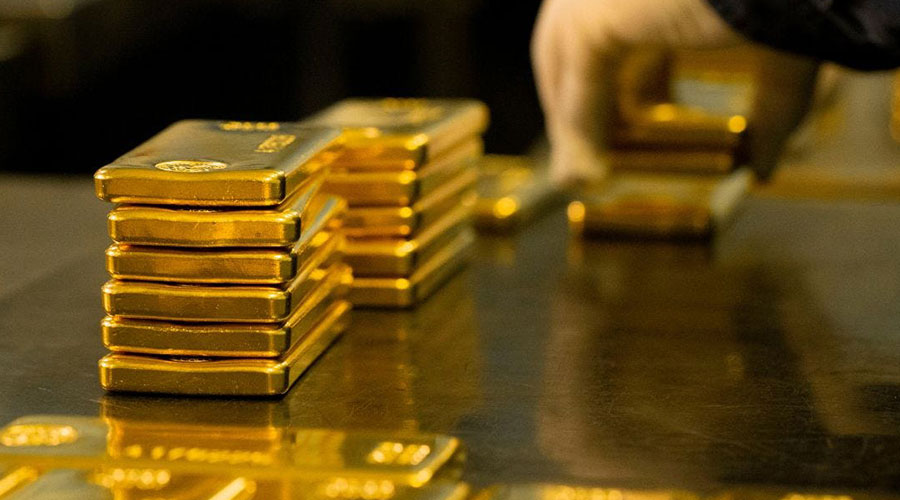
Gold Bar Sizes and Prices: Understanding gold bar sizes and prices is the most practical starting point for any investor who has decided to add physical gold to their portfolio.
Gold bars are available in a wider range of weights than most people realise — from a 1-gram bar small enough to sit on a fingertip, to the iconic 400-troy-ounce Good Delivery bar worth over USD 2 million at current gold prices — and the size you choose directly determines the premium you pay above spot, your storage requirements, your liquidity options, and the overall cost-efficiency of your gold investment.
This complete guide to gold bar sizes and prices covers every standard weight in the market, from the smallest entry-level bars to institutional kilogram and Good Delivery bars.
For each size, we explain the physical dimensions, the current indicative price at 2026 gold spot levels, the typical dealer premium above spot, the ideal investor profile, the storage implications, and how African-sourced 24K gold bars compare to Western retail equivalents in price and quality.
By the end of this guide, you will know exactly which gold bar size fits your budget and investment goals — and where to source it at the most competitive price available.
What Is a Gold Bar? Understanding Gold Bar Basics Before Choosing a Size
A gold bar — also referred to as a gold bullion bar, a gold ingot, or gold bullion — is a standardised rectangular block of refined gold produced by accredited refineries and mints. Investment-grade gold bars are produced at a minimum purity of 99.5% and typically at 99.99% purity (stamped “999.9”) for the highest-grade bars used by institutional investors, central banks, and LBMA-member dealers worldwide.
Gold bars are stamped with three pieces of identifying information: the weight in grams or troy ounces, the purity as a fineness number (999.9, 999, or 995), and a unique serial number that allows each bar to be individually tracked and verified against its assay certificate.
This traceability is what distinguishes investment-grade gold bars from gold coins, jewellery, or raw gold material — and it is the foundation of the bar’s resale value in any international bullion market.
The key measurement unit for gold bars is the troy ounce — a weight measurement used exclusively for precious metals, distinct from the avoirdupois ounce used for everyday weights.
One troy ounce equals 31.1035 grams. Understanding this distinction is essential because gold spot prices are quoted per troy ounce globally, and bar weights are often described in troy ounces, grams, or kilograms depending on the bar size and the market context.
How gold is mined and processed in Africa — from raw ore extraction through smelting, refining, and final bar production — explains exactly how the bars discussed in this guide are produced before they reach international buyers.

Why the Size of Your Gold Bar Matters More Than You Think
The relationship between gold bar size and investment efficiency is not linear. Larger gold bars carry lower premiums above spot price per gram — meaning you pay a smaller percentage above the pure gold’s market value for the processing, certification, and logistics costs embedded in each bar.
Smaller gold bars carry higher premiums per gram, reflecting the proportionally higher cost of producing, assaying, and packaging many small units relative to a single large bar.
This premium structure has direct, measurable consequences for your investment return. If you buy a 1-gram gold bar carrying a 20% premium above spot and hold it for two years before selling, gold needs to rise 20% above your purchase price just to break even before any profit. If you buy a 1-kilogram bar at a 1–2% premium above spot, you start generating real returns the moment gold rises more than 1–2% above your entry price.
For this reason, understanding gold bar sizes and prices is not merely about knowing what things cost. It is about understanding the premium cost of convenience and the real investment efficiency of each bar size across your specific holding period and budget.
Gold ingots for sale from certified African refineries are available in a full range of standardised sizes — from 50 grams to 1 kilogram — at premiums that consistently undercut Western retail bullion dealers by 5–10%, compressing the break-even threshold and improving investment efficiency from the day of purchase.
Gold Bar Sizes and Prices: Every Standard Weight Explained
1-Gram Gold Bar — The Smallest Investment Entry Point
The 1-gram gold bar is the smallest commercially available investment-grade gold bar and the most accessible entry point for first-time buyers or those with very limited starting budgets.
Physically, a 1-gram bar measures approximately 14.5 mm long by 8.6 mm wide by 0.4 mm thick — smaller than a US dime in surface area and thinner than a credit card. It is genuinely tiny, and holding one for the first time consistently surprises people with its weight relative to size.
At a gold spot price of approximately USD 4,500 per troy ounce (USD 144.7 per gram) in mid-2026, a 1-gram gold bar has a gold content value of approximately USD 145. After dealer premium, expect to pay USD 165–185 for a certified 1-gram bar — a premium of 15–25% above spot, the highest in the retail bar range.
That premium makes 1-gram bars the least investment-efficient size in the gold bar range. However, they serve genuine purposes: gifting, milestone purchases, introducing children or family members to physical gold ownership, and allowing complete beginners to hold actual physical gold and understand the process of buying, storing, and eventually selling bullion before committing larger capital.
1-gram gold bar quick reference:
- Weight: 1 gram (0.032 troy oz)
- Approximate dimensions: 14.5 × 8.6 × 0.4 mm
- Gold content value at USD 4,500/oz: ~USD 145
- Typical retail price (including premium): USD 165–185
- Typical dealer premium: 15–25% above spot
- Best for: Gifting, beginner education, starter collections
5-Gram Gold Bar — Better Value for Small Budgets
The 5-gram gold bar offers meaningfully better value than a 1-gram bar for buyers with slightly larger budgets. At current 2026 gold prices, a 5-gram bar carries a gold content value of approximately USD 725, with retail prices typically in the USD 780–820 range reflecting a premium of 8–13% above spot — significantly lower than the 20%+ premium on 1-gram bars.
The 5-gram bar is a practical size for systematic accumulation — buying one every month as a disciplined savings habit builds a physical gold position gradually without requiring large lump-sum commitments.
It is also the most common bar size used for gifts on special occasions in markets where physical gold is a traditional gift item, including across much of Africa, the Middle East, and South and East Asia.
5-gram gold bar quick reference:
- Weight: 5 grams (0.16 troy oz)
- Gold content value at USD 4,500/oz: ~USD 725
- Typical retail price: USD 780–820
- Typical dealer premium: 8–13% above spot
- Best for: Systematic accumulation, gifting, small budgets
10-Gram Gold Bar — The Sweet Spot for Entry-Level Investors
The 10-gram gold bar is often described as the sweet spot between accessibility and investment efficiency for entry-level investors. At current gold prices, a 10-gram bar carries a gold content value of approximately USD 1,450, with retail prices typically in the USD 1,520–1,600 range — a premium of 5–10% above spot that is meaningfully lower than smaller bar sizes while still being accessible to investors with budgets under USD 2,000.
The 10-gram bar is the most popular starting size for investors who want a genuine, meaningful physical gold position without the capital commitment of a 1-troy-ounce or 100-gram bar.
It stores easily in a small home safe, ships without special logistics requirements, and is liquid enough to sell through any reputable bullion dealer worldwide without difficulty.
10-gram gold bar quick reference:
- Weight: 10 grams (0.32 troy oz)
- Gold content value at USD 4,500/oz: ~USD 1,450
- Typical retail price: USD 1,520–1,600
- Typical dealer premium: 5–10% above spot
- Best for: Entry-level investors, first meaningful gold purchase
1 Troy Ounce Gold Bar (31.1g) — The International Gold Bar Standard
The 1-troy-ounce gold bar is the most universally recognised investment unit in the retail gold bar market. At 31.1035 grams, it aligns directly with the gold spot price quotation — when gold is priced at USD 4,500 per troy ounce, a 1-troy-ounce bar has a spot value of exactly USD 4,500.
This alignment makes price-checking and investment tracking completely intuitive, which is why the 1-troy-ounce bar is the workhorse of the retail physical gold investment market worldwide.
The 1-troy-ounce bar carries a typical premium of 3–5% above spot from reputable dealers — a meaningfully lower premium than smaller bars while still remaining accessible to a wide range of investors.
At current 2026 gold prices, expect to pay approximately USD 4,600–4,725 for a certified 1-troy-ounce gold bar with assay documentation from an accredited refinery.
Bars at 1 troy ounce from PAMP Suisse, Valcambi, Rand Refinery, and other major refineries are universally recognised by bullion dealers, LBMA-member institutions, and gold IRA custodians worldwide, making them one of the most liquid retail gold products in any market.
1-troy-ounce gold bar quick reference:
- Weight: 31.1035 grams (1 troy oz)
- Gold content value at USD 4,500/oz: USD 4,500
- Typical retail price: USD 4,600–4,725
- Typical dealer premium: 3–5% above spot
- Best for: Core retail investors, dollar-cost averaging, gold IRA accounts
50-Gram Gold Bar — Stepping Up to Serious Investment Efficiency
The 50-gram gold bar is the first size at which the balance between premium efficiency and accessibility tips decisively in favour of the investment.
A 50-gram bar carries a premium of approximately 3–6% above spot — similar to or slightly below a 1-troy-ounce bar — while representing a more substantial physical gold position that compounds more meaningfully as the gold price rises.
At current 2026 gold prices, a 50-gram bar has a gold content value of approximately USD 7,235, with retail prices typically in the USD 7,450–7,670 range.
This is the minimum bar size available through Buy Gold Bars Africa for certified African-sourced bars, making it the ideal entry point for investors who want to access the price advantage of African-sourced 24K gold while maintaining investment-grade documentation and certification.
50-gram gold bar quick reference:
- Weight: 50 grams (1.607 troy oz)
- Gold content value at USD 4,500/oz: ~USD 7,235
- Typical retail price: USD 7,450–7,670
- Typical dealer premium: 3–6% above spot
- Best for: Committed investors, first African-sourced bar purchase
100-Gram Gold Bar — The Most Popular Bar for Retail Gold Investors
The 100-gram gold bar is the most popular choice among serious retail gold investors worldwide, and with good reason. At a typical premium of 2–4% above spot, it offers genuinely efficient investment entry — below the threshold where fabrication costs meaningfully erode long-term returns — while remaining accessible to investors with budgets in the USD 14,000–16,000 range.
At current 2026 gold prices of approximately USD 4,500 per troy ounce, a 100-gram gold bar has a gold content value of approximately USD 14,470, with retail prices typically in the USD 14,760–15,050 range from reputable dealers.
The 100-gram bar is small enough to store in a standard home safe or safety deposit box, yet large enough to carry a low enough premium to make it a genuinely efficient long-term investment vehicle.
For investors buying African-sourced gold through Buy Gold Bars Africa, the 100-gram bar size is available with full SGS or PMMC assay certification, serial number documentation, and international armoured courier delivery — at prices that typically undercut Western retail bullion dealers by USD 750–1,500 on a single bar, thanks to the sourcing advantage of buying directly from Africa’s certified mining and refining sector.
100-gram gold bar quick reference:
- Weight: 100 grams (3.215 troy oz)
- Approximate dimensions: 55 × 31 × 8 mm
- Gold content value at USD 4,500/oz: ~USD 14,470
- Typical retail price: USD 14,760–15,050
- Typical dealer premium: 2–4% above spot
- Best for: Core retail investors, most popular investment bar size globally
250-Gram Gold Bar — Stepping Into Wholesale Pricing
The 250-gram gold bar begins to enter the territory where wholesale pricing becomes accessible. At a premium of approximately 1.5–3% above spot, a 250-gram bar offers meaningfully better investment efficiency than any bar below 100 grams, and the absolute dollar value of the premium above spot becomes increasingly small relative to the gold content value.
At current 2026 gold prices, a 250-gram bar carries a gold content value of approximately USD 36,175, with retail prices typically in the USD 36,720–37,260 range. The 250-gram bar is the ideal size for investors who want to hold multiple bars as part of a diversified physical gold portfolio — buy two or three 250-gram bars rather than a single 1-kilogram bar, and you gain the liquidity advantage of being able to sell partial positions without liquidating your entire physical holding.
250-gram gold bar quick reference:
- Weight: 250 grams (8.038 troy oz)
- Gold content value at USD 4,500/oz: ~USD 36,175
- Typical retail price: USD 36,720–37,260
- Typical dealer premium: 1.5–3% above spot
- Best for: Portfolio building, partial liquidity strategy, bulk investors
500-Gram Gold Bar — Professional Investor Territory
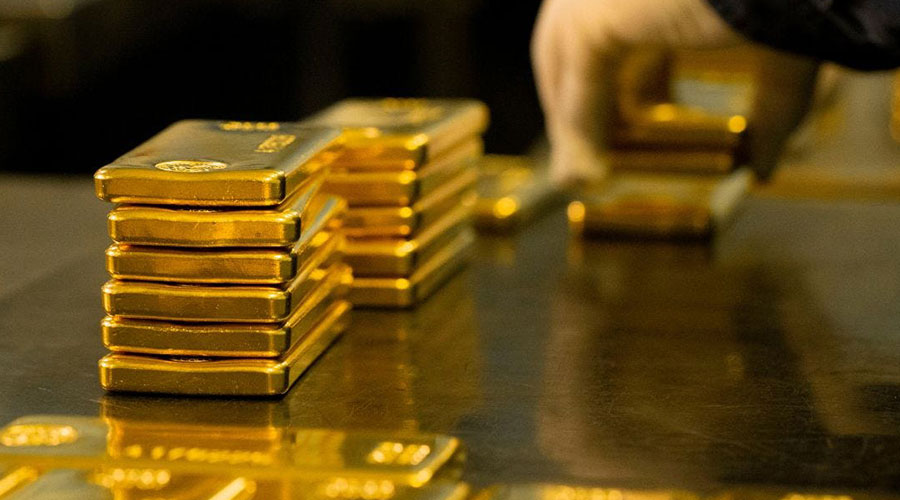
The 500-gram gold bar sits at the threshold between retail and professional investor territory. At a premium of approximately 1–2% above spot, it represents one of the most investment-efficient bar sizes available to non-institutional buyers. The gold content value of a 500-gram bar at current 2026 prices is approximately USD 72,350, with retail prices in the USD 73,075–74,075 range.
At this bar size, independent assay certification and professional vault storage transition from nice-to-have features to practical necessities. A 500-gram gold bar from a certified African refinery should always be accompanied by a fire assay certificate — not merely surface XRF testing — and stored in a professional vault or at minimum a bank safety deposit box with explicit precious metals insurance.
The sourcing advantage of African gold becomes particularly pronounced at the 500-gram level. A 5–10% sourcing discount compared to Western retail prices represents USD 3,600–7,200 saved on a single 500-gram purchase — a meaningful return enhancement that compounds further as additional bars are added to the position.
500-gram gold bar quick reference:
- Weight: 500 grams (16.075 troy oz)
- Gold content value at USD 4,500/oz: ~USD 72,350
- Typical retail price: USD 73,075–74,075
- Typical dealer premium: 1–2% above spot
- Best for: Professional investors, high-net-worth buyers, vault storage holders
1-Kilogram Gold Bar — The Benchmark for Serious Physical Gold Investment
The 1-kilogram gold bar is the global benchmark for serious physical gold investment and the most widely held large-format gold bar among high-net-worth investors, family offices, and sophisticated private buyers. A 1-kilogram bar carries the lowest premium available in the retail gold bar market — typically 1–2% above spot — making it the most investment-efficient standard bar size accessible to non-institutional buyers.
At current 2026 gold prices, a 1-kilogram gold bar has a gold content value of approximately USD 144,700 at USD 4,500 per troy ounce, with retail prices typically in the USD 145,700–147,600 range from certified dealers. At this value level, the premium saving relative to smaller bar formats is substantial: if you invested the same USD 145,000 in 1-gram bars at 20% premiums, you would receive only USD 120,833 worth of gold content. The 1-kilogram bar’s 1–2% premium means you receive USD 142,500–143,250 worth of gold content for the same investment — a difference of more than USD 20,000.
The African sourcing advantage is most dramatically expressed at the kilogram level. Gold in Africa for sale at 5–10% below Western retail prices represents a saving of USD 7,235–14,470 on a single 1-kilogram bar. For an investor building a multi-kilogram position, that cumulative sourcing advantage represents a six-figure return differential compared to buying equivalent bars from European or North American retail bullion dealers.
Certified 1-kilogram gold bars sourced through Buy Gold Bars Africa from Uganda, Ghana, or South Africa come with independent SGS or PMMC fire assay certification at 999.9 purity (24K), full export documentation, conflict-free certification where applicable, and international armoured logistics via Brinks or G4S with full transit insurance.
1-kilogram gold bar quick reference:
- Weight: 1,000 grams (32.15 troy oz)
- Approximate dimensions: 117 × 53 × 8 mm
- Gold content value at USD 4,500/oz: ~USD 144,700
- Typical retail price (Western): USD 145,700–147,600
- African source price (certified): USD 130,000–138,000 (5–10% saving)
- Typical dealer premium: 1–2% above spot
- Best for: High-net-worth investors, family offices, maximum investment efficiency
The LBMA 400-Troy-Ounce Good Delivery Bar — The Institutional Standard
The 400-troy-ounce Good Delivery bar is the gold bar of popular imagination — the gleaming brick stacked in the vaults of central banks, film set treasury scenes, and the Bank of England. At 400 troy ounces (approximately 12.4 kilograms), the Good Delivery bar is worth approximately USD 1.8 million at current 2026 gold prices, making it accessible only to institutional investors, central banks, and bullion banks.
The LBMA Good Delivery standard defines bars weighing between 350 and 430 troy ounces, with a minimum fineness of 99.5% from LBMA-accredited refiners. These bars are the international trading standard for the wholesale gold market and do not carry a meaningful retail premium — they trade at or near spot because the buyers are institutions with the scale and infrastructure to deal directly in the interbank gold market.
For private investors, the Good Delivery bar is informational context rather than a practical buying consideration. The relevant insight is that the 24K gold bars at 999.9 purity available through certified African dealers — meeting the same LBMA purity standard at smaller, investor-accessible weights — provide exactly the same per-gram gold value as a Good Delivery bar, at retail-appropriate size and pricing.
400-troy-ounce Good Delivery bar quick reference:
- Weight: 400 troy oz (~12.4 kg)
- Value at USD 4,500/oz: ~USD 1,800,000
- Fineness: Minimum 99.5%, typically 99.9%+
- Buyers: Central banks, bullion banks, institutional investors only
- Relevance for private investors: Standard for LBMA gold quality benchmark
Gold Bar Sizes and Prices Comparison Table (2026 Indicative Pricing)
| Bar Size | Weight (grams) | Gold Content Value (USD 4,500/oz) | Typical Retail Price | Premium Above Spot | Best For |
|---|---|---|---|---|---|
| 1g | 1g | ~$145 | $165–$185 | 15–25% | Gifting, beginners |
| 5g | 5g | ~$725 | $780–$820 | 8–13% | Systematic saving |
| 10g | 10g | ~$1,450 | $1,520–$1,600 | 5–10% | Entry-level investors |
| 1 troy oz | 31.1g | ~$4,500 | $4,600–$4,725 | 3–5% | Core retail investors |
| 50g | 50g | ~$7,235 | $7,450–$7,670 | 3–6% | First African-source bar |
| 100g | 100g | ~$14,470 | $14,760–$15,050 | 2–4% | Most popular retail size |
| 250g | 250g | ~$36,175 | $36,720–$37,260 | 1.5–3% | Portfolio building |
| 500g | 500g | ~$72,350 | $73,075–$74,075 | 1–2% | Professional investors |
| 1 kg | 1,000g | ~$144,700 | $145,700–$147,600 | 1–2% | Maximum efficiency |
| Good Delivery | 12,441g | ~$1,800,000 | ~Spot | <1% | Institutional only |
Prices are indicative based on USD 4,500/troy ounce gold spot price (mid-2026). Actual prices vary with live spot. African-sourced certified bars from Buy Gold Bars Africa are available at 5–10% below Western retail prices at equivalent certification standards.
Which Gold Bar Size Is Right for Your Investment Budget?
Choosing the right gold bar size from this range comes down to matching your investment budget with the premium structure that best serves your return objectives.
If your budget is under USD 2,000: Start with a 10-gram bar for the best balance of accessibility and reasonable premium. Avoid 1-gram and 2-gram bars — the 20%+ premiums mean you need gold to rally sharply before you see any profit. The 10-gram bar’s 5–10% premium is challenging but manageable for a medium-term holding period.
If your budget is USD 2,000–10,000: The 1-troy-ounce bar is the natural choice — universally recognised, liquid in any market, and carrying a 3–5% premium that is low enough to generate meaningful returns as gold appreciates. A 50-gram bar at the upper end of this budget range improves on the premium slightly while representing a more substantial gold position. This is also the entry budget range for gold in Africa for sale through certified dealers.
If your budget is USD 10,000–50,000: The 100-gram bar at a 2–4% premium above spot is the most appropriate choice and the most popular gold bar size among retail investors globally for a reason. At this budget level, you might consider buying two or three 100-gram bars rather than a single 250-gram bar — maintaining partial liquidity by holding multiple bars rather than concentrating in a single piece.
If your budget is USD 50,000–150,000: The 250-gram or 500-gram bar range delivers optimal premium efficiency while preserving partial-sale liquidity. For buyers at the top of this range, a 1-kilogram bar from a certified African source delivers maximum investment efficiency at a 1–2% premium — the best value in the retail gold bar market at any spot price.
If your budget exceeds USD 150,000: Build a multi-kilogram position through certified African dealers. At this scale, the sourcing advantage of African gold — typically 5–10% below Western retail — represents USD 7,500–15,000 or more saved per kilogram of gold purchased. A three-kilogram position sourced through Buy Gold Bars Africa rather than a Western retail dealer at current prices could save USD 22,000–45,000 in purchase cost alone.
Why African-Sourced Gold Bars Offer Better Value Across All Sizes
The premium structure discussed throughout this guide — the percentage above spot that buyers pay for each bar size — is the same in concept but different in absolute dollar terms depending on where you source your gold.
A 1-kilogram gold bar from a Swiss bullion dealer at a 3% premium above spot costs approximately USD 4,341 more than the pure gold content value. A 1-kilogram gold bar sourced through certified African channels at a 1–2% premium above spot costs USD 1,447–2,894 above gold content value. The premium difference between these two sourcing options — USD 1,447–2,894 on a single bar — is not a trivial amount. It is enough to buy an additional 10–20 grams of gold.
This sourcing advantage exists because certified African dealers source directly from licensed mines and refineries that operate at lower cost structures than European counterparts. Uganda gold mines produce gold at mining and processing costs that reflect Uganda’s currency and labour economics — when that cost advantage is passed through to international buyers as a lower premium, the result is LBMA-quality 24K gold at meaningfully better prices than Western retail alternatives.
Gold mining in South Africa through Rand Refinery produces LBMA-accredited bars at the highest institutional standard — bars that carry the same global recognition as PAMP Suisse or Valcambi products but are available through African sourcing channels at prices that reflect direct access to the producing country.
The Uganda gold discovery in northern region has further expanded Uganda’s certified gold supply base, supporting both price competitiveness and supply consistency for international buyers building multi-kilogram positions over time.
Gold Bar Storage Considerations by Size
The size of gold bar you choose determines your storage requirements and costs, which directly affect your net investment return over a multi-year holding period.
Small bars (1g–10g): Store easily in a home safe, safety deposit box, or even a secure envelope in a bank vault. Storage cost is negligible relative to bar value. Insurance through a specialist precious metals rider is recommended for any amount above USD 5,000.
Medium bars (1 troy oz–100g): A bank safety deposit box or a quality home safe rated TL-30 or above is appropriate for these sizes. Annual storage costs at a bank — typically USD 100–300 per year — represent 0.1–2% of bar value annually, which should be factored into your total holding cost.
Large bars (250g–1kg): Professional vault storage through operators such as Brinks, Loomis, or SuisseGold is strongly recommended for bars at these values. Annual vault storage fees run approximately 0.1–0.15% of gold value per year — on a 1-kilogram bar worth USD 145,000, that is USD 145–218 per year, a modest cost for fully insured, audited, and easily tradeable storage. The gold stock page covers available bar sizes and inventory management options for investors holding multiple bars.
Shipping Gold Bars Internationally From Africa: Size, Weight, and Cost Implications
For investors purchasing gold bars through certified African dealers, the practical question of international shipping arises regardless of bar size. What it costs to ship gold to the USA from Africa depends on the declared value of the shipment and the logistics routing, with the per-gram shipping cost declining as bar size increases.
For a 100-gram bar, international armoured courier shipping and insurance from Uganda or Ghana to the United States or United Kingdom typically costs USD 500–800 — adding approximately USD 5–8 per gram in one-time logistics cost. For a 1-kilogram bar, the same shipping cost of USD 800–2,000 adds only USD 0.80–2.00 per gram — a fraction of the per-gram cost at smaller bar sizes.
This reinforces the investment efficiency argument for larger bars: not only do you pay a lower percentage premium above spot, you also absorb a lower per-gram shipping cost when sourcing African gold internationally.
The combination of lower premium and lower proportional shipping cost makes the 1-kilogram bar from a certified African source the most comprehensively cost-efficient physical gold purchase available to international investors at current gold prices.
Dubai gold export rules covers the regulatory framework for buyers routing their African gold bar shipments through Dubai — a common and well-established transit hub for African gold exports to Gulf, Asian, and European buyers.
For British investors, buying gold in the UK from African certified sources is VAT-exempt under HMRC’s investment gold exemption, making UK buyers one of the most tax-efficient international markets for African gold bar purchases across all size categories.
FAQs About Gold Bar Sizes and Prices
How much does a gold bar cost in 2026? Gold bar prices in 2026 range from approximately USD 165 for a 1-gram bar to over USD 1.8 million for a 400-troy-ounce Good Delivery bar.
The most common investment bar sizes — 100 grams and 1 kilogram — are worth approximately USD 14,760–15,050 and USD 145,700–147,600 respectively at a gold spot price of USD 4,500 per troy ounce. African-sourced certified bars from Buy Gold Bars Africa are available at 5–10% below these Western retail reference prices.
What is the most popular gold bar size for investors? The 100-gram gold bar is the most popular size among serious retail gold investors worldwide, offering the best balance between manageable cost (around USD 15,000 at current prices), low dealer premium (2–4% above spot), and global liquidity. The 1-troy-ounce bar is the most widely traded smaller size, particularly in the US and UK markets.
What size gold bar is the best investment? For investment efficiency — measured as premium above spot — the 1-kilogram gold bar offers the best value at 1–2% above spot. For accessibility combined with reasonable efficiency, the 100-gram bar is the most consistently recommended starting point for serious retail investors. For buyers wanting to access African gold sourcing advantages, gold ingots for sale from 50 grams upward offer the optimal entry point.
What are the dimensions of a 1-kilogram gold bar? A standard 1-kilogram gold bar measures approximately 117 mm long by 53 mm wide by 8 mm thick — roughly the size of a standard smartphone in length and width, but significantly heavier at 2.2 pounds (1 kg). The exact dimensions vary slightly between refineries, but all 1-kilogram bars from LBMA-compliant refineries fall within a standardised dimensional range.
Where can I buy gold bars from Africa at the best price? Buy Gold Bars Africa sources certified 24K gold bars at 999.9 purity from licensed refineries across Uganda, Ghana, and South Africa, offering LBMA-quality bars at 5–10% below Western retail bullion dealer prices. All bars come with independent assay certification, full export documentation, and international armoured shipping. The FAQs page covers the complete buying process, from minimum order sizes to payment methods and delivery timelines.
What is the cheapest country in Africa to buy gold bars from? Uganda consistently offers the most competitive certified 24K gold bar prices in Africa, with prices typically running USD 78–82 per gram at current spot prices — below comparable bars from Ghana or South Africa. The price advantage reflects Uganda’s lower mining and processing cost base and the competitive dynamics of Kampala’s licensed gold trading sector.
Do gold bar prices change daily? Yes. Gold bar prices change continuously during global trading hours because they are tied to the live gold spot price, which fluctuates every second based on trading in London, New York, and Shanghai.
The dealer premium above spot remains relatively stable, but the total bar price moves with the underlying gold spot price. Monitor live gold prices through the World Gold Council or financial data platforms before finalising any gold bar purchase.
Conclusion: Choosing the Right Gold Bar Size and Sourcing It at the Best Price
Understanding gold bar sizes and prices is the foundation of smart physical gold investment. The premium structure is clear: smaller bars cost more per gram above spot, larger bars cost less — and the efficiency gains from moving up in bar size are measurable and significant, particularly for investments above USD 10,000.
The African sourcing advantage compounds the efficiency gains further. Across every bar size from 50 grams to 1 kilogram, certified African gold bars from Buy Gold Bars Africa offer LBMA-quality 24K gold at 5–10% below Western retail bullion prices, with full SGS or PMMC assay certification, documented export permits, and international armoured logistics to buyers in the US, UK, EU, Asia, and the Gulf.
Whether you are buying your first 50-gram bar or adding a third kilogram to an established physical gold position, the combination of choosing the right bar size and sourcing through certified African channels is the most cost-efficient approach to physical gold investment available to international buyers in 2026.
Contact the team at Buy Gold Bars Africa to discuss current bar availability in your preferred size, receive live LBMA-tied pricing, and access the complete documentation and logistics package that accompanies every certified African gold bar purchase.
Related Topics Worth Exploring
- Buy gold bars from Africa — Certified 24K gold bars in all standard sizes from 50g to 1kg, sourced from licensed African refineries with full assay documentation
- Gold ingots for sale — Standardised gold ingots in investment-grade sizes from 50g upward at LBMA-quality 999.9 purity
- Gold in Africa for sale — Current gold bar availability from Uganda, Ghana, and South Africa at live spot-tied pricing across all standard bar weights
- Gold dust — Raw African gold dust for buyers and refiners sourcing at the pre-bar stage of the gold value chain
- Where can I buy raw gold? — Licensed raw gold markets and wholesale sourcing options across Africa’s top producing countries
- How gold is mined and processed — From mine ore to certified 24K bar: the complete African gold production and refining process
- Uganda gold mines — Africa’s most price-competitive gold sourcing market, with certified 24K bars available at the lowest premiums on the continent
- Uganda gold discovery in northern region — How newly discovered northern Uganda reserves are expanding certified bar supply and price competitiveness
- Gold mining in South Africa — Rand Refinery’s LBMA-accredited bar production and South Africa’s role in global gold bar certification standards
- Gold mining in Guinea — West Africa’s growing gold refinery sector and its contribution to African certified bar supply
- List of gold refineries in Ghana — PMMC-accredited Ghanaian facilities producing certified gold bars across all standard investment sizes
- Gold export tax in Uganda — Complete cost structure for international gold bar exports from Uganda including royalties and permit fees
- Dubai gold export rules — Routing African gold bar shipments through Dubai to Gulf and Asian buyers
- What does it cost to ship gold to the USA from Africa — Size-by-size breakdown of armoured shipping costs and insurance for African gold bar imports to the US
- Buy gold in the UK — HMRC VAT exemption for investment gold bars, import declaration requirements, and UK-specific buying guidance
- FAQs about buying gold from Africa — Common questions on bar sizes, minimum orders, pricing, documentation, and delivery for African gold purchases
- FAQs about buying gold in Ghana — PMMC certification, export documentation, and bar size availability from West Africa’s top gold producer
- FAQs about buying gold in South Africa — Rand Refinery bar sizes, South African pricing, and international buyer requirements
- FAQs about buying gold in Sierra Leone — Bar size availability, purity standards, and regulatory framework for Sierra Leone gold sourcing
- Gold stock — Current inventory of gold bars by size and weight from African certified refineries with live pricing
- About Buy Gold Bars Africa — Sourcing standards, refinery partnerships, and the team providing certified African gold bars across all investment sizes