African Gold vs International Market Prices: Understanding the Differences for Smart Gold Investors
African Gold vs International Market Prices: Explore how gold is priced, why African gold may differ from global rates, and what investors should know before buying.
Gold has long been regarded as one of the most valuable and reliable investment assets in the world. Whether purchased as gold bars, coins, jewelry, or raw gold, the precious metal continues to attract investors seeking wealth preservation, portfolio diversification, and protection against economic uncertainty. One topic that frequently attracts the attention of investors is the comparison between African gold prices and international market prices.
Many buyers wonder why gold sourced from Africa may be priced differently from gold sold through international bullion dealers. Understanding these differences is essential for making informed investment decisions and identifying legitimate opportunities in the global gold market.
In this guide, we explore the relationship between African gold vs international market prices, the factors that influence pricing, and what investors should know before deciding to buy gold from Africa.
How International Gold Prices Are Determined
The international gold price comparison begins with understanding how gold is priced globally. Gold prices are generally based on the international spot market, where gold is traded continuously across major financial centers worldwide.
Several factors influence the gold spot price, including:
- Global supply and demand
- Inflation rates
- Central bank gold purchases
- Currency fluctuations
- Interest rates
- Economic uncertainty
- Geopolitical tensions
- Investor sentiment
The international spot price serves as a benchmark for most gold transactions worldwide. However, the actual price paid by investors often includes premiums, refining costs, dealer margins, transportation expenses, and taxes.
What Influences African Gold Prices?
The African gold market is one of the world’s most important sources of newly mined gold. Africa is home to some of the largest gold-producing regions, making it a significant contributor to global supply.
Several factors influence African gold prices, including:
Mining Costs
Gold extraction involves labor, equipment, energy, environmental management, and transportation. These costs vary between countries and mining operations.
Refining Requirements
Much of the gold sold directly from mining regions may require additional refining before it reaches international bullion standards. This can affect pricing and marketability.
Export Costs
Gold exporters must often pay licensing fees, taxes, transportation charges, and compliance costs before gold can be shipped internationally.
Currency Exchange Rates
Fluctuations in local currencies can influence the pricing of gold transactions conducted in international currencies such as U.S. dollars.
Local Market Conditions
Competition among suppliers and buyers within specific regions may create pricing differences compared to international bullion markets.

African Gold vs International Market Prices
Understanding African gold vs international market prices requires recognizing that gold is rarely sold under identical conditions.
| Factor | African Gold | International Market Gold |
|---|---|---|
| Source | Mining companies and local suppliers | Bullion dealers and exchanges |
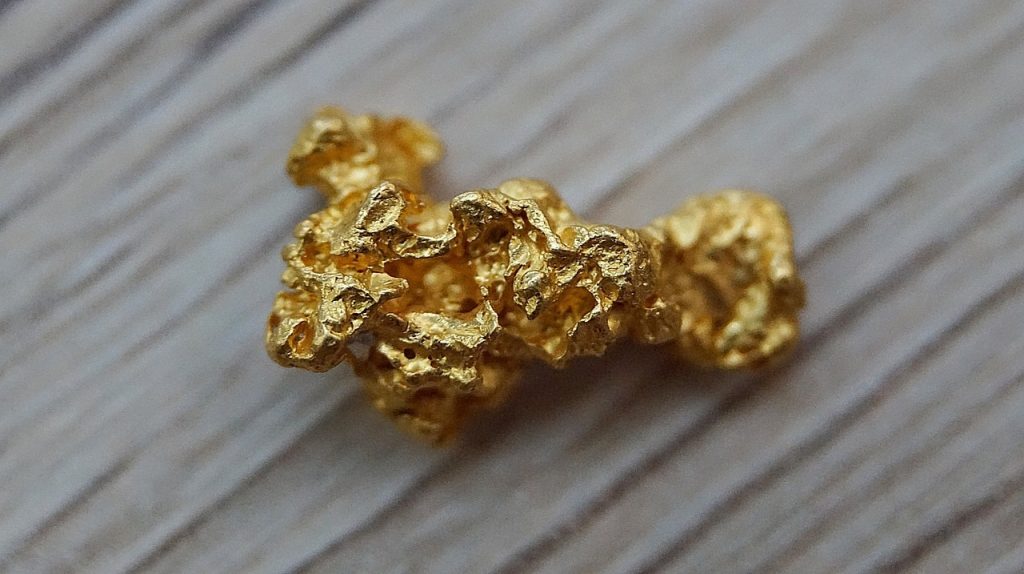
| Form | Raw gold, gold dust, dore bars | Refined bars and coins |
| Certification | May require additional testing | Typically certified |
| Refining Status | Often partially refined | Fully refined |
| Pricing Structure | Spot price adjusted for local factors | Spot price plus dealer premiums |
| Liquidity | Moderate | High |
Because of these differences, comparisons should focus on the total cost of ownership rather than headline prices alone.
Why African Gold May Be Offered Below International Market Levels
One of the most searched questions regarding gold price in Africa is why some suppliers advertise prices below international market levels.
Several legitimate factors may contribute:
Refining Costs Still Required
Raw gold often requires further processing before reaching investment-grade standards.
Wholesale Transactions
Large-volume transactions may be negotiated at different pricing structures than retail bullion sales.
Local Supply Conditions
Regions with significant gold production may experience competitive pricing among suppliers.
Transportation and Export Adjustments
Pricing structures may account for logistics arrangements that differ from those of international bullion dealers.
Investors should remember that extremely large discounts should be approached carefully and thoroughly verified through independent testing and documentation.
Is African Gold Cheaper Than International Gold?
The answer depends on how costs are measured.
At first glance, some forms of African gold may appear cheaper than internationally traded gold bars. However, investors should consider:
- Assay costs
- Refining expenses
- Export charges
- Insurance
- Freight costs
- Import duties
- Storage expenses
The true comparison should be based on the final delivered cost of verified gold rather than the initial quoted price.
Major Gold-Producing Countries in Africa
Several African nations play major roles in global gold production.
Ghana
Often referred to as Africa’s leading gold producer, Ghana has a long-established mining industry and export sector.
South Africa
Historically one of the world’s largest gold producers, South Africa remains an important participant in global gold markets.
Tanzania
Tanzania has significant gold reserves and continues to attract international mining investment.
Uganda
Uganda has become increasingly active in the regional gold trade and refining sector.
Democratic Republic of the Congo
The country possesses substantial mineral resources, including significant gold deposits.
These nations contribute significantly to the global supply chain and create opportunities for investors seeking exposure to the African gold market.
How to Verify African Gold Before Buying
Anyone seeking to buy gold from Africa should prioritize verification and due diligence.
Request an Assay Certificate
An assay report confirms gold purity and composition through laboratory testing.
Verify Export Documentation
Buyers should review:
- Export permits
- Certificates of origin
- Commercial invoices
- Tax clearance documents
- Shipping records
Conduct Independent Testing
Third-party laboratories can verify purity and weight before completing a transaction.
Use Professional Refineries
Refinery verification provides additional assurance regarding product quality and authenticity.
Risks of Comparing Prices Alone
Focusing solely on price can create unnecessary risks.
Common issues include:
Purity Differences
Gold with different purity levels cannot be directly compared without adjustment.
Hidden Charges
Shipping, insurance, taxes, and compliance costs may significantly affect final costs.
Documentation Issues
Incomplete paperwork can create customs and legal complications.
Fraud Risks
Investors should verify suppliers thoroughly and avoid transactions lacking transparency.
Successful gold investing requires evaluating the complete transaction rather than pursuing the lowest advertised price.
How International Buyers Calculate Real Gold Costs
Experienced investors analyze multiple factors before making purchasing decisions.
These include:
- Current gold spot price
- Assay and testing costs
- Refining expenses
- Export fees
- Freight charges
- Insurance
- Import duties
- Storage costs
This approach provides a more accurate comparison between African gold prices and international bullion prices.
Why Investors Continue to Buy Gold from Africa
Despite the complexities involved, many investors continue to buy gold from Africa because of several advantages.
Access to Gold-Producing Regions
Buyers gain exposure to primary production sources.
Growing Export Infrastructure
Many African countries have strengthened export procedures and compliance frameworks.
Portfolio Diversification
Physical gold remains a popular asset for diversification and wealth preservation.
Long-Term Demand
Global demand for gold continues to be supported by jewelry manufacturing, industrial applications, central bank purchases, and investment demand.
Investment Opportunities
The continent’s substantial gold reserves continue to attract international attention and investment.
Current Trends in the African Gold Market
The African gold sector continues to evolve.
Recent trends include:
- Increased international demand for physical gold
- Growth in refining capacity
- Expansion of export infrastructure
- Greater emphasis on compliance and traceability
- Rising interest from international investors
These developments continue to strengthen Africa’s role in the global gold supply chain.
Conclusion
Understanding the relationship between African gold vs international market prices is essential for anyone considering gold investments. While pricing differences exist due to refining requirements, logistics, certification, and market conditions, Africa remains one of the world’s most important sources of gold.
Successful investors focus on more than just price. They evaluate purity, documentation, compliance, shipping costs, and supplier credibility before making purchasing decisions. By conducting proper due diligence and working with professional gold suppliers, buyers can better navigate the opportunities available within the African gold market.
If you are considering purchasing raw gold, dore bars, or other gold products from Africa, it is important to work with suppliers who emphasize transparency, proper documentation, independent verification, and compliance with applicable regulations.
Buy Gold Bars Africa Limited welcomes inquiries from investors and gold buyers seeking information about African gold sourcing, export procedures, and available gold products.
Taking the time to verify every aspect of a transaction can help create a safer and more informed gold-buying experience while exploring the opportunities available in Africa’s growing gold sector.