What Is 24K Gold Used For? Every Major Use of Pure Gold Explained
Discover What Is 24K Gold Used For, from investment bars and coins to jewelry, electronics, and medical applications. Learn why pure gold is valued across industries worldwide.
24K gold — also written as 24 karat gold, .999 fine gold, or pure gold — is the highest purity form of gold available, containing roughly 99.9% gold with only trace amounts of other metals.
Because it’s so soft and malleable compared to lower-karat alloys like 18K or 22K gold, people searching “what is 24k gold used for” are often surprised to learn its biggest uses aren’t jewelry at all.
This guide breaks down exactly where pure gold ends up in the real world, from investment vaults to smartphone circuit boards to hospital operating rooms.
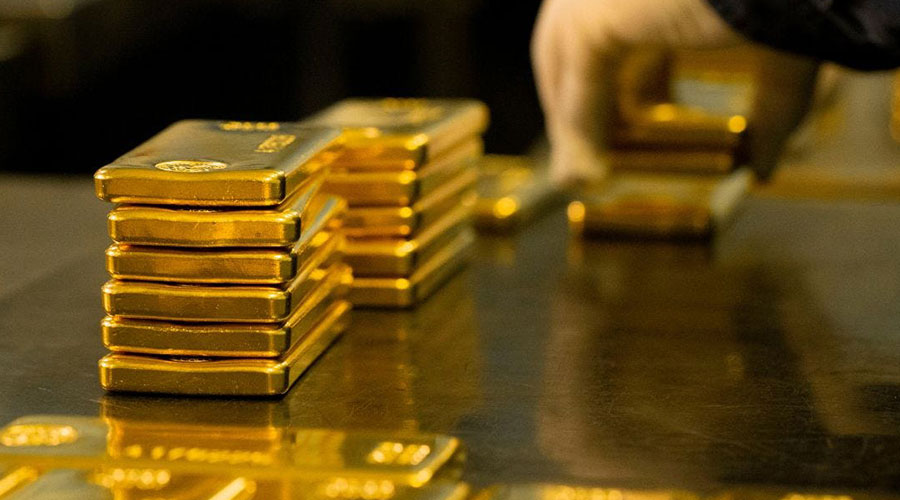
Investment: Gold Bars and Gold Coins
The single largest use of 24 karat gold worldwide is investment. Central banks, institutional investors, and individual savers hold 24K gold bars and coins specifically because .999 or .9999 fine gold is the recognised global standard for investment-grade gold bullion.
Bars from refiners on the London Bullion Market Association’s Good Delivery List are trusted internationally precisely because their purity is guaranteed at 99.99% or higher, making them easy to value, trade, and resell anywhere in the world.
24K gold coins — such as sovereign mint issues from various countries — serve the same purpose in smaller, more liquid denominations, letting investors buy and store wealth in units as small as a single gram.
This is why “24k gold bar price” and “24k gold coin investment” are among the most searched gold-related terms globally: pure gold remains one of the most widely trusted stores of value during currency instability, inflation, and market uncertainty.
Jewelry: Especially in Asian and Middle Eastern Markets
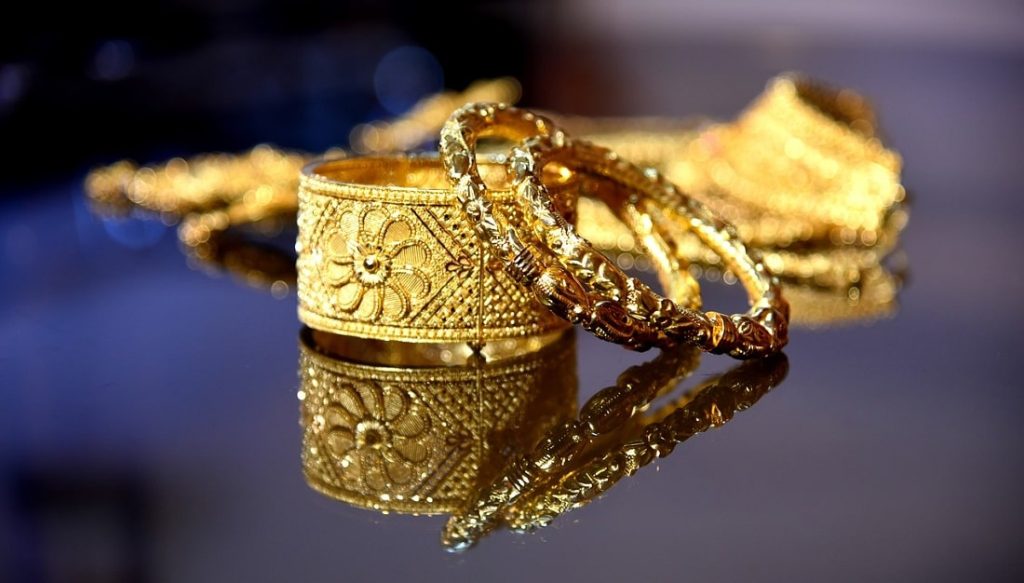
While Western jewelry markets often favor 18K or 14K gold for durability, 24K gold jewelry remains hugely popular across China, India, and the Middle East, where gold purity is closely tied to cultural and religious tradition.
In many of these markets, buyers specifically ask for “24 karat gold jewellery” because higher purity is seen as a more direct, honest store of wealth — jewelry that can be resold or melted down at close to its full gold value, rather than jewelry alloyed down with silver, copper, or zinc.
The tradeoff is durability: pure gold is soft enough to scratch and bend under everyday wear, which is why 24K pieces are more common in ceremonial jewelry, wedding sets, and gold coins worn as pendants than in items subjected to daily friction like rings.
Electronics: Connectors, Circuit Boards, and Semiconductors
One of the most overlooked answers to “what is 24k gold used for” is electronics manufacturing. Gold is an exceptional conductor of electricity and, critically, doesn’t corrode or tarnish the way cheaper metals do — a property that matters enormously in high-reliability electronics.
Gold-plated connectors, circuit board contacts, and semiconductor components all rely on thin layers of high-purity gold to maintain a stable, corrosion-free electrical connection over years or decades of use.
Smartphones, computers, and aerospace electronics all contain small amounts of gold for exactly this reason. It’s a small fraction of any single device’s total materials by weight, but at global manufacturing scale, electronics account for a meaningful share of total industrial gold demand each year — which is part of why “gold in electronics” and “gold recycling from circuit boards” are growing search categories as recyclers extract gold from discarded devices.
Dentistry: Crowns, Bridges, and Fillings
Gold dental work has a centuries-long history, and pure gold alloys are still used today in crowns, bridges, and inlays, particularly for molars where strength and biocompatibility matter more than cosmetic appearance.
Gold doesn’t corrode in the mouth, is well-tolerated by human tissue, and can be precisely shaped to fit a patient’s bite. While dental gold alloys are often mixed with other metals for hardness, pure or near-pure gold remains the base material prized for its biocompatibility — a niche but enduring answer to what pure gold gets used for outside of jewelry and investment.
Medicine: Diagnostics, Implants, and Drug Delivery
Beyond dentistry, gold in medicine shows up in several specialized applications. Gold nanoparticles are used in diagnostic test strips, including some rapid antigen and pregnancy tests, because gold’s chemical stability and distinctive color-change properties make it useful as a visual marker.
Gold compounds have also been used historically in treatments for rheumatoid arthritis, and gold-coated medical implants and stents are studied for their biocompatibility and resistance to corrosion inside the human body.
Aerospace and Defense: Heat Reflection and Reliability
Gold in aerospace applications takes advantage of two properties at once: its reliability as an electrical conductor and its effectiveness as a heat and radiation reflector.
Thin gold coatings are applied to visors on astronaut helmets and spacecraft components to reflect solar radiation and infrared heat, protecting both equipment and crew.
Satellites and other spacecraft also use gold-coated components and gold wiring in critical circuitry, since gold’s corrosion resistance is essential for equipment that can’t be repaired once in orbit.
Currency Reserves and Central Bank Holdings
Nations hold 24K gold reserves as part of their national wealth and monetary stability strategy. Central banks around the world maintain substantial gold reserves precisely because pure gold bars are internationally recognised, don’t degrade over time, and aren’t tied to any single country’s currency or economic policy — making them a hedge against currency devaluation and geopolitical risk.
This sovereign-level demand for pure gold bullion is a major driver of overall gold demand and price movement, distinct from consumer jewelry or industrial demand.
Awards, Ceremonial Objects, and Religious Artifacts
Pure gold’s rarity and permanence have made it the material of choice for high-status ceremonial and religious objects for millennia.
24K gold awards, trophies, religious icons, and ceremonial artifacts are often crafted from or plated with pure gold specifically because its unmatched purity signals maximum value and prestige — a tradition that continues in modern gold-plated trophies, commemorative coins, and religious ornamentation across many cultures.
Gold Plating and Thin-Film Coatings
Because pure gold is too soft for standalone structural use in many applications, a significant share of 24K gold demand goes toward gold plating — applying a thin layer of pure gold over a base metal like brass, silver, or steel.
This shows up in high-end jewelry with a gold-plated finish, plated electrical connectors, decorative architectural elements, and even gold leaf used in art restoration, bookbinding, and gilded ceremonial objects, where a small amount of pure gold delivers a durable, tarnish-resistant finish at a fraction of the cost of solid gold.
The Bottom Line on 24K Gold’s Uses
From central bank vaults to smartphone circuit boards, pure gold’s combination of rarity, conductivity, corrosion resistance, and cultural significance means its uses span far beyond the jewelry case most people picture first.
According to the World Gold Council, the industry body that tracks global gold demand, jewelry and investment together account for the large majority of annual gold demand worldwide, with technology, central bank purchases, and other industrial applications making up the remainder — a demand pattern that has stayed remarkably consistent even as the specific technologies using gold have evolved.