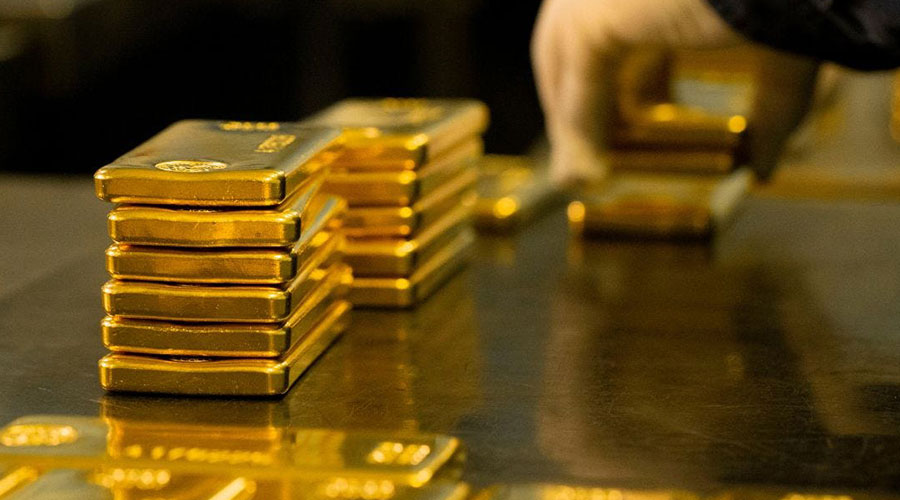
Why Cheap African Gold Offers Can Be Dangerous
A gold offer priced well below the live spot price is not a bargain, it is the single most reliable warning sign of fraud. Today, spot gold price is about $4,284.20 per ounce ($137.74 per gram). No licensed dealer can profitably sell meaningfully below that, so an offer of, say, half the market price is not “direct from Africa” savings, it is bait.
INTERPOL’s Operation Red Card 2.0, run between December 2025 and January 2026, uncovered gold and investment fraud linked to over $45 million in losses and identified more than 1,200 victims, and a Canadian buyer was reported to have lost $700,000 to a fake gold bar scheme in September 2026 alone.
This guide explains why cheap African gold offers are dangerous, how the scams actually work, and how to verify a seller before you send any money.
The Core Problem: Gold Has One Real Price
Gold is a globally traded commodity. Every legitimate dealer, whether in Kampala, Accra, or London, prices from the same benchmark spot rate, then adds a premium for refining, assay, logistics, and margin. That premium typically runs from about 1% on large bars to 8 to 10% on small ones.
There is no legitimate supply chain, “mine-direct” or otherwise, that lets a real seller offer 24K gold at 30, 50, or 70% below spot and still turn a profit.
When you see that gap, the explanation is never a great deal. It is one of three things: the gold does not exist, the gold is fake, or the price is a lure for an upfront fee that will never lead to delivery.
How the Advance-Fee Gold Scam Works
This is the dominant fraud pattern in African gold offers, and it follows a consistent script:
- The hook. A seller offers gold, often described as doré bars, nuggets, or bulk kilos, at a price well under spot, along with claims of urgency (“limited quantity,” “government auction,” “mine closing”).
- The first fee. Before any shipment, the buyer is asked to pay a “routine” cost: assay testing, insurance, a security escort, export tax, or a compliance deposit.
- The escalation. Once paid, a new obstacle appears, a customs hold, a second permit, a “release fee” at the airport, and another payment is requested.
- No delivery. The cycle repeats until the buyer stops paying or runs out of money. The gold never arrives, because it never existed.
Fraud-pattern researchers describe this as the most common African gold fraud structure by a wide margin, precisely because each fee is framed as the last obstacle before the buyer finally gets their gold.
Other Common Variants
- Fake or counterfeit gold. Bars made of tungsten, brass, or gold-plated base metal, sometimes shown to buyers only briefly or via video, never released for independent testing.
- Forged certificates. Convincing-looking assay reports and certificates of origin with fabricated lab names or copied letterheads.
- Fake government officials. Scammers claim ministry or customs involvement to make the deal look official and discourage independent checks.
- “Gold stuck in storage or customs.” Any story where your gold is supposedly already secured but needs a payment to be released is a variant of the advance-fee scam, not a separate risk.
- Manipulated escrow. Funds are placed into an “escrow” account that is secretly controlled by the fraud network, not a neutral third party.
- Fake trading companies. Professional-looking websites and documents, sometimes built quickly with AI tools, that mimic a real export business.
Why Africa Specifically Gets Targeted
Africa produces a large share of the world’s gold, and much of it moves through informal artisanal channels rather than large, publicly listed mining companies.
That combination, real gold, weak formal documentation in parts of the supply chain, and buyers eager for a discount, is exactly what scammers exploit. It does not mean African gold itself is untrustworthy; it means buyers need to verify the seller and the documentation, not the continent. Our guide on where to buy gold in Africa covers legitimate sourcing routes.
Red Flags to Check Before You Pay
- Price far below spot. Compare any quote to the live spot price. A gap larger than a few percent below spot has no honest explanation.
- Any request for payment before delivery. Assay fees, insurance, “release” charges, customs, or taxes requested upfront are the clearest single signal of fraud. Legitimate exporters build these costs into the quoted price or collect them alongside delivery, not as a prerequisite for it.
- Pressure and urgency. “Today only,” “the mine is closing,” or “another buyer is waiting” is designed to stop you from checking.
- Unverifiable documents. A licence number, assay certificate, or government letter that the issuing authority cannot confirm when you call them directly.
- Cash-only or untraceable payment. Requests for Western Union, gift cards, or cryptocurrency with no recourse if something goes wrong.
- No independent testing allowed. A legitimate seller lets you test the gold, or have it tested by a third party you choose, before final payment.
- Refusal to meet at a registered business address. Deals conducted only over WhatsApp or email, with no verifiable physical premises.
How to Verify a Seller Before You Pay
- Check the licence independently. Contact the issuing ministry or regulator yourself. Do not rely on a scanned document the seller emails you.
- Get an assay certificate with a matching serial number, and where possible use a third-party lab of your choosing.
- Compare the quote to live spot, and treat any premium below about 1% or above about 10% as worth questioning.
- Start small. A first-time buyer should test the relationship with a small order before committing to a bulk purchase. See our bulk order guide for how legitimate large orders are structured, with escalating trust rather than upfront payment.
- Use traceable payment, ideally a bank transfer to a verified business account, and keep every document.
- Read the legal requirements for your specific transaction: our guide to the legal requirements to buy gold bars from Africa and the full safe buying checklist walk through this step by step.
If You’ve Already Been Targeted
- Stop paying immediately. A second or third fee will not unlock the gold.
- Do not send more money to “recover” a previous payment. Recovery scams targeting past victims are common.
- Report it. Contact your local police, your country’s fraud reporting service (for example, the FBI’s IC3 in the US or Action Fraud in the UK), and INTERPOL. Funds are rarely recovered, but reporting helps investigators build cases against repeat networks.
- Warn others. Scam networks reuse the same names, phone numbers, and document templates across multiple victims.
What a Legitimate Offer Looks Like
A real, licensed exporter will:
- Quote a price within a small, explainable premium over live spot (Buy Gold Bars Africa quotes 1 to 3% over LBMA spot)
- Let you verify their licence directly with the issuing authority
- Provide an assay certificate with a serial number matching the physical bar
- Allow independent testing before final payment
- Never ask you to pay a fee before, or in place of, delivering the actual gold
- Operate from a real, checkable business address
Compare that against any offer you receive. If it falls short on more than one point, walk away.
Why Cheap African Gold Offers Can Be Dangerous: FAQs
Why is gold offered far below spot price always a scam? Because no legitimate dealer can buy, refine, insure, and ship gold for less than it costs on the open market and still turn a profit. A price far below spot only makes sense if the gold doesn’t exist, is fake, or is bait for an upfront fee.
What is the advance-fee gold scam? A fraud pattern where a seller demands a series of “necessary” payments, such as assay, insurance, customs, or a release fee, before ever delivering gold. Each fee is framed as the final step, but the gold never arrives.
How much money has been lost to African gold scams recently? INTERPOL’s Operation Red Card 2.0 (December 2025 to January 2026) uncovered fraud linked to over $45 million in losses and more than 1,200 identified victims across multiple scam types, including gold fraud.
Is all cheap African gold fake? Not necessarily, but a price significantly below spot is the clearest single warning sign, whatever the seller’s explanation. Legitimate mine-direct sourcing can reduce cost compared with retail markets, typically by a few percentage points, not by half.
Can I get my money back after an advance-fee scam? It’s difficult. Law enforcement agencies note that funds are almost never recovered once sent, which is why verification before payment matters far more than recovery after the fact.
How do I check if a gold export licence is real? Contact the issuing government ministry or regulator directly, using contact details you find independently, not ones provided by the seller.
Buy From a Verified, Licensed Exporter
Buy Gold Bars Africa Ltd is a licensed exporter based in Kampala, Uganda, holding a Mineral Dealer’s Licence from Uganda’s Ministry of Energy and Mineral Development (UMEMD).
We quote against live spot, provide independent assay certificates, and let you verify everything before you pay. Contact us, message us on WhatsApp at +256 707 585144, or read about our company.