1 oz Gold Bar for Sale in Canada from Africa: Buying Guide
1 oz Gold Bar for Sale Canada: You can buy a 1 oz gold bar in Canada from an African gold supplier by choosing a verifiable seller, confirming the bar’s gold purity and refinery, and ensuring that the purchase meets Canadian import requirements.
Before placing an order, compare the live gold price in Canadian dollars (CAD), the supplier’s premium, international shipping, insurance and any applicable import charges to establish the total delivered cost.
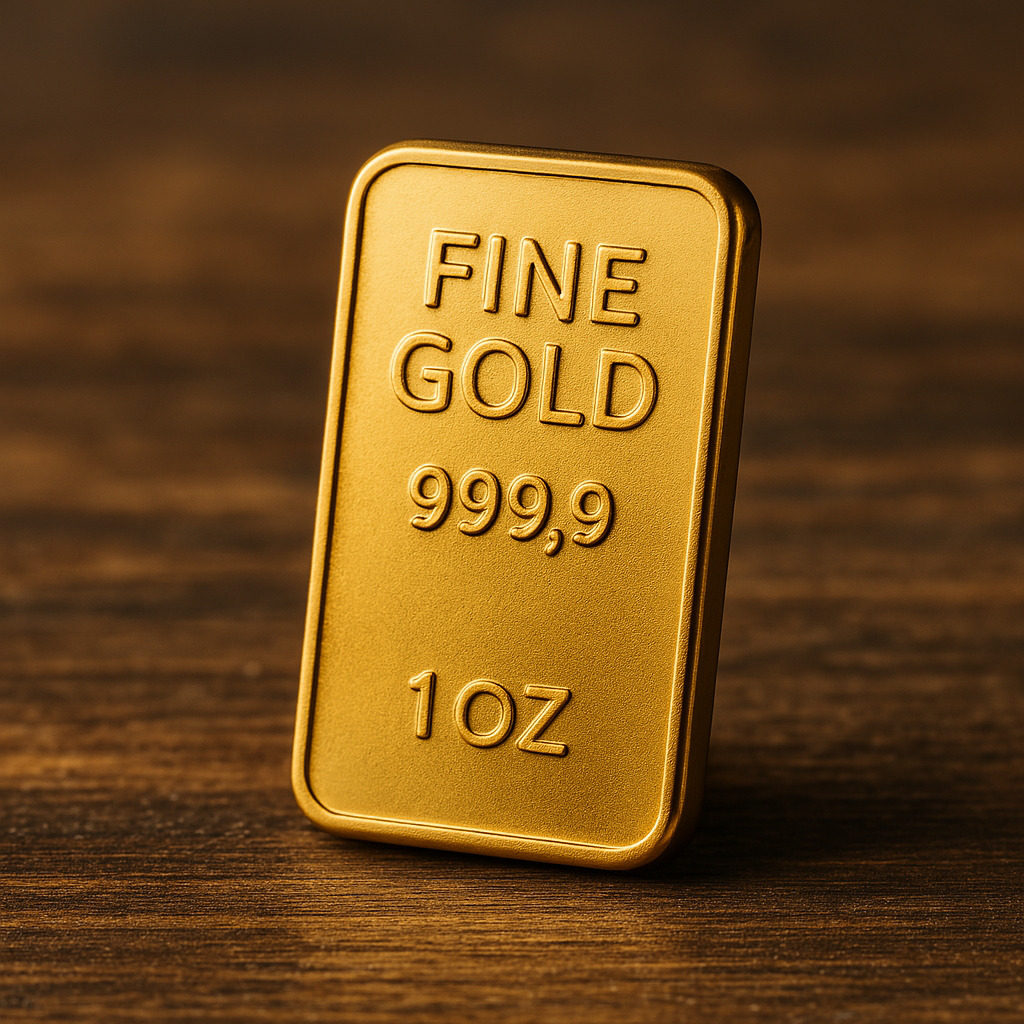
A 1 oz gold bar contains one troy ounce (31.1035 grams) of gold and is a popular investment option because of its convenient size, recognised weight and relatively straightforward valuation.
Canadian buyers in Toronto, Vancouver, Calgary, Montreal, Ottawa and other cities can compare internationally refined bullion with gold bars offered by African suppliers.
Buy Gold Bars Africa Ltd provides a potential sourcing route for buyers interested in African gold. However, before purchasing, independently verify the specific bar’s availability, fineness, refinery or producer, assay documentation, legal origin, export authorisation and shipping arrangements. Do not assume that African origin automatically means a lower price or better investment value.
This guide explains how to buy a 1 oz gold bar in Canada from Africa, how to compare prices and Africa gold supplier premiums, how to verify gold bar authenticity, and what Canadian buyers should understand about customs, import documentation, taxes and secure international delivery.
Live 1 oz Gold Bar Price in Canada Today
How much should you pay for a 1 oz gold bar?
The spot price represents the market value of the gold content. The actual retail price of a finished bar normally includes a premium reflecting refining, manufacturing, distribution, dealer margins, and other costs.
When comparing an African supplier with a Canadian bullion dealer, calculate the complete landed cost:
- Gold purchase price.
- International transport and specialist precious-metals insurance.
- Currency conversion and bank transfer charges.
- Customs brokerage and handling fees.
- Any applicable duties or taxes.
- Delivery charges and other contractual fees.
For example, if a hypothetical one-ounce bar has a spot value of C$5,750 and a supplier charges C$5,980, the premium is C$230, or approximately 4.0% above spot, before any additional delivery charges.
Do not assume that buying directly from Africa guarantees a saving. An international shipment may cost more than purchasing an established refinery bar from a Canadian dealer, particularly for a single-ounce order.
Comparing African Gold Bars with Canadian Dealers
Canadian investors can compare internationally recognised refinery products with bars offered by overseas suppliers. The important distinction is not simply where the gold was mined, but who refined it, how its purity was established, and whether the finished product is readily accepted in the Canadian bullion market.
| Buying option | What to compare |
|---|---|
| African gold supplier | Supplier identity, legal origin, refinery, assay records, export permits, shipping and insurance |
| TD Precious Metals | Current selling price, payment-specific pricing, availability and delivery |
| Royal Canadian Mint products | Product specifications, current retail price, availability and resale terms |
| Established Canadian bullion dealers | Brand recognition, buyback price, premium, shipping and authentication requirements |
| International bullion platforms | Currency conversion, international shipping, insurance, import procedures and return policy |
For a fair comparison, obtain written quotations for the same weight, fineness, refinery brand and delivery conditions. Compare the supplier’s total delivered price with the Canadian dealer’s final checkout price—not just the headline price or advertised premium.
Specifications of a 1 oz Gold Bar
A one-troy-ounce gold bar is a convenient format for investors who want to hold physical gold without purchasing a larger bar. Specifications vary by manufacturer, so confirm the details for the exact product being offered.
| Specification | What to look for |
|---|---|
| Gross weight | 1 troy ounce, approximately 31.1035 grams |
| Gold purity | Commonly 999.9 fine, equivalent to 99.99% gold |
| Alternative purity | 999 fine, equivalent to 99.9% gold |
| Serial number | Present on many minted bars, depending on the product |
| Refinery mark | Identifies the manufacturer or refiner |
| Fineness marking | Indicates the stated gold purity |
| Packaging | May include a sealed assay card or protective packaging |
| Assay documentation | Product-specific certificate or independent laboratory report, where applicable |
| Refinery recognition | Independently verify the refinery’s credentials and market acceptance |
Important: A bar’s weight, dimensions, serial number, hallmark, and purity should match its manufacturer’s specifications. A certificate or sealed package is useful evidence, but neither alone proves that the physical bar is genuine.
What does LBMA accreditation mean?
The London Bullion Market Association maintains Good Delivery standards for gold and silver bars traded in the wholesale bullion market. Its Good Delivery List identifies refiners whose qualifying production meets its requirements.
However, LBMA Good Delivery accreditation applies to qualifying bars in the relevant wholesale format. It should not automatically be interpreted as certification of every retail one-ounce product from a refinery.
If a seller advertises a one-ounce bar as LBMA-certified, ask for the exact refinery name, the relevant accreditation details, and evidence supporting the claim. You should also confirm whether your prospective Canadian dealer will purchase that particular product and whether additional testing is required.
Why Canadian Investors Buy 1 oz Gold Bars
1. Convenient investment size: A one-ounce bar offers a practical way to acquire physical gold without purchasing a 100-gram or one-kilogram bar. It can also make it easier to sell part of a larger holding rather than liquidating all your gold at once.
2. Straightforward valuation: Gold bars can generally be valued by multiplying their fine-gold content by the relevant market price, then accounting for the dealer’s buyback premium or discount and any applicable transaction costs.
3. International market recognition: Bars from established, recognised refiners may be easier for bullion dealers to authenticate and resell. Acceptance is not universal, however. Some dealers may require additional verification for unfamiliar brands, foreign suppliers, or bars without recognised packaging and documentation.
4. Portfolio diversification: Physical gold provides exposure to the gold market without requiring an investor to own mining shares or a gold-backed exchange-traded product. Its market value can rise or fall, and storage, insurance, transaction costs, and resale spreads affect the overall investment outcome.
Where African Gold Bars Come From
African countries have established mining industries and significant gold resources. However, the origin of mined gold and the identity of the refinery that produced a finished bullion bar are different things.
South Africa
South Africa has a long-established gold mining and refining industry. Buyers considering South African products should check the named refinery, the bar’s specifications, and the refinery’s current accreditation status.
Rand Refinery is a well-known South African precious-metals refiner. Buyers interested in its products should verify the exact bar and the current market acceptance of that product rather than relying on a general claim about African gold.
Uganda
Uganda participates in regional gold trading and has attracted investment in gold processing and refining. Anyone purchasing a bar claimed to originate from Uganda should verify the exporting entity, legal export documentation, the refinery or manufacturer, and the gold’s traceable legal origin.
Do not treat a supplier’s claim of government licensing or an independent assay as independently verified until you have checked the underlying records.
Ghana
Ghana is one of Africa’s established gold-producing countries. Buyers considering Ghanaian gold should verify the applicable export authorisation, the legal status of the seller, the documentation required under current Ghanaian law, and the identity of the refinery responsible for any finished bar.
Tanzania
Tanzania has a significant gold mining sector. For gold sourced from Tanzania, verify the exporter’s authorisation, the legal provenance of the material, the assay evidence, and the applicable export requirements.
For every country, distinguish the mine of origin, the country of export, and the country where the bar was refined. These can be three different places.
Documents to Request Before Buying a 1 oz Gold Bar from Africa
Before paying an overseas supplier, ask for the documents relevant to the specific product and shipment.
- Commercial invoice: Identifies the buyer and seller, product description, weight, fineness, purchase price, currency, and transaction terms.
- Assay report or certificate: Provides evidence of the bar’s stated purity and identifies the laboratory or refinery responsible for the result.
- Refinery and serial-number information: Allows you to check the product against the manufacturer’s records where such verification is available.
- Proof of legal origin: Supports the declared source of the gold and its lawful entry into the supply chain.
- Export authorisation: Demonstrates that the shipment is authorised under the applicable exporting country’s rules.
- Packing list: Identifies the contents of the shipment where required.
- Shipping and insurance documents: Specify the carrier, tracking arrangements, insurance coverage, and the party responsible for any loss in transit.
- Import and customs information: Supports the import declaration and any checks required by Canadian authorities.
A certificate of origin, assay report, or export permit serves a different purpose. No single document substitutes for all the others.
Where a supplier claims that SGS, Bureau Veritas, or another independent organisation tested a bar, verify the report directly with the issuing organisation using its official contact channels. Do not rely exclusively on a PDF or image provided by the seller.
Importing a 1 oz Gold Bar into Canada
Importing gold from Africa involves both the exporting country’s requirements and Canadian import rules. The exact process depends on the product, the importer, the country of origin, and the shipment arrangements.
Step 1: Verify the supplier
Confirm the seller’s registered legal identity, physical business address, relevant licences, bank-account ownership, and reputation. Verify regulatory credentials directly with the issuing authority.
Be particularly cautious if a seller promises unusually low prices, guaranteed investment returns, or immediate shipment without adequate documentation.
Step 2: Verify the bar and its legal origin
Request the product specifications, available assay evidence, refinery details, and proof of legal provenance. Confirm that the documents match the actual bar being offered and the exporter named in the transaction.
Step 3: Agree on the full purchase terms
The written contract should specify the product, weight, purity, price, currency, payment method, shipping arrangements, insurance, delivery deadline, and remedies if the shipment is delayed, lost, or does not conform to the agreed specifications.
For international shipments, make sure the contract clearly allocates responsibilities for export clearance, freight, insurance, customs declarations, and delivery.
Step 4: Confirm export and import requirements
Before sending payment, confirm the current gold-export requirements with the relevant authority in the African exporting country. Separately, check Canadian customs and tax requirements with the Canada Border Services Agency (CBSA) and the Canada Revenue Agency (CRA), as applicable.
Step 5: Arrange secure transportation
Use a carrier that explicitly accepts precious metals and provides suitable security and insurance. Do not assume that every standard express courier accepts gold bullion or covers its full value under ordinary shipping insurance.
Obtain written confirmation of coverage, exclusions, claims procedures, and the point at which responsibility for loss transfers between the seller and buyer.
Step 6: Complete customs clearance and retain records
Ensure that the shipment is accurately described and declared, and that the required documents accompany the import declaration. Keep the commercial invoice, proof of payment, assay documentation, shipping records, and customs paperwork for your files.
Delivery times depend on export clearance, carrier availability, routing, customs examination, and documentation. Do not treat a quoted transit estimate as a guarantee.
GST/HST on Investment Gold Imported into Canada
Canadian tax treatment depends on the product’s form and purity. Under the CRA’s definition, qualifying gold bars, ingots, and wafers must generally have a purity of at least 99.5% and meet the applicable recognition and marking requirements to qualify as precious metals for GST/HST purposes.
Qualifying precious metals imported into Canada are generally non-taxable imports under the relevant rules. This means eligible investment-grade gold bars may be imported without GST/HST, but the treatment should not be generalised to every gold product, jewellery item, gold granule, or other gold-bearing material.
Before importing, verify that your particular bar meets the relevant definition and that the shipment is correctly documented.
Official reference: CRA guidance on the definition of precious metals.
Capital Gains Tax on Gold Bars in Canada
Selling physical gold for more than its adjusted cost base may result in a taxable capital gain. The applicable treatment depends on your circumstances and whether the gold is held as a capital investment or as inventory in a business.
For individuals, the currently enacted general capital gains inclusion rate is 50%. The Canadian government announced in 2025 that it would not proceed with the proposed increase to the inclusion rate.
For example, suppose you purchase a one-ounce bar for C$5,980 and later sell it for C$6,700. Ignoring transaction costs and other adjustments, the gain is C$720. At a 50% inclusion rate, C$360 would generally be included in taxable income.
This does not mean you pay C$360 in tax. The included amount is subject to your applicable income tax rate, and your actual tax treatment may differ depending on your circumstances.
Maintain records of the purchase price, acquisition date, eligible transaction costs, serial number where applicable, and sale proceeds. Consult the CRA or a Canadian tax professional if you are uncertain about the treatment of your gold holdings.
Official reference: CRA capital gains guidance.
FINTRAC and Precious-Metals Transactions
FINTRAC requirements depend on the nature of the transaction and whether the person or business involved is a reporting entity under Canadian anti-money-laundering legislation.
For example, dealers in precious metals and precious stones have specific identity-verification and record-keeping obligations for certain transactions, including qualifying large cash transactions. A private buyer should not assume that every gold purchase automatically triggers the same reporting obligation.
Use traceable, properly documented payment methods, retain transaction records, and follow any applicable identity-verification or reporting requirements.
Official reference: FINTRAC guidance for dealers in precious metals and precious stones.
How to Buy a 1 oz Gold Bar from Buy Gold Bars Africa Ltd
If you are considering Buy Gold Bars Africa Ltd as your supplier, use a verification-first process before committing funds.
- Request a current written quotation. Ask for the exact bar, refinery, fineness, price in CAD or USD, quote expiry, shipping charges, insurance costs, and final delivered price.
- Verify the available inventory. Request current product details and evidence that the specific bar is available for sale.
- Check the documentation independently. Verify the seller’s legal identity, relevant export authorisations, assay reports, and refinery credentials through official channels.
- Review the contract. Confirm the payment terms, delivery timeline, refund conditions, insurance arrangements, and remedies for non-delivery or a non-conforming product.
- Confirm the carrier and coverage. Obtain written confirmation that the carrier accepts bullion and that the insurance covers the agreed value and route.
- Compare the total cost. Calculate the complete landed cost and compare it with the current price of an equivalent bar from a Canadian dealer.
- Pay only after due diligence. Confirm that the payment beneficiary matches the verified contractual seller or an appropriately documented authorised payment arrangement.
Do not assume that a supplier’s stated licensing, refinery relationships, independent certification, escrow arrangements, or delivery history has been verified simply because it appears in a sales description. Confirm each material claim before sending funds.

FAQs 1 oz Gold Bar for Sale Canada
Can I buy a 1 oz gold bar from Africa and have it delivered to Canada?
Yes, international purchases may be possible when the seller, shipment, and product comply with the relevant export, transport, customs, and import requirements. Verify the supplier, legal origin, assay documentation, carrier arrangements, and Canadian import requirements before payment.
Are African gold bars accepted by Canadian bullion dealers?
Acceptance depends on the refinery, product, purity, condition, and the dealer’s authentication policy. Bars from recognised refiners may be easier to resell, while unfamiliar products may require additional verification. Ask the intended resale dealer about its buyback policy before purchasing.
Are qualifying 1 oz gold bars GST/HST-exempt in Canada?
Qualifying investment-grade gold bars generally meet the Canadian precious-metals purity threshold of at least 99.5%, along with other applicable requirements. Eligible precious metals imported into Canada are generally non-taxable under the relevant import rules. Confirm the treatment of the exact product and transaction.
How long does delivery from Africa to Canada take?
There is no universal delivery timeline. Export clearance, routing, carrier procedures, customs review, and documentation can all affect transit. Obtain a written estimate from the carrier and clarify when the shipment is considered delivered under the purchase contract.
Should I buy directly from an African supplier or from a Canadian dealer?
Compare the final delivered cost, refinery recognition, supplier credibility, shipping and insurance, resale acceptance, and the time required to receive the bar. A direct import may be worthwhile in some circumstances, but a Canadian dealer may offer simpler delivery, clearer returns, and easier after-sales support.
Get a Quote for a 1 oz Gold Bar for Delivery to Canada
If you are considering an African gold supplier, request a current quotation and verify the product before committing to a purchase.
Buy Gold Bars Africa Ltd
- Website: buygoldbarsafrica.com
- Telephone / WhatsApp: +256 707 585144
Ask for the current price, exact refinery and product specifications, supporting assay documentation, export authorisation, complete shipping and insurance costs, and the total delivered price in Canadian dollars.
The right purchase is not necessarily the bar with the lowest advertised price. It is the bar whose authenticity, legal origin, total cost, delivery arrangements, and resale prospects you can independently verify.

