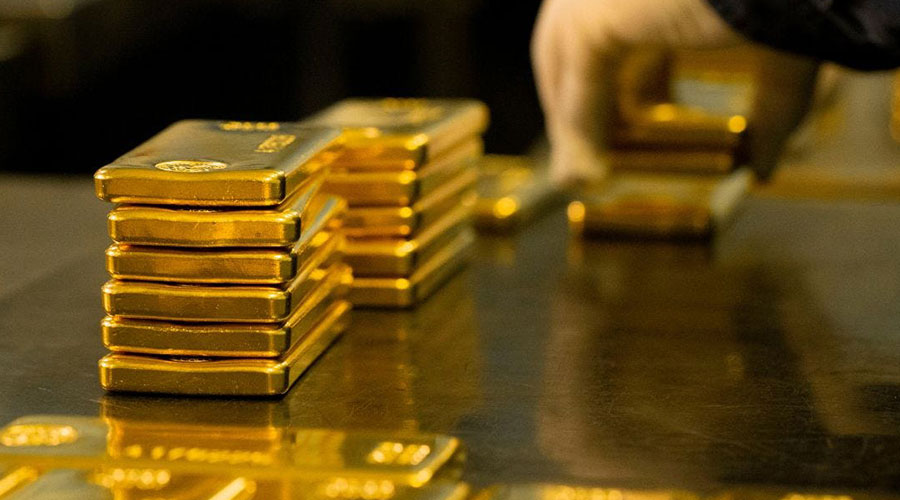
Understanding 10K Gold in 2026: Price, Color, Purity, Value.
10K gold is the most misunderstood and most underestimated category in the gold market — simultaneously the most affordable legal gold you can own, the most durable gold for everyday jewellery, and a genuine store of value that has appreciated alongside every other karat tier through gold’s extraordinary 2025–2026 bull market.
As of May 8–10, 2026, the 10K gold price per gram is $63.04 USD — up from approximately $48.70/gram when the old version of this article was written and up significantly from the $60.58–$63.63/gram range seen over the past seven days.
With the LBMA gold spot price at $4,740.37/oz ($152.41/gram for 24K) as of May 8, 2026, and gold having reached an all-time record of $5,602.22/oz on January 28, 2026, understanding the 10K gold price, 10K gold purity, 10K gold color, and how 10K compares to 14K, 18K, and 24K gold is more financially important than at any previous moment.
This comprehensive 2026 guide covers everything about 10 karat gold — what it is, how it is made, what it is worth today, how to identify authentic pieces, when to buy, when to sell, how to care for it, and where Buy Gold Bars Africa Ltd fits for buyers seeking the most cost-effective entry into Africa’s mine-direct gold market.
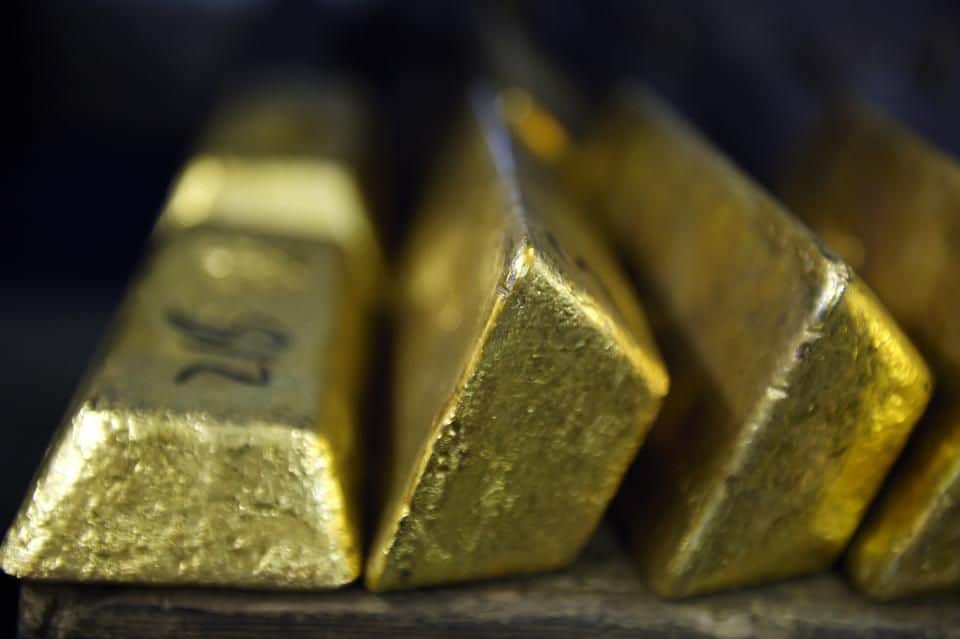
What Is 10K Gold? Purity, Composition and Hallmarks Explained
10K gold, also written as 10 karat gold, contains 41.7% pure gold by weight — calculated as 10/24 × 100. The remaining 58.3% consists of base metals including copper, silver, zinc, nickel, or palladium, depending on the manufacturer’s proprietary alloy formula.
This 41.7% gold content is the defining characteristic of 10K gold and explains both its affordability (lower gold content = lower cost per gram) and its exceptional durability (more base metals = harder, more scratch-resistant metal).
In the United States, 10K is the minimum karat legally allowed to be marketed as “gold” jewellery under Federal Trade Commission regulations and the National Conference on Weights and Measures (NCWM) guidelines. Items stamped with “10K,” “10Kt,” “10KP,” or the European millesimal fineness mark “417” (representing 41.7% gold content) are legally confirmed as genuine gold jewellery in the US market.
The 10K Gold Alloy Formula
The exact alloy composition of 10K gold varies by manufacturer and target colour, but standard formulas follow these patterns:
10K Yellow Gold: ~41.7% gold (Au), ~15% copper (Cu), ~10% silver (Ag), ~33.3% zinc (Zn) — the classic warm-toned formula
10K White Gold: ~41.7% gold, with 10–15% nickel or palladium for whiteness, plus zinc and silver — creates the silvery appearance
10K Rose Gold: ~41.7% gold, with boosted copper content of 20–25% — the elevated copper creates the distinctive pinkish-red tone
10K Green Gold: ~41.7% gold with higher silver content and minimal copper — produces a subtle greenish-yellow hue
The alloying process works through solid-solution strengthening: base metal atoms occupy the spaces between gold atoms in the crystal lattice, creating a material significantly harder than pure gold.
This is why the Vickers hardness of 10K gold (120–150 HV) is dramatically greater than pure 24K gold’s hardness of just 25–30 HV — making 10K approximately five times more scratch-resistant than investment-grade 24K bars.
10K Gold Price Today — Live USD Rates (May 2026)
The current 10K gold price per gram is calculated by applying the karat purity fraction to the LBMA spot price:
10K gold price formula: Spot price per gram × (10/24) = 10K melt value per gram
At the May 8–10, 2026 LBMA spot of $152.41/gram (24K):
- 10K gold melt value = $152.41 × 0.4167 = $63.50/gram
- Confirmed live market rate: $63.04/gram (May 8, 2026)
10K Gold Price Table
| Weight | 10K Melt Value (USD) | Retail Jewellery Price (USD) | Scrap Buy Value (USD) |
|---|---|---|---|
| 1 gram | $63.04 | $75–$130 | $44–$58 |
| 5 grams | $315.20 | $375–$650 | $220–$290 |
| 10 grams | $630.40 | $750–$1,300 | $440–$580 |
| 20 grams | $1,260.80 | $1,500–$2,600 | $880–$1,160 |
| 50 grams | $3,152.00 | $3,750–$6,500 | $2,200–$2,900 |
| 100 grams | $6,304.00 | $7,500–$13,000 | $4,400–$5,800 |
| 1 troy oz (31.1g) | $1,961.54 | $2,334–$4,043 | $1,369–$1,804 |
10K Gold Scrap Price Per Gram Today
When selling 10K gold as scrap, dealers pay a percentage of the melt value depending on their refining costs and margin:
- Online gold buyers: 85–95% of melt value = approximately $53.58–$59.89/gram
- Local jewellers: 70–85% of melt value = approximately $44.13–$53.58/gram
- Pawn shops: 50–70% of melt value = approximately $31.52–$44.13/gram
A typical 10-gram 10K gold necklace is worth approximately $630–$632 in melt value at current prices — compare with the old article’s $243.50 estimate at outdated spot prices.
Gold Karat Price Comparison
| Karat | Purity | Per Gram (USD) | Per Ounce (USD) | Per kg (USD) |
|---|---|---|---|---|
| 10K | 41.7% | $63.04 | $1,960.54 | $63,040 |
| 14K | 58.5% | $89.16 | $2,773.75 | $89,160 |
| 18K | 75.0% | $114.31 | $3,556.23 | $114,310 |
| 22K | 91.6% | $139.51 | $4,340.88 | $139,510 |
| 24K | 99.9% | $152.41 | $4,740.37 | $152,410 |
10K Gold Purity: What 41.7% Gold Content Really Means
10K gold purity — 41.7% gold content — is both the product’s defining characteristic and the most common source of buyer confusion. Understanding what 41.7% gold content means in practical terms demystifies both the pricing and the quality considerations:
It means 4.17 grams of pure gold in every 10 grams of metal. A 10-gram 10K gold ring contains exactly 4.17 grams of 24K gold plus 5.83 grams of base metals. The ring’s melt value is therefore: 4.17 grams × $152.41 (24K spot) = $635.55.
It means the hallmark “417” in European markets. The millesimal fineness system expresses gold purity in parts per thousand: 41.7% = 417 parts per thousand. When you see “417” stamped on a ring or bracelet, you are looking at 10K gold.
It means 10K is the legal floor for “gold” in the United States. Under FTC regulations, any item marketed as “gold jewellery” in the US must contain at least 41.7% pure gold. Items with lower gold content — gold-filled, gold-plated, gold vermeil — cannot be called simply “gold” by law.
It means the hardness-purity trade-off is maximized. Because 10K contains the highest proportion of base metals of any legally designated gold karat, it is the hardest and most scratch-resistant.
A 10K ring withstands 2–3 times more abrasion than an 18K ring of identical geometry — a significant practical advantage for rings, bracelets, and other wearable pieces subject to daily friction.
10K Gold Color: How It Looks and Why
10K gold colour is paler and more subdued than higher-karat golds — a natural consequence of the 58.3% base metal content diluting the characteristic yellow of pure gold.
Understanding what colour is 10K gold across its variants helps buyers choose the right product for their aesthetic preferences:
10K Yellow Gold Colour
Standard 10K yellow gold has a pale, buttery yellow hue — sometimes described as “champagne gold” or “muted gold.” It is visibly less vibrant than 14K yellow gold (which appears warmer and richer) and considerably less saturated than 18K yellow gold (which approaches pure gold’s characteristic deep yellow).
Whether this paler tone is a disadvantage depends on design intent. For contemporary minimalist jewellery, 10K yellow gold’s subtlety is an aesthetic asset. For traditional jewellery buyers seeking the deep yellow associated with luxury pieces, 14K or 18K gold may better match expectations.
10K White Gold Colour
10K white gold contains 41.7% gold plus nickel or palladium alloys that create a silvery white appearance. White 10K is typically rhodium-plated to enhance brilliance and protect against the base metal tarnishing the surface.
The rhodium plating needs periodic renewal (typically every 1–3 years with daily wear) — a maintenance consideration unique to white gold across all karat levels.
10K Rose Gold Colour
10K rose gold achieves its distinctive pinkish-red tone through elevated copper content (20–25% in the alloy formula). Because 10K rose gold contains more copper than 14K gold or 18K rose gold equivalents, its rose tone is typically more pronounced — making 10K rose gold a particularly distinctive choice for buyers who want the rose gold aesthetic at its most vivid expression.
Is 10K Gold Good Quality? The Honest 2026 Answer
The question “is 10K gold good quality?” deserves a direct, nuanced answer rather than marketing deflection. The truth is context-dependent:
10K gold is excellent quality for everyday durability. Its high base metal content produces a Vickers hardness of 120–150 HV — compared to 18K’s 80–110 HV and 24K’s 25–30 HV.
For rings, bangles, and bracelets worn daily, 10K gold will show less wear over 10 years than the same piece in 18K. Active lifestyles and frequent hand-washing genuinely benefit from 10K’s superior scratch resistance.
10K gold has lower intrinsic value per gram than higher karats. At $63.04/gram versus $89.16/gram for 14K and $114.31/gram for 18K, 10K contains less gold per gram of metal. When gold prices appreciate, 10K pieces gain value proportionally — but from a lower base.
A 10-gram 10K piece gaining 40% in gold price appreciation gains approximately $25.22 in melt value; a 10-gram 18K piece gains approximately $45.72.
10K gold has the best durability-to-cost ratio in the karat system. For budget-conscious buyers who want genuine gold (not gold-plated or filled) for everyday wear, 10K delivers the most wearable, scratch-resistant product at the lowest price. A 5-gram 10K necklace costs approximately $375–$650 retail — versus $750–$1,300 for 18K of the same weight.
Will 10K Gold Tarnish? The Complete Answer
Will 10K gold tarnish? This is one of the most searched questions about this karat, and the answer requires understanding which alloys are present and what environments they encounter.
Pure gold (24K) never tarnishes — gold is chemically inert to virtually all environmental exposures. However, 10K gold contains 58.3% base metals, and some of those metals — particularly silver and copper — can oxidize under specific conditions:
10K gold in water: Normal freshwater exposure causes minimal tarnishing because gold’s inert nature protects the alloy surface. However, chlorinated water (swimming pools) and salt water accelerate oxidation of the copper and silver alloys, potentially causing surface discoloration or accelerated wear of the rhodium plating on white gold variants. Remove 10K gold before swimming.
10K gold in chemicals: Cleaning products, chlorine bleach, acetone, and acids can tarnish or damage 10K gold. The alloy’s copper content is particularly vulnerable to strong oxidizing agents.
10K gold everyday wear: Under normal daily wear conditions, high-quality 10K yellow gold tarnishes very slowly if cleaned regularly. A weekly gentle clean with mild soap and warm water prevents the buildup that leads to visible dulling.
The practical answer: 10K gold resists tarnish well in normal conditions but is more susceptible than 14K, 18K, or 24K gold due to higher base metal content. Proper care — regular cleaning, avoiding chlorine and harsh chemicals, storing in anti-tarnish bags — keeps 10K gold looking excellent for decades.
10K vs 14K Gold: Which Should You Choose in 2026?
10K vs 14K gold is the most common comparison buyers face, and in 2026 the financial calculus is particularly interesting given current gold prices:
| Factor | 10K Gold | 14K Gold |
|---|---|---|
| Gold purity | 41.7% | 58.5% |
| Melt value/gram (May 2026) | $63.04 | $89.16 |
| Price difference | — | +$26.12/gram (+41%) |
| Hardness (Vickers HV) | 120–150 (harder) | 100–130 |
| Colour | Pale/subtle yellow | Warm yellow |
| Best for | Daily wear, budget | Balance of value + appearance |
| Resale | 85–95% of melt | 90–98% of melt |
| Tarnish resistance | Good | Very good |
Choose 10K over 14K when: you prioritize maximum durability for active daily wear, your budget is the primary constraint, you are choosing a fashion piece rather than a statement jewellery investment, or you want the highest scratch resistance available.
Choose 14K over 10K when: you want a warmer, richer yellow colour that more closely resembles high-karat gold, you are buying a piece you expect to hold for resale value, or the additional gold content matters for your investment thesis.
At current prices, the premium from 10K to 14K is $26.12/gram. On a 5-gram ring, the 14K version costs approximately $130.60 more than 10K for the same weight. Whether that premium is worth it depends entirely on whether you value the colour difference and higher gold content over the durability and cost advantages of 10K.
10K vs 18K Gold: The Luxury vs Practicality Decision
10K vs 18K gold represents the widest divergence in the everyday-accessible gold karat spectrum:
| Factor | 10K Gold | 18K Gold |
|---|---|---|
| Gold purity | 41.7% | 75.0% |
| Melt value/gram (May 2026) | $63.04 | $114.31 |
| Price premium for 18K | — | +$51.27/gram (+81%) |
| Hardness | 120–150 HV (harder) | 80–110 HV (softer) |
| Colour | Pale yellow | Rich, deep yellow |
| Best for | Everyday wear | Luxury, statement pieces |
The $51.27/gram premium for 18K over 10K on a 10-gram piece translates to $512.70 more for 18K. For a wedding band weighing 5 grams, you pay approximately $256.35 more for 18K’s richer colour and higher gold content.
For luxury statement pieces where aesthetics and gold content are the primary values, 18K justifies the premium. For practical everyday rings, 10K’s durability advantage is a genuine benefit.
10K Gold and 14K Gold: Comparison Table
| Feature | 9K | 10K | 14K | 18K | 24K |
|---|---|---|---|---|---|
| Purity (%) | 37.5% | 41.7% | 58.5% | 75.0% | 99.9% |
| Per gram (USD, May 2026) | ~$57.15 | $63.04 | $89.16 | $114.31 | $152.41 |
| Hardness (HV) | 130–160 | 120–150 | 100–130 | 80–110 | 25–30 |
| Minimum legal “gold” | UK/EU | US | — | — | — |
| Best for | Budget (UK) | Everyday US | Wedding bands | Luxury | Investment bars |
| Tarnish resistance | Good | Good | Very good | Excellent | Perfect |
| Hallmark | 375 | 417 / 10K | 585 / 14K | 750 / 18K | 999 / 24K |
How to Identify Authentic 10K Gold: Tests and Hallmarks
Identifying genuine 10K gold protects buyers from the common fakes — gold-plated brass, gold-filled costume jewellery, and misrepresented karats — that circulate in online and informal markets. At current melt values of $63.04/gram, the incentive to fake 10K gold is significant.
Read the Hallmark First
The most reliable 10K gold identification method for most buyers is the hallmark stamp. Look inside ring bands, on bracelet clasps, on necklace clasps, or on any other inconspicuous flat surface.
US hallmarks: “10K,” “10Kt,” “10KP” (10K plumb — a US designation confirming the gold is not less than 10K), or manufacturer’s logo followed by 10K.
European hallmarks: “417” — the millesimal fineness equivalent of 10K gold content (41.7% × 1000 = 417).
Italian hallmarks: Items from Italy may show “10K Italy” or “417 IT” — both indicating 10 karat gold from Italian manufacture.
US law mandates hallmarking for gold jewellery items over 0.5 grams — any significant piece should have a visible stamp.
The Magnet Test
10K gold is not magnetic. Apply a strong neodymium magnet to your piece — genuine 10K gold shows zero magnetic attraction. Gold-plated iron or steel fakes will attract strongly to the magnet.
Copper, nickel, zinc, and silver (the most common 10K alloys) are also non-magnetic, so this test effectively eliminates the most common counterfeit materials.
Note: this test is a first-line screen, not definitive. Non-magnetic does not automatically mean genuine gold — gold-plated copper or brass would also pass the magnet test.
The Acid Test
Nitric acid applied to a small scratch on the surface will react differently with different metals. Genuine 10K gold reacts slowly or not at all with the nitric acid solution used for 10K testing.
Base metal substrates will react more strongly. Gold testing kits with 10K-specific acid solutions are available from jewellery supply stores for approximately $15–$25.
XRF Testing — The Most Accurate Non-Destructive Method
A handheld XRF (X-Ray Fluorescence) analyzer provides accurate elemental composition data for any gold piece in 60 seconds without damaging it.
Licensed jewellers, pawn shops, and gold dealers routinely use XRF for gold verification. For any purchase above $500, insisting on XRF testing before payment is entirely reasonable.
At current 10K prices of $63.04/gram, a 10-gram piece is worth $630.40 in melt value — absolutely worth an XRF confirmation.
The Density Test
Pure gold’s density is 19.3 g/cm³. 10K gold’s density is approximately 12–14 g/cm³ (lower due to base metal dilution). Weigh your piece in air, then weigh it submerged in water; the ratio confirms density.
While not commonly performed by casual buyers, this test provides mathematical confirmation that no hallmark can.
Uses and Applications of 10K Gold in 2026
10K gold applications span consumer, medical, and industrial uses, with jewellery dominating:
Jewellery — 70% of 10K Gold Use
10K gold jewellery dominates the everyday-wear segment of the US and Canadian markets. Earrings, rings, pendants, chains, and bracelets in 10K are the volume leaders at major retail chains including Zales, Kay Jewelers, and Walmart’s jewellery departments.
The durability advantage makes 10K particularly well-suited for engagement rings for active individuals, children’s jewellery (which takes significant abuse), and fashion pieces updated seasonally.
In 2026, sustainable 10K gold from recycled sources is an emerging trend, with brands like Mejuri and Catbird emphasizing ethical supply chains.
Recycled 10K gold — which uses previously refined gold rather than newly mined material — is increasingly available through certified dealers.
Dental Applications — 15% of 10K Gold Use
10K gold in dentistry has been a standard material for crowns, bridges, and inlays since the mid-20th century. Gold’s biocompatibility — it does not react with oral fluids, withstands biting forces, and bonds well with tooth cement — makes it ideal for restorative dental applications.
10K alloys are approved by the American Dental Association for oral use, with the alloy composition formulated to withstand oral acids that would degrade base metals.
Post-COVID resurgence in elective dental procedures has driven a 10%+ rebound in gold dental demand, per industry market reports.
Electronics and Industrial — 10% of 10K Gold Use
While 24K gold dominates electronics for its superior conductivity, 10K appears in budget-tier connectors, contacts, and plating applications where cost constraints prevent higher-karat specifications. The increasing miniaturization of electronics has made gold-plated contacts ubiquitous even in consumer devices.
10K Gold Investment: Is It Worth Buying in 2026?
10K gold as an investment in 2026 requires honest assessment of both the opportunity and the limitations:
The case for 10K gold as an investment:
Gold has risen from approximately $3,629/oz (when the old version of this article was written) to $4,740/oz in May 2026 — a gain of approximately 30.6%. A buyer who held $1,000 of 10K gold at the old article’s prices now holds approximately $1,306 in melt value.
This appreciation tracks pure gold’s gains proportionally — 10K rises at the same percentage rate as 24K when gold prices increase.
With J.P. Morgan forecasting gold at $6,300/oz by year-end 2026, a further 33% gain from current levels would bring 10K gold’s melt value to approximately $83.84/gram — meaningful appreciation from today’s $63.04.
The honest limitations of 10K as an investment:
The markup from melt value to retail price is significant (20–100% over melt for retail jewellery) and is entirely non-recoverable — when you sell a piece of jewellery, you receive melt value minus dealer fees, not the retail price you paid. This means 10K jewellery bought at retail is a poor investment vehicle compared to buying 24K bars at 1–3% above spot from licensed exporters like Buy Gold Bars Africa Ltd.
For pure investment purposes, 24K investment-grade gold bars from Buy Gold Bars Africa Ltd at 1–3% above LBMA spot represent the most financially efficient route to gold ownership.
For wearable gold with genuine aesthetic value alongside investment characteristics, 10K gold jewellery from reputable retailers delivers durable, authentic gold at the lowest jewellery price point.
Buying and Selling 10K Gold in 2026: Practical Guide
Where to Buy 10K Gold
Local jewellers and chains (Zales, Kay Jewelers, Jared, Walmart jewellery): Widest selection, physical inspection possible, but highest retail markups (20–100% above melt).
Online jewellery platforms (Amazon, Etsy, Blue Nile): Competitive pricing, broad selection, but impossible to physically inspect before purchase. Always buy from sellers with explicit return policies.
Buy Gold Bars Africa Ltd (buygoldbarsafrica.com): For buyers who want investment-grade gold at the lowest premium over spot, Africa mine-direct sourcing at 1–3% above LBMA beats every retail channel for 24K bars. For 10K jewellery buyers seeking value, our guidance on the most cost-effective gold sourcing strategy is available via WhatsApp +256 707 585144.
Pawn shops and estate sales: Can yield excellent prices for 10K jewellery if you know melt values. At $63.04/gram melt, any 10K piece priced at or below melt is an excellent buy. Use our formula: piece weight × 0.417 × $152.41 = melt value.
When to Buy 10K Gold
Dollar-cost averaging — buying fixed amounts at regular intervals — removes the timing risk entirely and is the most rational approach for most buyers. Gold prices have trended strongly upward over every major time period, making entry timing less critical than consistent accumulation.
Buy during price corrections. Gold pulled back from its January 2026 high of $5,602.22/oz to the current $4,740/oz range — a correction of approximately 15.4% from peak. Buyers who waited for this correction purchased 10K gold at approximately $63/gram instead of the $85/gram implied by the January peak price.
Where to Sell 10K Gold for the Best Price
For the best price selling 10K gold, compare:
- Online gold buyers (Abe Mor, Express Gold Cash, CashforGoldUSA): Pay 85–95% of melt = approximately $53.58–$59.89/gram
- Local jewellers: 70–85% of melt = approximately $44.13–$53.58/gram
- Pawn shops: 50–70% of melt = approximately $31.52–$44.13/gram
Always calculate your piece’s melt value before approaching any buyer: weight in grams × 0.417 × current 24K spot price per gram = melt value. Know this number before any negotiation.
10K Gold Care and Maintenance: How to Keep It Looking New
Caring for 10K gold is straightforward and prevents the premature tarnishing that base metal alloys are susceptible to:
Regular cleaning: A gentle scrub with mild dish soap and warm water using a soft-bristled toothbrush removes oils, skin cells, and environmental deposits that dull the surface. Do this weekly for pieces worn daily.
Ultrasonic cleaners work well for 10K gold without fragile gemstone settings — the vibration dislodges debris from crevices that manual cleaning misses.
Storage: Keep 10K gold pieces in individual anti-tarnish pouches or soft cloth compartments to prevent scratching (gold pieces scratching each other) and slow the tarnishing of alloy metals.
Avoid: Chlorinated water (pools, hot tubs), saltwater, bleach, acetone nail polish remover, and abrasive cleaning compounds. These accelerate oxidation of the copper and silver alloys in 10K.
Polishing: Annual professional polishing by a jeweller restores 10K pieces to near-new appearance. Cost is typically $20–$50. Deep scratches can be buffed out; surface scratches on daily-wear pieces are normal and expected.
FAQs: 10K Gold
Q: What is the 10K gold price per gram today? A: As of May 8–10, 2026, the 10K gold price per gram is $63.04 USD — up from $48.70/gram when the previous article was written, reflecting the 30.6% rise in gold from $3,629/oz to $4,740/oz. The 7-day range has been $60.58–$63.63/gram.
Q: How do I calculate what my 10K gold is worth? A: Use this formula: Weight in grams × 0.417 × current 24K spot price per gram = melt value. At today’s $152.41/gram for 24K: 10 grams × 0.417 × $152.41 = $635.55 melt value. Dealers will pay 70–95% of this depending on their fee structure.
Q: Is 10K gold real gold? A: Yes. 10K gold is genuine, legally certified gold containing 41.7% pure gold — the minimum karat legally designated as “gold” in the United States. It is not gold-plated, gold-filled, or imitation gold. The “417” or “10K” hallmark confirms its legal status.
Q: Will 10K gold tarnish? A: 10K gold resists tarnish in normal daily conditions but is more susceptible than higher-karat golds due to its higher base metal content.
Chlorinated water, salt water, and harsh chemicals accelerate tarnishing. Regular gentle cleaning and proper storage prevent visible tarnish.
Q: What does 10K gold look like? A: 10K yellow gold has a pale, subtle yellow colour — lighter and less saturated than 14K or 18K. 10K white gold has a silvery appearance. 10K rose gold has a pronounced pinkish-red tone due to higher copper content. All variants are less vibrant than their higher-karat equivalents but offer distinctive modern aesthetics.
Q: Should I buy 10K or 14K gold? A: For everyday wear and durability: 10K. For richer colour and higher gold content: 14K. At current prices, 14K costs $26.12/gram more than 10K — approximately $130.60 more for a 5-gram ring. Whether the warmer colour and higher gold content justify that premium depends on your priorities.
Q: Is 10K gold good for investment? A: As a store of value, 10K gold tracks gold price movements proportionally. However, the retail markup on jewellery (20–100%) makes retail 10K jewellery a poor pure investment vehicle.
For investment purposes, 24K bars at 1–3% above spot from licensed exporters like Buy Gold Bars Africa Ltd deliver far better economics. For wearable gold with investment characteristics, 10K is a reasonable choice.
The Bottom Line on 10K Gold — and What Serious Gold Investors Do Differently
10K gold occupies a unique and genuinely valuable position in the gold market. It is the most durable, most accessible, and most practical gold for everyday jewellery use — offering authentic gold ownership at the lowest entry cost in the legal karat system.
At $63.04/gram in May 2026, a 10-gram 10K piece costs approximately $630 in melt value — tangible, tradeable precious metal that has appreciated 30.6% since this article’s previous version was written.
For jewellery buyers, 10K is an excellent choice when durability and affordability matter more than maximum gold content or the deepest colour tone.
For serious gold investors — those building meaningful positions in precious metals as wealth preservation, portfolio diversification, or hedge against currency depreciation — the most financially intelligent approach is to bypass the retail jewellery market entirely and source investment-grade 24K gold bars directly from African mines at 1–3% above LBMA spot through Buy Gold Bars Africa Ltd.
The mathematics are unambiguous. A retail 10K jewellery piece bought at 50% above melt needs gold to rise 50% just to break even at resale.
A 24K bar bought at 1–3% above spot breaks even the moment you take delivery. Gold has risen 30.6% since t; a buyer who purchased 24K bars through Buy Gold Bars Africa Ltd at that time holds material that has already generated a 30.6% gain — no retail markup to overcome, no resale jewellery premium to lose.
The 10K gold market teaches you the formula. Buy Gold Bars Africa Ltd gives you the most efficient application of it.
Contact us to buy 10K Gold today!
10K gold price updated May 8–10, 2026: $63.04/gram melt value. LBMA gold spot: $4,740.37/oz ($152.41/gram for 24K). All-time gold record: $5,602.22/oz (January 28, 2026). Sources: goldpricez.com (May 8, 2026), JM Bullion (May 8, 2026), MyGoldCalc (May 11, 2026). All prices are reference rates — verify live rates before transacting.
You May Lao Like;
10 Gram Gold Prices in Dubai
|