African Gold Bullion Suppliers 2026: How to Find & Vet One
African Gold Bullion Suppliers: An African gold bullion supplier is any business that sources, refines, or exports investment-grade gold — bars, ingots, or nuggets, typically 22K–24K purity — from African mining regions to buyers locally or internationally.
Legitimate suppliers fall into three categories: large-scale refineries (like South Africa’s Rand Refinery, an LBMA-accredited Good Delivery referee), licensed exporters and dealers who source from vetted mining operations and handle export compliance directly, and mining companies selling limited direct-to-buyer volumes alongside their primary wholesale output.
With gold trading at roughly $4,360 per ounce (about $140 per gram) as of September 2026, the gap between a genuine supplier and a scam has never been more expensive to get wrong — the single most important step before any purchase is verifying a supplier’s export license, purity documentation, and track record, not just their price.
Africa produces a substantial share of the world’s gold, led by Ghana — now widely reported as the continent’s top producer — alongside South Africa, Mali, Sudan, Burkina Faso, Tanzania, and the Democratic Republic of Congo.
That scale has created a genuinely global market for African gold bullion, but it has also attracted no shortage of unlicensed brokers and outright fraud targeting international buyers.
This guide breaks down the real supplier landscape, how refining and certification actually work, and what separates a supplier worth buying from from one to avoid — including how Buy Gold Bars Africa fits into that landscape as a licensed exporter.
Types of African Gold Bullion Suppliers
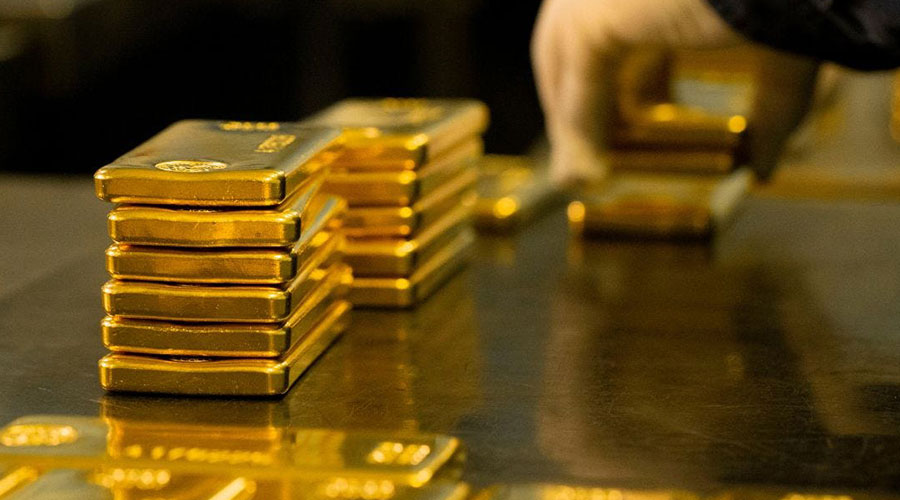
Refineries sit at the top of the supply chain. They take raw or semi-refined gold from mining operations and process it into standardized bullion — bars and ingots stamped with purity, weight, and a refiner’s mark.
South Africa’s Rand Refinery, established in 1920 and an LBMA full member since 1974, is one of only seven refineries worldwide recognized as an official LBMA Good Delivery referee — a credential that makes its bars accepted on wholesale bullion markets globally without further testing.
In 2026, Rand Refinery announced a new gold-refining partnership with Ghana, a move the LBMA has said it hopes becomes “the first of many” such partnerships across the continent, reflecting a broader push to build accredited refining capacity closer to where African gold is actually mined rather than routing it all through refineries outside the continent.
Licensed exporters and dealers buy gold that’s already been refined or partially refined, consolidate it, verify its documentation, and handle the legal export process to international buyers.
This is where most individual and business buyers — as opposed to institutional bullion traders — actually transact, and it’s the category Buy Gold Bars Africa operates in: we work directly with vetted sourcing partners across our operating regions to supply 24K gold bars, 1oz gold bars, and gold ingots to buyers both within Africa and internationally, with full purity documentation on every transaction.
Mining companies occasionally sell limited bullion volumes directly, particularly to institutional buyers or through formal auction processes, though most of their output moves through refineries and wholesale bullion markets rather than direct retail sale.
Buying gold that hasn’t passed through a recognized refinery carries meaningfully higher verification risk, since it hasn’t yet been through independent purity testing.
How to Verify a Legitimate Supplier
Check for an export license. Every African country regulates gold export differently, but legitimate suppliers can produce current, verifiable export documentation on request.
If a supplier is vague about licensing or discourages you from asking, treat that as a serious red flag rather than a minor inconvenience — our guide to buying gold bars from Africa safely covers this in more depth, and our breakdown of the legal requirements to buy gold bars from Africa walks through what documentation should exist at each stage.
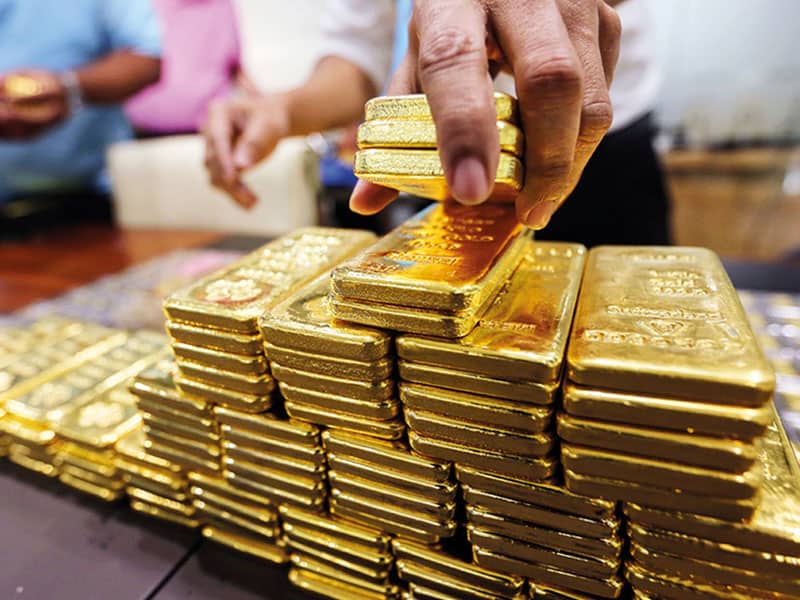
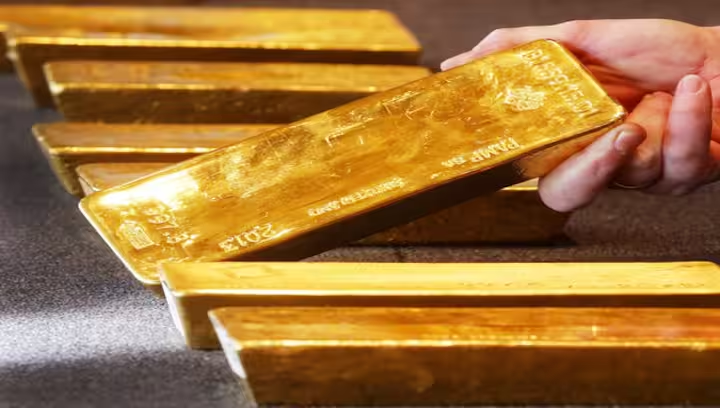
Confirm purity through independent hallmarking, not just a verbal claim. Bars from LBMA Good Delivery-accredited refineries like Rand Refinery carry stamped purity (typically 999.9 fineness for investment bars), a serial number, and the refiner’s mark — all independently verifiable.
A supplier offering bullion with no refiner’s mark, or reluctant to explain where their gold was refined, is a meaningfully higher-risk transaction.
Ask about responsible sourcing due diligence. Reputable suppliers follow frameworks like the LBMA’s Responsible Gold Guidance and the OECD Due Diligence Guidance for Responsible Supply Chains of Minerals from Conflict-Affected and High-Risk Areas, which trace gold back through the supply chain to confirm it wasn’t sourced from conflict zones or through exploitative labor.
This isn’t just an ethical consideration — gold that can’t demonstrate a clean chain of custody is also far harder to resell or export legally later.
Insist on an itemized invoice and, for larger purchases, a purity certificate. The invoice should separate the gold’s weight and market-rate value from any handling, refining, or logistics fees, so you know exactly what you’re paying for the metal itself.
Be cautious of prices significantly below the current market rate. Real African gold suppliers price close to spot plus a reasonable margin — a heavily discounted offer is one of the most consistent signals of fraud in this market. Check today’s rate against our gold in Africa for sale pricing before evaluating any offer that seems unusually cheap.
Verify physically before large transfers. For significant volumes, arrange third-party assay testing or an in-person inspection before wiring funds — legitimate suppliers, including us, expect and accommodate this. See our guidance on large-volume gold deals for how bulk transactions should be structured.
Where African Gold Bullion Suppliers Operate
Supplier activity tends to cluster around the continent’s major gold-producing regions and export hubs:
- South Africa — home to Rand Refinery and the continent’s most established formal bullion infrastructure. See our guide to where to buy gold in South Africa.
- Uganda — a growing regional trading and export hub for gold sourced across East and Central Africa. Our Kampala gold bars guide and notes on Uganda’s gold export tax cover the specifics.
- Tanzania — a major East African gold producer with an increasingly formalized export sector. See buying gold in Tanzania.
- West Africa (Ghana and neighbors) — the region driving Africa’s recent rise in overall gold output. Our West Africa buying guide covers sourcing considerations specific to the region.
For a broader starting point across regions, our where to buy gold in Africa overview compares the major hubs side by side.
FAQs – African Gold Bullion Suppliers
What’s the difference between a gold refinery and a gold bullion supplier? A refinery processes raw or semi-refined gold into standardized, purity-stamped bars — it’s a manufacturing step. A bullion supplier (dealer or exporter) sources already-refined or partially-refined gold, verifies its documentation, and sells or exports it to buyers. Some large operations do both.
Is it safe to buy gold bullion directly from African suppliers? Yes, when you buy from a licensed, verifiable supplier with proper export documentation and independently testable purity — this is a large, legitimate global market. The risk sits specifically with unlicensed brokers and offers that skip verification steps, not with African gold sourcing as a category.
How do I know if a gold bar is genuine African gold bullion? Look for a refiner’s stamp showing purity (commonly 999.9 for investment-grade bars), a serial number, and documentation tracing the bar back to a recognized refinery or licensed exporter. Ask for a purity certificate on any significant purchase.
What purity should I expect from African gold bullion? Investment-grade bars are typically 24K (999–999.9 fine, 99.9%+ pure gold). Some regional bullion and nuggets are sold at lower purities — always confirm the exact fineness stated on the documentation rather than assuming 24K by default.
Does Buy Gold Bars Africa refine its own gold? We work as a licensed exporter and dealer, sourcing from vetted mining and refining partners rather than operating refining facilities ourselves — every bar we supply carries verifiable purity documentation from its source. Contact us with questions about the sourcing chain for any specific product.
Buy From a Supplier You Can Verify
The African gold bullion market is large, legitimate, and increasingly well-documented — but it rewards buyers who verify before they pay, not after.
A trustworthy supplier will never discourage you from checking their license, their purity documentation, or their sourcing chain; if a deal depends on you not asking those questions, that’s the answer in itself.
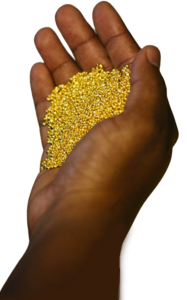
At Buy Gold Bars Africa, we’re licensed exporters supplying 24K gold bars, gold nuggets, and gold dust to buyers across the world, with full documentation on every order and support for both individual and bulk/large-volume purchases.
We’re happy to walk any prospective buyer through our sourcing and verification process before you commit to a purchase — contact us to get started or to ask about a specific product.