Gold Trading Companies in Dubai: Refineries, Dealers & DMCC Firms
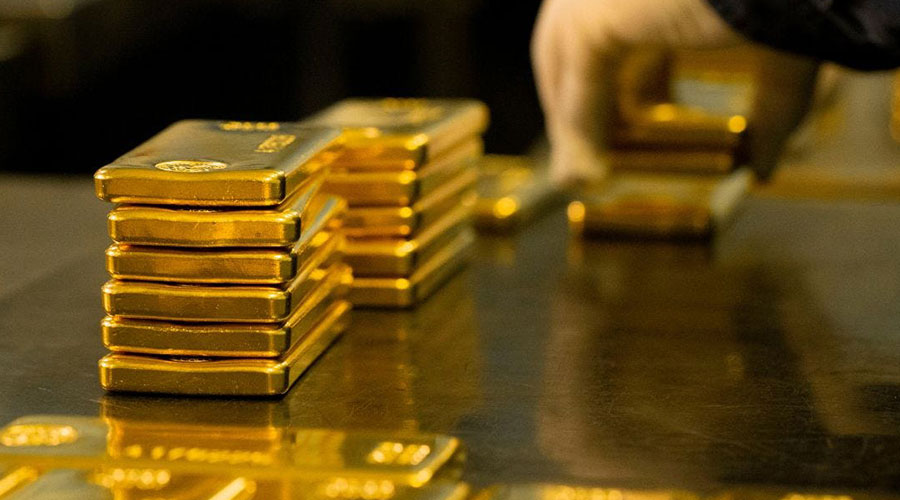
Gold Trading Companies in Dubai: Dubai’s gold trading sector runs on a small cluster of DMCC-licensed refineries and bullion houses that refine, assay, mint and trade physical gold at scale — names like Kaloti Precious Metals, Emirates Gold DMCC, Al Etihad Gold Refinery, Gulf Gold Refinery, and International Precious Metals Refiners (IPMR) — alongside DMCC-registered trading firms such as Divine Trading DMCC, Gold Standard FZCO, and APM Intl DMCC, plus brokers offering DGCX-linked spot and margin gold trading.
Together they process an estimated 1,000+ tons of gold annually through Dubai’s Gold District and Jebel Ali Free Zone, with gold trading at roughly $4,300 per troy ounce (~$138/gram) as of late September 2026.
This guide walks through who these companies are, what each type actually does, how to open a trading relationship with one, and where mine-direct African sourcing — the model Buy Gold Bars Africa Ltd operates on — fits as an alternative or complement to buying through Dubai’s own trading houses.
What “Gold Trading Company” Means in Dubai
The phrase covers three distinct business types that often get lumped together:
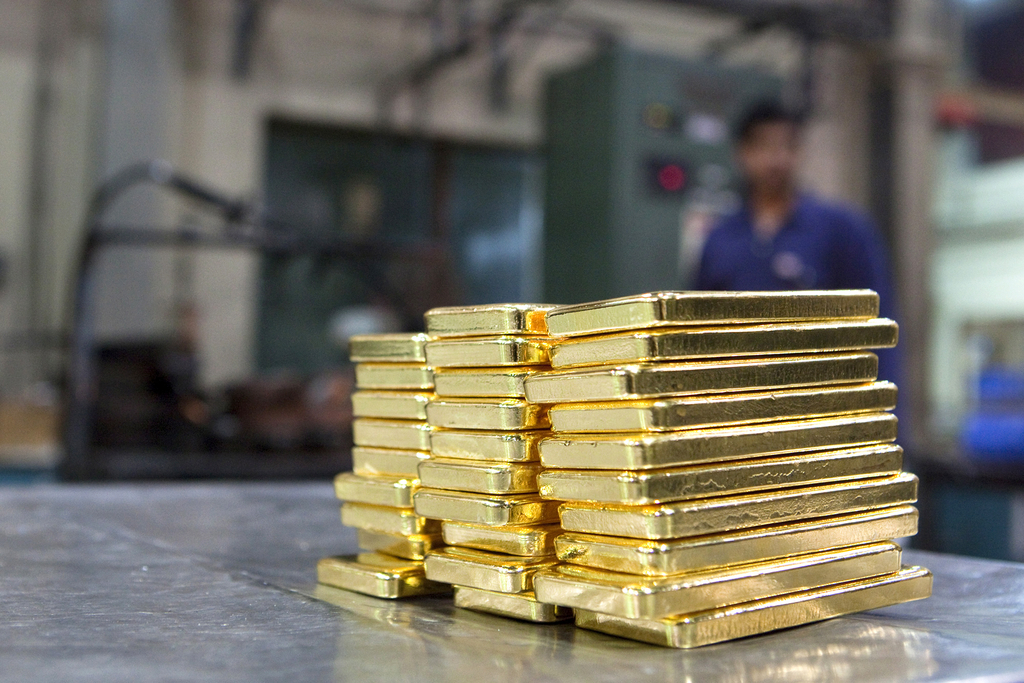
- Refineries — companies that melt, assay and recast raw or scrap gold into LBMA/DGCX-standard bars (995 or 999.9 fineness). Most Dubai refineries also trade the bars they produce.
- Bullion trading houses — DMCC-registered firms that buy and sell physical gold (bars, coins, sometimes jewelry-grade) without necessarily refining it themselves, often serving both wholesale and semi-retail clients.
- Brokers and trading platforms — firms offering spot gold contracts, margin trading, or DGCX-linked products for clients who want price exposure without taking physical delivery.
Knowing which type you’re dealing with matters before you contact anyone: a refinery quote is for a specific bar you’ll receive, a bullion house may be quoting from inventory or on order, and a broker’s “gold trading” often means a contract-for-difference, not a bar in a vault.
Major Gold Refineries Operating in Dubai
Emirates Gold DMCC — established in 2011, DMCC and LBMA accredited, and one of the largest refiners in the region, processing an estimated 600 tons of gold annually. Produces bars in 995 and 999.9 fineness and runs assaying, smelting, electrolytic refining and minting in-house.
Kaloti Precious Metals — founded in 2006, one of the best-known names in Dubai’s refining sector, processing 500+ tons annually with in-house testing and minting capability.
Al Etihad Gold Refinery — ISO 9001 and 14001 certified since 2005, based in Jebel Ali Free Zone, with roughly 300 tons/year capacity and a focus on gold and silver refining including complex alloys.
Gulf Gold Refinery — operating since 2009, LBMA-standard certified, processing around 200 tons yearly.
International Precious Metals Refiners (IPMR) — operational since 2012, positioned around artisanal and small-scale mining gold with fast (24–48 hour) turnaround refining.
These refineries sit at the top of Dubai’s supply chain — much of the bullion sold by smaller dealers and Gold Souk shops has passed through one of them at some point. For buyers, that also means a portion of every retail or dealer price already includes a refining and trading margin layered on before the gold reaches a shop counter.
DMCC-Registered Bullion Trading Firms
Below refinery level, Dubai’s DMCC free zone hosts a large number of registered gold trading companies that buy and sell bullion without necessarily refining it. Well-known examples include Divine Trading DMCC, Gold Standard FZCO, and APM Intl DMCC — firms that typically deal in bar and coin trading, buy-back services, and business-to-business supply for jewelers and smaller dealers. DMCC’s own Gold Ecosystem lists hundreds of such registered members, reflecting how concentrated this industry is within one free zone.
For a buyer, the practical difference from a refinery is that these firms are usually easier to reach for smaller orders, but you should still verify DMCC registration and ask which refinery or source their stock comes from — a trading firm is only as reliable as the gold behind its inventory.
Gold Brokers and DGCX Trading Platforms
A separate category of “gold trading company” doesn’t deal in physical bars at all. These are brokers offering spot gold, CFDs, or DGCX-linked contracts, letting clients trade gold price exposure without holding metal.
This category serves a different buyer entirely — speculative or hedging traders rather than anyone who wants a bar delivered — and it’s worth being clear about which you actually want before signing up with a platform advertising “gold trading” in Dubai.
How to Verify a Dubai Gold Trading Company
Before transacting with any of the companies above or a firm you find independently, confirm:
- DMCC or DED trade license — active registration in the relevant free zone or with Dubai Economic Department.
- UAE Good Delivery (UAEGD) or LBMA accreditation, if the company refines or supplies large-bar bullion.
- Physical address and a traceable business history — a registered office in DMCC’s Gold District or Jebel Ali Free Zone, not just a website and a WhatsApp number.
- Assay documentation on any bar you receive, independent of the seller’s own paperwork where the order size justifies it.
Our certified gold bar dealers in Dubai guide covers this vetting checklist in more depth if you’re buying at retail or small-dealer scale rather than through one of the trading houses above.
Opening a Trading Relationship: What to Expect
Most Dubai gold trading companies work on a standard onboarding process:
- Business registration and KYC documentation — company license, beneficial-owner ID, and source-of-funds information, standard across UAE AML rules.
- Minimum order confirmation — thresholds vary by firm and aren’t standardized, so confirm directly rather than assuming a fixed minimum.
- Pricing referenced to spot — reputable firms quote against the live LBMA/DGCX benchmark plus a stated premium, not a flat number that ignores daily price movement.
- Delivery or vault storage — physical collection, insured logistics, or allocated storage (DMCC’s Vault, operated by Brink’s, is the standard option for buyers who don’t want immediate physical delivery).
This is broadly the same framework covered in our wholesale gold bars in Dubai guide, which goes deeper into DMCC Tradeflow and pricing tiers for buyers purchasing at kilobar volume and above.
Where Mine-Direct African Sourcing Fits
Every company listed above operates within Dubai’s own trading-hub margin — refining fees, dealer markups, and free-zone overhead are built into their pricing before you ever see a quote, even when that pricing is competitive by global standards.
Buy Gold Bars Africa Ltd offers a different starting point: certified 24K gold bars sourced mine-direct from licensed exporters in Uganda, Ghana, and the DRC, with independent assay certification and insured delivery straight into Dubai’s tax-free environment.
This isn’t a competing claim to being a “bigger” trading company than Kaloti or Emirates Gold — it’s a different supply chain entirely, one layer closer to extraction, which is why the effective cost on comparable purity and weight is often lower once Dubai’s own refining and trading margins are accounted for.
For buyers who want to compare the two paths directly, our present gold rate in Dubai vs. Africa page runs the numbers side by side.
FAQs – Gold Trading Companies in Dubai
What are the biggest gold trading companies in Dubai? Emirates Gold DMCC and Kaloti Precious Metals are among the largest refiners by volume, alongside Al Etihad Gold Refinery and Gulf Gold Refinery. Below refinery level, DMCC hosts hundreds of registered bullion trading firms of varying size.
Is Dubai a good place to trade gold as a business? Dubai’s DMCC free zone is one of the world’s most concentrated gold-trading hubs, with established infrastructure (DGCX, DMCC Tradeflow, Brink’s-operated vaulting) that supports both large refiners and smaller registered trading firms. A DMCC or DED trade license is required to operate formally.
How do I know if a Dubai gold trading company is legitimate? Confirm active DMCC or DED registration, check for LBMA or UAEGD accreditation where relevant, verify a physical registered address, and ask for independent assay documentation on any bar you receive rather than relying solely on the seller’s own certificate.
What’s the difference between a gold refinery and a gold trading firm in Dubai? A refinery melts, assays and casts gold into standard bars and typically has in-house LBMA/DGCX accreditation. A trading firm buys and sells bullion — sometimes its own refined stock, sometimes sourced from a refinery — without necessarily refining metal itself.
Can I buy gold directly from a Dubai refinery instead of a dealer? Some refineries sell directly to buyers who meet their minimum order and documentation requirements, though many prioritize business-to-business supply to trading firms and jewelers over one-off retail sales. Confirm directly with the refinery.
Compare Dubai’s Trading Companies With Mine-Direct Sourcing
If you’re weighing Dubai’s established trading houses against sourcing gold closer to the point of extraction, Buy Gold Bars Africa Ltd supplies certified 24K gold bars — from 1g retail sizes to bulk wholesale quantities — mine-direct from licensed exporters in Uganda, Ghana, and the DRC, with full assay documentation and insured delivery to Dubai.
Call/WhatsApp: +256 707 585144 | Contact us for a quote