Gold Storage in Switzerland: The Complete 2026 Guide for European Investors
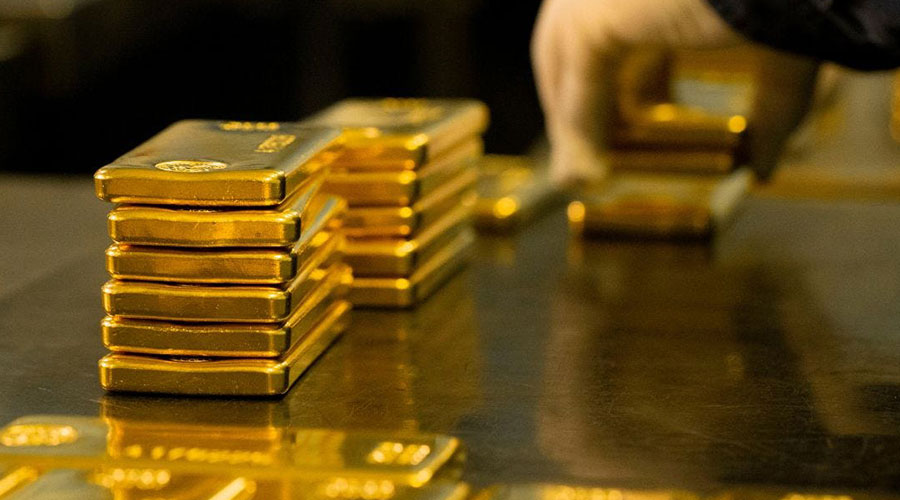
For investors across Europe, gold storage in Switzerland remains the benchmark against which every other storage jurisdiction is measured. Searches like “store gold in Switzerland,” “Swiss gold vault,” and “VAT-free gold storage” spike every time markets get volatile, and for good reason — Switzerland combines political neutrality, a centuries-old banking tradition, and some of the world’s most sophisticated bullion refining and vaulting infrastructure in a single country.
This guide walks through exactly how Swiss gold storage works, what it costs, and how to choose a provider, so you can make an informed decision rather than relying on marketing claims.
Why Investors Choose Switzerland for Gold Storage
Switzerland’s appeal for storing gold rests on a few structural advantages that are hard to replicate elsewhere. The country is one of the world’s most important precious-metals refining hubs — industry estimates suggest Swiss refineries process anywhere from roughly a third to as much as half of the world’s newly mined and recycled gold each year, giving Switzerland an outsized role in setting global bullion standards.
On top of that, Switzerland has a long tradition of financial-sector stability, strong property rights, and a legal system that treats privately stored bullion as the depositor’s property rather than a bank asset — a meaningful distinction if a storage provider were ever to face financial difficulty.
For European gold investors specifically, Switzerland also offers geographic convenience. It sits within a few hours’ drive or a short flight of Germany, France, Italy, and Austria, making it realistic to visit your holdings in person — something that matters to investors who want more than a certificate and a login page.
Is Gold Storage in Switzerland VAT-Free?
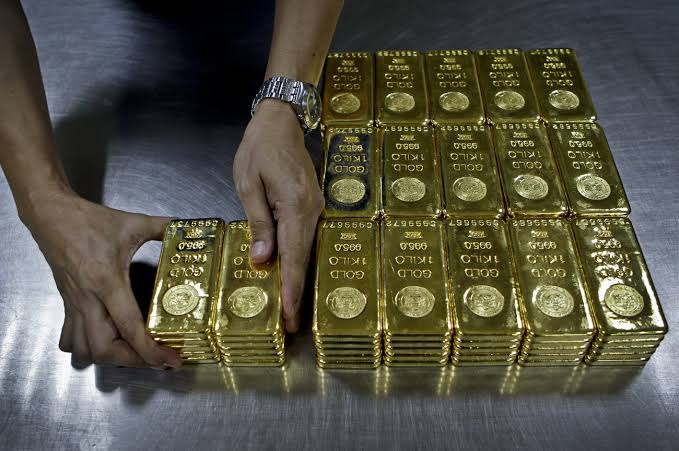
One of the most searched questions on this topic is whether gold storage in Switzerland is VAT-free, and the answer is a qualified yes. Under Swiss VAT law, investment-grade gold — bars and state-minted coins with a minimum fineness of 995/1000 that carry the hallmark of a recognised assayer-smelter — is exempt from Swiss VAT on both purchase and import, under Article 23 of the Swiss VAT Act. This exemption is not unique to Switzerland; investment gold is VAT-exempt across the EU as well, but Switzerland’s exemption is particularly well-established and consistently applied.
The catch is the refiner requirement. To qualify as VAT-exempt, gold bars must be produced by a refiner on the LBMA Good Delivery List, the London Bullion Market Association’s official register of accredited assayer-smelters recognised by Switzerland’s Federal Customs Administration.
Bars from refiners not on this list can attract import tax even if they meet the purity threshold, so verifying refiner accreditation before you buy or import gold into Switzerland is a genuinely important step, not a formality.
Silver, platinum, and palladium are treated differently — they’re generally subject to Swiss VAT unless held in a customs-bonded freeport warehouse, where they remain classified as “in transit” and therefore untaxed for as long as they stay inside the bonded facility.
Understanding Swiss Freeports
No discussion of gold storage Switzerland is complete without covering freeports — customs-bonded warehouses where goods, including precious metals, can be stored without import duties or VAT being triggered, on the legal basis that the goods haven’t formally “entered” the Swiss economy.
Geneva’s freeport is the most famous of these facilities and one of the largest secure storage complexes in the world, though similar bonded storage exists in Zurich and other Swiss cities.
Freeport storage suits investors holding larger quantities of precious metals, art, or other high-value goods long-term, since the tax deferral compounds in value the longer the holding period.
It’s worth understanding, though, that a freeport is fundamentally a customs status rather than a specific building — the actual vaulting and security is typically handled by specialist logistics and bullion-storage companies operating within the bonded zone, not by the freeport authority itself.
Allocated vs. Unallocated Gold Storage: Why It Matters
Before choosing a provider, it’s essential to understand the difference between allocated and unallocated storage, since this distinction determines what you actually own.
Allocated storage means specific, serial-numbered bars or coins are set aside and registered in your name. They’re legally your property, held in custody rather than owned by the storage company, which means they’re generally protected even if the storage provider becomes insolvent. This is the standard most serious gold investors insist on.
Unallocated storage means you own a claim on a pool of metal rather than specific identified bars — functionally closer to holding a deposit balance than owning physical property.
It’s typically cheaper, but it exposes you to counterparty risk: if the provider fails, unallocated holders may be treated as unsecured creditors rather than owners of a specific asset. For anyone storing gold specifically to avoid financial-system risk, unallocated storage undermines much of the point.
What Does Gold Storage in Switzerland Cost?
Storage fees for allocated gold storage in Switzerland typically run in the range of 0.5% to 1% of the metal’s value per year for private investors, though rates vary by provider, storage location, and total value stored — larger holdings generally command lower percentage fees.
Bank-affiliated vaults sometimes charge more but bundle in additional services like insurance and reporting, while independent specialist vaults can be more competitively priced but require more due diligence on the investor’s part to confirm insurance coverage and audit practices.
When comparing providers, look beyond the headline storage fee and check: whether storage is allocated or unallocated, what insurance coverage applies and who underwrites it, how often independent audits are conducted, whether you can arrange an in-person visit or third-party inspection, and what the actual process and cost is for withdrawing or selling your metal.
How to Choose a Gold Storage Provider in Switzerland
A few practical checks separate a reputable provider from a risky one:
- Confirm allocated status in writing. The contract should explicitly state your metal is allocated, serial-numbered, and segregated from the provider’s own assets.
- Verify the refiner. Bars should come from an LBMA Good Delivery List refiner, both for VAT purposes and resale liquidity.
- Check insurance terms directly, not just marketing claims — ask which insurer underwrites the policy and what it actually covers.
- Ask about independent audits. Reputable vaults undergo regular third-party audits and can usually share summary results or certification.
- Understand the legal jurisdiction. Confirm whether your holdings are governed by Swiss law and what recourse you’d have in a dispute.
- Test withdrawal and resale processes before committing significant capital — a provider that makes buying easy but selling difficult is a red flag.
Legal Requirements for Foreign Investors
Switzerland places no restrictions on foreigners buying or storing gold — you don’t need Swiss residency or a Swiss bank account to open allocated storage with most reputable providers.
If you’re physically importing gold bars into Switzerland yourself, rather than buying through a Swiss-based dealer, you should declare bullion at customs if required and keep documentation confirming the refiner and purity, since this is what determines whether VAT applies on entry.
If you plan to later export gold from Switzerland to another European country, check the destination country’s own VAT and import rules in advance, since these vary by jurisdiction even within the EU.
Common Mistakes to Avoid
The most frequent mistake is conflating “in Switzerland” with “safe.” Switzerland’s reputation is genuinely well-earned, but it doesn’t substitute for due diligence on the specific provider you’re using — the jurisdiction reduces certain risks (political, systemic, legal) without eliminating counterparty risk from an individual company.
A second common mistake is accepting unallocated storage to save a small percentage on fees, then discovering during a crisis that “your” gold is a claim rather than a possession. A third is skipping refiner verification, which can silently convert a VAT-free purchase into a taxed one.
FAQs – Gold Storage in Switzerland
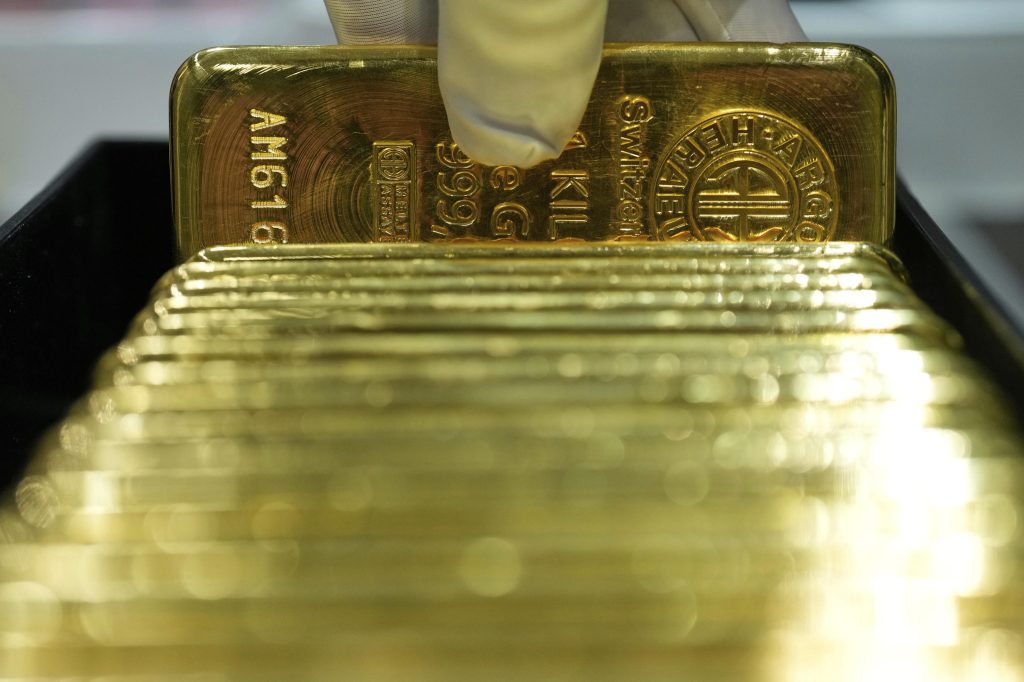
Is gold storage in Switzerland really VAT-free? Investment-grade gold bars (995/1000 fineness or higher) from an LBMA-listed refiner are VAT-exempt for both purchase and storage under Swiss law. Silver, platinum, and palladium are generally taxable unless held in a customs-bonded freeport.
Do I need to be a Swiss resident to store gold in Switzerland? No. Foreign investors, including those based anywhere in the EU, can open allocated gold storage in Switzerland without Swiss residency or a local bank account, though individual providers may have their own onboarding requirements.
What’s the difference between a Swiss bank vault and a freeport? A bank vault is operated directly by a bank as part of its custody services, typically inside Swiss customs territory (so VAT rules apply normally to non-gold metals). A freeport is a customs-bonded zone where goods can be stored without formally entering the Swiss economy, which is what allows silver, platinum, and palladium to be held there VAT-free.
Is allocated storage always better than unallocated? For anyone storing gold as a long-term store of value or hedge against systemic risk, yes — allocated storage means you own specific, identifiable bars rather than a claim on a pool. Unallocated storage is cheaper but carries counterparty risk.
How much does it cost to store gold in a Swiss vault? Typical allocated storage fees run around 0.5% to 1% of the metal’s value annually, though this varies by provider, storage location, and the total value stored.
Can I visit my gold in person? Most reputable Swiss storage providers allow scheduled visits or independent third-party inspections. This is worth confirming and testing before committing significant capital, since the ability to verify your holdings in person is one of the main reasons investors choose physical storage over paper gold.
Related Topics Worth Reading Next
- Allocated vs. unallocated gold storage explained in depth
- How LBMA Good Delivery accreditation works and why it matters for resale
- Comparing gold storage jurisdictions: Switzerland vs. Singapore vs. Dubai
- VAT treatment of silver, platinum, and palladium in Swiss freeports
- How to physically import or export investment gold within the EU
Note: this guide doesn’t link to a specific storage provider or dealer. If you have your own established business in this space, I’m happy to weave in internal links to your actual site — just share the domain and I’ll build the linking structure around real, verifiable pages rather than generic placeholders.
For the authoritative, continuously updated list of refiners recognised for VAT-exempt investment gold in Switzerland, see the LBMA Good Delivery List, maintained by the London Bullion Market Association.