Mwanza Gold Refinery: Complete Guide to MPMR in Tanzania
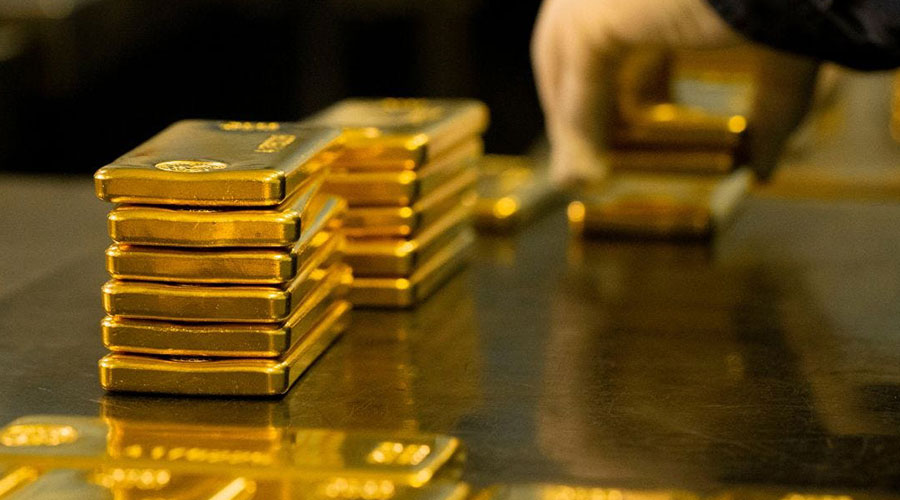
The Mwanza Gold Refinery, formally the Mwanza Precious Metals Refinery (MPMR), is Tanzania’s first operational gold refinery, a joint venture in Mwanza on Lake Victoria that is designed to refine more than 480 kg of gold a day to 999.9 purity.
It is owned 25% by the state mining corporation STAMICO and 75% by two foreign partners, ACME Consultant Engineers of Singapore and Rozella General Trading of Dubai, and it exists to refine Tanzanian gold domestically instead of exporting it unrefined.
Reported capacity figures differ, with some sources citing technical capacity up to 960 kg a day while actual operations have been lower, so the figures below are explained rather than simply quoted.
This guide covers everything people search for about the refinery: where it is, who owns it, how much it can refine, what purity it produces, who supplies it, how it connects to the Bank of Tanzania, and whether foreigners can buy from it.
Mwanza Gold Refinery at a Glance
| Detail | Information |
|---|---|
| Official name | Mwanza Precious Metals Refinery (MPMR) |
| Location | Mwanza, Tanzania, on Lake Victoria |
| Ownership | STAMICO (25%), Rozella General Trading and ACME Consultant Engineers (75% combined) |
| Design capacity | Over 480 kg of gold per day |
| Silver capacity | About 60 kg per day |
| Stated purity | 999.9 gold, 999.0 silver |
| Process | Electrolytic refining |
| Notable role | First operational gold refinery in Tanzania; refines gold for the Bank of Tanzania |
What Is Mwanza Precious Metals Refinery?
Mwanza Precious Metals Refinery is a gold and silver refining plant set up so that gold mined in Tanzania can be refined to international standards inside the country.
It was built as a joint venture between STAMICO, Tanzania’s State Mining Corporation, and private international investors, and it began refining only a few years ago, after a construction period that followed the joint venture’s formation.
Its stated purpose is to add value locally, keep more of the gold sector’s revenue in Tanzania, and give miners and dealers a domestic route to refined, internationally accepted bullion.
The refinery describes itself as capable of refining gold and silver using an electrolytic process, with purity accredited through ICP testing. A gold trading market was also built beside it, with space for the Mining Commission, banks, traders and logistics firms on the same site, so that buying, verifying, refining and selling happen close together.
Mwanza Gold Refinery Location
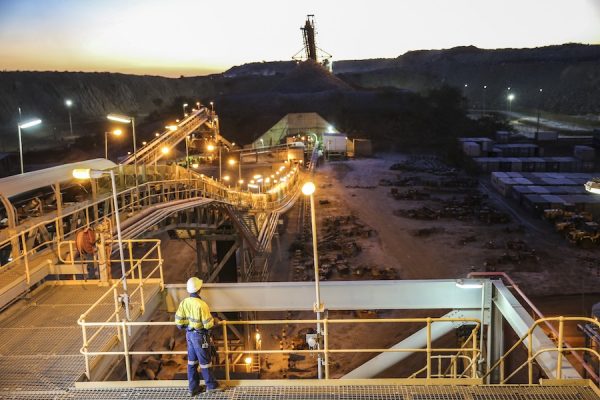
The refinery is in the city of Mwanza, on the southern shore of Lake Victoria in north-western Tanzania. Its own published address is Butuja Street, Ilemela District, Plot 483/2/3, Block A, Mwanza.
It sits close to Mwanza Airport, reported at only a few kilometres away, which matters for moving refined gold out. Mwanza is also a commercial hub for the gold-producing regions around it, including Geita, Mara, Shinyanga and Kahama, which is why the plant was sited there.
Confirm the current address and visiting arrangements directly with the refinery before travelling, since facility details can change.
Who Owns Mwanza Gold Refinery?
Ownership is a joint venture, not a purely state-owned plant:
| Owner | Role | Share |
|---|---|---|
| STAMICO (State Mining Corporation) | Tanzanian government partner | 25% |
| Rozella General Trading (Dubai) and ACME Consultant Engineers (Singapore) | Private international partners | 75% combined |
The joint-venture terms were reported to provide for STAMICO’s shareholding to increase gradually over time, while STAMICO also receives a management fee based on sales. Check current shareholding with STAMICO or the refinery directly, since it may have changed since that arrangement was reported.
Mwanza Gold Refinery Capacity
This is the part most often misstated, so it helps to separate three different figures:
- Design capacity: over 480 kg of gold per day. This is the figure in the project’s official and promotional material, alongside about 60 kg of silver per day.
- Technical capacity: up to 960 kg per day. A regional report quoting a Mwanza mining official said the plant could technically process up to 960 kg daily.
- Actual throughput: varies. The same report said operations were running at about 480 kg a day because of limited raw material, and other reports describe the refinery running well below installed capacity when the supply of gold is short.
In plain terms, the refinery’s real limit is usually not machinery but how much gold is delivered to it. Anyone quoting a single capacity figure without that context is oversimplifying. The commonly used planning figure is 480 kg per day, with higher technical capacity and lower actual throughput both reported depending on supply.
What Purity Does Mwanza Gold Refinery Produce?
The refinery is designed to refine gold to 999.9 purity, meaning 99.99% pure gold, which is the standard for investment-grade bars, and silver to 999.0. Some reports round or describe the figure differently, for example as “99.99%”, and a few cite even higher purities.
Treat 999.9 (99.99%) as the stated specification, and verify the purity of any specific bar through its own assay certificate rather than relying on a general figure. Purity is a property of each batch and certificate, not a blanket promise about every bar.
How Does Mwanza Gold Refinery Work?
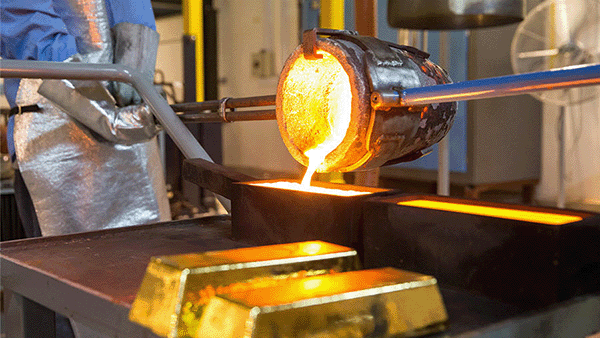
Refining follows a standard chain, from raw material to certified bar:
- Receipt and verification: gold-bearing material arrives from authorised sources and is weighed and checked.
- Assaying: the gold’s content is tested to establish what the batch contains.
- Refining: impurities are removed, here by an electrolytic process.
- Purification and casting: the gold is cast into bars of defined weight and purity.
- Quality verification: bars are tested and marked with their purity and identifying details.
- Packaging and release: the refined gold is packaged for sale, delivery to the Bank of Tanzania, or export.
The refinery says it obtains precious metals from qualified sources authenticated through Tanzania’s mining authorities, and from other sellers in neighbouring countries.
Who Supplies Gold to Mwanza Refinery?
Supply comes from several kinds of source:
- Licensed Tanzanian miners and small-scale miners, including artisanal producers selling through the formal market
- Licensed gold dealers and traders, operating through Tanzania’s gold markets
- Neighbouring countries, with the refinery positioning itself as a place where traceable, unrefined gold from the region can be sold
- The Bank of Tanzania, which arranges for gold to be refined on its behalf
Supply is the refinery’s central challenge, discussed below, because the plant can only refine what it receives.
Mwanza Gold Refinery and the Bank of Tanzania
The refinery is closely tied to Tanzania’s push to build up gold reserves. When the refinery was launched, the president directed the Bank of Tanzania to begin buying refined gold, and the central bank’s governor urged the refinery to obtain accreditation so the Bank could buy its gold for foreign reserves.
A regional report later said the refinery had collected more than five tonnes of gold on the Bank of Tanzania’s behalf. For readers following central-bank gold buying across Africa, this is one of the clearest examples of a domestic refinery feeding official reserves. See our guide to gold prices and markets in Africa for how reserve buying and private buying fit together.
Mwanza Gold Refinery Gold Export
Refined gold from the refinery is intended for sale on international markets, with reporting identifying the United Arab Emirates as a major destination for bullion bars.
Exporting refined gold involves packaging, assay and origin documentation, customs clearance, and approvals from Tanzanian authorities such as the Mining Commission and the revenue authority, and the process has reportedly posed practical challenges for exporters.
Refined gold is only as exportable as its paperwork, which is why documentation matters so much. See our guides to the legal requirements to buy gold bars from Africa, DMCC gold trading, and African gold prices vs. Dubai gold prices for how African refined gold reaches Dubai.
Can Foreigners Buy Gold From Mwanza Gold Refinery?
The answer is not a simple yes or no. A refinery is not a retail shop, and gold in Tanzania moves through a regulated system, so a foreign buyer should expect to deal through licensed channels rather than walking up to the plant. In practice, buying involves:
- Licensed dealers or authorised channels, not informal sellers
- Compliance with Tanzanian mining and export rules, including the relevant licences and permits
- Assay and verification of the gold’s purity and weight
- KYC and anti-money-laundering checks on the buyer
- Taxes, royalties and fees where they apply
- Export authorisation, shipping and customs for any gold leaving the country
Terms can change, so contact the refinery or Tanzania’s Mining Commission directly rather than relying on a third party’s description. For Tanzania-specific buying guidance, see our page on buying gold in Tanzania.
Buy Gold Bars Africa is an independent licensed exporter and is not affiliated with the Mwanza Precious Metals Refinery.
Mwanza Gold Refinery Gold Prices
A refinery does not usually publish a retail price list the way a gold shop does, so there is no single “Mwanza refinery gold price” to quote. What a refinery or its buyers pay or charge depends on:
- The international spot price of gold
- Purity and weight, confirmed by assay
- Applicable taxes, royalties and fees
- Refining and handling terms
- The USD/TZS exchange rate
- A premium or discount agreed between the parties
For a sense of how refined bars are priced against spot, see our guides to gold bar pricing and buying gold bars at the lowest price. Treat any offer that cites a fixed “refinery price” with caution unless it comes with documentation.
Mwanza Gold Refinery vs. Other Tanzanian Refineries
Tanzania has aimed to build several domestic refining facilities rather than rely on one, and plans for additional refineries in Geita and elsewhere were announced alongside the Mwanza plant. Since the status of other facilities changes, check the current position before relying on any comparison.
| Feature | Mwanza (MPMR) | Other Tanzanian refineries |
|---|---|---|
| Position | First operational gold refinery in Tanzania | Developed or planned in other gold regions, including Geita |
| Location logic | Commercial hub with airport access, serving several gold regions | Closer to specific mining areas |
| Ownership | STAMICO joint venture with foreign partners | Varies by facility |
| What to verify | Current throughput, accreditation, and export procedures | The same checks for each facility |
The practical point is the same for any refinery: check its current licensing, accreditation, throughput and documentation directly, rather than assuming a comparison made when the plants were first announced still holds.
Mwanza Gold Refinery and Tanzania’s Gold Industry
Tanzania is one of Africa’s larger gold producers, with major industrial mines alongside a large artisanal and small-scale sector, particularly around the Lake Victoria goldfields.
For years, much of the country’s gold left in less-refined forms, which limited how much value stayed at home. Domestic refining is part of a wider strategy that also includes formalising small-scale mining, running regulated gold markets, collecting more revenue from exports, and building central-bank reserves.
The Mwanza refinery sits at the centre of that strategy, because it turns raw output into refined, internationally tradable gold inside Tanzania. For regional context, see our guide to gold mining in Congo and the wider overview of where to buy gold in Africa.
Challenges Facing Mwanza Gold Refinery
Feedstock supply is the main issue. The plant’s capacity far exceeds what it often receives, and reports describe it running below its installed capacity when raw gold deliveries fall short. A refinery with high fixed costs and low throughput struggles financially, so securing a steady supply of verified gold is central to its viability.
Competing channels. Gold can leave the formal system through informal trade and smuggling, which reduces what reaches domestic refineries.
Export logistics. Moving refined gold out requires coordinated approvals, packaging, and customs processes, and delays or friction affect competitiveness.
Accreditation and trust. International buyers and central banks look for recognised accreditation and consistent documentation, and the refinery has been encouraged to maintain it.
Mwanza Gold Refinery FAQs
What is Mwanza Gold Refinery called? Its official name is Mwanza Precious Metals Refinery, abbreviated MPMR.
Where is Mwanza Gold Refinery located? In Mwanza, on the southern shore of Lake Victoria in north-western Tanzania. Its published address is Butuja Street, Ilemela District, Plot 483/2/3, Block A.
Who owns Mwanza Precious Metals Refinery? STAMICO holds 25%, and Rozella General Trading of Dubai and ACME Consultant Engineers of Singapore together hold 75%, with STAMICO’s share reported to increase over time under the joint-venture terms.
How much gold can Mwanza refinery process per day? It was designed to refine over 480 kg a day. Some reports cite technical capacity up to 960 kg a day, while actual throughput depends on how much gold is delivered.
What purity does Mwanza Gold Refinery produce? It is designed to produce gold at 999.9 purity (99.99%), and silver at 999.0. Verify each bar through its own assay certificate.
Does Mwanza Gold Refinery buy gold from miners? It sources gold from qualified suppliers authenticated through Tanzania’s mining authorities, including licensed miners and dealers, and from neighbouring countries.
Can foreigners sell gold to Mwanza Gold Refinery? Supply is described as coming from qualified, authenticated sources, including traceable gold from neighbouring countries. Terms and eligibility should be confirmed directly with the refinery and Tanzania’s Mining Commission.
Can foreigners buy gold from Mwanza Gold Refinery? Foreign buyers should expect to deal through licensed channels and meet verification, KYC and export requirements. It is not a retail shop. Confirm the current process directly before planning a purchase.
Does Mwanza Gold Refinery export gold? Its refined gold is intended for international markets, with bullion reported going mainly to buyers in the United Arab Emirates, subject to Tanzanian export procedures.
How does Mwanza Gold Refinery relate to the Bank of Tanzania? The refinery refines gold for the central bank’s reserves, and a regional report said it had collected more than five tonnes on the Bank’s behalf.
What is the Mwanza Gold Refinery address? Butuja Street, Ilemela District, Plot 483/2/3, Block A, Mwanza, Tanzania, as published by the refinery. Confirm details directly before visiting.
Buying Certified African Gold Beyond Tanzania
If you want certified gold bars from a licensed exporter with full documentation, Buy Gold Bars Africa supplies gold bars, 1 kg 24K gold bars, gold dust, and bulk orders from Uganda, the DR Congo, Kenya, Tanzania and South Africa, each with an independent assay certificate, certificate of origin and export documentation. Read our safe buying guide, then contact us, message us on WhatsApp at +256 707 585144, or read about our company.