How to Buy Gold in Tanzania Safely and Legally: The Complete 2026 Guide for International Investors
Learn how to buy gold in Tanzania safely and legally. Discover trusted gold suppliers, licensing requirements, export procedures, pricing, and expert tips for secure gold purchases.
Tanzania is one of Africa’s most important gold-producing countries, and learning how to buy gold in Tanzania safely and legally in 2026 is one of the most strategically sound decisions an international gold investor can make.
The country’s gold output — sourced from world-class mines including the Geita Gold Mine operated by AngloGold Ashanti, the Bulyanhulu and North Mara mines operated by Barrick Gold, and a vast artisanal and small-scale mining sector concentrated around Lake Victoria — produces tens of millions of ounces of high-purity gold annually from geological formations that rank among the richest on the African continent.
With the global gold spot price trading at approximately USD 4,662–4,739 per troy ounce in mid-2026, Tanzania’s proximity to major mines, government-published daily indicative pricing through the Tanzania Mining Commission (Tume ya Madini), and a structured export framework governed by the Mining Act and Tanzania Revenue Authority make it one of East Africa’s most transparent and attractive certified gold sourcing destinations.
But buying gold in Tanzania correctly requires a clear understanding of the country’s regulatory landscape, the documentation chain, the export cost structure, and how to identify licensed dealers who can deliver certified, assay-tested gold with full legal paperwork.
This guide covers every step — from understanding the Tanzanian gold market and its official pricing benchmarks to verifying purity, completing the export process, and selecting a trusted licensed gold supplier in Tanzania for international buyers.
Why Buy Gold in Tanzania? The Investment Case in 2026
Tanzania is the fourth-largest gold producer in Africa and among the top fifteen globally, with annual mine output in the range of 40–50 tonnes from large-scale operations alone
. When artisanal and small-scale mining (ASM) is included, total national production is significantly higher — ASM gold from the Lake Victoria goldfields around Mwanza and Geita adds a substantial volume of gold to Tanzania’s supply chain each year.
For international investors and traders asking why to buy gold in Tanzania specifically, the answer sits across five distinct advantages.
Competitive source-country pricing. Tanzania’s proximity to active mine sites means that certified gold is available closer to the mine price — before the multiple intermediary markups that inflate gold bar costs in European and North American retail markets.
The Tanzania Mining Commission publishes authoritative daily indicative prices that provide transparent, government-backed price benchmarks for every transaction.
As of May 2026, the domestic indicative price was approximately TZS 352,404 per gram (~USD 132–135 per gram), compared to Western retail gold bar premiums that routinely add 3–8% above LBMA spot.
High-purity gold from certified refineries. Tanzania’s large-scale mining operations produce gold refined to 99.9% (999) and 99.99% (999.9) purity through internationally accredited facilities, including the Tanzania Gold Refinery (TGR) in Dar es Salaam with a 50-tonne annual refining capacity.
This means international buyers can access LBMA-quality 24K gold bars with the documentation and certification necessary for resale in any global bullion market.
A regulated, transparent trading framework. Unlike some African gold markets where documentation quality is inconsistent, Tanzania operates a layered regulatory system combining the Mining Commission (Tume ya Madini), the Tanzania Revenue Authority (TRA), the Bank of Tanzania, and the Tanzania Minerals Audit Agency (TMAA).
This multi-agency oversight creates a paper trail for every legitimate transaction that international buyers, their banks, and their destination country customs authorities can verify.
Flexible product formats for every buyer type. Whether you want to buy gold in Tanzania as raw gold nuggets from artisanal miners, gold dust for refining, or certified 24K gold bars in weights from 1 gram to 1 kilogram, Tanzania’s gold market accommodates every buying format and investment scale.
Established export infrastructure. Licensed Tanzanian gold dealers work with clearing agents, the Tanzania Revenue Authority, the Ministry of Minerals, and international armoured logistics companies to manage complete export documentation and physical shipment — making the process of buying gold in Tanzania and receiving it at your international destination systematically manageable when you work with a correctly licensed supplier.
Buy Gold Bars Africa operates across Tanzania’s licensed gold market alongside its Uganda and Ghana operations, providing international buyers with certified Tanzanian gold at competitive prices with full documentation and international logistics support.
![]()
The Tanzanian Gold Market: Structure, Pricing, and Key Trading Hubs
How Tanzania’s Gold Market Is Organised
The Tanzanian gold market operates through three distinct supply layers that feed into the export chain. Large-scale mining companies — Barrick Gold (Bulyanhulu, North Mara), AngloGold Ashanti (Geita), Shanta Gold (New Luika), and others — produce the majority of Tanzania’s formal mine output and sell through direct offtake agreements with refineries and international traders.
Artisanal and small-scale miners (ASMs), concentrated in the Mwanza, Geita, Shinyanga, and Kahama regions, produce substantial volumes of raw gold nuggets and gold dust that flow through licensed Mineral Dealer holders — the intermediate aggregators who buy from individual miners, arrange assay testing, and sell consolidated, certified parcels to export-licensed companies.
Licensed gold dealers and exporters at the top of the chain hold Mineral Dealer Licences (MDL) issued by the Tanzania Mining Commission and Export Licences issued by the Ministry of Minerals, allowing them to legally buy, aggregate, export, and receive international payment for Tanzanian gold. Buying gold in Tanzania through an MDL-licensed, export-licensed dealer is the only legal and safe route for international buyers.
Official 2026 Gold Prices in Tanzania
The Tanzania Mining Commission publishes authoritative daily gold price benchmarks that represent the most transparent and reliable price reference available in Tanzania’s gold market. These prices are updated every trading day and posted publicly by the Commission (Tume ya Madini):
Tanzania Mining Commission Official Benchmarks (May 2026):
- World market reference price: TZS 391,560.96 per gram (~USD 145 per gram / USD 4,662 per troy oz)
- Domestic indicative price: TZS 352,404.86 per gram (~USD 132–135 per gram)
- Buying centre price range: TZS 344,573–349,054 per gram (~USD 130–134 per gram)
For international buyers, these benchmarks provide a verified reference point for any price offered by a Tanzanian gold dealer. Any dealer quoting prices significantly below the domestic indicative price should be approached with caution — the price gap between a legitimate dealer’s offer and a fraudulent one is often the first warning sign that a transaction is not what it appears.
Indicative 2026 gold bar prices in Tanzania by weight:
| Gold Weight | Indicative Price (USD) — 2026 |
|---|---|
| 1 gram | USD 132–145 |
| 5 grams | USD 660–725 |
| 10 grams | USD 1,320–1,450 |
| 100 grams | USD 13,200–14,500 |
| 1 kilogram | USD 132,000–145,000 |
Note: Actual transaction prices reflect the LBMA spot price at time of purchase, plus applicable dealer premium, assay fees, export taxes, and logistics. Contact Buy Gold Bars Africa for real-time pricing.
Key Gold Trading Locations in Tanzania
Dar es Salaam is Tanzania’s commercial capital and the primary hub for licensed gold dealers, clearing agents, and export logistics. The majority of formal gold export transactions originate in Dar es Salaam, which hosts the Tanzania Gold Refinery, multiple MDL-licensed dealers, and direct access to Julius Nyerere International Airport for air cargo shipments via Emirates SkyCargo, Ethiopian Airlines Cargo, and international armoured courier services.
Mwanza and Geita are the geographic heart of Tanzania’s ASM gold production, sitting adjacent to the Geita mine and the Lake Victoria goldfields. Buyers interested in purchasing gold closer to source — from licensed aggregators who work directly with artisanal miners — will find Mwanza and Geita the most productive sourcing locations for gold nuggets and dust at competitive pre-refinery prices.
Arusha serves Tanzania’s northern gold circuit and benefits from proximity to East African trade routes and the Kenyan border, giving buyers easier access to regional logistics networks and potentially lower transfer costs for ground-based movement to Nairobi or Mombasa for onward international shipping.
Legal Requirements for Buying Gold in Tanzania as an International Buyer
Buying gold in Tanzania legally as an international investor requires understanding and complying with a layered regulatory framework. The requirements are clear and consistently enforced — and the consequences of non-compliance are severe, including gold confiscation, financial penalties, and criminal liability.
Mineral Dealer Licence — The Foundation of Legal Tanzanian Gold Trade
A Mineral Dealer Licence (MDL) is mandatory for any entity that legally buys, aggregates, sells, or exports gold in Tanzania without holding a mining licence. The MDL is issued by the Tanzania Mining Commission under the Mining Act 2010 and its amendments. The application fee is USD 200 and the annual licence fee is USD 1,000 for gold and metallic minerals.
As an international buyer, you do not personally need an MDL — but the Tanzanian dealer you purchase from absolutely must hold one. Verify your supplier’s MDL number directly with the Tanzania Mining Commission before any commercial engagement. A dealer who cannot provide a verifiable MDL is operating illegally, and any gold purchased from an unlicensed seller cannot be legally exported.
Export Permit — Required for Every International Shipment
An Export Permit is required for every gold consignment leaving Tanzania and is issued by the Ministry of Minerals after confirming royalty payment, assay certification, and customs declaration.
The export permit application fee is USD 100 per consignment, and the permit details the weight, purity, declared value, and destination of the gold shipment.
Without a valid Export Permit, Tanzanian customs authorities at Julius Nyerere International Airport or Dar es Salaam Port will not allow the gold shipment to depart. Licensed Tanzanian dealers handle the Export Permit application on behalf of international buyers as part of the full-service export process.
Tanzania Minerals Audit Agency (TMAA) Verification
The Tanzania Minerals Audit Agency (TMAA) is the statutory body responsible for auditing gold weight, purity, and value declarations before export. TMAA verification ensures that the gold declared on the export permit matches the physical consignment in weight and purity — protecting both the government’s royalty revenue and the buyer’s interests by independently confirming what is being shipped.
TMAA certification is a mandatory step in the export process and cannot be bypassed. All certified Tanzanian gold exports carry a TMAA verification report alongside the Export Permit, assay certificate, and Certificate of Origin.
Tax and Export Cost Structure
Tanzania’s export cost structure involves several mandatory payments that buyers must factor into their total landed cost calculation:
- Mining Royalty: 6% of the declared gold value for standard exports; reduced to 4% for gold sold through the Bank of Tanzania’s domestic refinery route
- Withholding Tax (WHT): 2% of the declared value
- Export Permit Application Fee: USD 100 per consignment
- Inspection Fee: 1% of declared value (waivable under the Bank of Tanzania domestic programme)
- Service Levy: approximately 0.3% of declared value
- Total export cost burden: approximately 9–9.3% of declared gold value for standard international exports
Understanding this cost structure before entering price negotiations with a Tanzanian gold dealer is essential. The most competitive effective price for international buyers is achieved when the dealer absorbs the royalty in their pricing and when buyers use the Bank of Tanzania refinery route (4% royalty) where eligible.
Step-by-Step Guide: How to Buy Gold in Tanzania Safely in 2026
Step 1: Identify Your Gold Product Format
The first decision in buying gold in Tanzania is selecting the product format that matches your investment goals and downstream use.
Certified 24K gold bars (refined to 99.9%–99.99% purity, serial-numbered, assay-certified) are the optimal choice for investors seeking LBMA-quality gold that is immediately tradeable in international markets.
Available through MDL-licensed dealers in weights from 1 gram to 1 kilogram, certified Tanzanian gold bars are the format that most cleanly separates investment value from refining cost and documentation risk.
Gold nuggets and gold dust from artisanal mining operations are available at pre-refinery prices through licensed aggregators in Mwanza and Geita. This format requires refining before LBMA-standard certification is achieved, adding refining cost and timeline to the buying process.
It is appropriate for buyers with refining relationships or those who are willing to take the material to an accredited refinery after purchase.
Understanding how gold is mined and processed in Africa — from raw ore through the full refinery process to certified bar production — helps buyers make an informed choice between pre-refinery and post-refinery product formats and understand the cost implications of each stage.
Gold jewellery in 22K and 24K is available through Tanzanian artisans and retailers, but it carries fabrication premiums and cultural value markups that make it the least investment-efficient format. For buyers focused on pure gold investment value, certified bars are always the superior choice.
Step 2: Find and Verify a Licensed Gold Dealer in Tanzania
The most important step in learning how to buy gold in Tanzania safely is dealer verification. Tanzania’s gold market includes legitimate licensed operators and sophisticated fraudsters whose claims and documentation look similar to first-time buyers. The verification steps below are non-negotiable.
Verify the Mineral Dealer Licence (MDL) directly with the Tanzania Mining Commission. Every legitimate gold dealer in Tanzania holds an MDL number that can be cross-referenced against the Commission’s public registry. Ask for the MDL number in writing before any other commercial conversation proceeds.
Verify the Export Licence through the Ministry of Minerals for any dealer who will be exporting gold on your behalf. An MDL without an Export Licence means the dealer can buy and sell domestically but cannot legally export — and you will need to separately arrange export through a licensed exporter, adding complexity and cost.
Confirm Tanzania Revenue Authority (TRA) registration. Every legitimate Tanzanian gold business holds a TRA registration number and valid Tax Identification Number (TIN). Ask for these and verify them through the TRA’s online verification portal.
Request assay certificates from previous transactions. A dealer with a legitimate track record will readily provide example assay certificates from previous consignments, showing the Tanzania Bureau of Standards (TBS) or TMAA certification, the purity and weight of the gold, and the issuing laboratory’s accreditation details.
Buy Gold Bars Africa holds the required licences for gold trading and export in Tanzania and provides international buyers with verified documentation — MDL confirmation, TRA registration, export permit history, and example assay certificates — as part of the standard pre-transaction due diligence package.
Step 3: Verify Gold Purity and Assay Certification
When buying gold in Tanzania, purity verification through independent assay is the technical centrepiece of a safe transaction. Investment-grade Tanzanian gold bars should carry 99.5%–99.99% purity, with assay certification from one of the following accredited sources:
Tanzania Bureau of Standards (TBS) provides purity certification services for gold through its Dar es Salaam laboratory, issuing certificates that confirm purity percentage, weight, and physical characteristics. TBS certification is recognised by Tanzanian customs authorities and the TMAA for export documentation purposes.
Tanzania Minerals Audit Agency (TMAA) independently verifies weight and purity declarations for export consignments, providing the government’s own assay confirmation alongside the private laboratory certificate.
International accredited laboratories including SGS Tanzania and Bureau Veritas Tanzania provide internationally recognised assay certification for higher-value consignments where buyers require documentation that will be accepted by LBMA-member institutions in their destination country.
For purchases above 100 grams, always insist on fire assay with a core sample rather than surface XRF testing alone. The list of gold refineries in Ghana provides useful context on how PMMC-accredited certification in Ghana compares to Tanzanian certification standards — relevant for buyers comparing sourcing options across East and West Africa.
Step 4: Negotiate Price Against Official Benchmarks
Gold prices in Tanzania are negotiable, particularly for bulk purchases above 500 grams. The Tanzania Mining Commission’s published daily indicative price provides the authoritative starting benchmark.
Every legitimate dealer will price with reference to this benchmark — typically at the world market reference price for buyers purchasing certified 24K bars, with a documented dealer premium added for refining, certification, and logistics.
Negotiate the dealer premium separately from the gold content price, and confirm in writing what the premium covers: refining to certified purity, assay certification, export permit application, royalty payment, and loading for international shipment. Any dealer who quotes a lump-sum price without separating the gold content value from the service costs is making verification of fair pricing difficult — a practice that benefits the seller, not the buyer.
For purchases above 500 grams, the Bank of Tanzania domestic refinery route reduces the applicable royalty from 6% to 4%, saving approximately 2% of declared value. For a 1-kilogram purchase at current prices, that saving amounts to approximately USD 2,640–2,900 — worth specifically requesting if your purchase volume qualifies.
Step 5: Complete Documentation and Export Clearance
A legitimate certified gold export from Tanzania requires the following documentation package, all of which your licensed dealer should arrange on your behalf:
- Mineral Dealer Licence (MDL) — dealer’s operating licence from the Tanzania Mining Commission
- Export Permit — consignment-specific permit from the Ministry of Minerals confirming royalty payment
- TMAA Verification Report — independent weight and purity audit of the consignment
- Assay Certificate — purity and weight certification from TBS or an internationally accredited laboratory
- Certificate of Origin — confirms the gold was mined and processed in Tanzania
- Tanzania Revenue Authority (TRA) Tax Clearance — confirms payment of all applicable taxes and royalties
- Customs Declaration Form — detailed shipment information for Tanzania Customs clearance
- Commercial Invoice — certified value statement for customs and insurance purposes
- Shipping Insurance Certificate — full transit insurance naming buyer, seller, gold serial numbers, and declared value
This documentation package is what distinguishes a legitimate Tanzanian gold export from an illegal or fraudulent transaction. Buyers who receive all of these documents have a legally defensible, fully traceable consignment that will clear customs in their destination country without difficulty.
Buyers who receive incomplete documentation — or who are asked to accept the gold without export paperwork — are participating in an illegal export and are exposing themselves to confiscation and criminal liability.
Step 6: Arrange Secure International Shipping
Gold can only be exported from Tanzania through licensed clearing agents using authorised logistics channels. International armoured couriers operating on Tanzanian gold export routes include Brinks Global Services and G4S Secure Solutions, with air freight from Julius Nyerere International Airport in Dar es Salaam to destinations in the US, UK, EU, Gulf, and Asia.
Air cargo services including Emirates SkyCargo and Ethiopian Airlines Cargo handle Tanzanian gold consignments with the appropriate security protocols for high-value precious cargo, with transit times of 3–7 working days to most international destinations.
What it costs to ship gold to the USA from Africa covers the complete cost structure for international gold shipments from African sourcing countries — including armoured courier fees, transit insurance rates, and US customs declaration procedures — giving buyers a clear picture of the total landed cost before committing to a purchase.
For buyers considering routing their Tanzanian gold through Dubai before onward shipment to final destination, the Dubai gold export rules page explains the UAE’s regulatory framework for gold transit and re-export, including the specific documentation and customs requirements that apply to African gold transiting through the Gulf.
Types of Gold Available for Purchase in Tanzania
Certified 24K Gold Bars — The Best Option for Investment Buyers
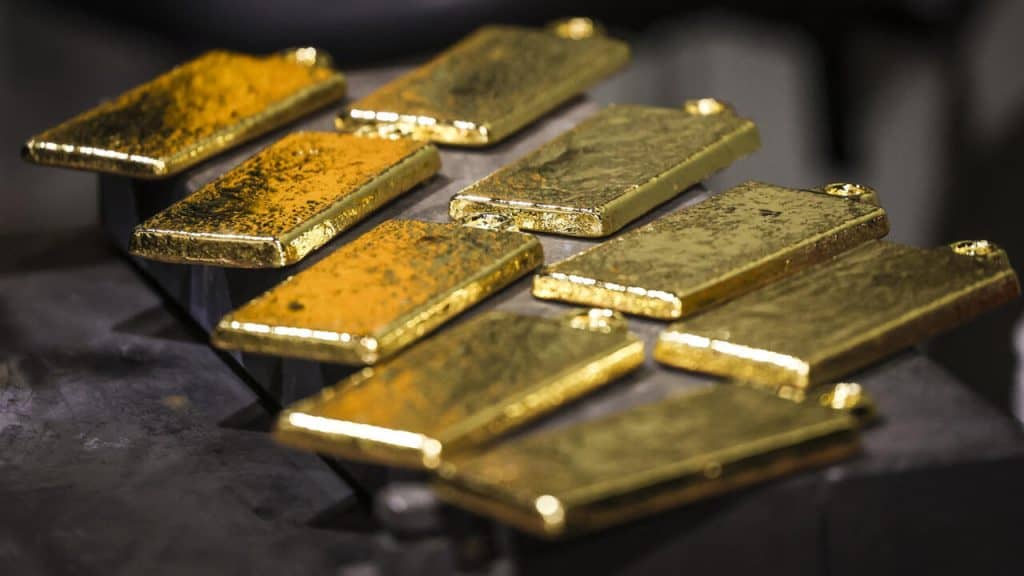
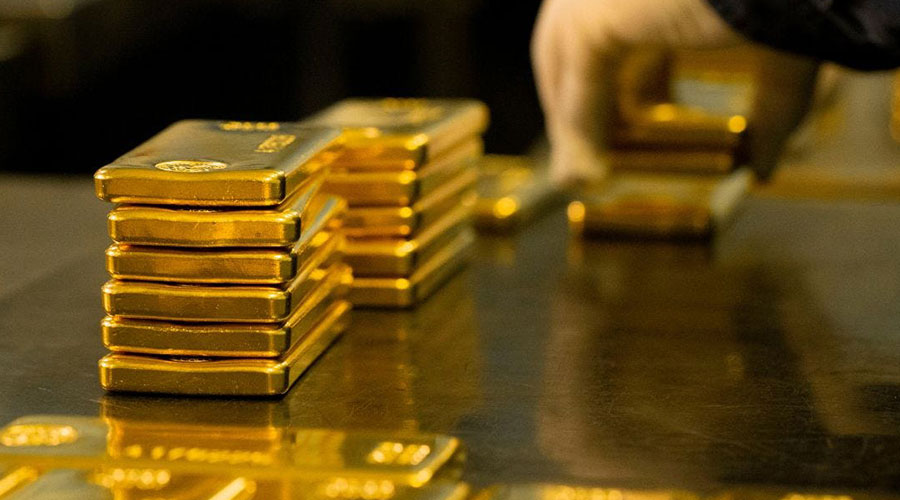
Certified Tanzanian 24K gold bars refined to 99.9%–99.99% purity are the optimal gold product for international investors. Available through MDL-licensed dealers in standardised weights — 1 gram, 5 grams, 10 grams, 100 grams, and 1 kilogram — they carry full assay documentation, serial numbers, and TMAA export certification. These bars are LBMA-comparable in quality and are immediately tradeable in any international bullion market upon delivery.
For serious investors, the 100-gram and 1-kilogram bar sizes offer the best balance between investment efficiency (lowest premium per gram), documentation quality, and shipping economics.
Gold ingots for sale in these sizes from certified East African refineries are available through Buy Gold Bars Africa with the complete documentation package.
Gold Dust and Raw Gold Nuggets — For Refiners and Wholesale Buyers
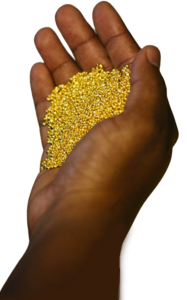
Gold dust and raw gold nuggets from Tanzania’s artisanal mining sector are available at prices below the refined bar market — reflecting the additional refining cost and timeline the buyer must absorb before the material reaches investment-grade certification.
Purity of raw Tanzanian gold dust and nuggets typically ranges from 85% to 95%, requiring fire assay and professional refining before the material can be stamped and certified as investment-grade bullion.
Gold dust sourced through certified African channels is available from Buy Gold Bars Africa for buyers and refiners who work with pre-refinery material and have established relationships with accredited refining facilities. Where to buy raw gold from verified sources across East Africa covers the licensed market access options for buyers interested in pre-refinery material.
22K Gold in Tanzania — Jewellery and Artisan Applications
22K gold jewellery (91.67% purity, hallmarked 916) is produced by Tanzanian artisans and jewellers across the country, with concentrations in Dar es Salaam’s Kariakoo market and jewellery districts in Arusha.
For buyers seeking Tanzanian gold for personal ornamental use or cultural purposes, 22K gold jewellery from verified Tanzanian silversmiths and goldsmiths offers high gold content with genuine craft value.
For investment purposes, however, 22K jewellery is the least efficient gold product — fabrication premiums are not recoverable at resale, and the jewellery format does not carry the assay documentation or standardised dimensions required by international bullion markets. Investment buyers should focus on certified 24K bars rather than 22K jewellery for any gold purchase intended as a financial asset.
![]()
How to Pay for Gold in Tanzania: Secure Payment Methods
Payment security is as important as dealer verification in any Tanzanian gold transaction. The following payment methods are accepted by legitimate licensed Tanzanian gold dealers for international transactions:
Telegraphic Transfer (TT) to a verified business bank account is the most widely used payment method for international gold purchases in Tanzania. Confirm the bank account details match the dealer’s registered business name and TIN before any transfer is made. Never transfer funds to a personal account for a commercial gold purchase.
Letter of Credit (LC) through an international trade bank provides additional security for large transactions — the LC guarantees payment to the seller upon presentation of specified shipping documents, protecting both parties against default.
Escrow Service through a specialist precious metals escrow provider is the safest option for first-time buyers or transactions above USD 50,000. The escrow service holds the buyer’s payment until the seller presents verified shipping documentation — including the Export Permit, TMAA certificate, and airway bill — then releases funds. This structure eliminates the risk of advance payment fraud.
Bank Guarantee from a recognised international bank provides institutional assurance for very large transactions where both parties require documented financial standing confirmation.
Never pay via cryptocurrency, Western Union, MoneyGram, or cash transfer to an unknown account for international gold purchases in Tanzania. These payment methods are untraceable, non-reversible, and the preferred channels of fraudulent sellers. The FAQs about buying gold from Africa cover payment security, scam recognition, and safe transaction structures in detail for international buyers.
Reliable Licensed Gold Dealers in Tanzania for International Buyers
Finding a reliable gold supplier in Tanzania is the foundational decision in every international gold purchase. Tanzania’s licensed gold sector includes both highly professional dealers with documented track records and fraudulent operators whose surface presentation is indistinguishable from genuine businesses without proper verification.
Buy Gold Bars Africa operates in Tanzania’s licensed gold market alongside its Uganda and Ghana operations, offering certified 24K gold bars with SGS or TBS assay documentation, full TMAA-cleared export permits, and international armoured logistics.
The platform provides a complete due diligence package — MDL confirmation, TRA registration, assay certificate examples, and export documentation — before any commercial engagement, and offers escrow payment options for international buyers making first purchases.
Tanzania Gold Refinery (TGR) in Dar es Salaam is Tanzania’s primary large-scale gold refining facility, with a 50-tonne annual refining capacity and the ability to produce certified gold bars from ASM and mine output. TGR bars carry Tanzanian government refinery hallmarks and are accepted across East African bullion markets.
Tanzanian Gold Corporation (TGC) is one of Tanzania’s largest integrated gold producers and trading companies, with direct mine access and refinery relationships that support consistent supply of certified investment-grade gold for commercial buyers.
The key principle for identifying reliable gold suppliers in Tanzania: every legitimate supplier can be verified through the Tanzania Mining Commission’s MDL registry, the TRA’s business registration database, and the Ministry of Minerals’ export licence records. No verification, no business — regardless of how compelling the presentation or pricing appears.
Exporting Gold from Tanzania to the USA, UK, and Europe
Exporting Gold from Tanzania to the United States
US buyers importing Tanzanian gold must comply with US Customs and Border Protection import declaration requirements. Gold bullion is not subject to import duty in the United States, but any consignment with a declared value above USD 10,000 must be declared using FinCEN Form 105 at the point of US customs entry.
Failure to declare results in confiscation and potential criminal investigation — accurate declaration is non-negotiable.
AML (Anti-Money Laundering) KYC documentation — passport, proof of address, source of funds declaration — is required by the importing bank when payment is received by the US buyer from a gold sale, and by the exporting Tanzanian dealer under Tanzania’s own AML regulations. Both parties must complete KYC before any commercial transaction proceeds.
Exporting Gold from Tanzania to the United Kingdom
UK buyers importing Tanzanian gold benefit from HMRC’s investment gold exemption, which makes investment gold bars at 99.5%+ purity VAT-exempt.
Import declaration for consignments above £10,000 is required, and HMRC reporting for capital gains purposes applies when the gold is eventually sold. Full guidance for British buyers accessing East African gold is available on the buy gold in the UK page, covering the complete tax, declaration, and certified dealer selection process.
Exporting Gold from Tanzania to the Gulf and Asia
Buyers routing Tanzanian gold through Dubai — the world’s most active secondary gold trading hub — should review the Dubai gold export rules before finalising their logistics plan. Dubai’s DMCC (Dubai Multi Commodities Centre) framework for gold import, re-export, and responsible sourcing documentation applies to all gold transiting through Dubai, including Tanzanian material, and requires specific documentation beyond the standard Tanzanian export package.
How to Avoid Gold Scams When Buying in Tanzania
Tanzania’s gold market is generally well-regulated, but international buyers operating remotely are exposed to specific fraud patterns that cost investors significant sums every year. These are the scams you will encounter, described precisely so you recognise them immediately.
The advance-fee export fraud. A Tanzanian seller contacts you offering gold at prices 20–40% below the Mining Commission’s published indicative price, then requests advance payment of “export taxes,” “customs clearance fees,” or “insurance deposits” before releasing the gold.
No advance payment before shipment is ever legitimate — a genuine export process involves paying royalties and taxes to the government, not to the seller. The moment advance fees are requested before you have received verified export documentation, you are being defrauded.
The fake certification scam. A seller provides assay certificates, TMAA reports, and Export Permits that are visually convincing but either forged or referencing real certificate numbers assigned to different consignments. Always verify certificate numbers directly with the issuing authority — TBS, TMAA, and the Mining Commission all provide certificate verification services. Never accept certification at face value without independent verification for transactions above USD 10,000.
The sample-and-switch. A seller sends a genuine, high-purity gold sample for testing, then ships a different, lower-purity or counterfeit product for the full commercial consignment. Insist on assay certification of the specific bar serial numbers that will be included in your commercial consignment — not a representative sample — and confirm serial numbers against the TMAA export verification report.
Social media and unsolicited contact. Fraudulent Tanzanian gold sellers are heavily active on WhatsApp, Telegram, LinkedIn, and Facebook, presenting professional profiles, company websites, and photo galleries of gold bars to attract international buyers.
Any seller who initiated contact with you unsolicited should be treated as potentially fraudulent regardless of how legitimate their presentation appears. Always initiate contact with dealers whose licence credentials you have independently verified.
FAQs: Buying Gold in Tanzania
Is it legal for foreigners to buy gold in Tanzania? Yes. Tanzania’s Mining Act explicitly allows foreign investors to purchase and export gold under defined legal requirements. The buyer does not need their own MDL — but must purchase from a licensed MDL-holding dealer, use documented payment channels, and ensure the export complies with all TMAA, TRA, and Ministry of Minerals requirements.
How much is 1 kilogram of gold in Tanzania in 2026? A 1-kilogram certified 24K gold bar in Tanzania is priced at approximately USD 132,000–145,000 at mid-2026 prices, depending on the specific gold spot price at time of purchase, the dealer premium, and the export tax cost structure. Contact Buy Gold Bars Africa for live, LBMA-referenced pricing on specific bar weights and quantities.
What taxes and royalties apply to buying gold in Tanzania for export? The standard export cost burden totals approximately 9–9.3% of declared gold value, comprising: 6% mining royalty (4% via the Bank of Tanzania route), 2% withholding tax, 1% inspection fee, and approximately 0.3% service levy. The Export Permit application costs USD 100 per consignment.
What documentation do I need to receive gold exported from Tanzania? You need: Export Permit, TMAA Verification Report, Assay Certificate (TBS or international accredited lab), Certificate of Origin, TRA Tax Clearance, Customs Declaration Form, Commercial Invoice, and Shipping Insurance Certificate. Your licensed Tanzanian dealer is responsible for obtaining all of these documents.
How long does a Tanzanian gold export take to deliver internationally? From the point of completed documentation and payment, Tanzanian gold exports typically take 3–7 working days for air freight delivery to US, UK, EU, or Gulf destinations, subject to courier capacity and customs clearance at the destination.
What is the minimum quantity for buying gold in Tanzania? Most licensed Tanzanian dealers can accommodate purchases from 1 gram upward for certified bars, with bulk pricing typically activating at 100 grams and above. For artisanal gold dust and nuggets, minimum purchase quantities vary by supplier and season. Contact Buy Gold Bars Africa to discuss minimum order requirements for your specific product format and delivery destination.
Conclusion: Buy Gold in Tanzania Safely, Legally, and Profitably in 2026
Tanzania offers one of East Africa’s most compelling physical gold buying opportunities for international investors — abundant supply from world-class mines and a productive artisanal sector, government-published daily pricing benchmarks that provide genuine price transparency, a structured export regulatory framework that gives buyers a legally defensible paper trail, and competitive source-country prices that undercut Western retail gold bar markets by meaningful margins at current gold spot prices.
The foundation of every safe and profitable gold purchase in Tanzania is the same as it is across any African gold market: verified licensed dealers, independent assay certification, complete export documentation, and secure international payment channels.
Do all of these correctly, and Tanzania’s gold market delivers exactly what it promises: high-purity, certified 24K gold at East African source prices, legally exported and professionally delivered to your international destination.
Buy Gold Bars Africa provides the complete certified gold buying service in Tanzania — MDL-licensed sourcing, TBS and SGS assay certification, TMAA-cleared export documentation, and international armoured logistics through Brinks and G4S — for buyers who want the full professional service without navigating Tanzania’s regulatory framework alone.
Check the current gold stock and gold ingots for sale for bar sizes and current pricing, and contact the team to begin the verified buying process.
Related Topics Worth Exploring
- Buy gold bars from Africa — Certified 24K gold bars from Tanzania, Uganda, Ghana, and South Africa with full assay documentation and international delivery
- Gold in Africa for sale — Current gold bar availability from East and West Africa at live LBMA-tied pricing with complete certification
- Gold ingots for sale — Investment-grade gold ingots from 50g upward from certified East African refineries for international buyers
- Gold dust — Certified raw gold dust from licensed African artisanal mining operations for refiners and wholesale buyers
- Where can I buy raw gold? — Licensed raw gold markets, registered dealer networks, and verified sourcing options across Africa’s producing countries
- How gold is mined and processed — The complete journey from African mine ore to certified 24K gold bar — essential reading for any Tanzania gold buyer
- Uganda gold mines — East Africa’s most price-competitive gold sourcing market, complementing Tanzania for buyers building multi-country East African gold positions
- Uganda gold discovery in northern region — How newly discovered northern Uganda reserves expand East African gold supply options for international buyers
- Gold mining in South Africa — Rand Refinery’s LBMA-accredited bar production compared with Tanzania’s certified export quality
- Gold mining in Guinea — West Africa’s fastest-growing gold sector for buyers comparing East and West African sourcing options
- List of gold refineries in Ghana — PMMC-accredited refinery standards compared with Tanzania’s TBS and TMAA certification frameworks
- Gold export tax in Uganda — Uganda’s export royalty structure compared with Tanzania’s 6% royalty for East African sourcing cost modelling
- Dubai gold export rules — Routing Tanzanian gold through Dubai to Gulf and Asian buyers — regulatory requirements and logistics framework
- What does it cost to ship gold to the USA from Africa — Complete Tanzania-to-USA shipping cost breakdown including armoured courier, insurance, and customs procedure
- Buy gold in the UK — HMRC VAT exemption for investment gold, UK import declarations, and accessing Tanzanian 24K gold from Britain
- FAQs about buying gold from Africa — Comprehensive answers on Tanzania and broader African gold buying — documentation, scams, payment, and shipping
- FAQs about buying gold in Ghana — PMMC certification and Ghana’s export framework compared with Tanzania’s TMAA-led process
- FAQs about buying gold in Sierra Leone — West African gold buying context for buyers comparing sourcing options across the continent
- FAQs about buying gold in South Africa — South Africa’s legal framework and Rand Refinery standards in context with Tanzanian gold
- Gold stock — Current inventory of certified gold bars from Tanzania and across Africa with available weights and live pricing
- About Buy Gold Bars Africa — Company background, Tanzania sourcing operations, ethical standards, and international service capabilities