KENYA GOLD EXPORTS COMPLETE GUIDE 2026
| GOLD PRICE KENYA (APR 2026)
KES 19,442/g ~$150 USD per gram (24K) |
GOLD OZ PRICE (APR 2026)
$4,622/oz KES 597,013 per troy ounce |
1KG GOLD PRICE KENYA
~KES 19.4M ~$150,000 USD per kilogram |
GOLD UP YEAR-ON-YEAR
+40.7% KES-denominated return 2025–2026 |
INTRODUCTION
Kenya Gold Exports in 2026 — Why This Market Deserves Your Full Attention Right Now
Kenya’s gold market is undergoing a transformation that makes 2026 one of the most compelling years in the country’s history to participate in gold exports from Kenya.
With gold trading at KES 19,442 per gram (approximately $150 USD per gram) and $4,622 per troy ounce as of April 2026 — up over 40% year-on-year in KES terms — the value of Kenya’s gold reserves and the revenues available to compliant exporters have never been higher.
Whether you are an investor, a licensed trader, a jewellery manufacturer, or a commodity buyer looking to enter the gold trade in Kenya, this guide gives you everything you need to do it correctly, profitably, and legally.
Kenya’s gold market combines several advantages that are unique in East Africa: a strategic geographic location in Nairobi that serves as a regional trading hub; significant gold deposits in western Kenya including Kakamega, Migori, and Transmara with estimated reserves of 1.31 million kilograms; a stable Kenyan shilling (KES) trading at approximately 129 KES per USD in 2026; a well-developed financial and banking infrastructure that makes international payments for gold transactions more straightforward than in many neighbouring markets; and an improving regulatory framework under the Mining Act, 2016 that is attracting both domestic and international investment.
This updated 2026 guide covers the Kenya gold export procedure step by step — from sourcing gold in Kakamega and Migori, through licensing, assay certification, customs clearance, payment structures, and international logistics.
Every price table uses current April 2026 data. Every regulatory reference reflects the 2026 compliance environment. By the end of this guide, you will have everything required to begin buying and exporting gold from Kenya with confidence and full legal compliance.
WHY KENYA FOR GOLD EXPORTS
Why Kenya is One of East Africa’s Best Gold Export Markets in 2026
Investors and traders asking where to export gold in East Africa in 2026 consistently identify Kenya as a top-tier market for four converging reasons that no other single country in the region provides simultaneously:
- Rich and underexplored gold reserves:Kenya’s western gold belt — particularly the Kakamega-Migori corridor, the Liranda Corridor in Kakamega, and the Migori Greenstone Belt — holds estimated reserves of 31 million kilograms of gold. The Kenya Geological Survey has identified further promising zones in Narok and Turkana that remain largely unexplored. For investors and exporters, this deep reserve base means sustainable long-term supply availability even as global demand intensifies.
- Nairobi as a gold trading hub:Kenya’s capital is East Africa’s most sophisticated financial centre, with a modern banking system, internationally connected airports (Jomo Kenyatta International Airport — JKIA), and established trade routes to Dubai, Switzerland, India, and South Africa. Buying gold in Nairobi and exporting through JKIA is significantly more logistically efficient than routing through less-connected East African markets.
- Stable currency and predictable exchange rates:The Kenyan shilling’s relative stability against the USD (approximately 129 KES per USD in 2026) provides more predictable transaction economics than markets with extreme currency volatility. International buyers purchasing Kenyan gold in USD face lower currency risk than in Sudan or the DRC.
- Growing global demand for East African gold:Gold from Kenya’s Migori Greenstone Belt is in demand in Dubai, India, and Switzerland due to its high purity (22K–24K), ethical artisanal sourcing credentials, and Kenya’s improving compliance documentation framework. The USAID Clean Gold initiative and Kenya’s adherence to OECD responsible sourcing guidelines make Kenyan gold particularly attractive for ESG-conscious buyers in Europe and North America.
| “Kenya offers something rare in the African gold market: the combination of genuine gold reserves, sophisticated financial infrastructure, improving regulatory transparency, and a physical location that makes logistics to Dubai, Switzerland, and India genuinely practical. In 2026, that combination makes Kenya a compelling choice for any serious gold exporter.”
— Buy Gold Bars Africa Limited — 2026 Kenya Market Analysis |

KENYA GOLD PRICES 2026
Gold Price in Kenya 2026 — Current Rates per Gram, Ounce and Kilogram in KES and USD
Understanding the current gold price in Kenya is the starting point for every export transaction. All prices in 2026 are benchmarked against the London Bullion Market Association (LBMA) spot price, converted to Kenyan Shillings at the prevailing USD/KES exchange rate of approximately 1 USD = 129 KES, with local dealer premiums of 1–3% applied.
As of April 30, 2026, the gold price in Kenya today stands at KES 19,442 per gram for 24K gold — a level that represents a 40.71% year-on-year increase from KES 13,809 per gram in April 2025.
Table 1 — Kenya Gold Price Per Gram Today (April 2026)
| Karat / Purity | Price per Gram (KES) | Price per Gram (USD) | Purity Level | Primary Market Use |
| 24K (99.99%) | KES 19,442 | ~$150.60 | 999.9 fine | Investment bars, vaults, export bullion |
| 22K (91.6%) | KES 17,823 | ~$138.00 | 916 fine | Jewellery manufacturing, Asian markets |
| 21K (87.5%) | KES 17,013 | ~$131.80 | 875 fine | Middle East jewellery, Gulf markets |
| 18K (75%) | KES 14,582 | ~$113.00 | 750 fine | European fine jewellery, mixed alloys |
| 14K (58.5%) | KES 11,373 | ~$88.10 | 585 fine | US jewellery market |
| 10K (41.7%) | KES 8,108 | ~$62.90 | 417 fine | Budget jewellery, minimum US standard |
| Source: Live spot rate, April 30 2026 (KES 597,013/oz; USD/KES ~129.18). Gold price per gram in Kenya today is updated continuously as LBMA spot changes. Always request a live quote before transacting. Contact buygoldbarsafrica.com. | ||||
Table 2 — Kenya Gold Price Per Ounce and Per Kilogram (April 2026)
| Weight Unit | 24K Price (KES) | 24K Price (USD) | 22K Price (KES) | 22K Price (USD) |
| Per Gram | KES 19,442 | ~$150.60 | KES 17,823 | ~$138.00 |
| Per Troy Ounce (31.1g) | KES 604,665 | ~$4,686 | KES 554,295 | ~$4,297 |
| 10 Grams | KES 194,420 | ~$1,506 | KES 178,230 | ~$1,381 |
| 100 Grams | KES 1,944,200 | ~$15,071 | KES 1,782,300 | ~$13,814 |
| 500 Grams | KES 9,721,000 | ~$75,365 | KES 8,911,500 | ~$69,082 |
| 1 Kilogram | KES 19,442,000 | ~$150,712 | KES 17,823,000 | ~$138,163 |
| As of April 30, 2026. Spot: KES 604,674/oz (USD $4,622/oz). Local dealer premiums of 1–3% typically apply in Kenya’s market. Export royalty of 5% on gross gold value applies at customs. Contact buygoldbarsafrica.com for live quotes on any weight. | ||||
Table 3 — Kenya Gold Price History — Year-on-Year Performance (2024–2026)
| Period | 24K Price/oz (KES) | 24K Price/gram (KES) | USD/KES Rate | YoY Change |
| April 2024 | KES 295,423 | KES 9,500 | ~129 | Baseline |
| June 2024 | KES 310,000 | KES 9,967 | ~130 | +4.9% |
| December 2024 | KES 380,000 | KES 12,218 | ~131 | +28.6% |
| April 2025 | KES 444,635 | KES 14,297 | ~132 | +50.5% |
| January 2026 | KES 520,000 | KES 16,722 | ~130 | +75.9% |
| April 2026 (Current) | KES 604,674 | KES 19,442 | ~129 | +104.7% vs Apr 2024 |
| Gold in Kenya has more than doubled in KES value since April 2024, driven by global safe-haven demand, USD strength, central bank buying, and J.P. Morgan’s $6,300/oz 2026 forecast. Source: goldrate24.com, goldpricez.com, moneycurrencyconverter.com (2026 data). | ||||
KENYA GOLD MINING REGIONS
Where Kenya’s Gold Comes From — Key Mining Regions and Sources for Exporters in 2026
Understanding where to source gold in Kenya begins with the country’s geological map. Kenya’s primary gold deposits are concentrated in the western and southwestern regions, with the majority of artisanal and small-scale mining (ASM) output coming from three major zones:
Kakamega — The Liranda Corridor and Kenya’s Gold Capital
Kakamega County is Kenya’s most prolific gold-producing region, centred on the Liranda Corridor — a high-grade gold belt that has been mined artisanally for generations.
The Liranda Corridor hosts some of the richest gold-bearing quartz veins in East Africa, with grades that attract growing interest from institutional mining companies seeking to formalise exploration.
Artisanal miners in Kakamega produce predominantly 22K–24K gold in nugget, dust, and small bar form. The region’s proximity to the Nairobi road network makes logistics relatively manageable compared to remote mining zones in the DRC or Uganda’s Karamoja.
Migori — The Migori Greenstone Belt
The Migori Greenstone Belt in southern Nyanza is Kenya’s second major gold-producing region, encompassing both alluvial deposits along river systems and hard-rock lode gold in quartz veins.
Migori’s artisanal mining sector has been the subject of significant USAID Clean Gold programme investment aimed at formalising operations, reducing mercury use, and improving the documentation trail from mine to export.
Gold from the Migori Belt is in demand in UAE and Indian markets for its consistent 22K–24K purity. The region also hosts Macalder Mines — a historically significant deposit with substantial modern exploration interest.
Transmara, Narok and Turkana — Emerging Frontiers
Transmara Sub-County along Kenya’s border with Tanzania is a growing hub for small-scale artisanal mining. Narok and Turkana — identified by the Kenya Geological Survey as high-potential zones — are increasingly attracting exploration investment in 2026, with early-stage discoveries suggesting significant reserve potential.
These frontier zones are not yet contributing materially to Kenya’s gold export volumes, but for investors with a longer time horizon, they represent the most significant gold exploration opportunity in Kenya in decades.
LEGAL FRAMEWORK
The Legal Framework for Kenya Gold Exports in 2026 — Everything You Need to Know About Compliance
Kenya’s gold export regulations are governed primarily by the Mining Act, 2016, enforced by the Ministry of Mining, Blue Economy and Maritime Affairs.
The Act modernised Kenya’s mining licensing and environmental standards, requiring community consultation, environmental impact assessments, and royalty payments to the state and local communities.
Understanding this framework is not optional — non-compliance leads to fines, shipment seizure, and criminal prosecution. Here is the complete 2026 regulatory picture:
The Mining Act, 2016 — The Foundation of Kenya Gold Export Law
Every person buying, selling, or exporting gold in Kenya must hold a valid dealer’s licence under the Mining Act. The licence costs approximately KES 100,000 (~$775 USD) annually, applied for through the Ministry of Mining’s online portal.
Dealer’s licences are non-transferable and must be renewed annually. Operating without a valid dealer’s licence when trading gold in Kenya is a criminal offence carrying fines and imprisonment under Section 164 of the Act.
Export Licensing and Permits
To export gold from Kenya, you must hold both a dealer’s licence and a separate gold export permit issued by the Ministry of Mining or the Export Processing Zones Authority (EPZA) if operating within an Export Processing Zone.
The export permit application requires: proof of gold origin (mining licence or licensed supplier documentation), dealer’s licence, Certificate of Origin from the Ministry, quality certificate from the Kenya Bureau of Standards (KEBS), and KRA tax clearance. Processing takes 1–2 weeks, with fees of $100–$500 per shipment depending on size and value.
Taxation — Gold Royalty, Withholding Tax and Customs Duties
Kenya’s tax framework for gold exports in 2026 includes three primary charges: a 5% royalty on the gross value of gold payable to the government (the primary cost); a withholding tax that may apply to international payments; and customs duties (generally waived on raw gold but applicable to refined products).
Exporters must register with the Kenya Revenue Authority (KRA) for a Tax Identification Number (TIN PIN) before initiating any export transaction. KRA tax clearance is required as part of the export permit application.
Anti-Money Laundering (AML) and KYC Requirements
Kenya’s Proceeds of Crime and Anti-Money Laundering Act requires all gold exporters to verify the origin of gold — particularly when purchasing from artisanal or small-scale miners — and to maintain detailed transaction records including buyer background checks, source-of-funds declarations, and proof that gold is conflict-free.
Kenya adheres to OECD responsible sourcing guidelines. For international transactions, banks and financial institutions must report suspicious activity.
AML and KYC compliance is not a bureaucratic formality in 2026 — it is a pre-condition for banking access and international payment processing.
Environmental Compliance — NEMA and KEBS
The National Environment Management Authority (NEMA) oversees compliance with environmental laws for all mining and export activities. An environmental compliance certificate from NEMA is required as part of the gold export documentation package.
KEBS certification confirms that gold meets purity standards acceptable to international markets. Combined, these environmental and quality certifications form a critical part of Kenya’s gold export compliance framework that international buyers — particularly in Europe — increasingly require for ESG-compliant purchasing.
| Critical Warning: Gold Export Scams in Kenya’s Market in 2026
Kenya’s gold market continues to attract fraudulent operators who present fake documentation, counterfeit gold, or inflated prices to international buyers. The most common scams involve sellers presenting forged dealer’s licences, misrepresented gold purity (offering 14K as 24K), and advance-fee fraud where large upfront payments are demanded before gold is delivered. Every legitimate gold dealer in Kenya can provide a verifiable dealer’s licence number registered with the Ministry of Mining. Never send funds to an unlicensed seller, avoid cash transactions for any significant gold purchase, and always insist on independent assay from a government-approved laboratory — SGS Kenya, Assay Lab Kenya, or KEBS-certified labs — before finalising any transaction. |
STEP-BY-STEP EXPORT GUIDE
How to Export Gold from Kenya in 2026 — The Complete Step-by-Step Process
The Kenya gold export procedure in 2026 follows a structured seven-step process. Working through each step correctly — with the right documentation, the right partners, and the right payment structures — is the difference between a profitable international gold transaction and a legal and financial disaster.
| Step 1 Source High-Quality Gold from Kenya’s Mining Regions
Your starting point is establishing a reliable, documented gold supply chain. Kenya’s gold comes in three primary forms: bars (1g to 1kg), nuggets, and dust, predominantly sourced from artisanal miners in western Kenya. Primary sourcing zones are Kakamega (Liranda Corridor), Migori (Migori Greenstone Belt), and the Transmara-Narok corridor. You can source directly from artisanal miners, through licensed dealers in Nairobi’s gold markets, or through the Nairobi Gold Exchange. In 2026, with 24K gold trading at KES 19,442 per gram (~$150 USD), prices at source for 22K–24K artisanal gold typically run at 5–10% below LBMA spot — around KES 17,500–18,500 per gram (~$135–$143 USD). Always verify gold authenticity through: XRF (X-ray fluorescence) testing at accredited labs like Assay Lab Kenya (~$50 per test, non-destructive) or fire assay for bulk purchases (~$100 per test, more accurate). Never accept a seller’s purity claim without independent laboratory verification. |
| Step 2 Verify Supplier Legitimacy and Conduct AML Due Diligence
Before any purchase is agreed, conduct thorough due diligence on your supplier. Verify their dealer’s licence number directly with Kenya’s Ministry of Mining — do not rely on a photocopy provided by the seller. Request a Certificate of Origin, proof of mining permits, and source documentation showing how they acquired the gold. Under Kenya’s AML requirements, you must conduct background checks on sellers, particularly when purchasing from artisanal and small-scale miners. Document the gold’s provenance trail from mine to your possession. Request a conflict-free sourcing declaration, particularly for Migori and Kakamega gold destined for European buyers who require OECD Due Diligence compliance. Avoid cash transactions entirely. Use bank transfers via KCB, Equity Bank, or standard Kenyan commercial banks for full traceability. For large transactions, use escrow services to hold funds until the gold is independently verified and export documentation is confirmed. |
| Step 3 Obtain Your Dealer’s Licence and Gold Export Permit
A dealer’s licence (KES 100,000 / ~$775 annually) is required before you can legally buy or sell gold in Kenya. Apply through the Ministry of Mining’s online portal with your ID, business registration documents, and the required fee. Processing takes 2–4 weeks for new applicants. Separately, apply for a gold export permit for each shipment. Required documents: completed application form (Ministry of Mining portal), gold quality certificate (KEBS), Certificate of Origin, dealer’s licence, KRA tax clearance certificate (TIN/PIN). Export permit processing takes 1–2 weeks, with fees of $100–$500 depending on shipment size. Foreign companies seeking to operate in Kenya’s gold export market should engage a Kenyan-qualified legal firm with mining law expertise. This is particularly important for navigating community consultation requirements, NEMA compliance, and the Ministry’s technical and financial capacity assessment process for licence issuance. |
| Step 4 Test and Certify Your Gold to International Standards
Before export, your gold must be certified by KEBS (Kenya Bureau of Standards) for purity and weight. For international markets, SGS Kenya is the most widely recognised third-party testing laboratory — its certifications are accepted by buyers in Dubai, Switzerland, India, and the USA. Testing costs KES 6,500–19,500 (~$50–$150) per lot, depending on the test method and number of elements tested. Certification adds critical credibility for international buyers: a KEBS certificate plus an SGS assay report is the documentation package that satisfies import customs in Dubai’s DMCC, Switzerland’s LBMA-aligned refineries, and India’s Notified Agencies. For multi-element lots (gold plus silver or platinum group metals), request ICP (inductively coupled plasma) analysis at $25 per element tested. This is relevant for Migori gold, which occasionally co-occurs with silver. |
| Step 5 Arrange Secure Payment for Your Kenya Gold Transaction
Payment security is critical in Kenya’s gold market. The standard structure for compliant Kenya gold export transactions is: 30% advance payment via SWIFT bank transfer on independent assay confirmation, with the 70% balance released on export permit issuance and customs sealing of the shipment. For large transactions (above KES 500,000 / ~$3,875), use escrow services — platforms like Escrow Kenya or international escrow providers hold funds until gold is verified and documentation confirmed. For smaller transactions, KCB or Equity Bank wire transfers provide adequate traceability. Never use M-Pesa or mobile money for commercial gold transactions — these lack the audit trail required by KRA, AML compliance, and international banking correspondent requirements. Cash payments are a red flag for both Kenya’s AML authorities and destination country import regulators. |
| Step 6 Navigate Customs Clearance and Export Documentation
Kenya Revenue Authority (KRA) handles customs clearance for all gold exports. The exporter must file with KRA Customs, declare the shipment with full gold specifications (weight, purity, declared USD value), pay the 5% royalty and any applicable customs duties, and receive a KRA clearance certificate before the gold can be physically transported to JKIA. The complete Kenya gold export documentation package includes: KRA customs declaration form, export permit (Ministry of Mining), KEBS quality certificate, SGS/accredited assay report, Certificate of Origin, dealer’s licence, commercial invoice, packing list, AML/KYC compliance documentation, and insurance certificate. All documentation must be consistent — the weight, purity, and declared value must match exactly across all documents. Discrepancies trigger automatic KRA review and potential shipment hold. |
| Step 7 Organise Secure Logistics and International Delivery
Transporting gold from Kenya internationally requires specialist precious metals carriers. Brinks and DHL Precious Metals are the primary options for insured, tracked international delivery of gold from Nairobi’s JKIA. Both provide GPS-tracked armoured handling and full declared-value all-risk insurance. Gold must be packed in tamper-proof containers before handover to the carrier. Shipping costs from JKIA typically range from $500–2,000 for international delivery depending on weight and destination. Always insure at 101% of declared gold value — standard carrier insurance caps at $100, completely inadequate for any meaningful gold consignment. Primary export destinations for Kenyan gold: Dubai (DMCC) — requires a No Objection Certificate (NOC); Switzerland (Geneva/Zurich) — requires OECD-compliant sourcing documents; India (Mumbai) — high demand for jewellery-grade 22K gold. Each destination has specific import requirements — engage a customs agent in the destination country to ensure smooth clearance. |
REQUIRED DOCUMENTATION
Complete Kenya Gold Export Documentation Checklist 2026
Missing documentation is the most common cause of shipment delays and export failures in Kenya’s gold market. Here is the complete list of documents required to legally export gold from Kenya in 2026:
Table 4 — Kenya Gold Export Documentation Requirements 2026
| # | Document | Issued By | Why It Is Required |
| 1 | Dealer’s Licence | Ministry of Mining | Legal authorisation to buy and sell gold in Kenya. KES 100,000/yr. Required before any transaction. |
| 2 | Gold Export Permit | Ministry of Mining / EPZA | Per-shipment authorisation for international gold export. $100–$500 fee. |
| 3 | Certificate of Origin | Ministry of Mining | Confirms Kenyan provenance of the gold. Required by all major destination countries. |
| 4 | KEBS Quality Certificate | Kenya Bureau of Standards | Confirms gold meets purity and weight standards for international trade. |
| 5 | SGS / Accredited Assay Report | SGS Kenya or accredited lab | Independent third-party purity verification. $50–$150 per lot. |
| 6 | KRA Tax Clearance (TIN) | Kenya Revenue Authority | Required for export permit application and customs clearance. |
| 7 | KRA Customs Declaration | Kenya Revenue Authority | Filed at customs; declares weight, purity, declared USD value. |
| 8 | Commercial Invoice | Exporter | Full transaction details: buyer, seller, quantity, purity, price, payment terms. |
| 9 | Packing List | Exporter | Details contents of each sealed container. Must match invoice exactly. |
| 10 | AML / KYC Compliance Docs | Exporter / KRA | Source-of-funds declaration, buyer background check, conflict-free declaration. |
| 11 | NEMA Environmental Certificate | National Environment Management Authority | Required for mining-related export activities. |
| 12 | Air Waybill + Insurance Certificate | Brinks / DHL / airline | Shipping confirmation and all-risk precious metals insurance. 101% of declared value. |
| All 12 documents must be present, accurate, and cross-referencing. KRA customs officials cross-check declared weight, purity, and value across documents. Discrepancies trigger review and potential seizure. | |||
COSTS AND TAXES
Kenya Gold Export Costs and Taxes 2026 — What You Will Actually Pay
Every international gold buyer and exporter needs a complete, honest picture of all costs involved in the Kenya gold export process. Here is the full cost breakdown for 2026 — no hidden elements:
Table 5 — Complete Kenya Gold Export Cost Breakdown (2026)
| Cost Component | Rate / Amount (KES) | Rate / Amount (USD) | Notes for Exporters |
| Gold Royalty Tax | 5% of gross value | 5% of gross value | Primary government charge. Paid to KRA before export permit issued. |
| Dealer’s Licence | KES 100,000/yr | ~$775/yr | Annual; required before any buying or selling. Apply via Ministry portal. |
| Export Permit Fee | Variable | $100–$500 per shipment | Depends on shipment size and value. |
| KEBS Quality Certification | KES 3,500–8,000 | ~$27–$62 | Per lot. Required for all gold exports from Kenya. |
| SGS Assay / XRF Test | KES 6,500–19,500 | ~$50–$150 | Per lot. XRF for screening; fire assay for bulk. SGS Kenya is preferred. |
| KRA Customs Processing | Variable | $50–$200 est. | Standard customs clearance fee per shipment. |
| Airfreight (JKIA to destination) | Variable | $500–$2,000+ | Brinks / DHL. Depends on weight and destination (Dubai cheaper than Switzerland). |
| Precious Metals Insurance | ~0.5–1% of gold value | Per shipment | All-risk coverage at 101% declared value. Mandatory for Brinks / DHL. |
| Legal / Customs Agent Fees | Variable | $300–1,000+ | Recommended for foreign exporters; handles permits and KRA compliance. |
| — TOTAL (excl. gold purchase) | ~6–8% of gold value | Per shipment | Budget additional fixed costs above. For a KES 1.94M (1kg) shipment: ~KES 116,000–155,000 in total charges. |
| Kenya’s 5% royalty is higher than the DRC (3.5%) and Uganda (5% but with no VAT on exports), and lower than Tanzania (7–8% combined). For a 1kg 24K gold shipment valued at KES 19.4M (~$150,000), total export costs represent approximately KES 1.1–1.5M ($8,500–$11,600). | |||
WHAT TO BUY AND EXPORT
Types of Gold Available to Buy and Export from Kenya in 2026
Kenya’s gold market offers several distinct product types suited to different buyer needs. Understanding which form matches your investment strategy, end use, and compliance requirements determines both the price you pay and the documentation required:
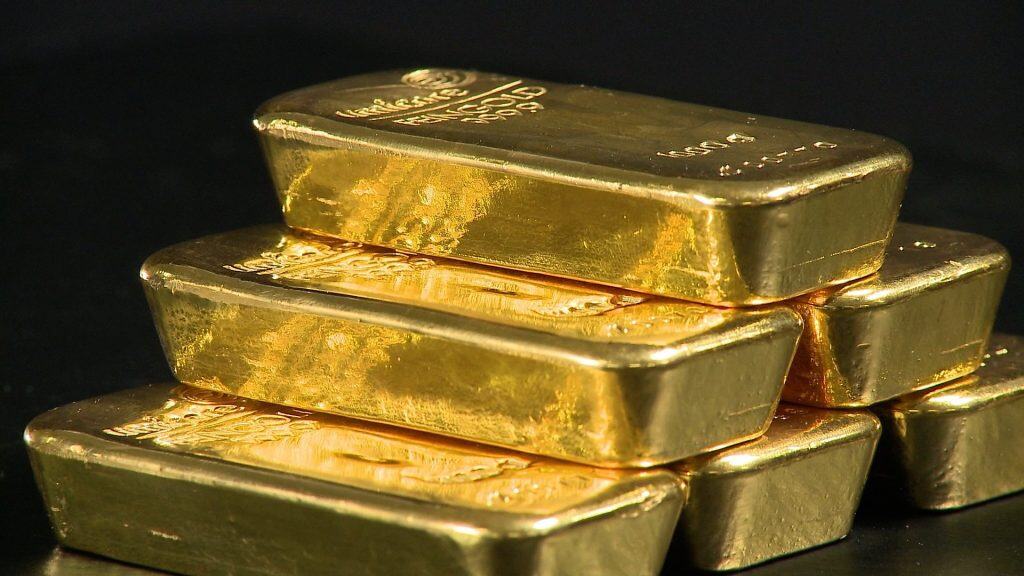
- 24K Gold Bars (1g to 1kg):The highest purity investment grade. Produced by accredited Kenyan assayers or sourced directly from large-scale operations and licensed Nairobi dealers. At KES 19,442/gram ($150/gram) in April 2026, a 1-kilogram 24K gold bar from Kenya costs approximately KES 19,442,000 (~$150,712 USD). Ideal for institutional investment, vault storage, and re-export to Switzerland and Dubai.
- 22K Gold Jewellery Scrap and Bars:The most commonly traded form in Kenya’s artisanal market. 22K gold from Kakamega and Migori artisanal miners typically sells at KES 17,823/gram (~$138/gram) — 5–8% below 24K pricing. High demand from Indian jewellery manufacturers and UAE gold souks.
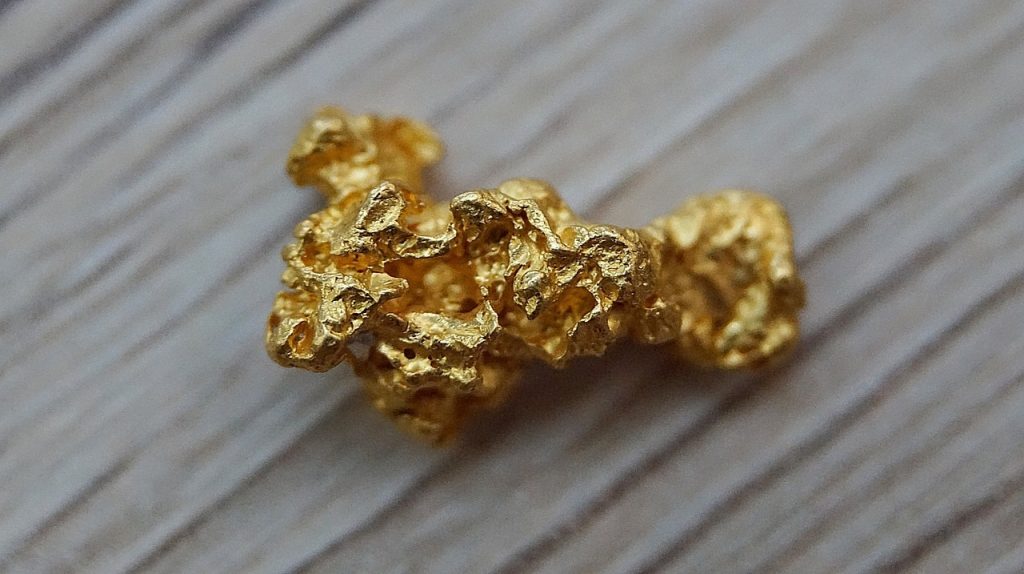
- Raw Gold Nuggets:Natural gold pieces directly from alluvial mines in Migori and Kakamega. Typically 85–95% purity. Popular with UAE refineries. Always obtain an independent assay before purchasing — natural nugget purity varies significantly between samples.
- Gold Dust (Alluvial Gold):Fine gold particles from artisanal panning. Predominantly 22K–23K purity. Common in Kenya’s western mining regions. Must be verified for purity through XRF or fire assay before any commercial transaction. Popular with Indian refineries sourcing feedstock.
- Gold Coins:South African Krugerrands and British Britannia-standard coins are available through licensed Nairobi dealers. High global liquidity and recognition. Suitable for individual investors and collectors.
EXPORT MARKETS AND PRICING
Kenya Gold Export Destinations — Dubai, Switzerland, India and How to Access Each Market in 2026
Kenyan gold is primarily exported to Dubai (UAE), India, and Switzerland — three markets whose specific requirements you must understand before dispatching any shipment:
Dubai (UAE) — Kenya’s Primary Gold Export Market
Dubai is the world’s largest gold trading hub and the destination for the majority of Kenya’s gold exports in 2026. The UAE’s DMCC (Dubai Multi Commodities Centre) operates the world’s leading precious metals exchange, and Dubai’s refineries process gold from across Africa for global redistribution.
Exporting gold from Kenya to Dubai requires: a No Objection Certificate (NOC) from the DMCC or UAE destination entity, a Certificate of Origin, KEBS and SGS assay reports, and a commercial invoice with full Incoterms specification. Kenya gold arrived at Dubai is typically assayed again at a DMCC-licensed laboratory before trade.
Switzerland — The World’s Gold Refining Capital
Switzerland’s Geneva and Zurich refineries — including PAMP, Valcambi, and Argor-Heraeus — are the world’s most sophisticated gold processing facilities.
Exporting gold from Kenya to Switzerland requires OECD Due Diligence-compliant sourcing documentation — meaning the gold’s provenance must be traceable from mine to export point, with evidence of conflict-free origin and responsible mining practices.
Swiss refineries are increasingly stringent in 2026, and Kenyan gold that carries USAID Clean Gold programme certification or demonstrable OECD-compliant supply chain documentation commands a premium.
India — The World’s Largest Gold Consumer
India consumed approximately 800–900 tonnes of gold in 2025, driven by jewellery demand, festival seasons, and investment buying. Indian buyers are particularly interested in Kenya’s 22K gold, which matches the karat standard most commonly used in Indian jewellery manufacturing.
Importing gold into India requires documentation via India’s Notified Agency system — importers must be registered, and gold must arrive with full Certificate of Origin, assay report, and commercial invoice. Kenya’s relatively short air freight route to Mumbai via JKIA — served by KQ, Emirates, and Etihad — makes logistics practical and cost-efficient.
INVESTMENT OPPORTUNITIES
Investment Opportunities in Kenya’s Gold Sector in 2026 — How to Profit from the Boom
Kenya’s gold investment market offers multiple entry points for investors at different capital levels and risk tolerance profiles. Here are the primary opportunities in 2026:
- Physical gold bars and bullion:Buy 24K gold bars from licensed Nairobi dealers at KES 19,442/gram ($150/gram). Export or store in professional vaults. At J.P. Morgan’s forecast of $6,300/oz by year-end 2026, a 1-kilogram bar purchased today at ~$150,712 could be worth ~$196,000 by December 2026 — a potential 30% return on a single kilogram.
- Artisanal mining partnerships:Invest in formalised small-scale mines in Kakamega or Migori for direct access to gold at source prices (typically 5–10% below LBMA spot for raw material). Requires compliance with the Mining Act and NEMA environmental standards.
- Gold ETFs and securities:Kenya’s Nairobi Securities Exchange (NSE) lists gold-related securities, including ETFs and mining company shares. For investors seeking exposure without the logistics of physical gold, NSE gold products provide a less hands-on alternative.
- Online gold trading platforms:Emerging digital gold platforms operating in Kenya allow buyers to purchase fractional gold amounts online, with physical backing guaranteed by licensed dealers. Lower barrier to entry, suitable for first-time investors.
| Pro Investment Strategy for 2026
For buyers who want the best combination of value and documentation quality, source 24K gold from a licensed Africa gold exporter in partnership with Buy Gold Bars Africa Limited — who manages the full chain: supplier verification, SGS assay, export permit, KRA customs, Brinks logistics, and delivery to Dubai, Switzerland, or India. This eliminates the most common failure points while preserving the substantial price advantage of Kenya mine-direct sourcing vs. global retail markets. |
YOUR KENYA GOLD PARTNER
Export Kenya Gold Profitably and Legally — Partner With Buy Gold Bars Africa Limited
Kenya’s gold export market in 2026 rewards buyers and exporters who combine knowledge with the right licensed partners. The price is compelling — 24K gold at KES 19,442/gram ($150/gram), up 40.7% year-on-year, with J.P. Morgan forecasting further gains to $6,300/oz by year-end.
The demand is global — Dubai, Switzerland, and India are all active buyers of Kenya’s high-quality gold. The regulatory path is clear for those who follow it correctly.
Buy Gold Bars Africa Limited is a licensed Africa gold exporter with direct sourcing relationships across Kenya’s Migori and Kakamega mining regions, as well as established networks in Uganda, Ghana, South Africa, DRC, and Tanzania.
We provide Kenya gold buyers and exporters with a complete, managed service: supplier verification, SGS Kenya assay coordination, export permit management, KRA customs compliance, Brinks insured delivery, and a full documentation package accepted by buyers in Dubai, Switzerland, and India.
| What You Get When You Work With Buy Gold Bars Africa Limited on Kenya Gold Exports:
✓ Verified licensed Kenyan gold suppliers with Mining Act-compliant dealer licences ✓ 24K gold at 99.99% purity — SGS Kenya assay certified before any payment is finalised ✓ Competitive mine-area pricing: 5–10% below LBMA spot for artisanal 22K–24K gold ✓ Complete documentation package: export permit, KEBS cert, Certificate of Origin, AML/KYC, insurance ✓ KRA customs compliance managed on your behalf — royalty payment, clearance, and declaration ✓ 30/70 escrow-protected payment — 70% released only after SGS assay confirmation ✓ Brinks or DHL insured air freight from JKIA to Dubai, Switzerland, India, USA, UK, and beyond ✓ Full refund guarantee if gold fails third-party purity assay on arrival at destination ✓ 24/7 WhatsApp support: +256 707 585144 | buygoldbarsafrica.com
Whether you want to buy 100g for personal investment or negotiate a multi-kilogram monthly supply agreement, contact us today. Live 2026 LBMA-referenced quotes delivered within 24 hours. No obligation. |
Kenya’s gold market in 2026 is at a historic inflection point: reserves are rich and underexplored, the regulatory framework is strengthening, global gold prices are at all-time highs, and the demand from Dubai, India, and Switzerland has never been stronger.
The buyers and exporters who enter this market now with the right licensed partners will look back on 2026 as the year they made their best gold investment decision.
Contact Buy Gold Bars Africa Limited today and begin your Kenya gold export journey today — compliantly, profitably, and with confidence.