What Is a Gold Bid? Gold Bid vs Ask Price Explained
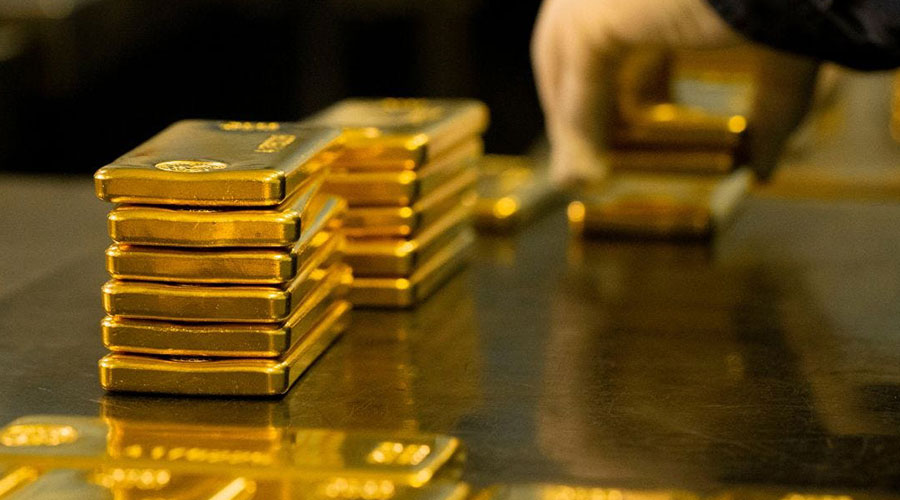
What is a Gold Bid: A gold bid is the highest price a buyer is willing to pay for gold at a given moment, usually quoted per troy ounce (31.1 grams). The ask (or offer) is the lowest price a seller will accept, and the gap between the two is called the spread.
For investors, the rule is simple:
- When you sell gold, you receive the bid price.
- When you buy gold, you pay the ask price.
For example, if a dealer quotes a 1 oz gold bar at US$4,200 bid / US$4,290 ask, the dealer will pay you US$4,200 to buy your bar, but charge you US$4,290 to sell you one. The US$90 difference is the spread, which covers the dealer’s costs and profit.
Gold bids appear in every gold market, including spot trading, futures exchanges such as COMEX, the twice-daily LBMA Gold Price auction, physical gold auctions and private over-the-counter (OTC) deals. Together, buyers’ bids and sellers’ asks set the gold price you see every day.
Whether you’re buying gold bars, gold coins or looking to sell your gold for cash, understanding the gold bid helps you avoid overpaying and get a fair price. This guide explains what a gold bid is, how it works, what moves it and how to use it to your advantage.
Gold Bid, Ask, Spot Price and Spread at a Glance
| Term | What it means | Who it matters to |
| Bid price | The highest price a buyer will pay for gold | You receive it when you sell gold |
| Ask (offer) price | The lowest price a seller will accept | You pay it when you buy gold |
| Spread | The difference between the ask and the bid | Your trading cost: smaller is better |
| Spot price | The live market price for immediate delivery of gold, usually midway between bid and ask in the wholesale market | The benchmark all dealers price from |
| Premium | The amount a dealer charges above spot for coins and bars | Added to the price you pay when buying |
Check the live gold price per ounce for today’s bid and ask.
What Is a Gold Bid?
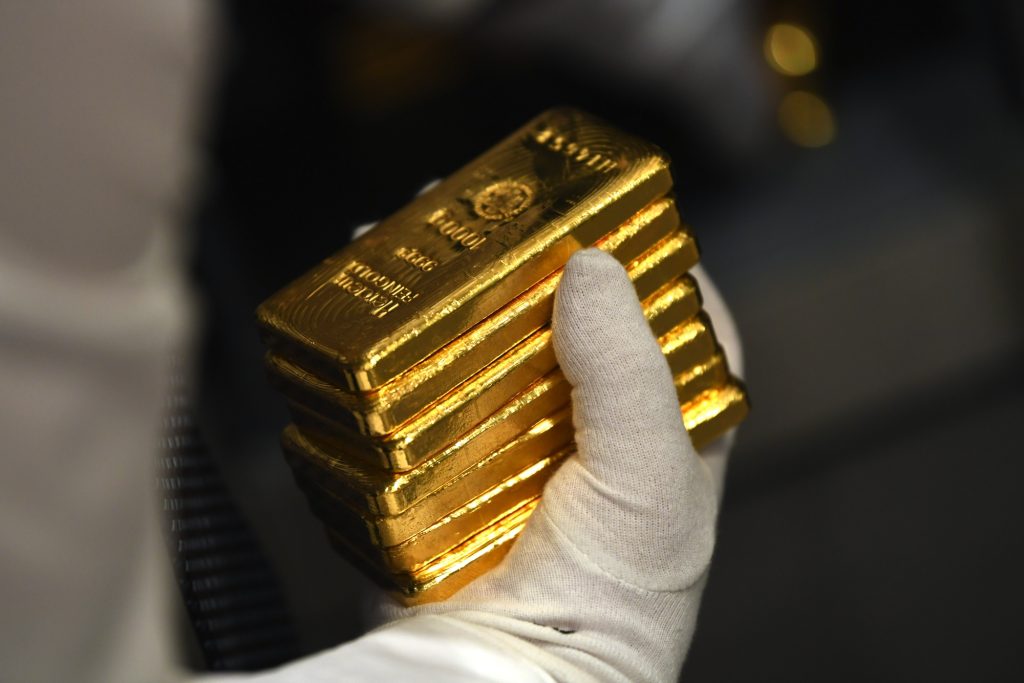
A gold bid is the price a buyer offers to pay for gold, normally expressed per troy ounce. One troy ounce equals 31.1035 grams, which is slightly heavier than a standard ounce.
In financial markets, the bid is one half of the bid-ask spread:
- Bid:The highest price any buyer is currently willing to pay
- Ask:The lowest price any seller is currently willing to accept
- Spread:The difference between the two, which shows how liquid the market is and how much a trade costs
In the wholesale market, where banks trade large gold bars, spreads are tiny, often well under US$1 per ounce. For retail investors buying or selling small bars and coins, spreads are wider, because dealers must cover refining, minting, storage, insurance and their profit margin.
Who Pays the Bid Price?
The bid price is paid by the buyer to the seller. When you deal with a gold dealer:
- If you’re selling gold, the dealer is the buyer, so you receive the dealer’s bid
- If you’re buying gold, the dealer is the seller, so you pay the dealer’s ask
This is why your gold is worth slightly less the moment you buy it: you buy at the ask and could only sell straight back at the bid.
Where Gold Bids Happen
Gold bids appear in several different markets:
- Spot market:Gold is traded for immediate delivery, and bids reflect real-time supply and demand.
- Futures market:Contracts for future delivery of gold are traded, and bids reflect expectations of future prices.
- The LBMA Gold Price auction:The twice-daily global benchmark price is set through an electronic auction of bids and offers.
- Physical gold auctions:Collectors bid on rare coins, historic bars and jewelry.
- Over-the-counter (OTC) deals:Banks, refiners, central banks and large investors negotiate bids privately.
How Gold Bids Work
1. Spot Market Bidding
In the spot market, gold bids are driven by real-time supply and demand. Most global gold trading happens over the counter in London, where banks and dealers that are members of the London Bullion Market Association (LBMA) trade directly with each other. Trading also happens in New York, Zurich, Shanghai, Dubai and other hubs. Note that the LBMA is a trade association, not an exchange.
The LBMA Gold Price is the world’s main benchmark. It is set twice a day, at 10:30 am and 3:00 pm London time, through an electronic auction run by ICE Benchmark Administration. Participating banks submit bids (to buy) and offers (to sell), and the price is adjusted until buying and selling balance. Central banks, refiners, miners and dealers use this price for contracts worldwide.
2. Futures Market Bidding
On futures exchanges such as COMEX (part of CME Group in New York), traders bid on contracts to buy gold at a set price on a future date. A standard COMEX gold futures contract covers 100 troy ounces. Futures bids reflect what traders expect gold prices to be in future, so they are influenced by interest rates, inflation and geopolitical events.
3. Auction Bidding
In physical gold auctions, bidders compete for coins, bars or jewelry by offering increasingly higher bids. The highest bid when the auction closes wins. Auction houses such as Heritage Auctions, Stack’s Bowers and Sotheby’s sell rare gold items. Bids for these can rise far above the gold’s melt value because of their rarity, age or historical importance (known as numismatic value).
4. Over-the-Counter (OTC) Bidding
In OTC deals, buyers and sellers negotiate directly, often for large amounts of gold bullion. Bids are usually based on the spot price, plus or minus a discount or premium that depends on:
- The purityof the gold (for example, 99.99% refined bars against unrefined doré)
- The quantitybeing traded
- Delivery location, shipping and insurance costs
- Payment termsand the trust between the two parties
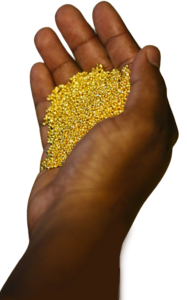
For example, refined bars bought directly from African exporters are typically priced off the LBMA Gold Price. Buyers should be wary of any “bid” or offer far below the spot price, which is a common sign of a scam.
What Moves the Gold Bid Price?
Gold bids change constantly. The main drivers are:
- Supply and demand:Mining disruptions or strong buying push bids higher.
- Safe-haven demand:During economic crises, wars or market crashes, investors rush to buy gold, raising bids.
- Interest rates:Gold pays no interest, so higher rates can lower bids and lower rates usually lift them.
- The US dollar:Gold is priced in US dollars, so a weaker dollar makes gold cheaper for foreign buyers and tends to raise bids.
- Central bank buying:Central banks have been major gold buyers in recent years, supporting prices.
- Inflation:Rising inflation increases demand for gold as a store of value.
- Market sentiment:Speculative trading can cause sharp short-term swings, especially in futures markets.
See what experts expect next in our gold price forecast.
Why Gold Bids Matter
- Price discovery:Bids and asks together set the fair market price of gold.
- Liquidity:Active bidding means gold can be bought and sold quickly, almost anywhere in the world.
- Your real selling price:The bid tells you what your gold is actually worth if you sell today, not the advertised spot price.
- Trading costs:A narrow spread means lower costs, while a wide spread means you lose more each time you buy and sell.
- Hedging:Miners, jewelers and investors use futures bids to lock in prices and protect against price swings.
How to Get the Best Bid When You Sell Gold
- Know the live spot pricebefore you contact any buyer.
- Compare bids from several dealers.Reputable dealers usually bid within a few percent of spot for standard bars and coins.
- Sell recognized products.LBMA-approved bars and popular coins get better bids than unbranded items.
- Keep your certificates and receipts.Assay certificates and original packaging help you get a higher bid.
- Sell larger bars carefully.Larger bars usually have narrower spreads, but fewer buyers.
- Avoid pressure sales.Never accept a bid far below spot just because the buyer wants a quick deal.
Learn how to check your gold before selling in our guides to spotting fake gold and gold authentication.
How to Pay Less When You Buy Gold
- Compare ask prices and premiumsbetween dealers.
- Buy larger bars, such as 1 oz, 100 g or 1 kg bars. These have lower premiums per gram than small bars. See 1 oz gold bar price todayand African gold bar prices.
- Choose investment-grade 24K bullionover jewelry, which carries extra making charges.
- Buy from licensed dealerswho provide assay certificates and clear pricing based on spot.
New to gold? Read how to buy gold bars for beginners.
Gold Bids in Practice: Examples
All examples are based on a gold price of about US$4,250 per ounce.
- Selling to a dealer:You sell a 1 oz gold bar. The dealer’s bid is US$4,200, so you receive US$4,200, about 1.2% below spot.
- Buying from a dealer:You buy the same type of bar. The dealer’s ask is US$4,290, so you pay US$4,290, about 0.9% above spot.
- Futures:A fund expecting gold to rise bids for one COMEX contract of 100 oz at US$4,300 per ounce for future delivery. If gold rises to US$4,500, the contract gains about US$20,000.
- Auction:A rare gold coin with a melt value of US$1,200 opens at a US$3,000 bid. Competitive bidding pushes the final price to US$7,500, because of its rarity and collector value.
Figures are examples only. Gold prices change every day.
Risks of Gold Bidding
- Price volatility:Gold can move sharply. It fell by more than 20% from its all-time high in January 2026 before recovering, so futures traders using leverage can lose quickly.
- Counterparty risk:In OTC deals, the other side may fail to deliver gold or payment. Use licensed dealers, escrow and independent assay.
- Market manipulation:Some banks have been fined by US regulators for “spoofing”, which means placing fake bids and offers to move gold futures prices.
- Wide spreads:Rare items, small coins and less active markets can have large spreads, reducing your returns.
- Scams:Fake gold and “too good to be true” offers below spot are common, especially in online and cross-border deals.

FAQs: What Is a Gold Bid?
What does bid mean in gold? The bid is the highest price a buyer is currently willing to pay for gold. When you sell gold, you receive the bid price.
What is the difference between the gold bid and ask price? The bid is what buyers will pay, and the ask is what sellers want. You buy at the ask and sell at the bid. The difference is the spread.
Is the gold spot price the bid or the ask? The quoted spot price usually sits between the wholesale bid and ask. Retail dealers then set their own bid below spot and their ask above spot.
Why is the gold bid lower than the ask? Dealers need a margin to cover refining, storage, insurance, staff and profit. The spread is their payment for providing a ready market.
What is a good gold bid-ask spread? For popular 1 oz bars and coins, a total spread of about 2–5% is typical from reputable dealers. Larger bars usually have narrower spreads.
How is the LBMA Gold Price set? Twice daily, at 10:30 am and 3:00 pm London time, through an electronic auction in which participating banks submit bids and offers until supply and demand balance.
Conclusion
A gold bid is the highest price a buyer will pay for gold. It’s what you receive when you sell, while the ask is what you pay when you buy. Bids drive price discovery in every gold market, from the LBMA auction and COMEX futures to dealers, coin auctions and private bullion deals.
By checking the live spot price, comparing bids and asks, and dealing only with trusted, licensed suppliers, you can buy gold at a fair price and sell it for the best possible bid.
Looking to buy or sell gold at a fair price? Buy Gold Bars Africa Ltd is a licensed gold exporter (Mineral Dealer’s Licence No. MDL20260708) supplying certified 24K gold bars and gold coins, with prices linked to the live spot price, independent assay and insured worldwide delivery. Call or WhatsApp +256 707 585144, or contact us for a live quote. You can also compare gold prices in Africa.