Key Facts About Dubai Gold Making Charges
Dubai Gold Making Charges: A making charge is the labor and fabrication fee a jeweller adds on top of the raw gold value, and in Dubai it typically ranges from about AED 3 to 40 per gram, varying by design complexity, retailer type, and how much room there is to negotiate.
Unlike the gold rate itself, which is set daily by the Dubai Gold & Jewellery Group and is the same across every shop, the making charge is entirely up to the individual retailer, which is exactly why two shops can quote very different prices for jewellery of identical weight and purity.
This guide focuses specifically on making charges: how they’re structured, what drives them up or down, how to negotiate one, and how to tell a fair charge from an inflated one.
What Dubai Gold Making Charges Actually Covers
A making charge pays for everything that turns raw gold into a finished piece: design and craftsmanship labor, casting or hand-fabrication, polishing and finishing, stone-setting where relevant, and the retailer’s margin on that work.
It’s entirely separate from the gold’s own value, which is why understanding it matters: two pieces of the same weight and karat can cost very different amounts once making charges are added, even though the gold itself is priced identically everywhere in the emirate.
How Making Charges Are Calculated
Dubai jewellers use one of three common structures, and it’s worth knowing which one you’re being quoted:
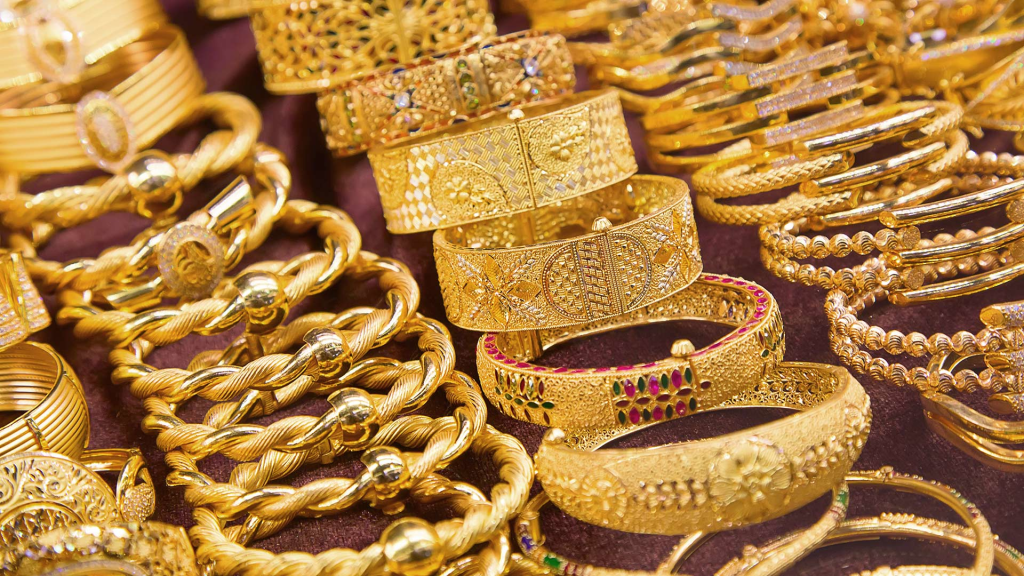
1. Per gram (most common for standard jewellery). A flat AED amount added for every gram of gold in the piece, for example, AED 20 per gram on a 10 gram item adds AED 200 regardless of the design’s complexity within that category.
2. Percentage of gold value. The making charge is quoted as a percentage of the raw gold cost, so it scales automatically with the gold rate itself. This method is less common in Dubai than in some other markets but does appear, particularly for machine-made chains.
3. Flat fee per piece. Common for branded or designer items, where the making charge is a fixed amount regardless of weight, reflecting the design itself rather than the labor-per-gram.
| Structure | Common for | How it scales |
|---|---|---|
| Per gram | Standard jewellery, most Gold Souk pieces | With weight |
| Percentage of gold value | Machine-made chains, some bangles | With gold rate and weight |
| Flat fee per piece | Branded, designer, limited-edition pieces | Fixed, regardless of weight |
Typical Making Charge Ranges by Design Type
| Design Type | Typical Making Charge |
|---|---|
| Simple machine-made chains, basic bangles | Low end of range, most negotiable |
| Standard handcrafted jewellery (rings, pendants) | Mid-range |
| Intricate handcrafted designs, filigree work | Higher, reflecting skilled labor |
| Stone-set or diamond-accented pieces | Higher, plus separate stone costs |
| Branded or designer collections | Highest, typically fixed, not negotiable |
Machine-made, mass-produced pieces carry the lowest making charges because production is standardized and efficient. Hand-finished, intricate, or branded pieces carry progressively higher charges because they reflect genuine skilled labor time or brand positioning, not just markup.
Gold Souk vs. Malls vs. Online: Where Making Charges Differ Most
The Gold Souk in Deira offers the widest spread of making charges and the most room to negotiate, particularly on simple, non-branded designs. With hundreds of competing shops in one area, comparison shopping is genuinely practical here in a way it isn’t elsewhere.
Mall-based and branded jewellers typically carry higher, fixed making charges. You’re paying for retail positioning, consistent quality assurance, and often stronger warranty or buy-back terms, but there’s little to no negotiation room.
Online and app-based gold retailers increasingly publish making charges upfront and transparently, which removes negotiation entirely but also removes the uncertainty of walking in without a reference point.
How to Negotiate a Making Charge
- Know the current gold rate before you walk in, so you can isolate exactly how much of the quoted total is the making charge, not just accept a bundled number.
- Ask for the making charge as a standalone figure, per gram or as a flat amount, before discussing anything else.
- Compare at least two or three shops, especially at the Gold Souk, where competitive pressure genuinely moves prices.
- Negotiate harder on simple, non-branded designs. Intricate handwork and branded pieces have far less flexibility, since the charge reflects real labor or brand value, not pure margin.
- Ask about bulk or repeat-customer discounts if you’re buying more than one piece or have shopped with the retailer before.
- Be willing to walk away. Competing shops within meters of each other at the Gold Souk means your best leverage is simply being prepared to buy elsewhere.
How to Spot an Inflated Making Charge
- A making charge significantly above the typical range for that design type, with no clear justification (unusual materials, documented hand-craftsmanship, verifiable brand).
- Reluctance to state the making charge as a separate, clear figure, bundling it into a single “per gram” price designed to obscure how much is labor versus gold.
- Pressure to decide quickly, which works against your ability to compare and negotiate.
- No willingness to move at all on a simple, non-branded design, when competing nearby shops are open to negotiation.
Conversely, be cautious of a making charge that seems unusually low too: it can sometimes signal a purity or weight shortfall elsewhere in the transaction rather than a genuine bargain.
Making Charges and VAT: How They Interact
In the UAE, 5% VAT applies to the full jewellery price, meaning it’s calculated on the gold value plus the making charge combined, not on the gold value alone. A higher making charge therefore also means a higher absolute VAT amount, since VAT is applied after the making charge is added.
This is one more reason a lower, well-negotiated making charge genuinely compounds in your favor rather than being a marginal saving.
Avoiding Making Charges Entirely: Investment-Grade Gold
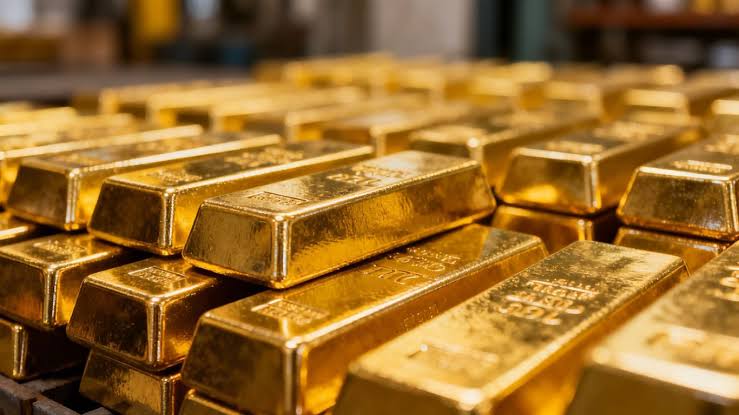
If your goal is accumulating gold value rather than wearing a finished piece, making charges, and the proportionally higher VAT they generate, can be avoided altogether by buying investment-grade bars instead of jewellery.
Bars carry no making charge and are VAT-exempt in the UAE when they meet investment-grade purity standards. Buy Gold Bars Africa supplies certified 24K gold bars, 1 oz gold bars, and gold ingots, typically at a lower total cost per gram than jewellery-counter gold once making charges and VAT are accounted for.
See our full breakdown of gold jewellery prices in Dubai for how the full pricing formula works, and our guide to buying gold in Dubai for sourcing options.
Dubai Gold Making Charges FAQs
What is a typical making charge in Dubai? Roughly AED 3 to 40 per gram, depending heavily on design complexity: simple machine-made pieces sit at the low end, intricate handcrafted or branded pieces at the high end.
Are making charges negotiable in Dubai? Yes, especially at the Gold Souk on simple, non-branded designs. Branded, designer, or heavily stone-set pieces typically carry fixed charges with little room to negotiate.
Is the making charge the same everywhere in Dubai? No. The gold rate itself is standardized daily across the emirate, but making charges are set individually by each retailer, which is why total prices vary shop to shop for identical gold weight and purity.
Does VAT apply to the making charge? Yes. The UAE’s 5% VAT is calculated on the gold value plus the making charge combined, so a higher making charge also means proportionally higher VAT.
How can I avoid making charges altogether? Buy investment-grade gold bars instead of jewellery. Bars carry no making charge and are VAT-exempt in the UAE when they meet investment-grade purity.
Why do branded jewellery pieces have such high making charges? They reflect brand positioning and consistent design quality, not just labor, and are typically fixed rather than negotiable.
Is a very low making charge a good sign? Not necessarily. It’s worth the same scrutiny as a high one, since it can occasionally signal a purity or weight discrepancy rather than a genuine bargain.
Buy Gold With No Making Charge
For investment-grade gold with no making charge and VAT-exempt pricing, contact Buy Gold Bars Africa Ltd, message us on WhatsApp at +256 707 585144, or read about our company.