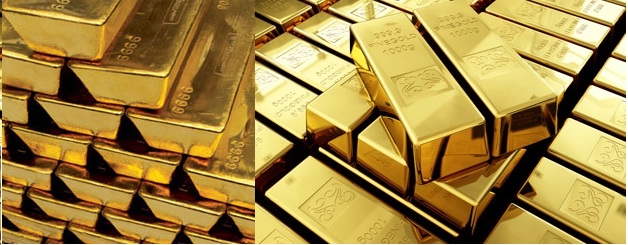
Buy Gold Bars in Sydney from Africa: Prices & Import Guide
You can buy gold bars in Sydney, Australia from African gold suppliers by verifying the seller, confirming the gold’s purity and assay documentation, and arranging compliant export and import into Australia. African gold bars are available in different weights and purities, with 24K (99.9% or higher, depending on the product) commonly used for investment-grade bullion. Gold products described as 22K or 18K contain a higher proportion of other metals and should not be confused with pure investment bullion.
At Buy Gold Bars Africa Ltd, we connect buyers with African gold sourcing opportunities, including gold bars for sale and 1kg 24K gold bars. Buyers interested in sourcing from Africa can explore gold from Uganda, Ghana, Tanzania, South Africa and the Democratic Republic of the Congo, subject to product availability, verified origin and applicable export requirements.
This guide explains how to buy gold bars in Sydney from Africa, compare gold prices in Australian and US dollars, assess gold purity, verify suppliers and understand the documentation, shipping, customs and potential GST obligations involved in importing gold into Australia. It also outlines the key considerations for Sydney investors and commercial buyers before arranging an international gold purchase.
Why Buy Gold Bars in Sydney from Africa?
Africa is an important global gold-producing region, with established mining, refining and gold trading industries in several countries. For Australian buyers, sourcing gold from Africa provides an additional purchasing channel beyond local bullion dealers.
However, buying gold internationally does not automatically mean paying less. Gold is traded against international benchmark prices, and the final cost depends on the product’s purity, weight, supplier premium, refining costs, shipping, insurance and applicable import charges.
There are several reasons Sydney buyers may consider African gold suppliers:
- Access to gold-producing markets: Buyers can explore sourcing opportunities in countries with established gold industries.
- Different product options: Depending on the supplier, buyers may be able to source different weights, bar formats and purities.
- Commercial purchasing opportunities: Refineries, bullion dealers and wholesale buyers may investigate larger-volume supply arrangements.
- International sourcing flexibility: Buyers can compare quotations from African suppliers with prices offered by Australian bullion dealers.
- Direct supplier engagement: Buyers can request product specifications, assay reports and export documentation before committing to a transaction.
The most important consideration is not simply where the gold originates, but whether the supplier can demonstrate its authenticity, legal origin, purity and export eligibility.

Types of Gold Bars Available to Sydney Buyers
Gold bars are available in different purities and weights. Before buying from Africa, understand the difference between 24K, 22K and 18K gold and how each product is valued.
24K Gold Bars
24K gold is the highest commonly used karat designation and generally refers to gold with a purity close to 99.9%. Investment-grade gold bars are commonly produced at fineness levels such as 999 or 999.9.
For Australian buyers, the exact fineness matters because Australian GST legislation defines qualifying investment-form gold as gold with at least 99.5% purity.
Common investment bar weights include:
- 1 gram
- 5 grams
- 10 grams
- 20 grams
- 50 grams
- 100 grams
- 250 grams
- 500 grams
- 1 kilogram
Explore our 1kg 24K gold bars to learn more about this popular bullion format.
22K Gold Bars
22K gold contains approximately 91.67% gold, with the remaining percentage consisting of other metals.
Although 22K gold has substantial gold content, it does not meet Australia’s 99.5% minimum fineness requirement for qualifying investment-form precious metal under the GST definition.
Buyers should therefore distinguish 22K gold products from qualifying investment-grade bullion when comparing prices and calculating potential import taxes.
Learn more about 22K gold bars.
18K Gold Bars
18K gold contains approximately 75% pure gold, with the remaining 25% made up of other metals.
It is widely used in jewellery manufacturing because alloying metals can improve hardness and influence colour. However, 18K gold is not equivalent to 24K investment bullion.
If you are buying 18K gold, calculate its value using its actual gold content rather than treating the full weight as pure gold.
Comparison of Gold Purities
| Gold type | Approximate gold content | Main consideration |
|---|---|---|
| 24K | 99.9% or higher, depending on specification | Common investment bullion purity |
| 22K | 91.67% | High-purity alloy |
| 18K | 75% | Commonly used for jewellery |
The karat description alone is not sufficient proof of authenticity. Always request a reliable assay report showing the actual gold fineness.
Gold Bar Weights Available for International Buyers
The right gold bar weight depends on your investment budget, intended use and purchasing requirements.
Small Gold Bars
Smaller bars are suitable for buyers who prefer lower individual purchase values or greater flexibility when selling portions of their holdings.
Popular weights include 1g, 5g, 10g and 20g. These products may carry higher premiums per gram than larger bars because of manufacturing, packaging and distribution costs.
Medium-Weight Gold Bars
Medium-sized bars, including 50g, 100g and 250g options, provide a balance between individual purchase value and flexibility.
They may appeal to private investors, collectors and buyers building physical gold holdings over time.
500g and 1kg Gold Bars
Larger bars are commonly considered by wholesale buyers, bullion dealers and investors purchasing substantial quantities of gold.
A 1kg bar contains more gold than smaller units, so the total purchase value is significantly higher. Buyers should pay particular attention to independent verification, secure transportation and documentation when arranging larger transactions.
Explore our gold bars for sale for additional product information.
How Much Do Gold Bars Cost in Sydney?
The price of gold bars in Sydney is influenced by the international gold spot price, the bar’s fine-gold content and the additional costs involved in purchasing and delivering the product.
Gold is internationally benchmarked, commonly in US dollars per troy ounce. Australian buyers can compare quotations in AUD by converting the relevant international gold price using the applicable exchange rate.
The main factors affecting the purchase price include:
- International gold spot price.
- Weight of the gold bar.
- Actual gold purity and fine-gold content.
- Supplier or dealer premium.
- Refining and assay costs.
- Secure transportation and insurance.
- Customs processing and any applicable taxes.
How to Calculate the Gold Value
A useful starting point is to calculate the amount of pure gold contained in the bar.
Fine-gold weight = Total bar weight × Gold fineness
For example:
- A 1kg bar at 999.9 fineness contains approximately 999.9 grams of fine gold.
- A 1kg bar at 916.7 fineness contains approximately 916.7 grams of fine gold.
- A 1kg bar at 750 fineness contains approximately 750 grams of fine gold.
The fine-gold weight can then be multiplied by the current gold price per gram to estimate its underlying metal value.
The final purchase price will also reflect the supplier’s premium and other applicable costs.
Comparing Gold Prices in AUD and USD
International gold quotations are often expressed in US dollars, while Australian buyers generally budget in Australian dollars.
When comparing quotations, make sure you use the same:
- Gold purity.
- Weight and unit of measurement.
- Spot-price reference and quotation time.
- Currency exchange rate.
- Premium and refining charges.
- Shipping and insurance arrangements.
A quotation that appears cheaper in USD may become more expensive after currency conversion and delivery costs. Always compare the final landed cost in Sydney rather than relying only on the advertised gold price.
You can also explore our guide to buying physical gold online.
How to Verify African Gold Suppliers Before Buying
Supplier verification is one of the most important parts of purchasing gold from another country. International gold transactions can involve substantial amounts of money, so buyers should establish the seller’s identity, legal authority and ability to deliver the stated product.
Before placing an order, consider the following checks.
1. Verify the Supplier’s Business Registration
Request the supplier’s registered business name, registration details, physical business address and contact information.
Where applicable, verify the company through the relevant government business registry.
The registered company should match the name appearing on quotations, contracts, invoices and payment instructions.
2. Check Gold Trading and Export Authorisations
Gold trading and export requirements differ between African countries.
Ask the supplier to provide evidence of the licences, permits or authorisations required for the specific transaction. Verify these documents with the relevant government authority where possible.
Do not assume that a business authorised to trade gold is automatically authorised to export it.
3. Request an Independent Gold Assay
An assay report establishes the gold content and identifies the measured purity of the material.
Before purchasing, request documentation that identifies:
- The gold bar’s weight.
- Its measured fineness.
- The assay method or testing facility.
- The report date.
- Any relevant identification or reference number.
For high-value transactions, consider arranging independent testing or confirmation through an agreed refinery or recognised assayer.
4. Confirm the Origin of the Gold
The supplier should be able to explain where the gold originated and provide supporting documentation.
Depending on the source country and transaction, this may include mining or dealer records, purchase documentation, royalty evidence, export authorisations and certificates of origin.
Avoid transactions involving unclear ownership, undocumented gold or suppliers unwilling to explain the source of their material.
5. Verify the Payment Beneficiary
The payment account should belong to the contracting company or another clearly identified and documented party involved in the transaction.
Be cautious if a supplier suddenly changes bank details or requests payment to an unrelated individual or company.
Verify payment instructions independently before transferring funds.
For more guidance, read our article on how to buy gold bars from Africa safely.
Documents to Request When Buying Gold Bars from Africa
A legitimate international gold transaction should have supporting documentation that establishes the product’s identity, value, origin and legal movement.
The documents required depend on the country of origin, the type of gold and the structure of the transaction.
Important documents may include:
| Document | Purpose |
|---|---|
| Commercial invoice | Identifies the seller, buyer, product, quantity and transaction value |
| Gold assay certificate | Shows the tested purity and gold content |
| Packing list | Identifies the shipment contents and weights |
| Certificate of origin | Supports the declared country of origin |
| Export permit or authorisation | Demonstrates compliance with applicable export controls |
| Tax or royalty documentation | Supports compliance with relevant origin-country fiscal requirements |
| Air waybill or transport document | Records the shipment and transportation details |
| Insurance certificate | Provides evidence of the agreed shipment insurance |
Not every document is issued in every country or transaction. Buyers should establish the exact documentation requirements before signing the purchase agreement.
For additional information, see our guide to the legal requirements for buying gold bars from Africa.
Australian Gold Import Regulations for Sydney Buyers
Buying gold from an African supplier involves two separate regulatory processes: complying with the export requirements of the country of origin and complying with Australian import requirements.
The Australian Border Force (ABF) administers the import clearance process. Buyers should confirm the applicable rules before arranging shipment.
Import Declarations
Under ABF guidance, imported consignments valued at more than AUD 1,000 generally require an Import Declaration when being cleared into Australian home consumption.
An Import Declaration identifies the goods, importer, transport arrangements, tariff classification and customs value.
For qualifying air or sea cargo valued at AUD 1,000 or less, a Self-Assessed Clearance declaration may apply.
Because commercial gold purchases are generally high-value transactions, Sydney buyers should expect to arrange the appropriate import declaration.
First-time importers should consider using a licensed Australian customs broker to assist with classification and clearance.
Read the Australian Border Force guide to import declarations.
Customs Tariff Treatment of Gold Bars
Australia’s tariff schedule classifies unwrought and semi-manufactured gold under heading 7108.
The current ABF tariff schedule lists free customs duty rates for the relevant gold categories under this heading, including unwrought and semi-manufactured gold.
However, the correct classification depends on the actual form and characteristics of the imported product. Gold jewellery and other finished products fall under different tariff headings.
Confirm the tariff classification with ABF or a licensed customs broker before shipping.
You can consult the Australian Border Force tariff classification for gold.
Is Imported Gold from Africa GST-Free in Australia?
Not every gold bar imported into Australia is automatically GST-free.
Under Australian GST rules, gold qualifies as precious metal when it is in an investment form and has a minimum fineness of 99.5%.
The ABF explains that qualifying precious metals meeting the relevant definition when imported are duty and GST-free.
The investment-form requirement is important. A qualifying gold bar must be tradeable on the international bullion market and carry a mark or characteristic guaranteeing its fineness and quality.
This distinction affects different gold products:
- 24K investment-form gold: May qualify for the precious-metal import treatment if it meets the minimum 99.5% fineness and investment-form requirements.
- 22K gold: Does not meet the 99.5% minimum gold fineness.
- 18K gold: Does not meet the 99.5% minimum gold fineness.
- Gold jewellery: Does not qualify as investment-form precious metal under the ABF guidance.
Gold products that do not qualify may be subject to GST and other applicable import charges. The general GST rate on taxable importations is 10%, calculated using the customs value, applicable duty and relevant transport and insurance costs.
Do not rely solely on a supplier’s description of a product as 24K or investment gold. Confirm the actual fineness, product form and eligibility before claiming any exemption.
For official guidance, consult the ABF page on importing precious metals and its information on GST and other import taxes.
How Gold Shipping from Africa to Sydney Works
International gold transportation requires secure handling, accurate documentation and coordination between the exporter, freight provider and Australian importer.
The process should be agreed upon before payment and shipment.
Step 1: Confirm the Product and Purchase Agreement
The buyer and seller should agree on the gold’s weight, fineness, price, payment terms, delivery arrangements and required documentation.
The agreement should also identify which party is responsible for export clearance, international freight, insurance and Australian import procedures.
Step 2: Complete Origin-Country Export Procedures
The exporter must comply with the applicable laws of the country from which the gold is being shipped.
This may involve export authorisations, tax or royalty payments, customs documentation and verification of the gold’s origin.
Requirements differ between Uganda, Ghana, Tanzania, South Africa and the DRC. A permit issued in one country does not automatically authorise exports from another.
Step 3: Arrange Secure International Transportation
Gold should be transported through an appropriately authorised and insured secure logistics provider.
The shipment arrangements should identify:
- The collection and departure location.
- The destination in Australia.
- The responsible transport provider.
- Insurance coverage and exclusions.
- Shipment tracking and delivery procedures.
- Responsibility for customs clearance.
Do not assume that ordinary parcel delivery is suitable for high-value bullion.
Step 4: Complete Australian Customs Clearance
The importer or appointed customs broker submits the relevant import documentation and confirms the applicable tariff and GST treatment.
ABF may examine the consignment or request additional information before releasing it.
The invoice, assay documentation, origin records and transport documents should be consistent.
Step 5: Receive and Verify the Gold in Sydney
After customs release and delivery, inspect the shipment and compare the received bars against the purchase agreement and documentation.
Check the weights, identification marks, seals and assay details. For high-value purchases, independent verification after receipt can provide additional assurance.
African Countries to Consider When Sourcing Gold for Sydney
Buyers in Sydney can investigate gold sourcing opportunities in several African markets. Each country has its own mining sector, gold trading structure and export requirements.
Uganda: Uganda has an established gold trading and refining sector and serves as a regional gold processing and trading hub. Buyers interested in this market can explore our guide to buying gold in Uganda.
Ghana: Ghana is one of Africa’s leading gold-producing countries. Its gold industry includes large-scale mining, small-scale mining, refining and gold trading activities.
International buyers should verify the seller’s current authorisation and the applicable export procedures before entering a transaction. See our guide to buying gold in Ghana.
Tanzania: Tanzania has an established gold mining industry and a regulatory framework governing mineral trading and exports. Buyers considering Tanzanian gold should confirm the legal status of the supplier, the gold’s origin and the documents required for export.
Explore buying gold in Tanzania.
South Africa: South Africa has a long-established gold industry, including mining, refining and precious-metal trading infrastructure. Buyers should distinguish between locally sourced gold, refined bullion and products traded through established bullion channels. Learn more about buying gold in South Africa.
Democratic Republic of the Congo: The Democratic Republic of the Congo has significant gold resources and an active gold trading sector. However, buyers must exercise particular care when verifying the origin and legal export status of gold. Before purchasing, confirm that the supplier can provide credible provenance and the required export documentation. Read our guide to buying gold from Congo.
Common Mistakes to Avoid When Buying Gold from Africa
International gold transactions can expose buyers to financial and regulatory risks if proper checks are not completed.
Avoid these common mistakes:
1. Choosing a supplier based only on price: An unusually low quotation is not proof of a good deal. It may reflect inaccurate purity claims, undisclosed charges, questionable origin or an attempt to obtain an advance payment.
2. Treating doré gold as refined bullion: Gold doré is a semi-refined product that may contain significant quantities of silver and other metals. Its value must be established through proper assaying and refining calculations.
3. Accepting an assay certificate without verification: A document is only useful if it is genuine and relates to the actual gold being purchased. Verify the issuing laboratory and the report details.
4. Ignoring Australian GST requirements: A gold bar described as 24K does not automatically qualify for GST-free import treatment. The relevant requirements include minimum fineness and investment form.
5. Paying an unrelated third party: Unexplained changes to payment beneficiaries are a warning sign. Confirm the legal relationship between the beneficiary and the contracting supplier before transferring funds.
6. Shipping without confirmed export documents: The supplier should establish that the gold can legally leave its country of origin before transportation is arranged.
7. Failing to calculate the landed cost: The final cost includes more than the gold’s quoted price. Include premiums, assay charges, freight, insurance, customs processing and any applicable taxes.
Why Consider Buy Gold Bars Africa Ltd?
Buy Gold Bars Africa Ltd provides information and sourcing opportunities for buyers interested in purchasing gold from African markets.
For Sydney-based investors, bullion dealers and commercial buyers, the most important part of an international transaction is establishing the product specifications, supplier credentials and documentation before proceeding.
When making an enquiry, provide your preferred gold purity, required weight, destination and intended purchase quantity. This helps establish whether a suitable sourcing arrangement can be considered.
Buyers can explore:
Before confirming an order, request the relevant quotation, product specifications, assay information, origin documentation and proposed export and shipping arrangements. Product availability, export eligibility and delivery arrangements should be confirmed for each transaction.
Frequently Asked Questions About Buying Gold Bars in Sydney from Africa
Can I buy gold bars in Sydney directly from Africa?
Yes. Australian buyers can purchase gold from overseas suppliers, provided the transaction complies with the export laws of the country of origin and Australia’s import requirements. The supplier must be able to provide the appropriate product and transaction documentation.
Is African gold cheaper than gold sold in Sydney?
Not necessarily. Gold is benchmarked against international market prices. The final price depends on purity, weight, supplier premiums, refining, shipping, insurance and taxes. Compare the complete landed cost rather than assuming African gold is automatically cheaper.
Can I import 24K gold bars from Africa into Australia?
Yes, subject to applicable export and Australian import requirements. Gold in an investment form with at least 99.5% fineness can qualify as precious metal for Australian import GST treatment. The product and its documentation must meet the relevant criteria.
Is imported 24K gold GST-free in Australia?
Qualifying investment-form gold of at least 99.5% fineness is treated as precious metal under Australian GST rules. The ABF states that qualifying precious metals meeting the requirements when imported are duty and GST-free. Buyers should verify the actual purity, investment form and customs classification before relying on this treatment.
Are 22K and 18K gold bars GST-free when imported into Australia?
They do not meet the minimum 99.5% gold fineness requirement for precious metal under the Australian GST definition. Their importation may therefore be subject to GST and other applicable charges.
What documents do I need to import gold bars into Australia?
Depending on the transaction, you may need a commercial invoice, assay certificate, packing list, certificate of origin, export authorisation and transport documentation. An import declaration is generally required for consignments valued above AUD 1,000 when cleared into home consumption.
Do I need a customs broker to import gold into Sydney?
A customs broker is not automatically mandatory for every import, but using a licensed broker is advisable for high-value international gold shipments. A broker can help with tariff classification, import declarations and the assessment of applicable taxes.
Can I import gold doré from Africa into Australia?
Gold doré may be imported subject to applicable legal and customs requirements. However, doré is not automatically classified as qualifying investment-form precious metal. Its purity and form must be assessed, and GST may apply if it does not meet the relevant exemption criteria.
Which African countries can supply gold to Australian buyers?
Potential sourcing markets include Uganda, Ghana, Tanzania, South Africa and the Democratic Republic of the Congo. Buyers must independently verify suppliers, gold origin, export permissions and the legal status of each transaction.
How do I calculate the value of a gold bar before buying?
Multiply the bar’s total weight by its gold fineness to determine its fine-gold content. Multiply that amount by the applicable gold price per gram, then account for premiums, refining, transport, insurance and any applicable taxes.
Conclusion: Buying Gold Bars in Sydney from Africa
Buying gold bars in Sydney from Africa can provide access to international gold sourcing opportunities, but successful transactions depend on careful supplier verification, accurate purity assessment and compliance with export and Australian import regulations.
Before purchasing, confirm the gold’s weight and fineness, obtain reliable assay documentation, verify its legal origin, understand the total landed cost and establish the correct GST and customs treatment.
Whether you are considering a small gold bar or a larger commercial purchase, proper documentation and secure transportation should be central to the transaction.
Explore gold bars for sale from Africa or contact Buy Gold Bars Africa Ltd to discuss your gold sourcing requirements.