
Gold Bar Purity and Certification Guide: Everything Investors Need to Know
Gold Bar Purity and Certification Guide: Gold has remained one of the world’s most trusted investment assets for centuries. Whether you are a first-time buyer or an experienced investor, understanding gold bar purity and certification is essential before making any purchase.
Gold bars are available in different purity levels, weights, and forms, and their value depends heavily on their authenticity and quality.
A proper understanding of gold purity levels, gold assay certificates, and gold certificate verification can help investors avoid fraud, make informed decisions, and protect their wealth.
This comprehensive guide explains everything you need to know about certified gold bars, how purity is measured, and how to verify that the gold you are buying is genuine.
What Is Gold Bar Purity?
Gold purity refers to the percentage of pure gold contained in a gold bar. Since gold is a naturally soft metal, it is often mixed with other metals to improve durability for certain applications. However, investment-grade gold bars typically contain extremely high levels of pure gold.
Purity is one of the most important factors influencing the value of a gold bar. The higher the purity, the closer the gold is to being pure and the more valuable it generally becomes.
Investors looking for long-term wealth preservation often prefer highly refined gold bars because they are easier to trade and widely accepted in international markets.
Understanding Gold Purity Levels
Gold purity is commonly expressed in karats (K) or fineness.
| Purity Level | Gold Content |
|---|---|
| 24K | 99.99% Gold |
| 22K | 91.67% Gold |
| 18K | 75.00% Gold |
| 14K | 58.50% Gold |
| 10K | 41.70% Gold |
24K Gold Bars
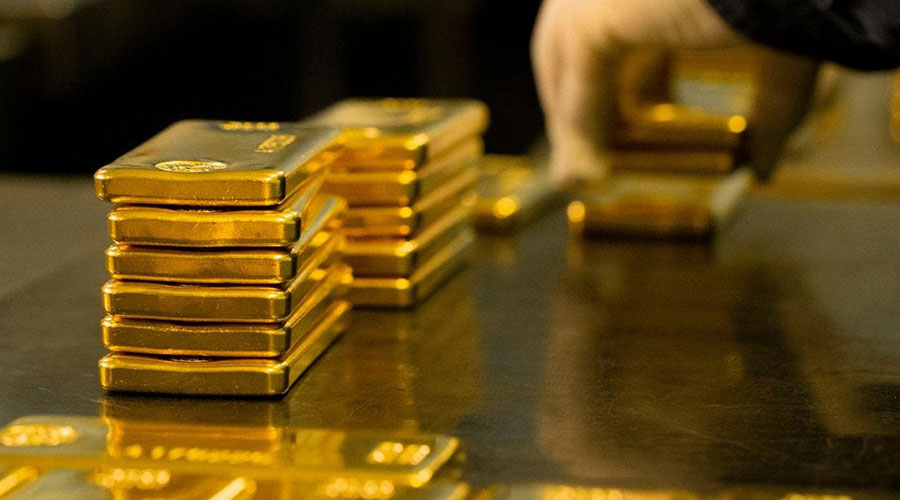
24K gold bars are considered the highest purity available for most investment purposes. These bars contain approximately 99.99% pure gold and are commonly referred to as fine gold.
22K Gold
22K gold contains a small percentage of alloy metals. While commonly used in jewelry, it is less common for investment-grade bullion.
18K and Lower
18K, 14K, and 10K gold are primarily used in jewelry manufacturing because the added metals increase strength and durability.
For investors seeking maximum exposure to gold, 24K gold bars remain the preferred choice.
What Does 999.9 Gold Mean?
When purchasing investment-grade bullion, you will often see markings such as “999.9” or “999.99” stamped on the gold bar.
These numbers indicate the gold’s fineness:
- 999.9 means the gold is 99.99% pure.
- 999.99 means the gold is 99.999% pure.
Gold bars with these markings are considered high-quality investment products and are widely traded globally.
Many of the world’s leading refineries produce gold bars meeting these purity standards.
Why Gold Purity Matters
Understanding gold purity is essential because it directly affects:
Investment Value
Higher purity bars generally command higher market values because they contain more pure gold.
Liquidity
Certified high-purity gold bars are easier to sell in international markets.
Pricing
The market price of a gold bar depends largely on the amount of pure gold it contains.
Investor Confidence
Buyers prefer gold bars that have undergone rigorous testing and certification.
How Gold Bar Purity Is Tested
One of the most important aspects of gold investing is ensuring that the gold you purchase matches its stated purity.
Several testing methods are used worldwide.
Fire Assay Testing
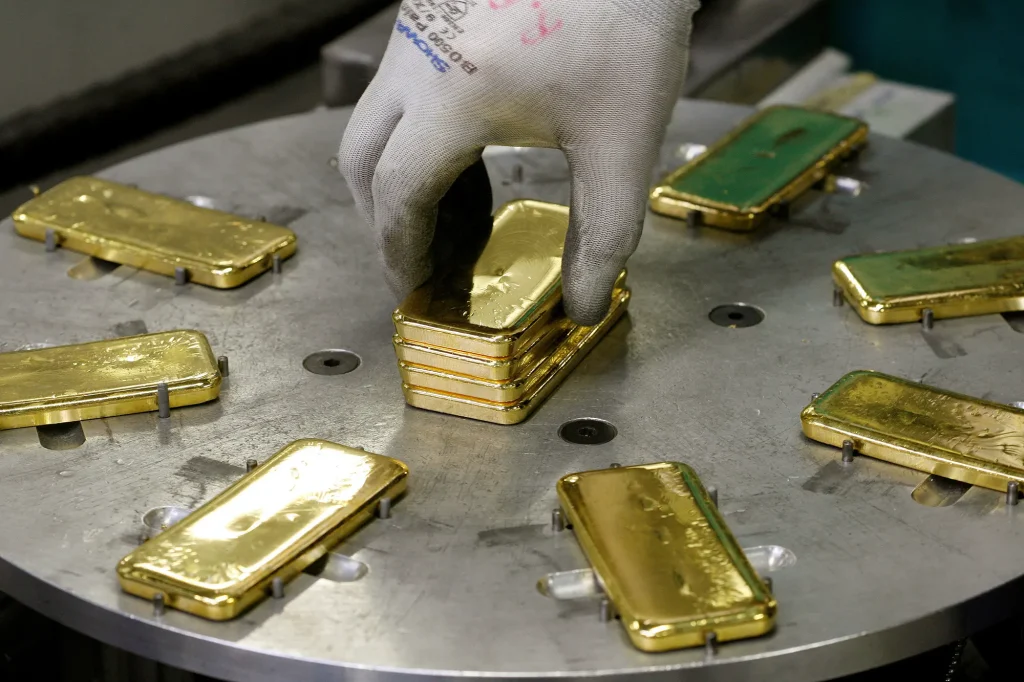
Fire assay is often considered the most accurate method of determining gold purity.
The process involves melting a small sample and separating the gold from other metals. Although destructive, it provides highly reliable results.
X-Ray Fluorescence (XRF)
XRF testing uses advanced technology to analyze the metal composition without damaging the gold bar.
Many refineries and testing laboratories use XRF machines for quick and accurate verification.
Density Testing
Gold has a unique density that can be measured and compared to known standards.
This method is commonly used as an additional verification tool.
Spectrometer Analysis
Modern spectrometers can identify the elemental composition of gold quickly and accurately.
Professional gold buyers frequently rely on this technology during inspections.
What Is a Gold Certificate?
A gold certificate is a document that verifies the authenticity, purity, weight, and origin of a gold bar.
The certificate serves as proof that the gold has undergone testing and meets specific standards.
When purchasing gold, especially from international suppliers, certification is one of the most important documents to request.
Types of Gold Certification
Several forms of certification may accompany a gold bar.
Assay Certificate
An assay certificate confirms the purity and composition of the gold after laboratory testing.
Certificate of Authenticity
This document confirms that the gold bar is genuine and was produced by a recognized refinery.
Refinery Certificate
Many refineries issue certificates detailing the production and testing of their gold bars.
Export Documentation
For international purchases, export permits and customs documents help establish legal ownership and movement of the gold.
Certificate of Origin
This document identifies the country where the gold was mined or sourced.
How to Verify a Gold Bar Certificate
Understanding gold certificate verification is crucial for avoiding fraud.
Check the Serial Number
Most certified gold bars have unique serial numbers.
The number on the certificate should match the number engraved on the gold bar.
Verify the Refinery
Confirm that the refinery listed on the certificate actually exists and has a good reputation.
Review Assay Results
The assay report should clearly state the purity level and weight.
Contact the Issuer
Many refineries provide verification services for their certificates and serial numbers.
Information Found on Genuine Gold Certificates
A legitimate gold certificate should contain:
- Gold purity percentage
- Weight of the gold bar
- Serial number
- Refinery name
- Date of testing
- Assayer’s signature
- Official stamps or seals
- Security features
Incomplete certificates should be treated with caution.
Gold Hallmarks Explained
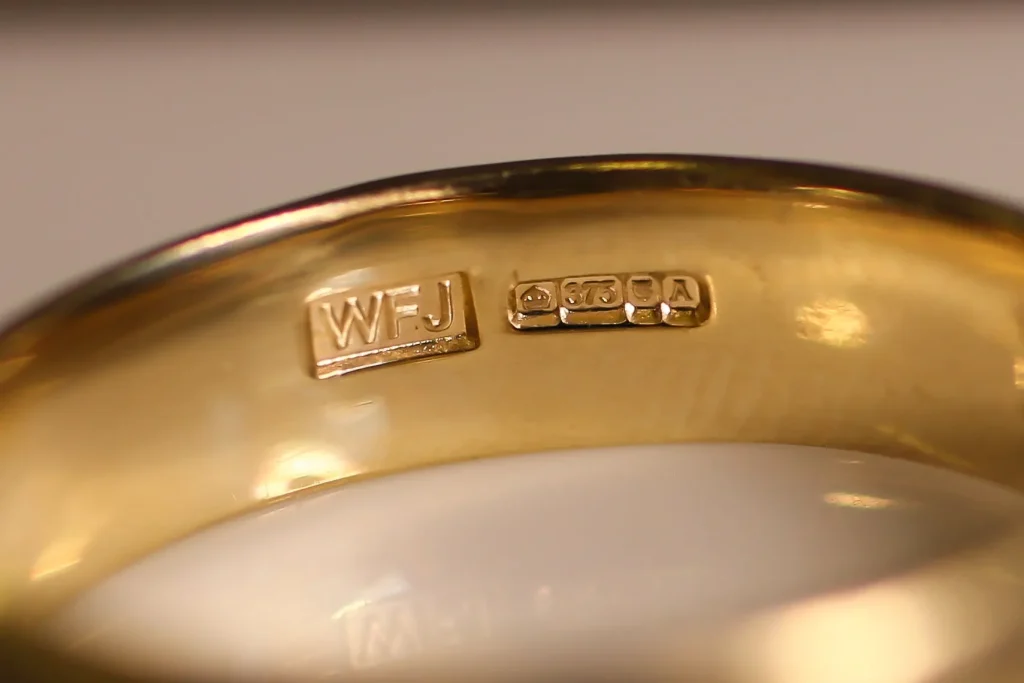
Gold hallmarks are markings stamped directly onto gold bars to indicate purity and authenticity.
Common hallmarks include:
- 999.9
- 999
- 916
- 750
- 585
These markings provide quick information about the gold’s purity.
Investors should always verify that hallmarks correspond with the certification documents provided.
How to Identify Fake Gold Bars
Unfortunately, counterfeit gold bars continue to exist in the global marketplace.
Warning signs include:
Missing Documentation
Genuine gold bars should be accompanied by proper certification.
Unrealistically Low Prices
If a deal appears too good to be true, further investigation is necessary.
Poor Engraving Quality
Authentic bars usually feature precise and professional markings.
Missing Serial Numbers
Certified bars almost always have unique identification numbers.
Lack of Independent Testing
Professional buyers often insist on third-party verification before completing transactions.
Gold Bar Certification vs Assay Certificate
Many investors confuse these documents.
A certification document generally confirms authenticity, while an assay certificate specifically verifies purity and composition through laboratory testing.
Both are valuable and often complement each other.
The strongest protection comes when a gold bar is accompanied by both certification and an independent assay report.
Most Trusted Gold Refineries in the World
Several internationally respected refineries produce certified gold bars that meet strict standards.
Examples include:
- PAMP Suisse
- Valcambi
- Metalor
- Perth Mint
Many investment-grade bars produced by these organizations are recognized worldwide.
The standards established by the London Bullion Market Association (LBMA) have become important benchmarks for gold quality and market acceptance.
Why Certification Matters for Investors
Certification offers numerous advantages.
Easier Resale
Certified gold bars are generally easier to sell because buyers trust the documentation.
Greater Transparency
Certification provides clear information regarding purity and weight.
Reduced Fraud Risk
Proper documentation helps protect against counterfeit products.
International Recognition
Certified gold bars are more readily accepted in global markets.
Gold Bar Purity and Investment Value
There is a direct relationship between purity and value.
Higher-purity bars typically command stronger demand among investors because they provide maximum exposure to gold itself.
Most institutional investors, bullion dealers, and central banks prefer highly refined gold bars due to their consistency and market acceptance.
Gold Bar Storage and Security
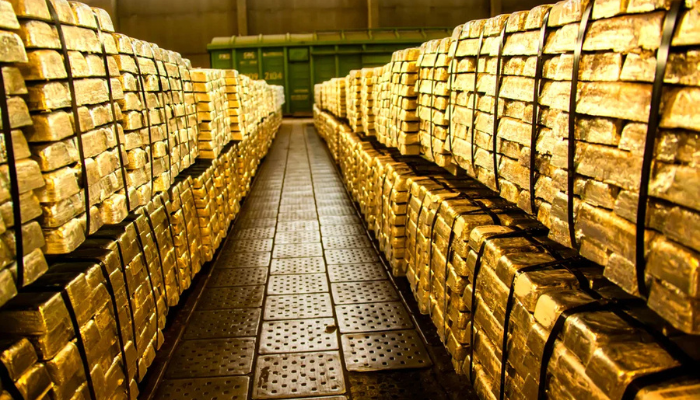
After purchasing certified gold bars, investors should consider secure storage solutions.
Popular options include:
- Bank safety deposit boxes
- Professional vault facilities
- Insured storage services
- High-security private safes
Insurance protection can provide additional peace of mind.
Buying Certified Gold Bars from Africa
Africa is home to some of the world’s most significant gold-producing regions. Investors interested in African gold should pay particular attention to documentation, purity verification, and compliance procedures.
When purchasing gold from African suppliers, buyers should request:
- Assay certificates
- Export permits
- Certificates of origin
- Commercial invoices
- Independent inspection reports
These documents help establish transparency and confidence throughout the transaction process.
Common Mistakes Gold Buyers Make
Many investors make avoidable mistakes when purchasing gold.
Common errors include:
- Buying without certification
- Ignoring assay reports
- Failing to verify serial numbers
- Choosing suppliers solely based on price
- Overlooking export documentation
- Skipping independent testing
Taking the time to verify every aspect of a transaction can significantly reduce risk.
Conclusion
Understanding gold bar purity and certification is one of the most important steps in becoming a successful gold investor. Whether you are purchasing a small investment-grade gold bar or conducting larger transactions, knowledge of gold purity levels, gold assay certificates, gold hallmark guides, and gold certificate verification procedures can help protect your investment.
Certified gold bars offer transparency, authenticity, and greater confidence in the marketplace. By understanding how gold purity is measured, how certification works, and how to verify authenticity, investors can make informed decisions and avoid costly mistakes.
As global demand for physical gold continues to grow, investment-grade gold remains one of the most trusted stores of value. Taking the time to understand purity and certification today can help ensure that every gold investment you make is backed by quality, authenticity, and long-term value.