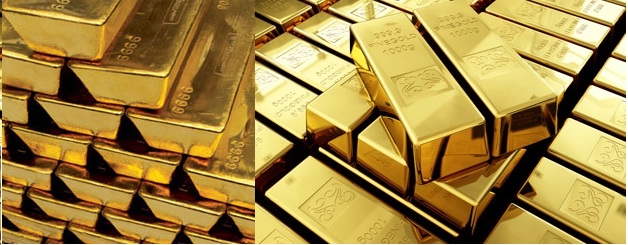
Gold Price Forecast in the USA for 2025–2026: Market Outlook
The Gold Price Forecast in the USA for 2025–2026 depends on several major factors, including Federal Reserve interest-rate decisions, inflation, the strength of the US dollar, central-bank gold purchases, geopolitical uncertainty and investor demand. These factors influence whether gold prices rise, remain stable or experience a correction.
For American investors, understanding the gold market outlook is important when deciding whether to buy physical gold, invest in gold-backed exchange-traded funds (ETFs), or wait for a more favourable buying opportunity. However, gold price forecasts are estimates rather than guarantees, and actual market prices can change significantly.
This guide examines the factors influencing gold prices in the United States, explains bullish and bearish market scenarios, and shows how investors can use gold forecasts when making purchasing decisions.
Understanding the Gold Price Forecast in the USA for 2025–2026
Why Gold Prices Attract American Investors
Gold has historically served as a store of value, a portfolio diversification asset and a potential hedge during periods of economic and financial uncertainty.
Unlike stocks and bonds, physical gold does not generate dividends or interest. Its investment appeal comes primarily from its market value, scarcity, global recognition and demand across the jewellery, technology, investment and central-bank sectors.
American investors monitor gold prices because changes in the international bullion market affect the cost of purchasing gold bars, coins and other precious-metal products in US dollars.
Several factors help explain why gold receives increased attention during uncertain economic conditions:
- Inflation concerns can increase interest in assets that investors believe may preserve purchasing power.
- Geopolitical tensions can encourage demand for perceived safe-haven investments.
- Lower interest rates can make non-yielding assets such as gold more attractive relative to interest-bearing investments.
- Central-bank purchases can contribute to long-term demand.
- A weaker US dollar can make dollar-priced gold less expensive for buyers using other currencies.
Gold does not automatically rise whenever uncertainty increases. Market expectations, investor positioning, interest rates and the dollar can all influence its performance.
Five Major Factors Influencing Gold Prices in the USA
1. Federal Reserve Interest-Rate Decisions
The Federal Reserve plays an important role in the US financial system. Its monetary-policy decisions influence borrowing costs, bond yields, currency movements and investor expectations.
Gold does not pay interest. Consequently, when interest rates and inflation-adjusted bond yields rise, some investors may prefer interest-bearing assets over gold.
Conversely, falling interest rates or declining real yields can improve gold’s relative appeal.
For this reason, investors following the gold price forecast should monitor Federal Reserve announcements, inflation reports and US Treasury yields.
2. Inflation and Purchasing Power
Inflation affects the purchasing power of the US dollar. When consumer prices rise, investors may consider gold as one component of a broader strategy to protect long-term wealth.
However, gold is not a guaranteed inflation hedge over every period. Its short-term performance also depends on real interest rates, currency movements and investment demand.
Investors should therefore evaluate inflation alongside other economic indicators rather than assuming that higher inflation always produces higher gold prices.
3. Strength of the US Dollar
International gold prices are commonly quoted in US dollars per troy ounce.
When the dollar weakens against other major currencies, gold can become relatively cheaper for international buyers, potentially supporting demand. A stronger dollar can have the opposite effect.
For US-based investors, the dollar’s relationship with gold is particularly important because both assets respond to changing economic expectations and global financial conditions.
4. Central-Bank Gold Purchases
Central banks hold gold as part of their international reserves. Their purchases can contribute to global demand and influence long-term market sentiment.
Central-bank demand is affected by reserve diversification, financial stability objectives, geopolitical developments and national monetary policies.
Investors should monitor reported central-bank purchases rather than relying on unsupported assumptions about how much gold individual countries will buy in future years.
5. Geopolitical Risks and Global Uncertainty
Wars, trade disputes, financial instability and international political tensions can increase demand for assets perceived as safe havens.
Gold often attracts attention during these periods because it is not issued by a government and is traded internationally.
Nevertheless, geopolitical uncertainty does not guarantee rising gold prices. Investors may also sell gold to raise cash, take profits or respond to changing interest-rate expectations.
Bullish Gold Price Outlook for 2026
A bullish gold market scenario assumes that several supportive conditions continue or develop.
These may include:
- Lower US interest rates and declining real Treasury yields.
- Continued central-bank demand for physical gold.
- Persistent inflation concerns.
- A weaker US dollar.
- Increased investment in gold-backed ETFs.
- Continued geopolitical and financial uncertainty.
If these conditions strengthen demand, gold prices could receive further upward support.
However, investors should distinguish between an analyst’s price target, an average annual forecast and a possible market high. They represent different measurements and should not be treated as interchangeable.
Bearish Gold Price Outlook for 2026
Gold can also experience substantial corrections, even after a strong upward movement.
Factors that could place downward pressure on gold prices include:
- Higher-than-expected US interest rates.
- Rising real Treasury yields.
- A stronger US dollar.
- Reduced demand for gold-backed ETFs.
- Lower geopolitical uncertainty.
- Profit-taking after significant price increases.
- Greater investor preference for stocks and other financial assets.
A correction does not necessarily mean that gold has lost its long-term investment appeal. It may simply reflect changing market expectations or a temporary reduction in demand.
What Is the Difference Between a Gold Price Target and a Forecast?
When researching gold price predictions, it is important to understand the terminology used by financial analysts.
| Forecast term | Meaning |
|---|---|
| Average annual forecast | The estimated average gold price over a specified year |
| Year-end price target | An analyst’s estimate for gold at the end of the year |
| Quarterly forecast | An estimated price for a particular three-month period |
| Bullish scenario | A projection based on conditions supporting higher prices |
| Bearish scenario | A projection based on conditions that could weaken gold demand |
| Market spot price | The current quoted market price for gold |
Different analysts can publish very different forecasts because they use different economic assumptions, research methods and time horizons.
For a more useful comparison, check the publication date, forecast period, assumptions and whether the quoted figure represents an average or a year-end target.
How to Monitor the Gold Price in the USA
Investors should monitor the live gold spot price rather than relying entirely on old forecasts or historical price tables.
The international spot market provides a reference price, usually quoted in US dollars per troy ounce. However, the retail price of a physical gold bar or coin can be higher because of dealer premiums, manufacturing, distribution and other transaction costs.
Useful sources for monitoring the gold market include:
- LBMA: Provides important precious-metal market benchmarks and market information.
- Kitco: Offers gold market prices, charts and precious-metal news.
- GoldPrice.org: Provides gold price charts and historical market data.
- US Federal Reserve: Publishes monetary-policy decisions and economic information that can influence gold prices.
When comparing prices, make sure you are using the same currency, weight measurement and gold purity.
Gold Spot Price vs Physical Gold Prices in the USA
The gold spot price is not necessarily the amount an American investor will pay when purchasing a physical gold bar.
The final retail price generally includes the underlying gold value plus additional costs.
These may include:
- Dealer premiums.
- Refining and manufacturing expenses.
- Packaging and distribution.
- Shipping and insurance.
- Applicable taxes and transaction charges.
For example, a 1 oz gold bar is valued using its fine-gold content and the prevailing market price. The dealer’s selling price may be higher than the spot value.
Investors comparing physical gold products should consider the total purchase price rather than looking only at the advertised premium.
Explore our guide to 1 oz gold bars and our range of gold bars for sale.
How the Gold Price Forecast Can Influence Investment Decisions
Gold forecasts can help investors understand possible market conditions, but they should not be used as the sole basis for an investment decision.
Different gold products suit different purchasing objectives.
Small gold bars: Smaller bars may be suitable for investors who want to purchase physical gold in manageable amounts. However, their premiums per gram can be higher.
1 oz gold bars: These are widely recognised bullion products and can offer a practical balance between purchase size and resale flexibility.
1 kg gold bars: Larger bars may be suitable for investors with substantial capital who want to hold a larger quantity of physical bullion. Buyers should consider storage, security, resale arrangements and the total transaction value.
Gold ETFs: Gold-backed exchange-traded funds provide market exposure without requiring investors to store physical bullion themselves. Their structure, fees and risks differ from direct ownership of gold.
The appropriate option depends on an investor’s objectives, available capital, risk tolerance and preferred method of holding gold.
Important Risks of Investing in Gold
Although gold can play a useful role in portfolio diversification, it is not risk-free.
Market volatility: Gold prices can rise or fall sharply in response to economic announcements, currency movements and investor sentiment.
No regular income: Physical gold does not generate interest or dividends.
Storage and security: Investors holding physical bullion need suitable security and may incur storage and insurance costs.
Dealer premiums: The purchase price of physical gold can exceed its underlying spot value. Some premiums may not be recovered when selling.
Liquidity and resale: Recognised bullion products are generally easier to evaluate than undocumented gold, but resale prices depend on the buyer, condition, authenticity and market conditions.
Counterfeit products: Buyers should verify the seller, weight, purity and assay documentation before purchasing gold.
Buying Gold Bars for the US Market
Investors in the United States can purchase physical gold from domestic bullion dealers or explore international suppliers. The most important consideration is not simply where the gold is advertised, but whether the seller can demonstrate the product’s authenticity, legal origin and delivery arrangements.
Before purchasing gold internationally, consider:
- Purity: Confirm the exact fineness of the gold.
- Weight: Check whether the product is quoted in grams, troy ounces or kilograms.
- Assay documentation: Request reliable evidence of the gold’s composition.
- Seller verification: Establish the company’s legal identity and trading authority.
- Total cost: Include premiums, shipping, insurance and applicable import charges.
- Delivery arrangements: Confirm the carrier, insurance coverage and customs responsibilities.
- Resale arrangements: Consider whether the product can be readily authenticated and resold.
For additional information, read our guide to buying gold bars.
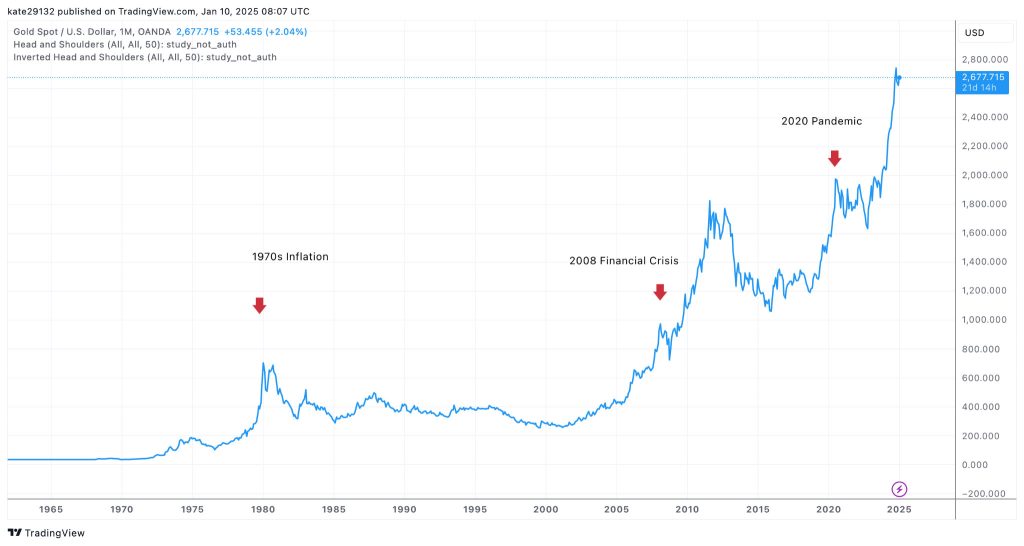
Frequently Asked Questions About the Gold Price Forecast in the USA
What is the gold price forecast in the USA for 2026?
Gold price forecasts for 2026 vary between financial institutions and market analysts. Predictions depend on assumptions about interest rates, inflation, the US dollar, central-bank demand and geopolitical developments. Investors should consult recently published forecasts rather than relying on old price targets.
Will gold prices increase in 2026?
Gold prices could increase if central-bank purchases remain strong, real interest rates decline, the US dollar weakens or geopolitical uncertainty supports investment demand. However, higher interest rates, a stronger dollar or reduced investor demand could cause prices to fall.
What factors have the greatest influence on US gold prices?
The most important factors include Federal Reserve monetary policy, real interest rates, inflation expectations, US dollar movements, central-bank purchases, investment demand and geopolitical developments.
Is gold a good investment during inflation?
Gold may help diversify a portfolio during periods of inflation and currency uncertainty. However, its price does not always move in line with consumer inflation, and investors can experience losses if market prices decline.
Is physical gold better than gold ETFs?
Neither option is automatically better. Physical gold provides direct ownership of bullion but requires secure storage and authentication. Gold ETFs provide market exposure through a financial product but involve fund structures, fees and other investment risks.
What is the difference between gold spot price and the retail gold price?
The spot price is the market reference price for gold. The retail price includes the spot value plus any dealer premium, manufacturing, distribution, shipping and other applicable costs.
Should I buy gold when prices reach a record high?
A record price does not automatically mean gold is too expensive, just as a price correction does not guarantee a bargain. Consider your investment objectives, the total purchase cost, market risks and the possibility of future price declines before buying.
Final Thoughts: Understanding the US Gold Market Outlook for 2025–2026
The gold price outlook in the USA for 2025–2026 is shaped by monetary policy, inflation, the US dollar, central-bank demand and global uncertainty. These factors can support higher prices or trigger corrections depending on how economic and financial conditions develop.
For investors, the most sensible approach is to monitor current market data, compare different analyst forecasts and understand the costs and risks of owning physical gold.
If you are considering bullion rather than financial-market exposure, explore gold bars for sale and learn more about how to buy gold bars before making a purchasing decision.