How to Buy Gold in Ghana: Top Guide to Reliable Transactions
Learn how to buy gold in Ghana with this complete guide covering trusted sellers, legal requirements, pricing, secure payments, and safe export procedures.
Gold has long been a prized asset in Ghana, one of the world’s top gold-producing nations. Whether you’re an investor looking to diversify your portfolio, a collector seeking high-quality pieces, or someone interested in gold for its cultural and aesthetic value, understanding how to buy gold in Ghana safely is essential.
This guide walks through the steps, considerations, and options available for buying gold in Ghana, with a focus on how Buy Gold Bars Africa Ltd can help you make secure, reliable purchases.
Why Buy Gold in Ghana?
Ghana is renowned for its rich gold reserves, particularly in the Ashanti and Western regions, home to several well-established mining operations. Gold here isn’t just found in bars and coins — it’s also crafted into intricate jewelry designs, making Ghana a destination for both investment-grade bullion and beautifully made ornaments. Buying gold in Ghana is a straightforward process when handled through a trusted, licensed, and certified dealer.
What We Do at Buy Gold Bars Africa Ltd
Buy Gold Bars Africa Ltd is a licensed Africa gold exporter specializing in secure, transparent gold transactions for buyers sourcing gold in Ghana and across the continent. Our offerings include:
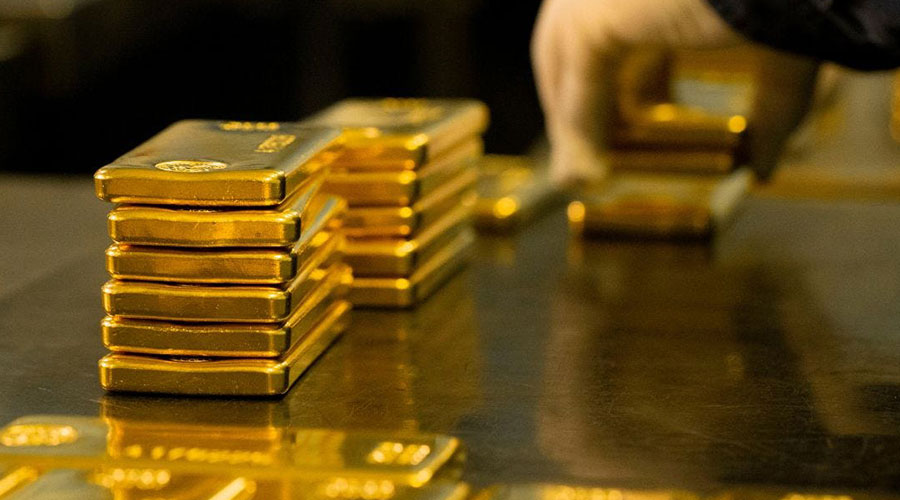
Gold Bars — A range of weights and purities suited to investment purposes, sourced from reputable mining sites and verified for authenticity.
Gold Coins — Internationally recognized coins that are easy to buy, sell, and store, ideal for diversifying a gold holding.
Gold Jewelry — Handcrafted pieces showcasing Ghanaian artisanship, from custom designs to traditional styles.
Gold Dust — Suited to investors looking to buy gold in bulk, always sold with proper assay documentation to confirm purity.
How to Buy Gold in Ghana: Step-by-Step Guide
1. Understand Gold Types and Purity
Before buying gold in Ghana, it’s important to understand the purity levels available. Gold bars or bullion are typically 24K and best suited for investment, available from 1 gram up to large Good Delivery bars weighing up to 12.5 kg. Gold coins, sometimes issued through official mints, are prized for both collectibility and investment value.
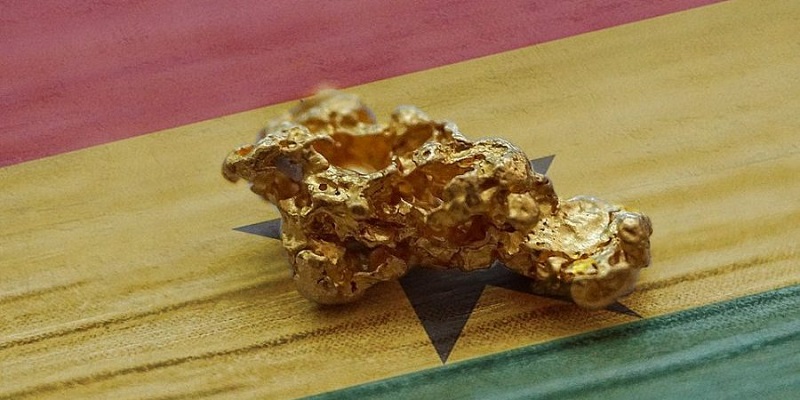
Gold jewelry usually comes in 22K or 18K, favored for cultural and aesthetic reasons, though additional making charges apply on top of the raw gold value. Gold dust and nuggets, common in artisanal mining markets, often carry lower purity (80–95%) and a higher risk of adulteration — for investment purposes, always prioritize 24K bullion or coins with an official assay certificate confirming purity.
2. Research Current Market Prices
Thorough research on current gold prices in Ghana is essential before buying. Prices generally track global benchmarks like the London Bullion Market and COMEX, but are also shaped by local demand and the Ghanaian cedi’s exchange rate against the US dollar.
As of mid-2026, the cedi has strengthened significantly compared to 2025, trading at approximately 1 USD to 11.5 GHS — a meaningful shift that affects local gold pricing, so always check the current rate rather than relying on older figures.
Comparing prices across multiple licensed dealers helps ensure a fair deal, and factoring in premiums, taxes, and the live exchange rate is essential to avoid overpaying.
3. Choose Reputable, Licensed Sellers
Buying gold from reputable sellers is essential to avoid scams and guarantee authenticity in Ghana. Since the Ghana Gold Board Act, 2025, GoldBod has become the country’s sole legal buyer, seller, assayer, and exporter of gold from the artisanal and small-scale mining sector, taking over most of the certification and export functions previously handled independently by the Precious Minerals Marketing Company (PMMC).
Always verify a seller’s GoldBod or PMMC licensing, business registration, and assay reports directly with the Minerals Commission of Ghana before committing funds — especially for larger transactions. A licensed Africa gold exporter will never hesitate to provide this documentation upfront.
4. Verify Gold Authenticity
Verifying authenticity protects buyers from counterfeit gold. Simple preliminary checks include the magnet test (pure gold is non-magnetic) and the density test (comparing weight against gold’s known density of 19.3 g/cm³ via water displacement). An acid test can also confirm genuine 24K gold, though this requires professional handling.
The most reliable method remains an official assay certificate from GoldBod or an accredited laboratory, confirming both purity and weight. X-Ray Fluorescence (XRF) testing at certified refineries offers non-destructive karat analysis. Gold dust is especially prone to adulteration, so always insist on an official assay certificate before paying.
5. Understand Legal Requirements
Ghana’s gold trade is tightly regulated to ensure transparency and combat illegal activity. Buyers sourcing directly from artisanal miners generally need to work through licensed channels authorized by GoldBod, and a valid Tax Identification Number (TIN) is required for compliance with the Ghana Revenue Authority. Exporting gold from Ghana requires a specific export license issued by GoldBod.
Every transaction should come with a detailed invoice or receipt outlining weight, purity, price, and the seller’s license number to establish clear legal ownership.
Larger transactions fall under anti-money laundering (AML) reporting requirements, and foreign buyers should seek expert legal advice to navigate due diligence and compliance.
6. Use Secure Payment Methods
Secure payment methods minimize fraud risk when buying gold in Ghana. Bank transfers are safest for large transactions, offering traceable records. For smaller purchases, mobile money platforms like MTN MoMo offer convenience and reasonable security. Some dealers accept cryptocurrency, but this requires independently verifying both the platform and seller’s legitimacy.
Avoid large cash payments, which carry a high fraud risk and complicate transaction records. Always request official receipts and confirm payment details before finalizing any purchase.
7. Arrange Secure Storage and Transport
After purchasing gold in Ghana, proper storage and transport protect your investment. Bank safety deposit boxes or secure vault services are recommended for safekeeping. When transporting larger quantities, engage professional, accredited precious-metals logistics providers rather than standard couriers, since gold bullion requires specialized, insured handling.
Use discreet, tamper-evident packaging, insure your shipment against theft or damage, and ensure full documentation accompanies the gold to guarantee smooth, compliant movement within Ghana or internationally.
Current Gold Prices in Ghana (2026)
Gold prices in Ghana move with the global spot price throughout each trading day, so treat the figures below as a current approximate reference rather than a fixed rate. As of mid-2026, 24K gold trades at roughly $129 per gram, reflecting a spot price of approximately $4,010–$4,120 per troy ounce.
| Weight (grams) | Approx. Price (USD, 24K) |
|---|---|
| 1 | $129 |
| 5 | $645 |
| 10 | $1,290 |
| 20 | $2,580 |
| 50 | $6,450 |
| 100 | $12,900 |
Purity notes: 22K (91.6% pure) prices run at roughly 91.6% of the 24K rate (around $118/gram), while 18K (75% pure) runs at approximately 75% of the 24K rate (around $97/gram).
Jewelry and gold dust typically carry an additional 5–15% premium for craftsmanship, taxes, or dealer margin. Gold dust sold on informal markets often runs meaningfully below the certified 24K rate due to lower, unverified purity — always insist on assaying before paying for dust or nuggets.
Where to Buy Gold in Ghana
Accra: Makola Market offers jewelry and raw gold, though seller credentials should always be verified. Accra Mall jewelry stores typically sell certified 22K and 18K products, and the Spintex Road and East Legon areas are home to established gold shops that provide assay certificates.
Tarkwa and Obuasi: Tarkwa, near major mining operations, offers raw gold and dust from artisanal mining, requiring GoldBod or PMMC verification. Obuasi, home to AngloGold Ashanti’s operations, has licensed brokers connected to formal mining channels.
Kumasi: The Asafo Gold Market offers relatively affordable jewelry and bullion, while Kejetia Market is a bustling hub for gold products — caution and credential-checking are advised at both.
Online platforms: For buyers who want certified gold without navigating physical markets, Buy Gold Bars Africa Ltd offers certified 24K gold bars, nuggets, and dust with official assay documentation, secure ordering, and delivery arranged across Ghana and internationally — fully compliant with Ghana’s current regulatory standards.
Gold Dust in Ghana: Special Considerations
Gold dust remains popular in artisanal mining markets, typically sold as unrefined gold at 80–95% purity. Certified, assayed dust generally prices close to the standard 24K rate, while informal or unverified dust often sells below that rate specifically because its purity hasn’t been confirmed — a discount that reflects real risk, not a bargain.
Buying gold dust without an official GoldBod or accredited assay certificate risks both financial loss and legal exposure under Ghana’s Minerals and Mining Act, since unlicensed dust trading falls outside the legal gold market entirely.
Investment Opportunities in Ghana’s Gold Market
Physical gold — Bars and coins retain value and serve as a reliable hedge against inflation.
Gold mining stocks — Investing in companies like AngloGold Ashanti or Newmont Ghana offers price exposure without holding physical metal.
Gold refining partnerships — Partnering with established refineries can offer longer-term value-chain investment opportunities.
Artisanal mining support services — Equipment leasing or mineral testing services for small-scale miners represent a less direct but growing investment angle.
Risks and Challenges When Buying Gold in Ghana
Scams and counterfeit gold remain common, particularly in informal or black-market channels, where fake gold and unlicensed sellers target buyers who skip verification steps.
Black market discounts may look appealing but carry real legal risk, impurity risk, and a complete lack of documentation or recourse if something goes wrong.
Price volatility means gold prices — and the cedi’s exchange rate against the dollar — can shift meaningfully within short periods, affecting the local cost of gold day to day.
Regulatory non-compliance — buying through unlicensed channels violates Ghanaian law and risks confiscation of the gold, regardless of how the purchase was made.
Tips for Safe Gold Buying in Ghana
Check licensing directly with GoldBod or the Minerals Commission rather than trusting a seller’s word. Demand full documentation — assay reports, receipts, and export permits where relevant. Compare prices against live international spot rates before agreeing to any deal.
Avoid black market purchases entirely, since the legal risk outweighs any apparent discount. For larger transactions, consult a legal advisor familiar with Ghana’s mining and export regulations, and monitor both gold prices and the GHS/USD exchange rate regularly.
Why Choose Buy Gold Bars Africa Ltd?
Trustworthy and transparent dealings — You’ll always know the price and quality of the gold you’re buying, with every transaction fully documented.
Top-quality, verified gold — Sourced from Ghana’s most reputable mining operations and refineries.
Convenient payment methods — Bank transfers, mobile payments, and other secure options to make your purchase smooth and straightforward.
Global delivery — Secure, insured shipping to your location, wherever you are.
Responsive customer support — Our team is ready to guide you from product selection through to a completed, documented transaction.

FAQs About Buying Gold in Ghana
What is the process of buying gold in Ghana? It typically involves choosing a licensed dealer, confirming the gold is sourced and certified legally, agreeing on a price based on current market value, and completing the required documentation before payment and delivery.
Is it safe to buy gold in Ghana? Yes, provided you work with reputable, licensed dealers, verify certifications, and confirm the gold’s legal sourcing before paying.
Where can I buy gold in Ghana? Licensed dealers, established markets in Accra, Kumasi, and Takoradi, registered mining companies, and reputable online platforms like Buy Gold Bars Africa Ltd all offer legitimate options.
What should I know before buying gold in Ghana? Understand the current market price, confirm the purity being offered, and ensure the transaction comes with proper documentation and a licensed seller.
How can I tell if gold is authentic? Look for karat stamps, use a basic test kit for a preliminary check, and confirm purity through a certified assay office for anything beyond a small purchase.
Can I buy gold directly from miners in Ghana? Yes, in areas with active mining operations, though the transaction must still follow legal requirements and proper licensing to avoid running afoul of Ghana’s mining laws.
What are the legal requirements for buying gold in Ghana? Buyers should confirm legal sourcing, provide identification where required, and use GoldBod-licensed dealers. Ghana’s gold trade is regulated primarily through GoldBod and the Minerals Commission.
Is it possible to export gold from Ghana? Yes, but it requires a specific export license issued by GoldBod, along with full compliance with customs and documentation requirements.
What are the common forms of gold sold in Ghana? Raw gold bars, nuggets, coins, and jewelry, each with different pricing and processing considerations.
Are there risks involved in buying gold in Ghana? Yes — the main risks are unlicensed or fraudulent dealers, lower-than-advertised purity, and non-compliance with legal sourcing or export procedures. Working with a licensed Africa gold exporter significantly reduces this exposure.
Buy Gold in Ghana with a Trusted Africa Gold Exporter
Buying gold in Ghana is a genuine investment opportunity, whether for personal use, collecting, or long-term wealth preservation. Buy Gold Bars Africa Ltd provides a secure, transparent, and fully documented way to buy certified gold bars, 1 oz gold bars, and gold ingots, with pricing benchmarked against live spot rates and insured delivery across Ghana and internationally. Contact us today to start your gold-buying journey in Ghana with a dealer built for trust and compliance.